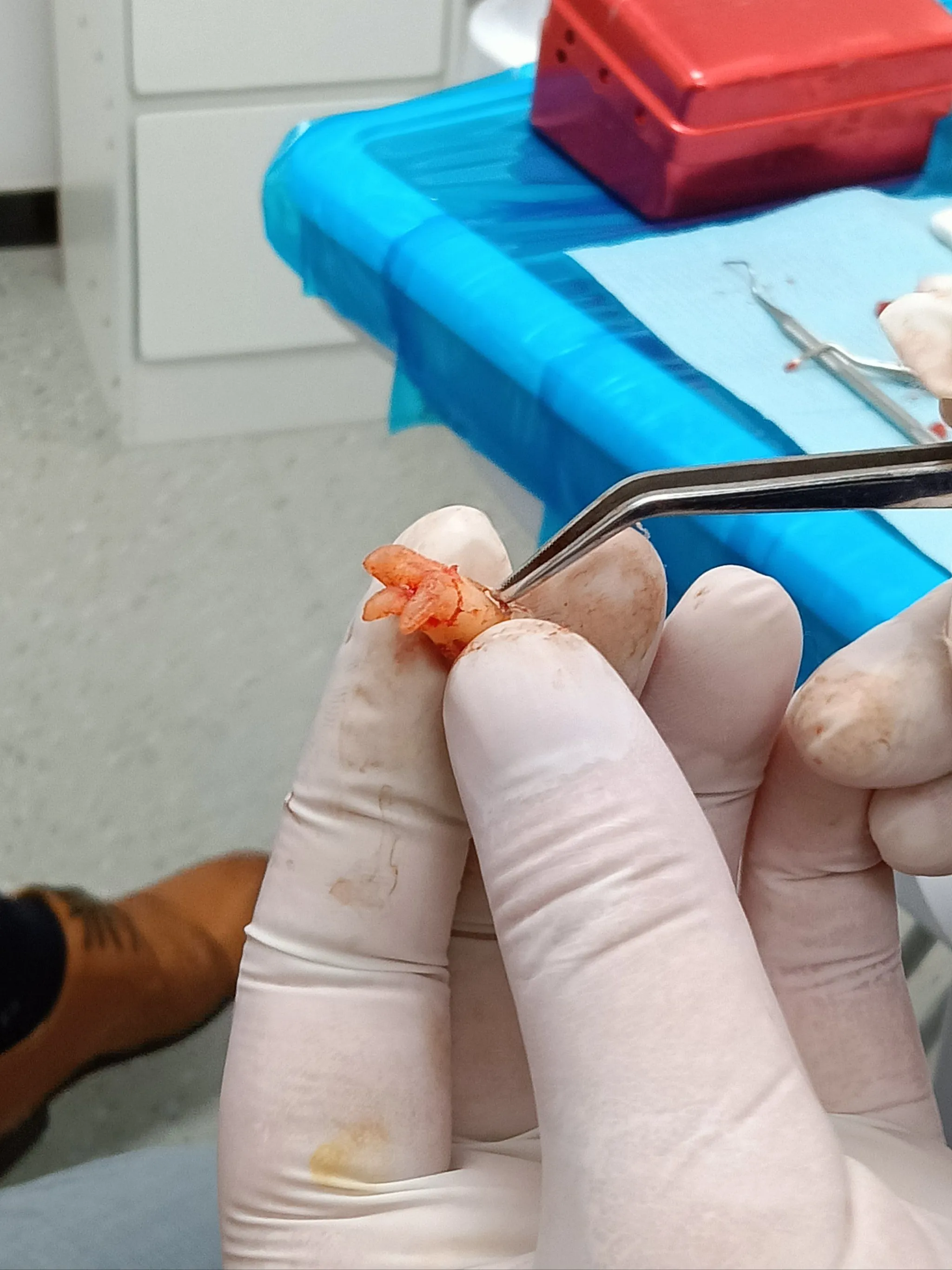
Thailand Tooth Extraction Services With Personalized Treatment Plans

Thailand Tooth Extraction Services With Personalized Treatment Plans
Thailand Tooth Extraction Services With Personalized Treatment Plans
If you’re considering tooth extraction in Thailand, you’ll find a friendly, down-to-earth approach paired with modern technology and clear pricing. Whether you live in Bangkok, Chiang Mai, Phuket, or you’re visiting for dental tourism, clinics here tend to focus on comfort, convenience, and that Thai “service mind” many patients appreciate. The key difference you’ll notice is how dentists tailor a plan to your situation, not just pull the tooth and send you home. From the first X-ray to your follow-up on LINE, everything is personalised so you heal well and get back to your routine with minimal fuss.
Why choose Thailand for tooth extraction
- Experienced, English-speaking dentists who explain things clearly
- Clean, modern clinics and international hospitals with strict sterilisation
- Fast appointments (often same day), with fair, transparent fees in THB
- Easy access near BTS/MRT in Bangkok or central locations upcountry
- Warm, respectful care—no pressure, no drama, just “no worries” service
Who typically needs an extraction
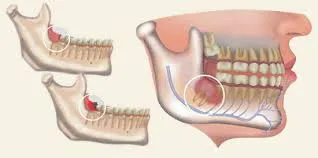
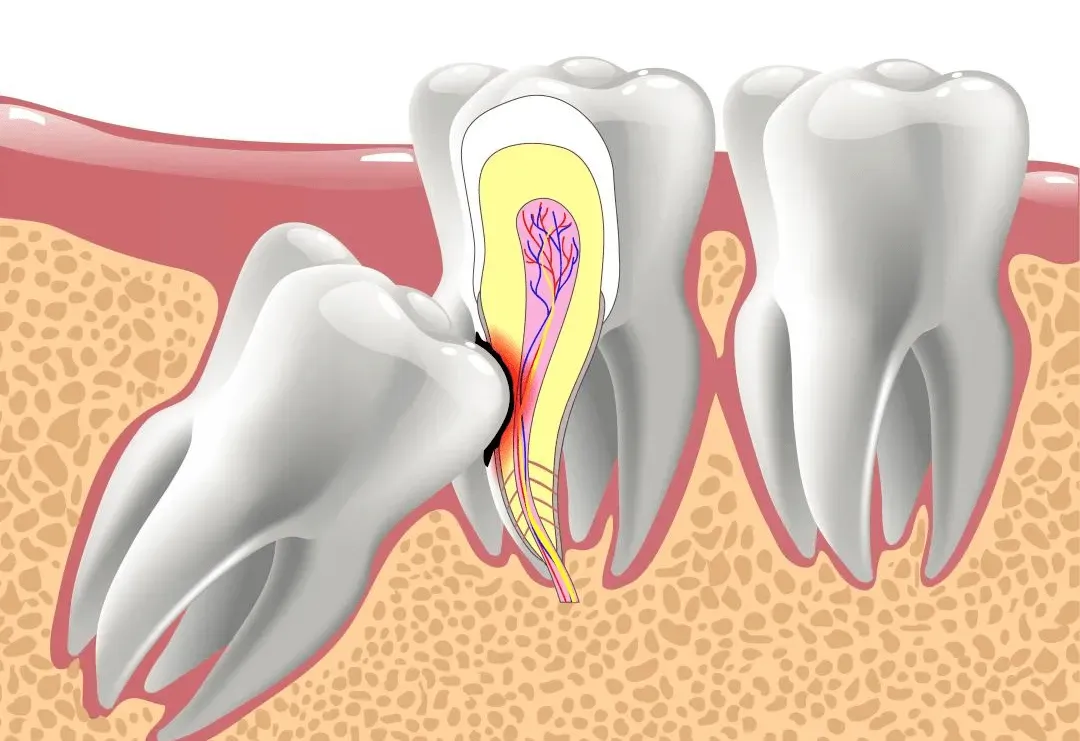
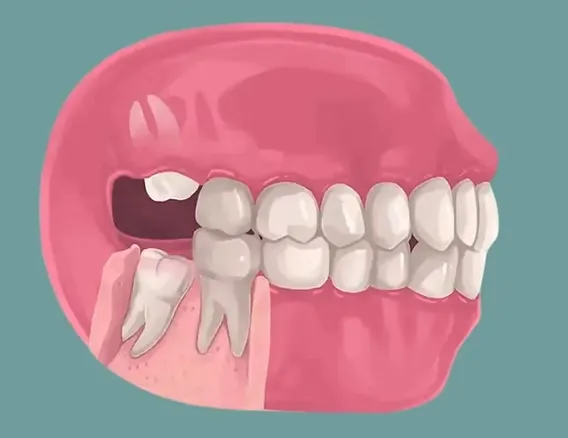
Extraction isn’t only for wisdom teeth. You might be advised to remove a tooth if it’s badly decayed, cracked beyond repair, loosened by gum disease, or blocking orthodontic treatment. For many adults in Thailand, impacted wisdom teeth are the main reason—especially when they cause pain, swelling, food traps, or repeated infection. Children sometimes need baby teeth removed if they don’t fall out on schedule, and travellers may need emergency extraction for sudden toothache that doesn’t settle with medication.
What a personalised treatment plan looks like
Thai dentists usually start with a proper chat and an X-ray before any decision is made. Your plan is then customised based on:
- Your symptoms and dental goals (keep space for an implant later, prepare for braces, or relieve pain quickly)
- Medical history and medications (for example, diabetes, blood thinners, allergies)
- Tooth position and complexity (simple removal vs. surgical extraction)
- Pain control preference (local anaesthesia only, nitrous oxide, or IV sedation in a hospital setting)
- Timing (same-day extraction or scheduled after infection settles)
- Budget and payment options (cash, card, or QR PromptPay), with a clear invoice for insurance claims
- Aftercare needs and travel schedule (especially if you’re flying out or heading to the islands)
Many clinics will share treatment options with pros and cons, estimated fees, and a timeline. If you’re anxious, just say so—Thai dentists are very used to nervous patients and will go slowly, “chai yen yen,” to keep you comfortable.
Step-by-step: what to expect on the day
1) Check-in and consultation: You’ll complete a short medical form and discuss your symptoms. A digital X-ray (and sometimes a panoramic film or CBCT) reveals tooth roots and nerves.
2) Planning and consent: The dentist explains the approach, fees, and aftercare. If you’re happy, you sign the consent and proceed.
3) Numbing: A topical gel is applied first, then local anaesthetic. You’ll feel pressure but no sharp pain.
4) Extraction: Simple teeth are loosened and removed quickly; surgical cases (like difficult wisdom teeth) may need a small incision and stitches.
5) Gauze and rest: You bite on gauze for 30–45 minutes to stop bleeding. The dentist reviews aftercare and prescribes pain relief, and antibiotics only when necessary.
6) Follow-up: Stitches (if any) are removed in 5–7 days. Many clinics check on you via LINE—very handy if you’re on the move.
Pain and anxiety management
Local anaesthetic is standard and very effective. For
highly anxious patients or complex wisdom teeth, clinics can arrange sedation or general anaesthesia at partner hospitals with an anaesthetist. If you’re considering sedation, avoid food and drink as instructed, arrange a friend to accompany you, and plan to rest quietly afterward. Don’t be shy to ask for extra numbing or short breaks. Here, nobody expects you to “be brave”—comfort comes first.
Hygiene and safety standards
Look for clinics that use sealed, sterilised instruments (autoclaved), single-use disposables where appropriate, and full PPE. Many Thai facilities follow international protocols, and some hospitals are JCI-accredited. If you have specific concerns, ask to see their sterilisation room or protocol; good clinics are proud to show it.
Recovery and aftercare tips (Thailand edition)
- Keep the gauze in place as advised. A little oozing is normal on day one.
- Avoid hot, spicy foods and alcohol for 24–48 hours. Go for soft options like jok (rice porridge), soft noodles, yoghurt, or smoothies (no straw).
- No straw and no smoking for at least 48 hours to prevent dry socket.
- Cold compress for swelling in the first 24 hours, then warm compress from day two if needed.
- Sleep with your head slightly elevated for the first night.
- Rinse gently with warm salt water after 24 hours. Brush as usual but skip the socket area for a couple of days.
- If pain climbs sharply after day 2–3, or there’s a bad taste or fever, contact the clinic—could be dry socket or infection, both easily managed.
Typical fees and insurance
Costs vary by city and complexity, but as a ballpark:
- Simple extraction: around THB 1,500–3,000 per tooth
- Surgical/wisdom tooth: around THB 3,000–8,000 per tooth
- Complex impacted wisdom tooth: may be higher depending on position, X-rays, and sedation
You’ll get a detailed receipt (often with diagnosis and tooth code) for insurance claims. Some international policies reimburse out-of-network dental; check your benefits.
Timing for locals and visitors
Same-day slots are common, especially for emergencies. If you’re flying to Thailand for treatment, leave 1–3 buffer days before your next flight in case you need a review. After surgical wisdom tooth removal, avoid heavy gym sessions, boxing, and diving for a few days. During holidays like Songkran or New Year, clinics might have limited hours—book ahead.
How to choose a good clinic
- Credentials: Board-certified dentists, relevant postgraduate training
- Imaging: Onsite digital X-ray/CBCT for accurate planning
- Communication: Clear English, step-by-step explanations, easy contact via phone or LINE
- Accessibility: Near BTS/MRT or with parking; open hours that suit you
- Reviews and referrals: Consistent feedback on comfort, cleanliness, and aftercare
- Emergency support: Ability to see you quickly if bleeding or pain flares up
Quick FAQs
- Can I do extraction on the first visit? Often yes, if the X-ray and your health status allow.
- Do I always need antibiotics? Not always—your dentist will prescribe only if indicated.
- Will it be very painful? You should feel pressure, not pain. Good numbing and gentle technique make a big difference.
- Can I replace the tooth later? Yes—options include implant, bridge, or partial denture. Your dentist can time the replacement for best healing.
To sum up, tooth extraction in Thailand isn’t a one-size-fits-all procedure. It’s a well-organised, personalised service where the dentist listens, plans carefully, and follows up to make sure you’re okay. With the right clinic, you’ll have a smooth experience from booking to recovery—no hassle, no surprises, just a healthier smile and peace of mind.