Thailand Tooth Extraction Treatment With Modern Dental Technology
Thailand Tooth Extraction Treatment With Modern Dental Technology
Thailand Tooth Extraction Treatment With Modern Dental Technology
If you’re considering tooth extraction in Thailand, good news: modern dental technology has made the whole experience faster, gentler, and more precise than ever. Whether you’re a local or visiting for dental tourism, clinics in Bangkok, Phuket, and Chiang Mai offer world-class standards with that famous Thai “mai pen rai” no-worries service. From digital diagnostics to minimally invasive techniques, extraction today is nothing like the scary stories you might have heard before.
When Do You Actually Need a Tooth Extraction?
Dentists in Thailand follow a conservative approach: save the tooth if possible. But sometimes removal is the safest option. Common reasons include:
- Severe decay or fracture beyond repair
- Advanced gum disease causing mobility
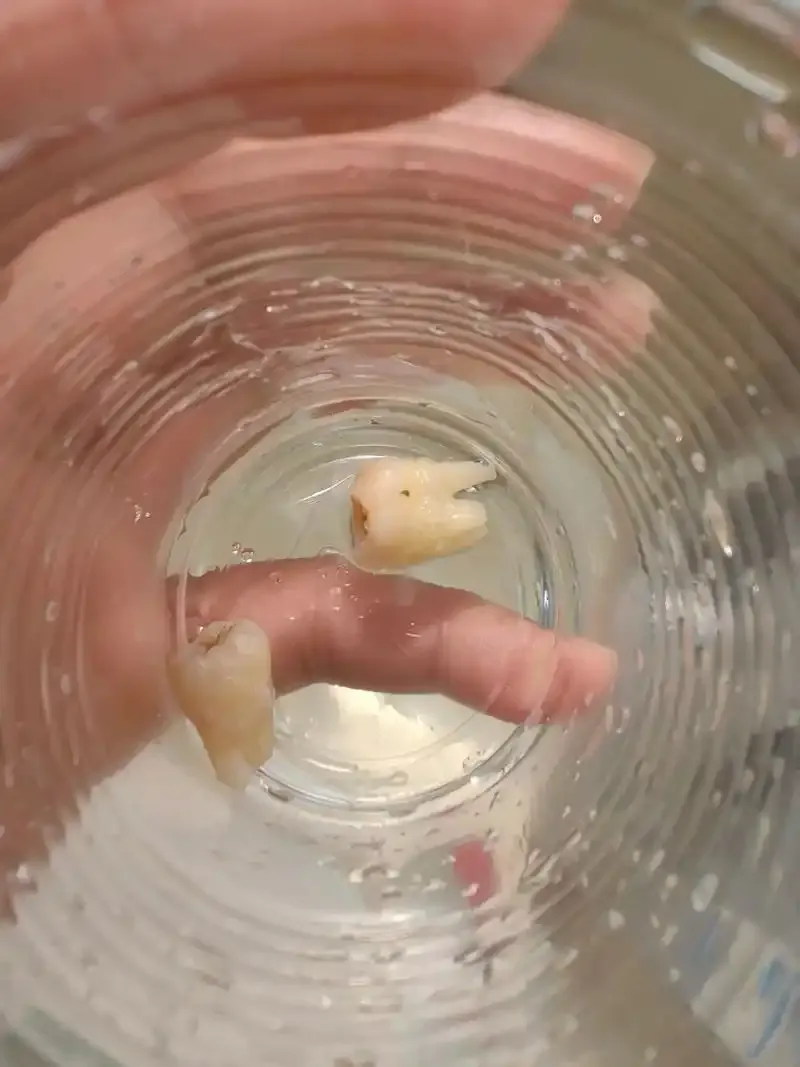
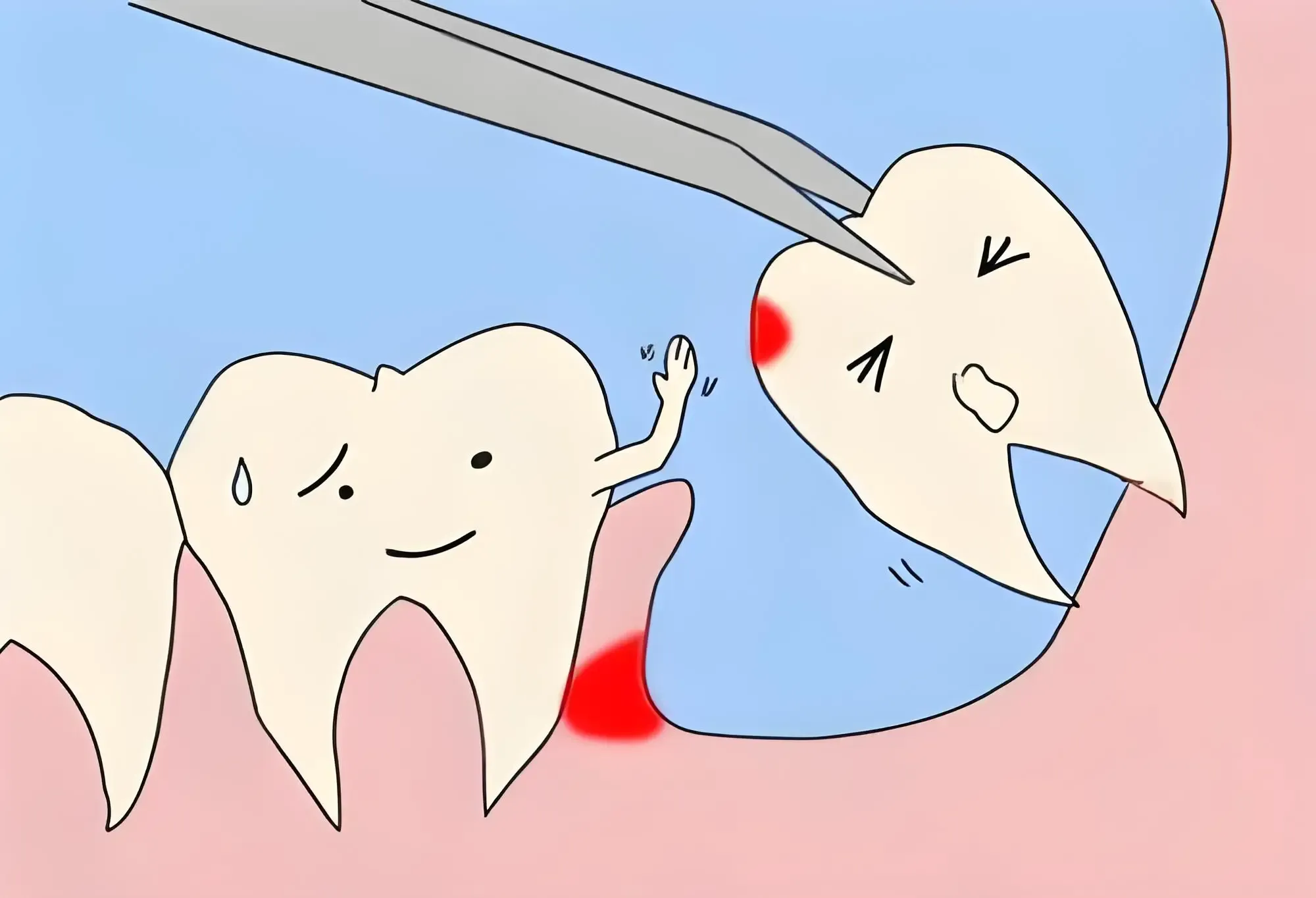
- Impacted or infected wisdom teeth
- Teeth blocking orthodontic treatment
- Cracked roots or failed root canals
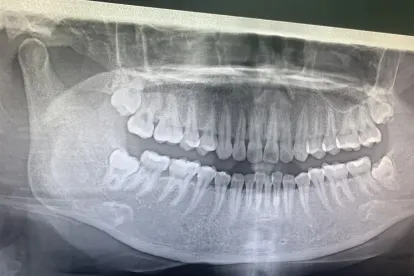
A proper diagnosis usually starts with digital X-rays or a 3D CBCT scan. This imaging shows root shape, nerve position, and bone levels, so the dentist can plan a smooth and safe extraction with minimal trauma.
Modern Technology That Makes Extractions Gentle
Top clinics in Thailand have invested heavily in digital dentistry. Here’s what that looks like in real life:
- Digital imaging and 3D planning: High-resolution digital X-rays and CBCT 3D scans let the dentist visualize your tooth from every angle. This reduces surprises and shortens chair time.
- Comfortable anaesthesia: Computer-controlled delivery systems like The Wand and fine-gauge needles make numbing more comfortable. For anxious patients, sedation options include nitrous oxide (laughing gas) and IV sedation with a licensed anesthetist.
- Minimally invasive tools: Periotomes, luxators, and physics forceps gently loosen teeth with less pressure. Ultrasonic and piezoelectric surgical units can section teeth precisely without overheating bone.
- Atraumatic techniques: The goal is to preserve bone and gum tissue. Many clinics place a bone graft or use PRF (platelet-rich fibrin) to support faster healing, especially after wisdom tooth removal.
- Strict sterilization: ISO-compliant protocols, Class B autoclaves, and single-use consumables keep everything clean and safe from start to finish.
What Your Appointment Feels Like
Booking is simple—many clinics let you confirm your slot via phone, Facebook, or LINE. On the day, you’ll be greeted by English-speaking staff. After a quick consultation and imaging, your dentist explains the plan, estimated time, and fee. You’ll sign consent forms and get comfortably numb.
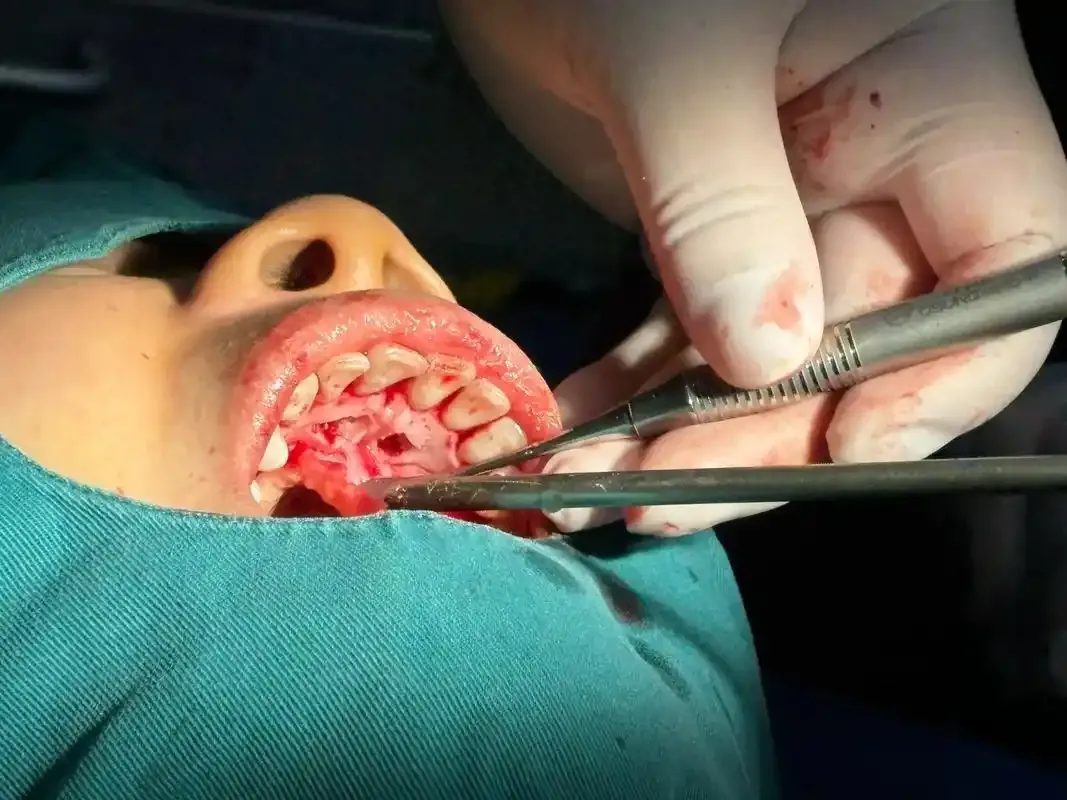
During the procedure, you might feel pressure but not pain. If it’s a simple extraction, it can take just a few minutes. Wisdom tooth surgery may take longer, especially if the tooth is impacted, but with modern instruments, it’s still efficient. Sutures may be placed to protect the area. You’ll bite on gauze to control bleeding, and the team will review a
ftercare. Many clinics schedule a complimentary follow-up to check healing or remove stitches.
Aftercare Tips for a Smooth, Sabai-Sabai Recovery
- Keep the area clean but be gentle: Don’t rinse vigorously on day one. From day two, rinse with warm saltwater after meals.
- Control swelling: Ice packs for 10 minutes on, 10 minutes off, during the first 24 hours.
- Eat soft, cool foods: Think congee/jok, khao tom (rice soup), yogurt, scrambled eggs, tofu, and soft fruits. Avoid spicy, hot, or sour dishes for 48 hours—they can irritate the wound.
- No straw, no smoking: Sucking can dislodge the clot and cause dry socket.
- Sleep slightly elevated: This helps with swelling.
- Take your medications as instructed: Pain relief in Thailand is usually mild and effective. If you feel anything unusual, call the clinic—no need to wait.
How Much Does Tooth Extraction Cost in Thailand?
Prices vary by city and clinic, but they are typically very affordable compared to many countries:
- Simple extraction: around THB 800–2,500 per tooth
- Surgical extraction (including wisdom tooth): around THB 5,000–12,000 per tooth, depending on complexity and imaging
Digital X-rays and CBCT scans are usually billed separately. Most clinics accept cash and major credit cards. If you’re a visitor, you can request a detailed tax invoice for insurance claims back home.
Safety and Standards You Can Trust
Reputable dental centers in Thailand employ board-certified dentists, many with international training. Clinics often hold ISO certifications, and some hospitals are JCI-accredited. Emergency protocols are in place for sedation cases, and all staff follow strict cross-infection control. You’ll notice the attention to detail—from sealed instrument packs to clear pre- and post-op instructions in English and Thai.
Choosing the Right Clinic
Look for the following to ensure a smooth experience:
- Transparent pricing with written estimates
- In-house digital X-ray and CBCT 3D scanning
- Sedation options if you’re nervous
- A dentist experienced in wisdom tooth surgery
- Strong patient reviews and before/after photos
- Clear sterilization and safety protocols
- Convenient location near BTS/MRT in Bangkok or central areas in Phuket/Chiang Mai
- Easy booking via phone or LINE, and responsive communication
Why Thailand Is a Great Choice for Tooth Extraction
You get the best of both worlds: advanced dental technology and warm Thai hospitality. Procedures are efficient, pain control is modern and effective, and recovery is smoother thanks to minimally invasive techniques. The cost is friendly, the standards are high, and the whole process—from booking to follow-up—feels organized and stress-free.
If your tooth is giving you trouble, don’t wait. With Thailand’s modern dental technology and skilled teams, tooth extraction can be a surprisingly comfortable, quick, and affordable treatment. Book your consultation, get your digital scan, and move toward a sabai-sabai smile with confidence.