Thailand Tooth Extraction Care for Patients With Tooth Fractures
Thailand Tooth Extraction Care for Patients With Tooth Fractures
Thailand Tooth Extraction Care for Patients With Tooth Fractures
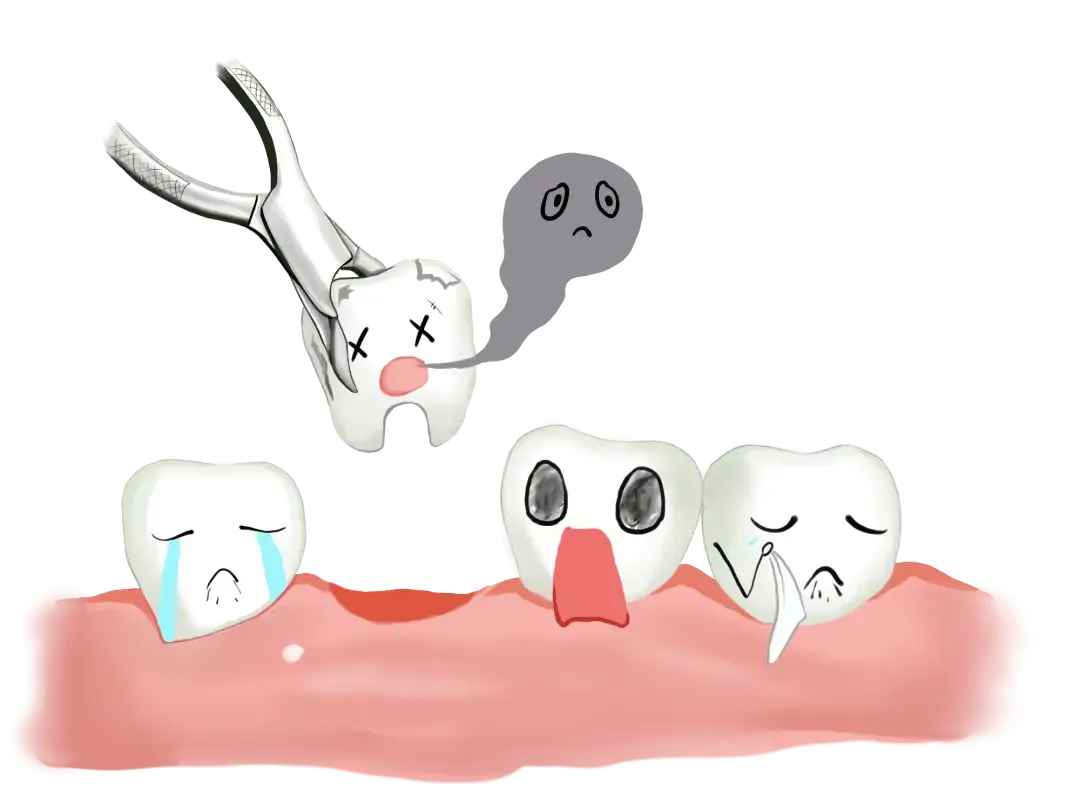
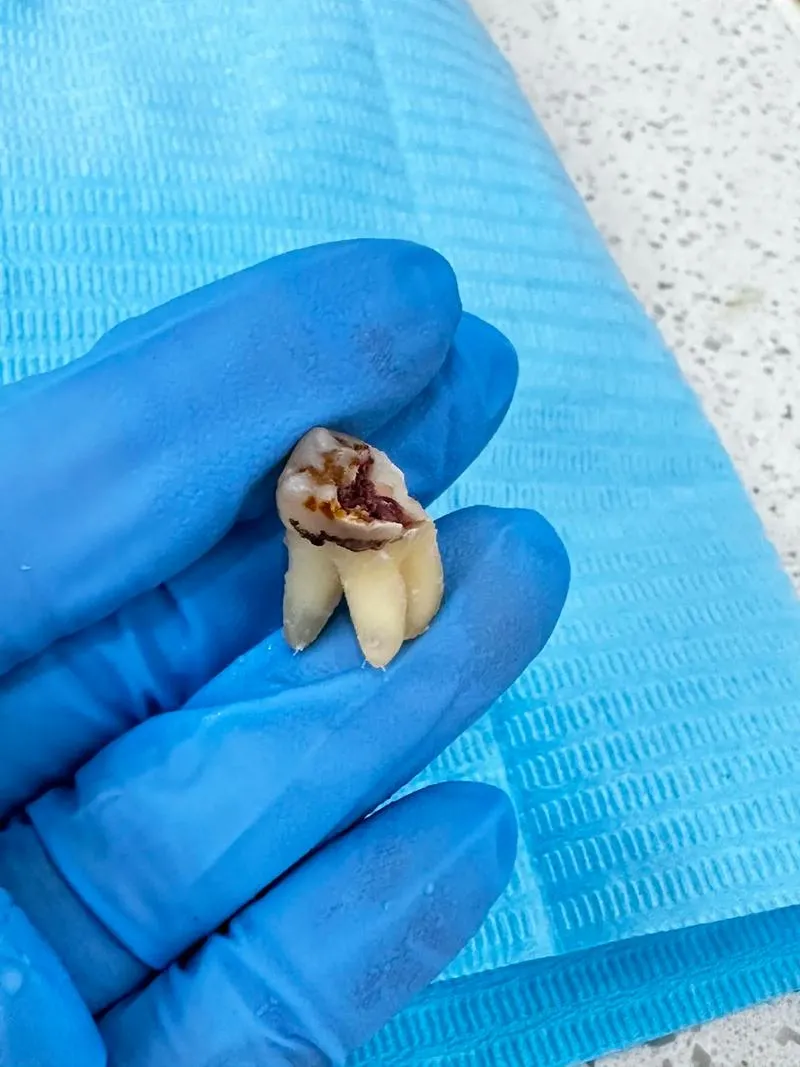
Tooth fractures are common in Thailand, whether from biting on hard pork crackling, unexpected sand in som tam, or an old filling giving way. When a crack runs deep or the tooth splits, your dentist may advise an extraction to prevent ongoing pain and infection. The good news is that tooth removal in Thailand is generally safe, efficient, and more affordable than many countries, with clinics used to caring for both locals and foreign residents. Here’s a clear, Thailand-focused guide to what to expect and how to recover well.
Before the extraction: diagnosis and planning
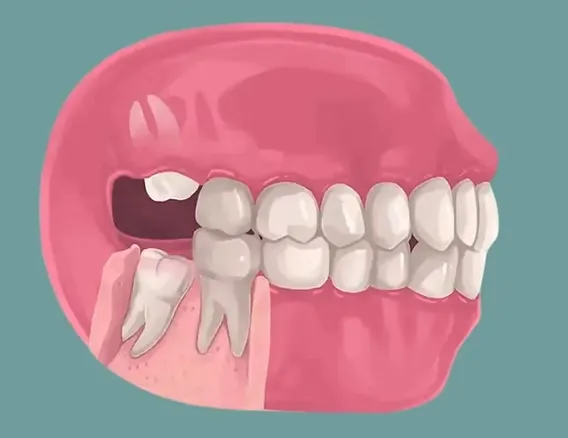
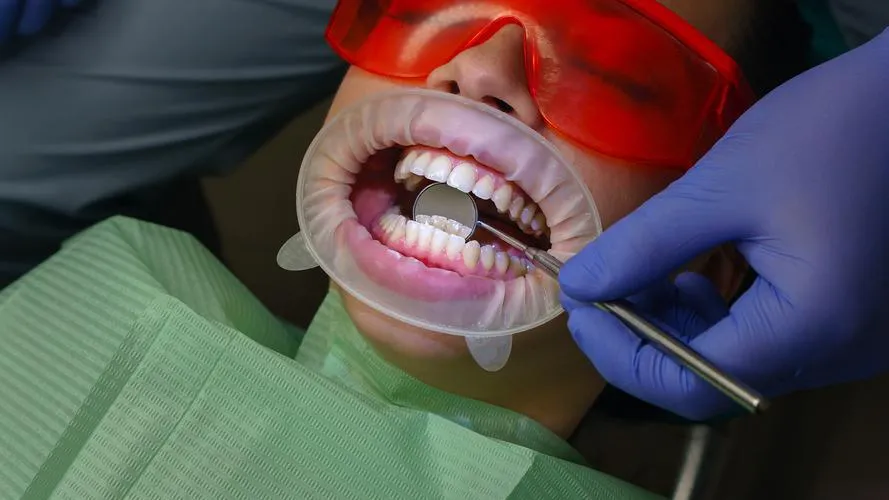
A proper check-up comes first. Most Thai dentists will take an x-ray to see how the tooth fractured and whether a root canal and crown could still save it. If the break goes below the gum line, the tooth is loose, or there’s infection in the bone, extraction is often the best choice. Clinics in Bangkok, Chiang Mai, Phuket, and other cities usually offer walk-in slots, and many accept booking via LINE. For Thai citizens, public hospitals may provide lower fees under the universal coverage scheme; private clinics are faster and more flexible with timing.
Typical fees vary by clinic and city: a simple extraction may be around 1,000–3,000 THB, while surgical extraction (if the tooth broke at the gum or has curved roots) can be 3,000–8,000+ THB. If you’re anxious, ask about sedation options; some dental hospitals and specialist clinics offer IV sedation at extra cost. For most people, local anaesthetic is enough, and Thai dentists are quite gentle—numbing gel before the injection is common.
On the day: what happens and what to bring
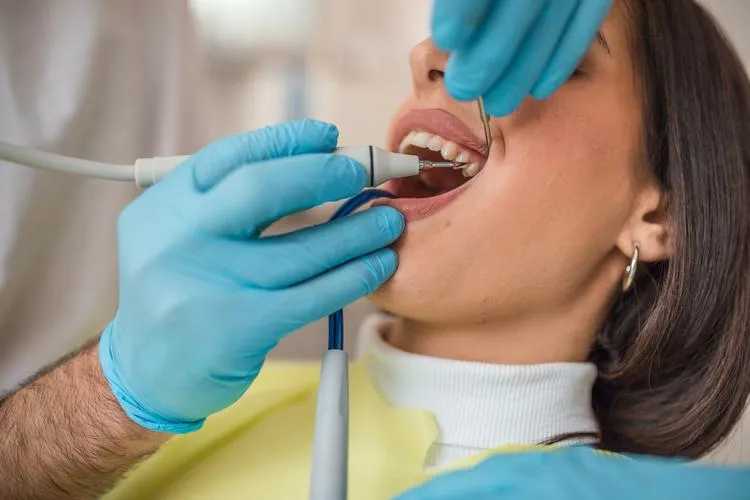
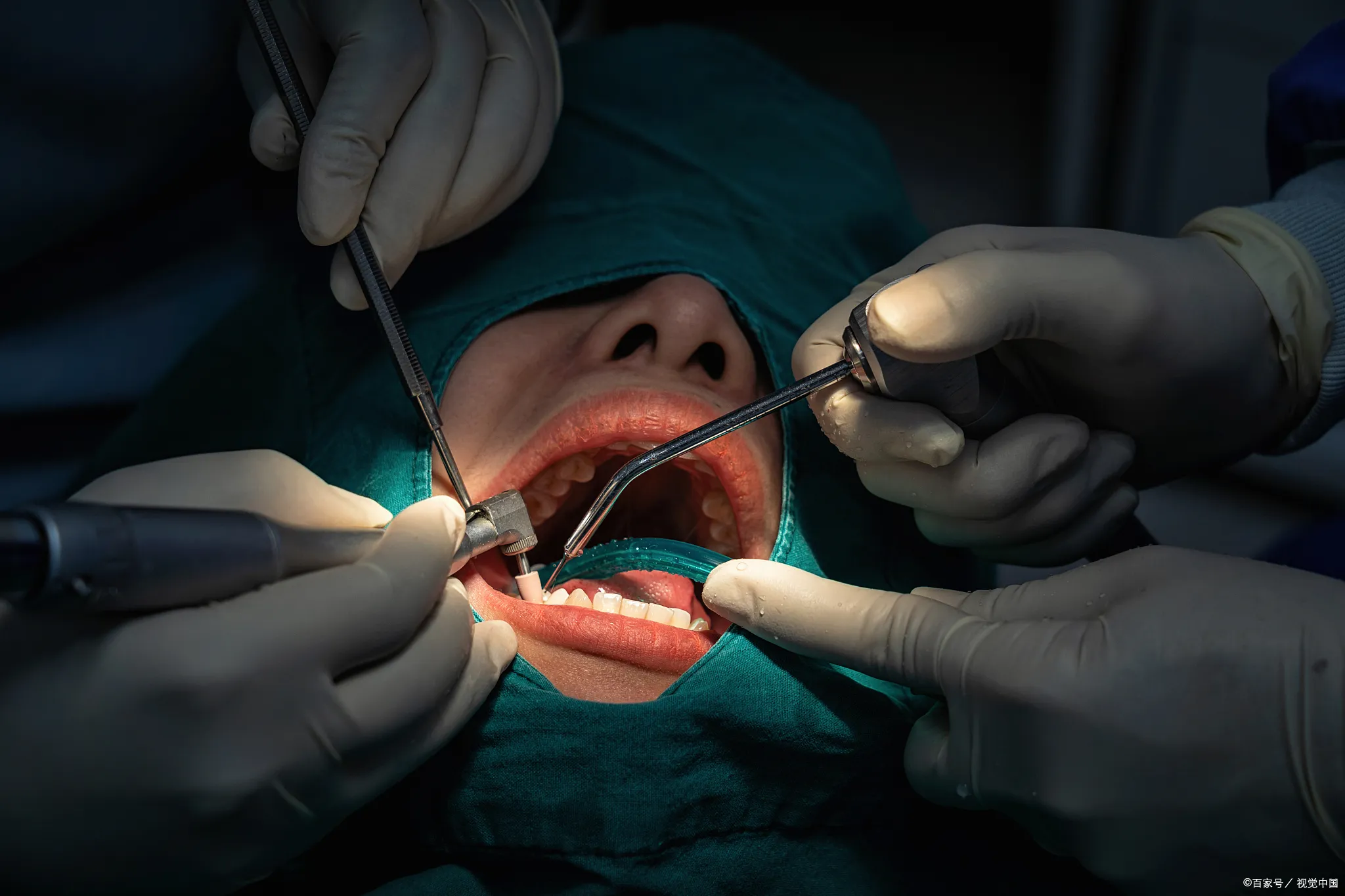
Eat a light meal beforehand unless you’re instructed not to (for IV sedation, you’ll usually need to fast). Bring an ID, a list of your medicines, and let the team know if you take blood thinners. You’ll feel pressure, not sharp pain, during the extraction. If the tooth is fractured, the dentist may section it into pieces to remove it cleanly, then place stitches. Ask for written aftercare instructions in English; most clinics have them ready. Arrange transport home—if you’ve had sedation, avoid driving or hopping on a motorbike taxi; Grab or a family member is safer.
Immediate aftercare (first 24 hours)
- Bite firmly on the provided gauze for 30–60 minutes to stop bleeding. If oozing continues, replace with fresh gauze and bite again. Keep your mask clean and change it if it gets damp.
- Do not rinse, spit, or drink through a straw for the first day. Negative pressure can dislodge the blood clot and cause dry socket.
- Avoid smoking and alcohol. Smoking in the Thai heat delays healing significantly.
- Apply an ice pack on the cheek for 15–20 minutes on, 15–20 minutes off for the first few hours.
- Rest. Keep your head elevated with a pillow when you sleep.
Pain and medication
Most dentists in Thailand prescribe pain relievers; paracetamol (acetaminophen) is commonly used, sometimes paired with ibuprofen if you’re able to take it. Take your medication on time, preferably after food, and don’t exceed the daily dose. Antibiotics aren’t always necessary; they are typically given if there’s significant infection, swelling, or a surgical extraction. If you’re allergic to penicillin, inform the clinic clearly in advance.
What to eat (and what to avoid) in the Thai context
Stick to soft, lukewarm foods for the first 48
hours. Good choices include:
- Jok (Thai rice porridge), soft tofu, scrambled or soft-boiled eggs
- Yogurt, banana, smoothies taken from a cup (no straw)
- Mashed potatoes, steamed fish, well-cooked pumpkin or carrots
Avoid:
- Hot soups and curries (heat promotes bleeding)
- Spicy dishes like tom yum, som tam, or laab during the first 2–3 days
- Sticky rice, fried chicken skin, and crunchy snacks that can disturb the socket
- Alcoholic drinks, bubble tea with a straw, and soda
Oral hygiene and rinsing
Keep the rest of your mouth clean to avoid infection. Do not brush the extraction site on day one. From day two, gently brush near the area without touching the socket. Rinse with warm saltwater (½ teaspoon salt in a cup of water) 3–5 times daily after meals; this is easy to mix, or you can buy saline from 7-Eleven. If your dentist recommends chlorhexidine mouthwash, you can find it at Boots or Watsons—use it as directed, usually for a few days only.
Stitches and follow-up
If you have stitches, your dentist will advise when to return—typically 5–7 days for removal unless dissolvable sutures are used. Many clinics can confirm your appointment via LINE and send reminders. If you travel by BTS or MRT for follow-up, allow extra time and avoid peak-hour crowds to reduce jostling. Keep your mouth covered if you feel self-conscious; healing sockets are not visible when you’re at rest.
What’s normal—and what’s not
Normal:
- Mild to moderate pain for 1–3 days, improving daily
- Minor oozing on day one
- Slight swelling or jaw stiffness
- Bruising on the cheek, especially after surgical extraction
Not normal (contact your dentist or go to a hospital):
- Severe pain that gets worse after day two, radiating to the ear or temple (possible dry socket)
- Persistent bleeding that doesn’t stop after firm pressure with gauze for 1–2 hours
- Fever over 38°C, foul taste, or pus
- Numbness of the lip or tongue that lasts beyond 24 hours
- Broken stitches or large sharp bone edges causing trauma
Replacing the missing tooth
After the area heals (often 6–8 weeks), discuss a long-term solution: dental implant, bridge, or partial denture. Thailand has strong implant dentistry; prices and brands vary, and treatment may take several months. If you’re an expat or stay long term, an implant is a durable option. If you’re leaving Thailand soon, a temporary flipper denture can fill the gap until you continue care elsewhere.
Extra tips for a smooth recovery in Thailand
- Heat and humidity can increase swelling. Stay in aircon, hydrate well, and avoid vigorous exercise for 48–72 hours.
- If you need more gauze, pharmacies and 7-Eleven carry sterile gauze and saline. Cold gel packs are available at larger stores.
- Keep your meals mild for a few days. When you return to spice, ramp up slowly.
- If language is a concern, choose a clinic advertising English-speaking dentists; many in tourist areas and major cities are experienced with international patients.
Final thought
Tooth fractures can be stressful, but with good planning and proper aftercare, tooth extraction in Thailand is straightforward and “sabai-sabai.” Choose a reputable clinic, follow your dentist’s instructions, be gentle with your mouth for the first week, and watch for warning signs. With sensible food choices, regular saltwater rinses, and timely follow-up, you’ll heal well and be ready to plan a long-lasting replacement for your smile.