Thailand Tooth Extraction Services With Safe Tooth Extraction Methods
Thailand Tooth Extraction Services With Safe Tooth Extraction Methods
Thailand Tooth Extraction Services With Safe Tooth Extraction Methods
If a tooth is giving you trouble and you’re in Thailand, you’re in good hands. Thailand’s tooth extraction services are known for being efficient, affordable, and very safe, with modern clinics and friendly, service-minded teams who explain everything clearly. Whether you’re a local, an expat on Sukhumvit, or a traveller in Phuket, you can easily find a licensed dentist who follows safe tooth extraction methods and international standards.
What to expect at a Thai dental clinic
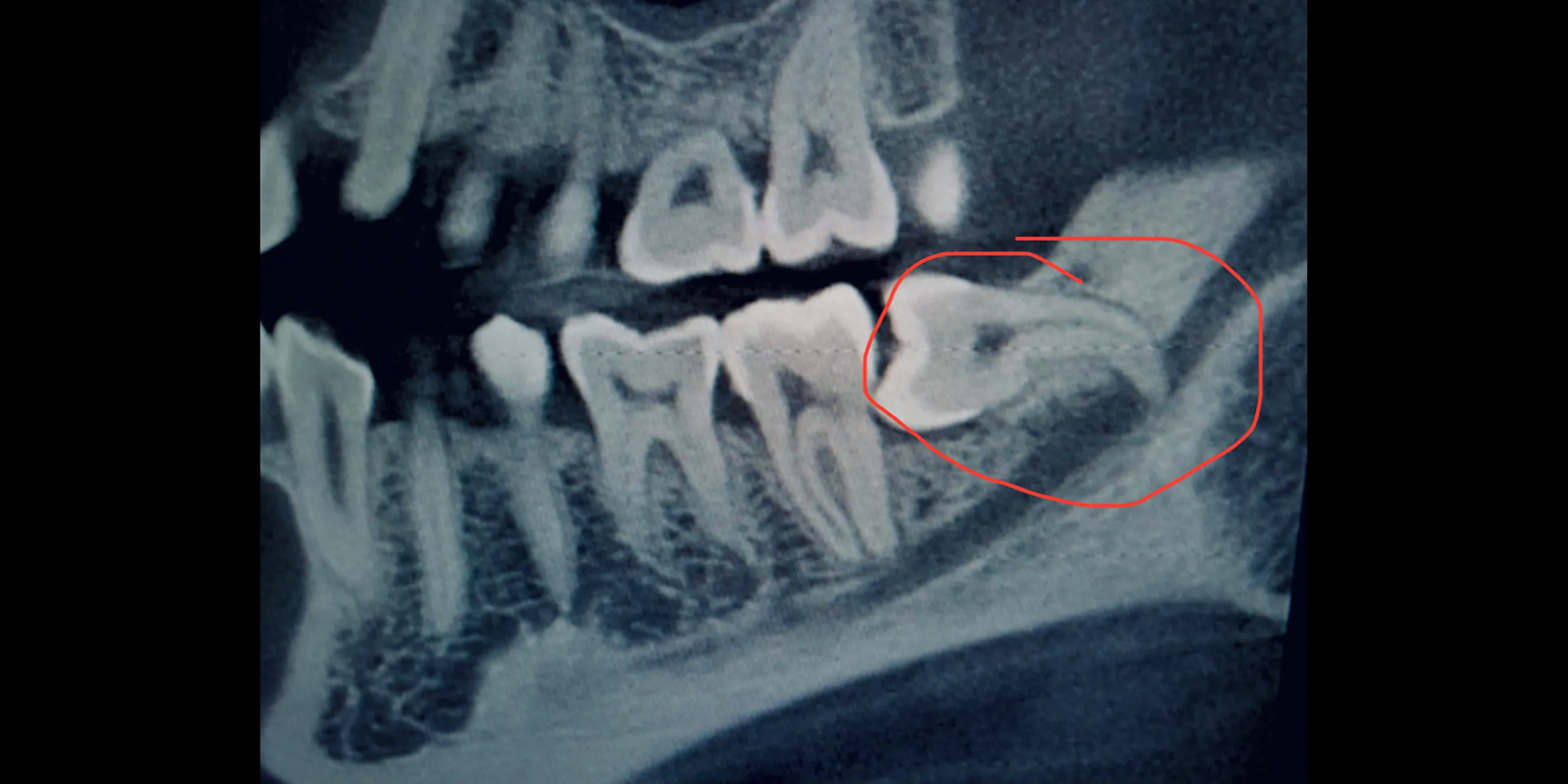
Most clinics in Thailand make the process smooth from start to finish. You can book via phone, Facebook, or LINE Official Account, and many places accept walk-ins if the queue is not long. On arrival, you’ll fill in a simple medical form, including allergy and medication details. A dentist will then do a consultation with an X-ray—usually a small periapical film or a panoramic scan, and for impacted wisdom teeth, sometimes a CBCT. This imaging helps plan a safe extraction and reduces the risk of nerve injury or complications. Prices are usually quoted upfront in clear, all-in figures (often with VAT included), so no surprise charges.
Safe tooth extraction methods used in Thailand
Thai dentists focus on minimally invasive techniques and strict infection control. The exact method depends on your tooth condition:
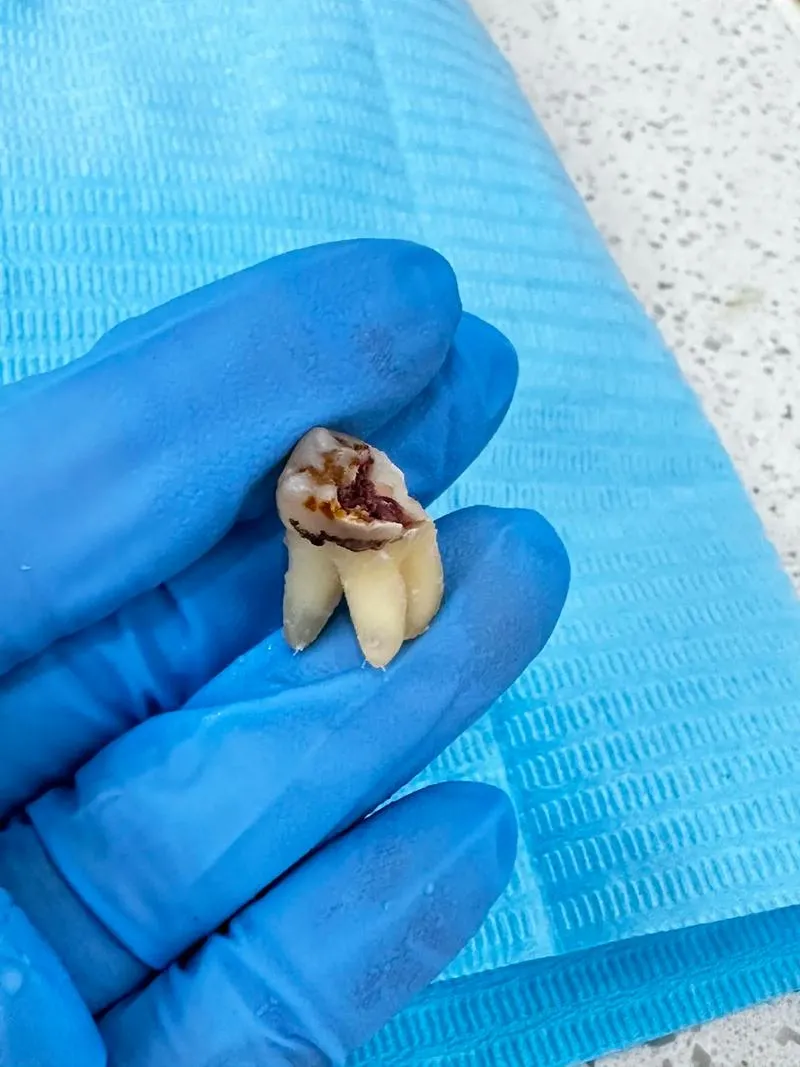
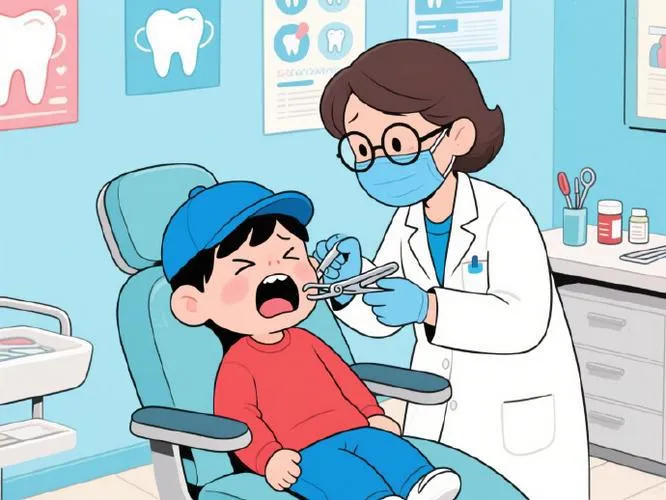
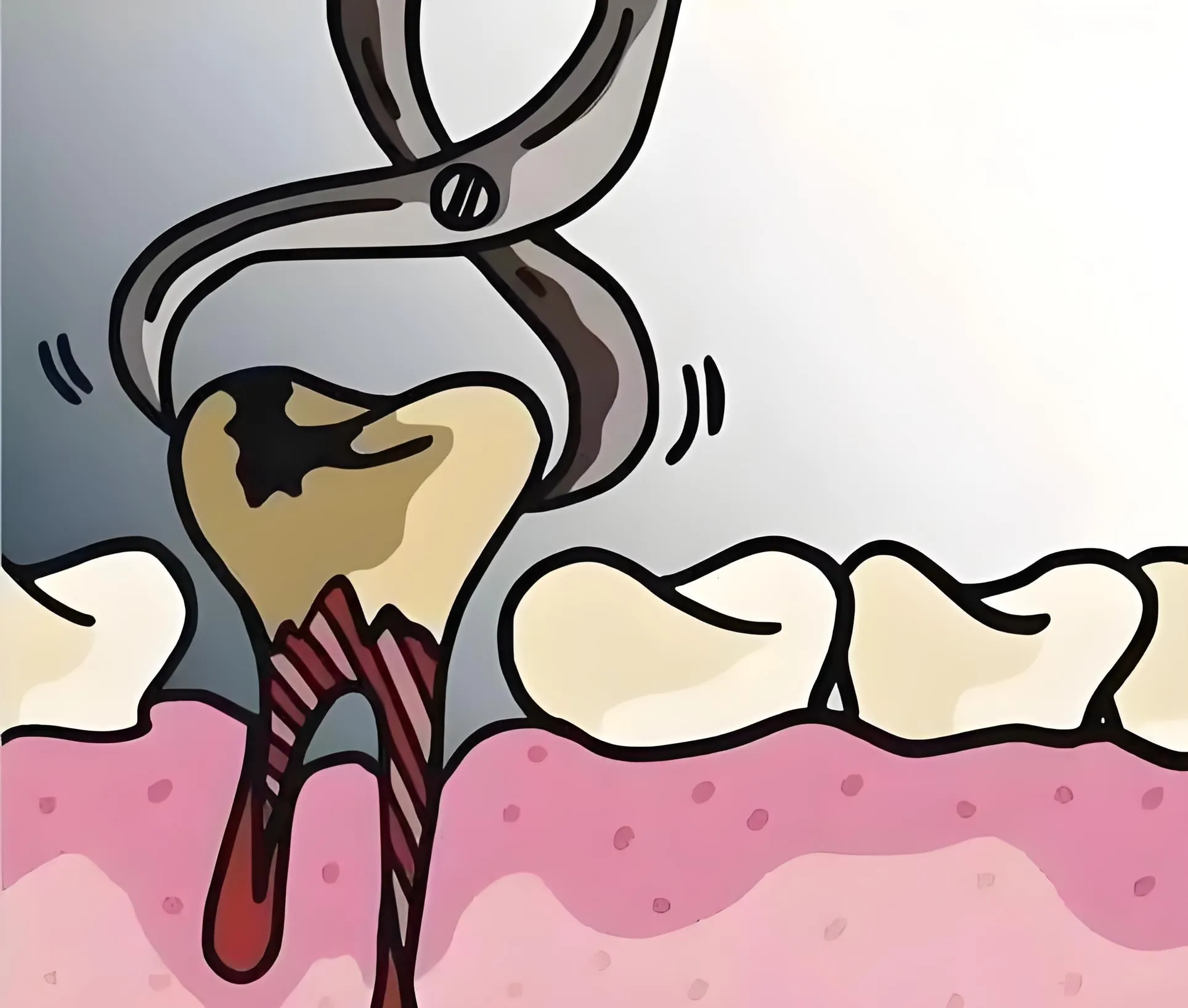
- Simple extraction: For loose or visible teeth. The dentist gently loosens the tooth with elevators and removes it with forceps, aiming to preserve bone and gum tissue for faster healing.
- Surgical extraction: For broken roots or impacted wisdom teeth. The dentist may create a small flap, remove a little bone, and section the tooth into pieces for easier, safer removal. Resorbable sutures are commonly used, so you usually don’t need a stitch removal visit.
- Atraumatic extraction: Techniques and instruments designed to protect surrounding bone—very helpful if you plan a future implant.
- Pain control: Local anaesthesia is standard. Some international hospitals and specialty clinics offer nitrous oxide or IV sedation for anxious patients, performed by trained teams.
- Infection control: Clinics follow sterilisation protocols with autoclaves, sealed instrument pouches, and single-use disposables where appropriate. Dentists and assistants wear PPE, and rooms are disinfected between patients.
Who performs the extraction
In Thailand, general dentists handle routine extractions, while complex cases—such as deeply impacted lower wisdom teeth or teeth near the sinus—are typically referred to an oral and maxillofacial surgeon. Practitioners are registered with the Dental Council of Thailand, and many speak English. If you prefer a female dentist or a specialist, just mention it when booking—no worries, the staff will try to arrange it.
Comfort, pain, and recovery
With proper anaesthesia, extractions are usually painless; you may feel pressure but not sharp pain. Post-procedure, most patients manage well with over-the-counter pain relief and a short course of anti-inflammatory medicine if prescribed. Swelling after wisdom tooth surgery is normal for the first 48–72 hours. Clinics provide a clear aftercare sheet in English and Thai, and you can message them on LINE if you have concerns.
Aftercare tips that Thai dentists commonly recom
mend
- Bite on the gauze firmly for 30–60 minutes to stop bleeding.
- Avoid rinsing vigorously, hot drinks, or using a straw for 24 hours to protect the blood clot.
- Apply a cold pack outside the cheek (10 minutes on, 10 minutes off) for the first day.
- Eat soft food like congee, khao tom, yoghurt, tofu, ripe banana, or soft-boiled eggs. Keep it “mai phet” (not spicy) for a couple of days.
- Start gentle warm salt-water rinses from day two, after meals.
- No smoking or alcohol for at least 48–72 hours to prevent dry socket.
- Sleep with your head slightly elevated the first night and avoid heavy exercise for 24 hours.
- Take any prescribed medicines as directed, and return for review if advised.
How much does tooth extraction cost in Thailand
Fees vary by city and complexity, but Thailand is known for fair, transparent pricing:
- Simple extraction: commonly around THB 1,000–3,000 in private clinics.
- Surgical extraction (including impacted wisdom teeth): often THB 3,000–8,000+, depending on difficulty, X-rays, and sedation if used.
Government hospitals and dental schools can be cheaper but may have longer waiting times. Private clinics and international hospitals cost more but often offer same-day service, English-speaking staff, and extended hours. Most places accept cash, credit card, and QR PromptPay.
Where to go: popular locations and convenience
Bangkok has many reputable clinics around BTS and MRT stations—Sukhumvit, Silom, Sathorn, and Ari are popular for expats. Chiang Mai, Phuket, and Pattaya also have well-equipped clinics used to international patients. Many are open evenings and weekends, and some operate on public holidays for emergencies. Look for a clean, air-con waiting area, clear signage of the dentist’s license, and modern X-ray equipment.
Safety checklist before you say “ok, doctor”
- Confirm the dentist’s license and clinic registration.
- Ensure an X-ray is done before extraction, especially for wisdom teeth.
- Ask about the technique, anaesthesia, and whether sutures will be used.
- Disclose any medical conditions, blood thinners, or allergies.
- Request an all-inclusive quote and ask what is covered (X-ray, meds, follow-up).
- Check sterilisation practices—sealed instrument pouches and autoclave use are standard.
For tourists and expats: what to keep in mind
If you’re flying soon after a surgical extraction, discuss timing with your dentist—many recommend a few days of rest before air travel. Keep your clinic’s LINE contact handy for quick questions, and carry your X-ray or digital copy if you plan follow-up elsewhere. Travel insurance may reimburse urgent dental treatment; ask for an itemised receipt.
Why Thailand stands out
Thailand’s blend of skilled dentists, modern equipment, and warm, service-minded care makes tooth extraction straightforward and stress-free. Clinics respect your time, explain options clearly, and provide practical aftercare that fits everyday Thai life. With safe tooth extraction methods and accessible prices, getting a problematic tooth removed in Thailand is not only manageable—it’s often easier than you’d expect.
If you’re in pain or suspect a wisdom tooth issue, don’t wait for the problem to get worse. Book a consultation, get an X-ray, and let a Thai dental professional guide you to the safest, most comfortable solution.