Thailand Tooth Extraction Services for Patients With Severe Tooth Decay
Thailand Tooth Extraction Services for Patients With Severe Tooth Decay
Thailand Tooth Extraction Services for Patients With Severe Tooth Decay
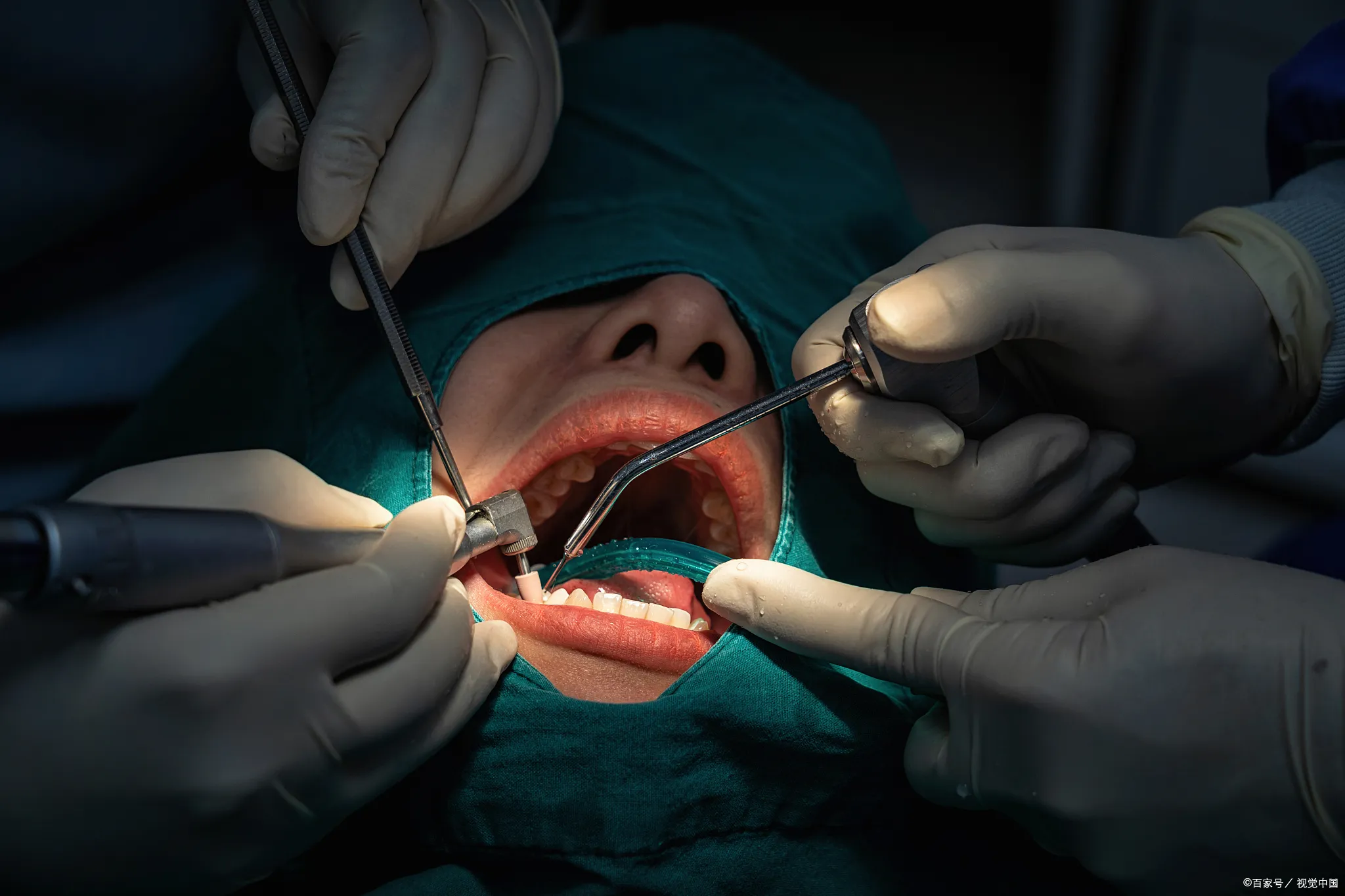
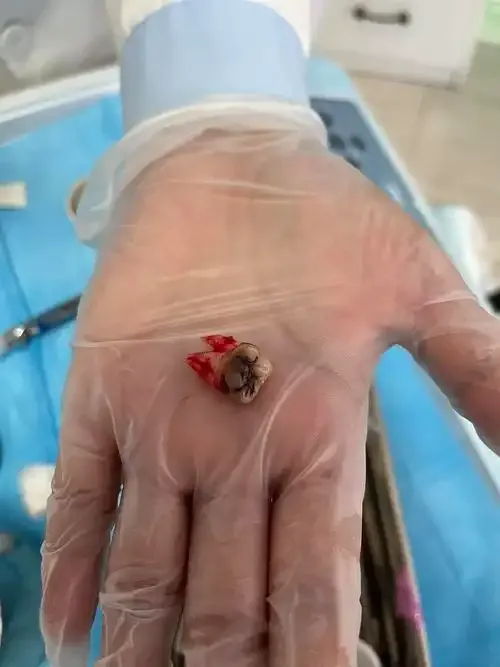
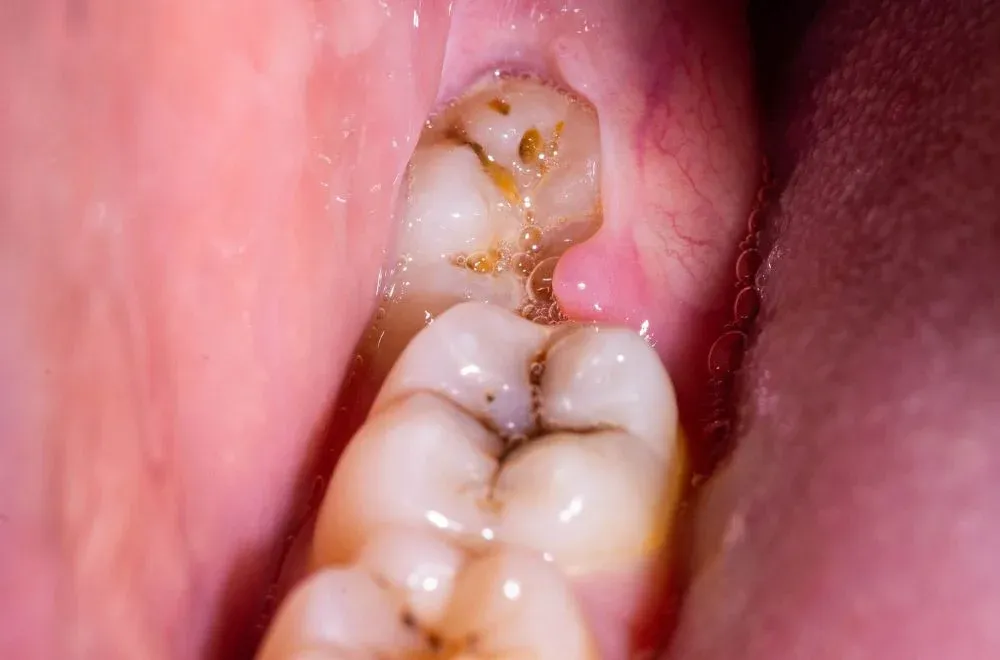
Severe tooth decay can creep up quietly and then suddenly become a big problem—pain when chewing, swollen gums, bad breath, even a face puffed up from infection. When a tooth is too damaged to save, extraction is often the safest way to stop the infection and protect your health. In Thailand, dental clinics and hospitals handle tooth extractions every day, with modern equipment, sterile protocols, and doctors who are used to treating both locals and international patients. Whether you’re in Bangkok, Chiang Mai, Phuket, or upcountry, getting a tooth out here is straightforward, affordable, and well supported with aftercare.
When extraction is recommended
A dentist will always try to save a tooth first—think fillings, root canal, or a crown. However, removal is usually advised if:
- Decay has destroyed most of the tooth structure, leaving nothing strong to restore
- There is a deep infection or abscess that doesn’t respond well to root canal or antibiotics
- The tooth is cracked vertically into the root
- Severe gum disease has loosened the tooth
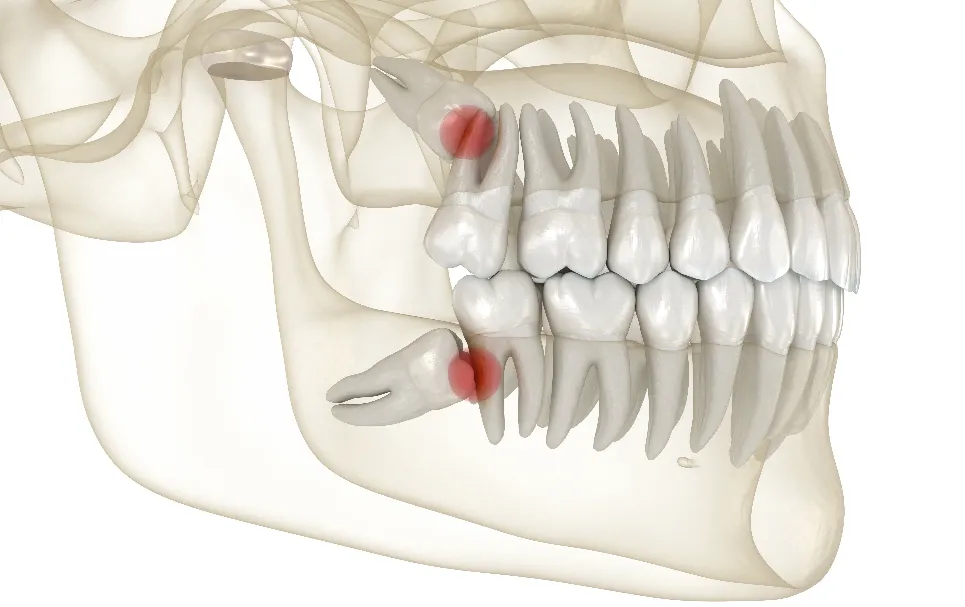
- A wisdom tooth is impacted or repeatedly inflamed
- There is severe pain and swelling that needs urgent relief
Types of tooth extraction in Thailand
- Simple extraction: For teeth that are visible and can be loosened and removed with instruments. Usually done under local anaesthesia and quite quick.
- Surgical extraction: For broken, fractured, or impacted teeth (common with wisdom teeth). The doctor may need to open the gum and remove a bit of bone. Often done under local anaesthesia; some clinics also offer light sedation for anxious patients.
What to expect at the clinic or hospital
Thai dental clinics tend to be friendly and efficient, with clear fees and a calm approach. You can usually book by Line, phone, or website. Walk-in is possible at many places, but it’s better to grab an appointment to avoid a long queue, especially on weekends or public holidays.
Typical flow:
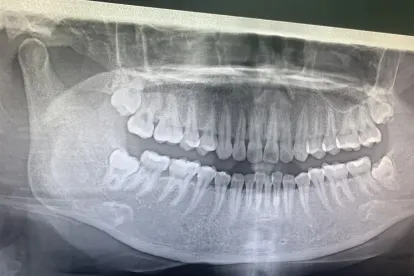
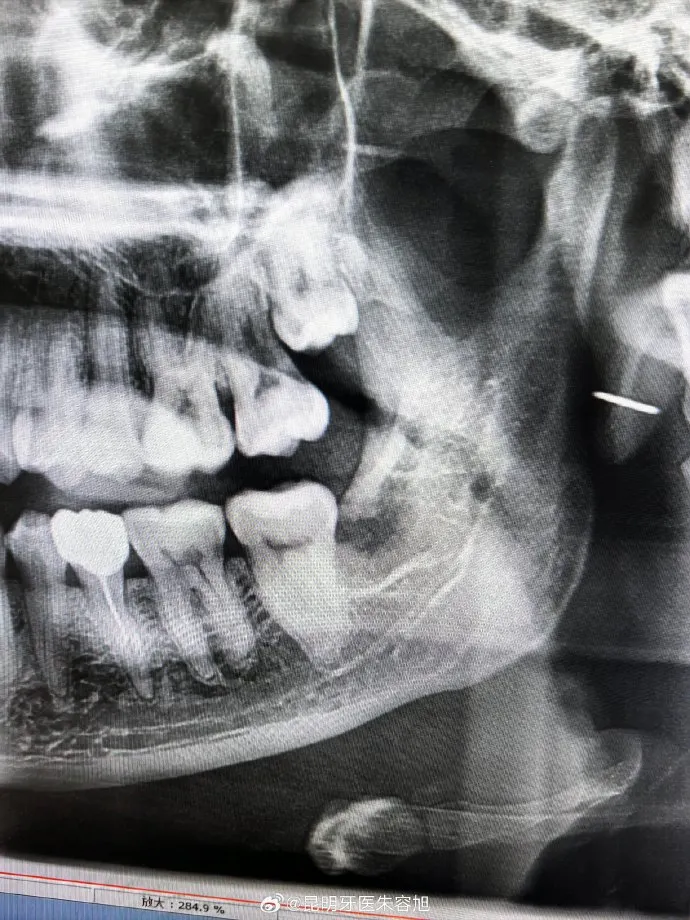
1) Consultation and X-ray: The dentist checks your mouth, takes a periapical or panoramic X-ray, and explains the plan. You can ask about the type of extraction, risks, and cost.
2) Consent and anaesthesia: After you give consent, the doctor numbs the area with local anaesthesia. If you are very nervous, ask about oral sedation or referral for IV sedation (more common in hospital settings).
3) Extraction: For simple cases, you’ll feel pressure but not sharp pain. Surgical cases take a bit longer. If bone is removed or the gum is opened, the doctor may place sutures (stitches)—often absorbable.
4) Haemostasis and instructions: You bite on gauze to stop bleeding. The clinic will give you written aftercare in English and Thai. Many will also dispense painkillers and antibiotics if indicated.
5) Follow-up: Usually 1–2 weeks later if sutures need removal or if the case was complex.
Safety and standards
Reputable clinics in Thailand follow strict sterilisation, with sealed packs, autoclaves, and disposable items where appropriate. Dentists hold a Thai Dental Council license, and many have additional training in oral surgery. Don’t hesitate to ask about credentials or to see the sterilisation area. In Bangkok, areas like Sukhumvit, Silom, and Sathorn have many international-friendly clinics near BTS/MRT, but you’ll also find excellent options in provincial cities.
Pain control and aftercare tips
Good aftercare is the key to a smooth recovery, especially if decay and infection were severe.
- Bite the gauze firmly for 30–60 minutes to stop blee
ding. A little oozing is normal for the first day.
- Rest at home the first 24 hours. Keep your head elevated.
- Use an ice pack outside your cheek on and off for the first 6–8 hours to control swelling.
- Take painkillers as prescribed (commonly ibuprofen or paracetamol). If you’re given antibiotics, complete the full course.
- Avoid hot and spicy food on day one; choose soft, cool options like yoghurt, congee, or mashed potatoes.
- Do not smoke, drink alcohol, or use a straw for at least 48–72 hours; suction can dislodge the blood clot and cause dry socket.
- Start gentle warm salt-water rinses after 24 hours, 2–3 times a day, to keep the area clean.
- Brush gently, avoiding the socket area until it settles.
- If you develop severe or increasing pain after day two, foul smell, fever, or persistent bleeding, contact the clinic for review.
Expected healing timeline
- Day 1–3: Swelling and mild discomfort; manageable with meds and rest.
- Day 4–7: Pain reduces; soft tissue starts to close.
- 2–3 weeks: Gum looks healed.
- 2–3 months: Bone fills in the socket; this matters if you plan an implant.
Costs and payment in Thailand
Fees vary by city, clinic level, and case complexity, but general private clinic ranges are:
- Simple extraction: roughly 800–2,000 baht per tooth
- Surgical/impacted extraction: roughly 2,500–6,000+ baht per tooth
Hospitals or advanced surgical cases can be higher. Many clinics offer package pricing and seasonal promotions. Thai nationals may access services at public hospitals under the universal coverage or social security schemes, though there can be a longer wait. Expats with insurance should check dental benefits and direct billing options.
Choosing the right provider
- Qualifications: Look for a DDS and a Thai Dental Council number; oral surgeons will list specialist training.
- Equipment: On-site X-ray (panoramic), sterile setup, emergency equipment.
- Communication: Clear explanations in English and Thai about options, risks, and aftercare.
- Convenience: Location near BTS/MRT or parking, reasonable waiting time, transparent fees.
- Reviews and referrals: Check recent feedback and ask friends or colleagues. In tourist areas (Phuket, Pattaya, Chiang Mai), many clinics have long experience with international patients.
Alternatives and next steps after removal
If the tooth is still salvageable, root canal treatment with a crown may be suggested instead of extraction. If removal is the best route, discuss how to replace the missing tooth once healing is sufficient:
- Dental implant: Stable and long-lasting; typically placed 2–3 months after extraction, or immediately in select cases. Private clinic fees vary widely depending on brand and bone needs.
- Bridge: Faster option using the adjacent teeth for support.
- Partial denture: Most economical; removable and easy to adjust.
A few local, practical notes
- Bangkok traffic can be heavy; choose a clinic near your office or BTS/MRT to make follow-up easy.
- Plan the extraction when you can take it easy for 1–2 days—don’t schedule right before a flight or a big event.
- For wisdom teeth or surgical cases, it’s common to remove one or two teeth per visit to reduce swelling and downtime.
Severe tooth decay doesn’t have to derail your routine. With Thailand’s well-trained dentists, clear pricing, and smooth aftercare, tooth extraction is a routine procedure that can relieve pain, stop infection, and set you up for a healthier smile. Book a consultation, let the doctor check the X-ray, and follow the aftercare carefully—you’ll be back to normal in no time.