Thailand Tooth Extraction Services With Transparent Treatment Costs
Thailand Tooth Extraction Services With Transparent Treatment Costs
Thailand Tooth Extraction Services With Transparent Treatment Costs
Looking for tooth extraction in Thailand with clear, upfront pricing? Whether you are a local, an expat living in Bangkok, or a traveller who needs urgent care in Chiang Mai, Thailand’s dental clinics are well known for being value for money, fast to schedule, and transparent about what you will pay. With English-speaking staff in many private clinics and a strong culture of “no hidden charge,” it’s quite easy to plan your treatment and your budget.
Types of tooth extraction you’ll find in Thailand
- Simple extraction: For teeth that are visible and not heavily broken down. Usually done with local anaesthesia in a short visit.
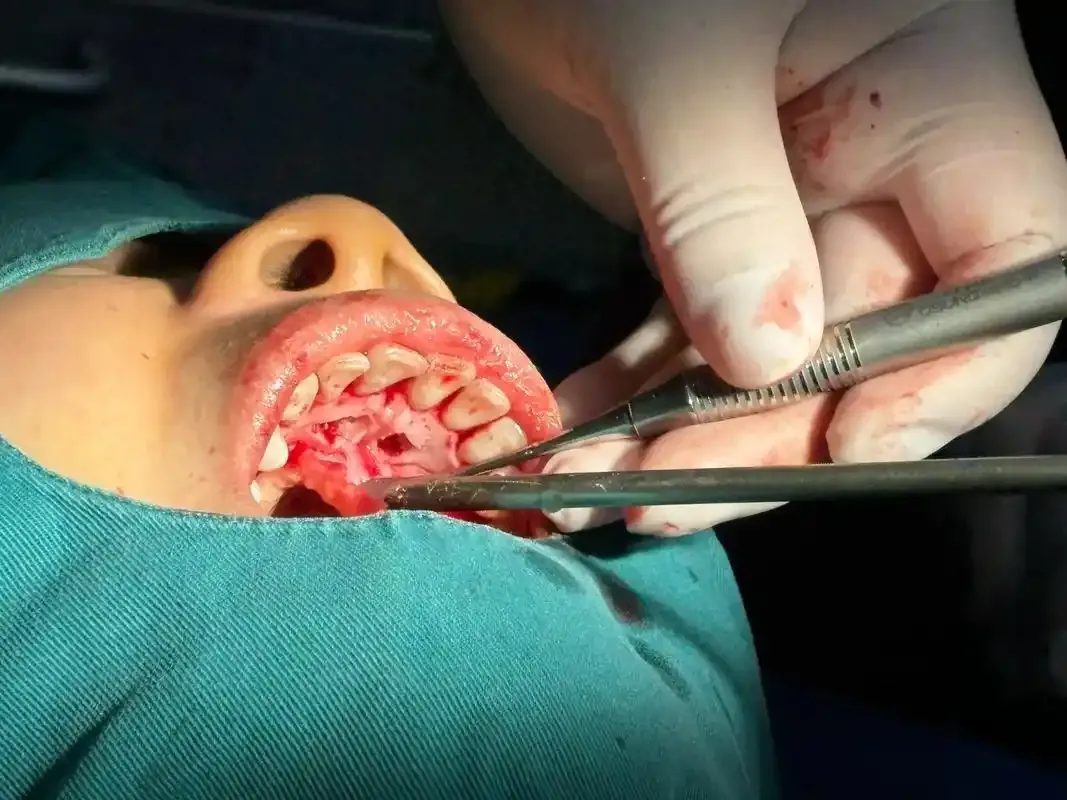
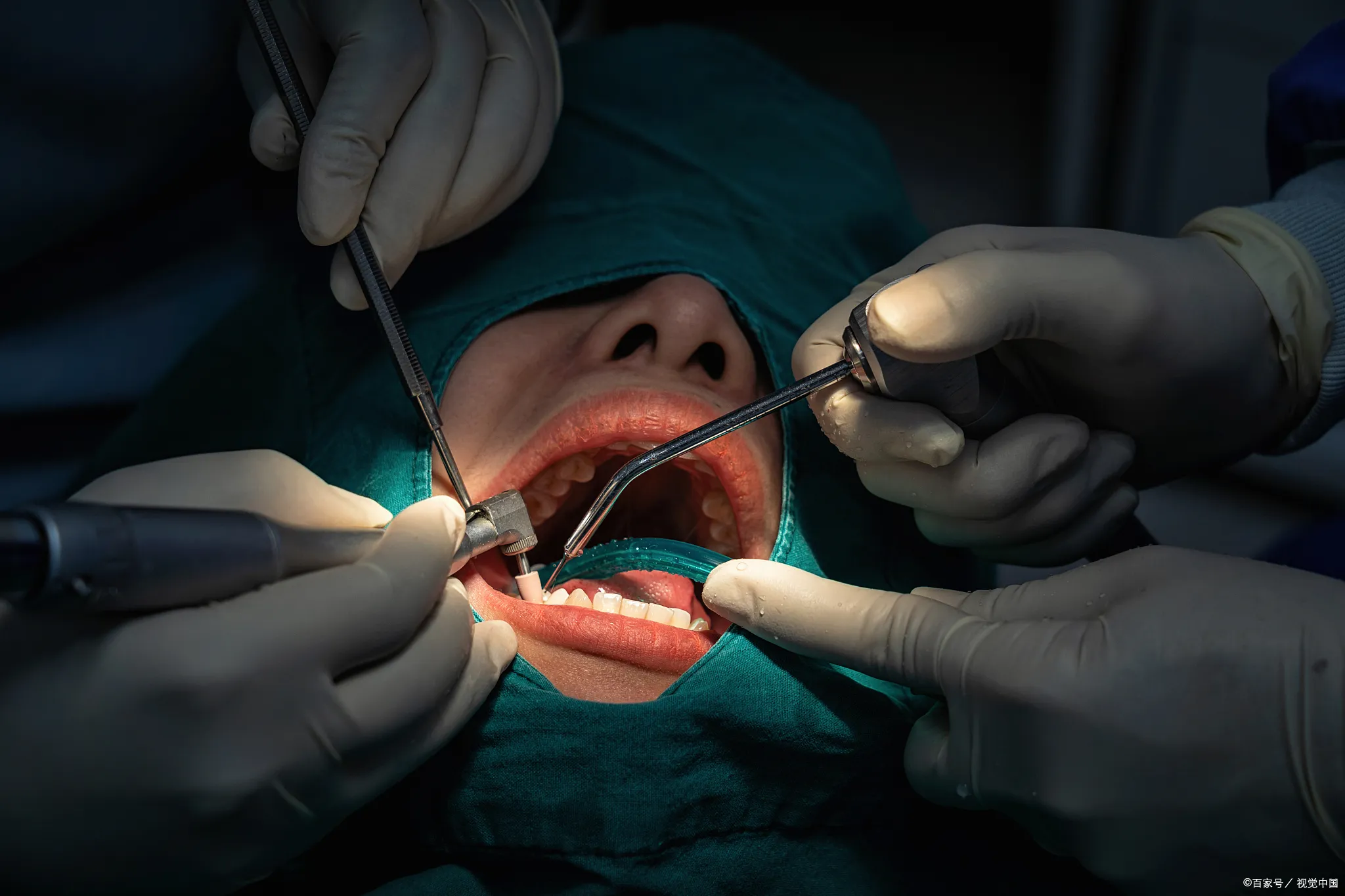
- Surgical extraction: Needed when a tooth is broken at the gum line or has curved roots; involves a small incision and sometimes bone trimming.
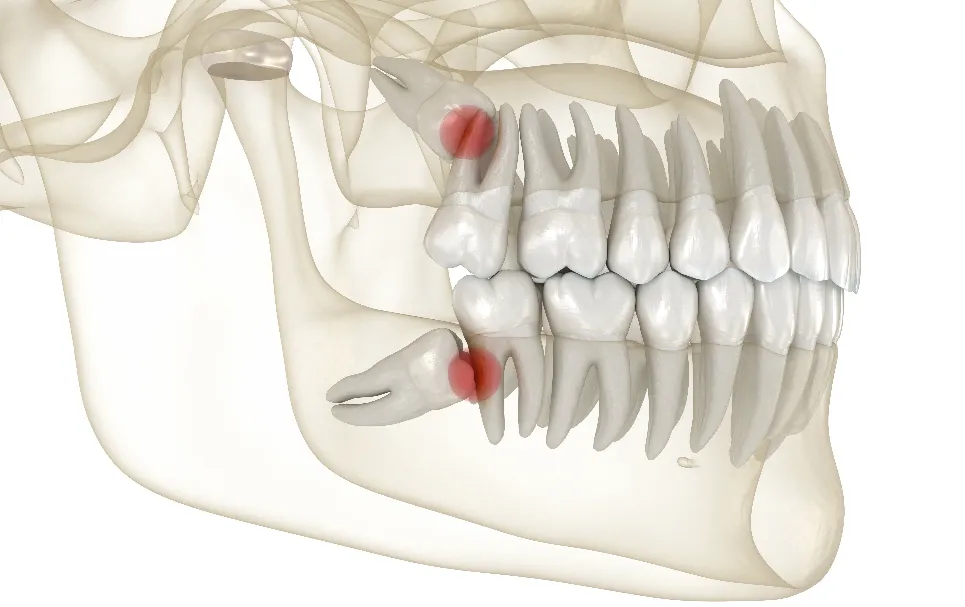
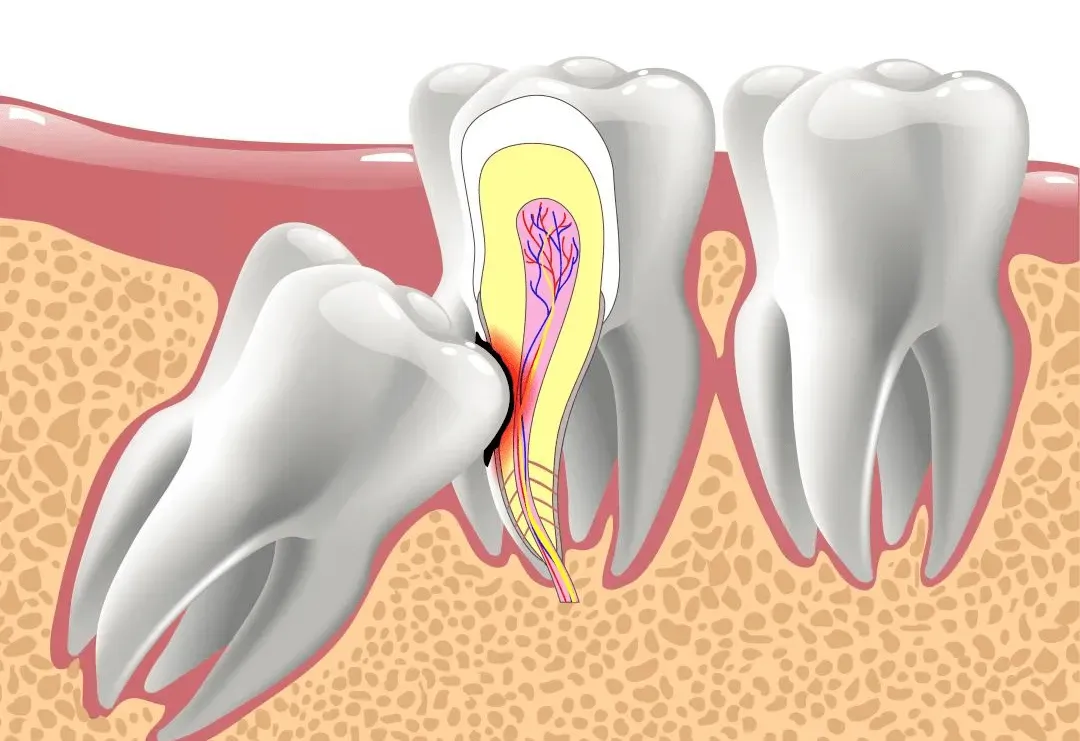
- Wisdom tooth removal: Can be simple or surgical, especially for impacted wisdom teeth. Many clinics have oral surgeons for these cases.
- Emergency extraction: For severe toothache or infection when a root canal or other treatment is not feasible.
Transparent treatment costs: what “clear price” looks like
Most clinics in Thailand share a price list and are happy to give an itemised quotation before you proceed. You can usually request a rough estimate by sending a photo or X-ray via Line Official or email, then get a firm quote after a proper oral exam and X-ray on the day.
As a general guide only (actual fees vary by clinic and city):
- Simple extraction: commonly starts around 800–2,000 baht per tooth in many clinics.
- Surgical extraction (non-wisdom): often from 2,000–5,000 baht depending on complexity.
- Impacted wisdom tooth removal: often ranges from 3,000–8,000+ baht per tooth; complex impactions can be higher in large private hospitals.
Some clinics use package pricing (inclusive) and others itemise line by line. Either way, clear breakdown is normal. Typical items you may see:
- Consultation and oral exam
- X-ray (periapical or panoramic); CBCT only if required
- Local anaesthesia
- Extraction fee (simple or surgical)
- Medication (pain relief, antibiotics if indicated)
- Follow-up and suture removal (if applicable)
Factors that influence the fee
- Complexity: Impacted or curved roots, close proximity to sinus or nerve, or a deeply broken tooth will cost more due to extra time and skill.
- Imaging: Standard X-ray is common; if a 3D CBCT is needed for complex wisdom teeth, there’s an additional charge.
- Specialist level: An oral and maxillofacial surgeon may be recommended for difficult cases.
- Location and facility: Private clinics near BTS/MRT in central Bangkok tend to be higher than upcountry areas; private hospitals are usually higher than standalone clinics.
- Anaesthesia/sedation: Most extractions are done under local anaesthetic. IV sedation or general anaesthesia, if offered, will add to the cost.
Key questions to ask for a transparent, no-surprise bill
- Is the consultation and X-ray included in the price, or charged separately?
- Is the quoted fee per tooth, and is it for simple or surgical extraction?
- Does the price include medication and post-op check or suture removal?
- If the tooth is more complicated than expected, how will the additional fee be calculated?
- If I need a CBCT, how much is it?
- Are there any promotion prices or package rates available?
- What payment methods do you accept (cash, card, QR PromptPay, direct billing to insurer)?
What to expect on the day
1. Bookin
g and check-in: Walk-in is possible at many clinics, but booking is recommended, especially on weekends or public holidays. Bring any previous X-rays if you have.
2. Consultation and imaging: The dentist will examine your tooth and take an X-ray. You’ll receive a clear treatment plan and cost breakdown before signing consent.
3. Anaesthesia and extraction: Local anaesthetic is given; you’ll feel pressure but no sharp pain. Simple cases can take 10–20 minutes; surgical cases may take longer.
4. Post-op care: Gauze is placed to control bleeding. You’ll receive medicine and written instructions in English. If stitches are used, you’ll get an appointment for removal in about 5–7 days.
5. Payment and receipt: Pay at the cashier; receipts are issued for insurance claims. Many clinics accept credit/debit cards and QR.
Aftercare tips commonly advised by Thai dentists
- Bite firmly on gauze for the first 30–60 minutes.
- Avoid hot, spicy food and alcohol on day one. Choose soft foods like congee, yogurt, or soft noodles.
- No smoking and no straw for at least 48–72 hours to reduce the risk of dry socket.
- Apply cold compress on and off for the first 24 hours to reduce swelling; switch to warm compress after 48 hours if needed.
- Start gentle warm salt-water rinses after 24 hours (unless your dentist advises otherwise).
- Take medicine as prescribed. If pain or swelling increases after day two, contact the clinic.
- Seek urgent review if you have heavy bleeding, fever, persistent numbness, or difficulty swallowing.
Choosing the right clinic in Thailand
- Credentials and experience: Look for dentists licensed by the Thai Dental Council; for complicated wisdom teeth, ask if an oral surgeon will handle your case.
- Clear communication: A clinic that explains options, risks, and costs in plain English is a good sign.
- Sterilisation standards: Ask about instrument sterilisation and single-use items. Most reputable clinics follow strict protocols.
- Convenience: Consider location near BTS/MRT (e.g., Sukhumvit, Silom), weekend hours, parking, and whether they can schedule follow-up easily.
- Reviews and word of mouth: Check recent reviews for comments on service mind, waiting time, and transparency.
Public vs private options
- Public hospitals and dental schools provide affordable care with transparent fees, but waiting times can be longer and English support may be limited.
- Private clinics and hospitals in Bangkok, Chiang Mai, Phuket, Pattaya, and Khon Kaen offer faster scheduling, English-speaking staff, and detailed quotations.
Insurance and payment notes
- Many expats and travellers pay first and claim later. Ask for a medical certificate and itemised receipt with the clinic’s tax ID if your insurer requires it.
- Some international insurers have direct billing arrangements with larger hospitals; confirm in advance.
- If you hold employer-provided coverage in Thailand, check if extractions and X-rays are included and whether limits apply.
The bottom line
Tooth extraction in Thailand is straightforward to arrange, and it’s normal for clinics to provide a clear, itemised cost before you say yes. By asking the right questions and confirming what’s included—consultation, X-ray, surgical fee, medicine, and follow-up—you can avoid surprises and focus on a smooth recovery. With skilled dentists, modern facilities, and a strong culture of transparent pricing, Thailand offers reliable tooth removal services that are both professional and friendly to your budget.