Thailand Tooth Extraction Care for Travelers Combining Health and Vacation
Thailand Tooth Extraction Care for Travelers Combining Health and Vacation
Thailand Tooth Extraction Care for Travelers Combining Health and Vacation
If you’re thinking about getting a tooth extraction in Thailand while enjoying a holiday, you’re not alone. Dental tourism here is booming because clinics are modern, dentists are well-trained, and service is sabai-sabai — calm, friendly, and efficient. With smart planning, you can take care of your oral health and still enjoy beach sunsets, temple walks, and good food that’s soft and soothing on a healing mouth.
Why Thailand is a great place for tooth extraction
- High standards: Many Thai dentists trained internationally, and top private clinics follow strict sterilization protocols and use digital X‑rays or CBCT for complex cases. Some hospitals have international accreditation.
- Cost value: Fees are often lower than in Western countries while maintaining quality. You’ll find transparent pricing at reputable clinics in Bangkok, Chiang Mai, Phuket, and Pattaya.
- Easy communication: In popular hubs, dentists and staff speak English. They’re used to travelers and can share clear aftercare instructions.
- Travel convenience: Short flights across Asia, plenty of hotels near clinics, and easy transport via BTS/MRT in Bangkok or Grab ride-hailing nationwide.
Plan your timeline before you fly
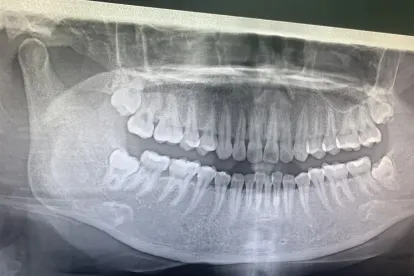
- Send your records ahead: If possible, share recent X‑rays with the clinic for a pre‑assessment so you’re not same same but different when you arrive.
- Allow buffer days: Schedule the extraction early in your trip, then keep the first 48–72 hours lightly planned. Avoid flying immediately after extraction; give yourself at least two days (preferably three) to reduce discomfort and bleeding risk.
- Medications and health: Tell the clinic about allergies, heart conditions, or medications like blood thinners. If you need medical clearance, get it before travel. Bring a list of your medications.
- Insurance and paperwork: Check if your travel or dental insurance covers oral surgery overseas. Keep digital copies of consent forms, prescriptions, and receipts.
Choosing the right clinic and dentist
Look for a licensed oral surgeon or experienced general dentist for straightforward extractions. Review:
- Credentials and years of experience
- Clear treatment plan and pricing
- Sterilization policy and technology
- Anesthesia options (local, IV sedation if indicated)
- English communication and after-hours contact
Big names aren’t the only good option — many smaller clinics offer excellent care — but do your homework. If a deal looks too cheap, mai pen rai is not the right mindset; prioritize safety.
What to expect on extraction day
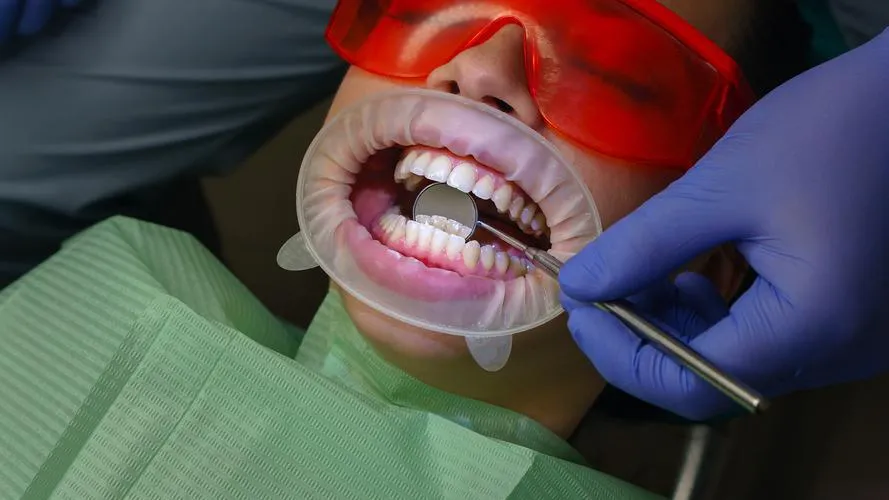
- Consultation: You’ll review X‑rays and sign consent. The dentist will explain the procedure, risks, and aftercare.
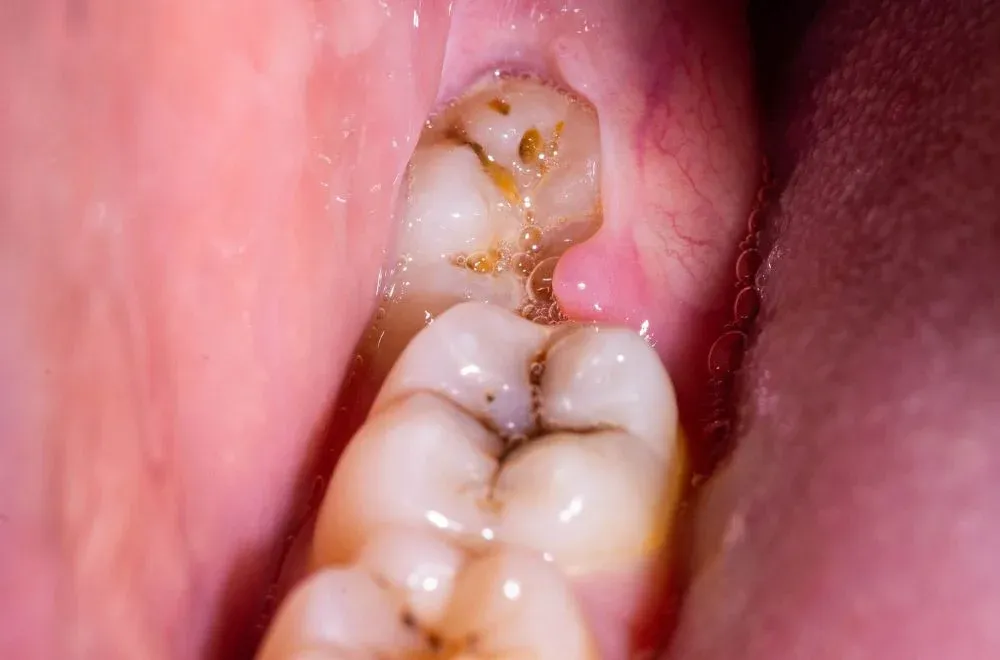
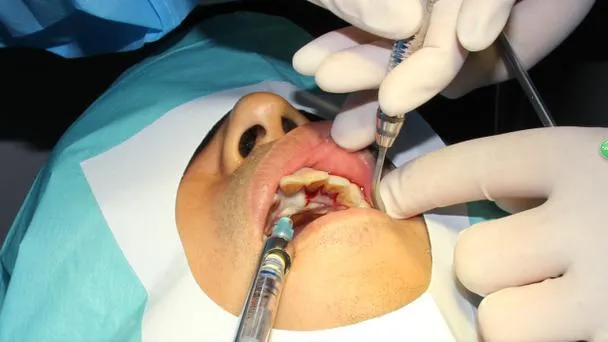
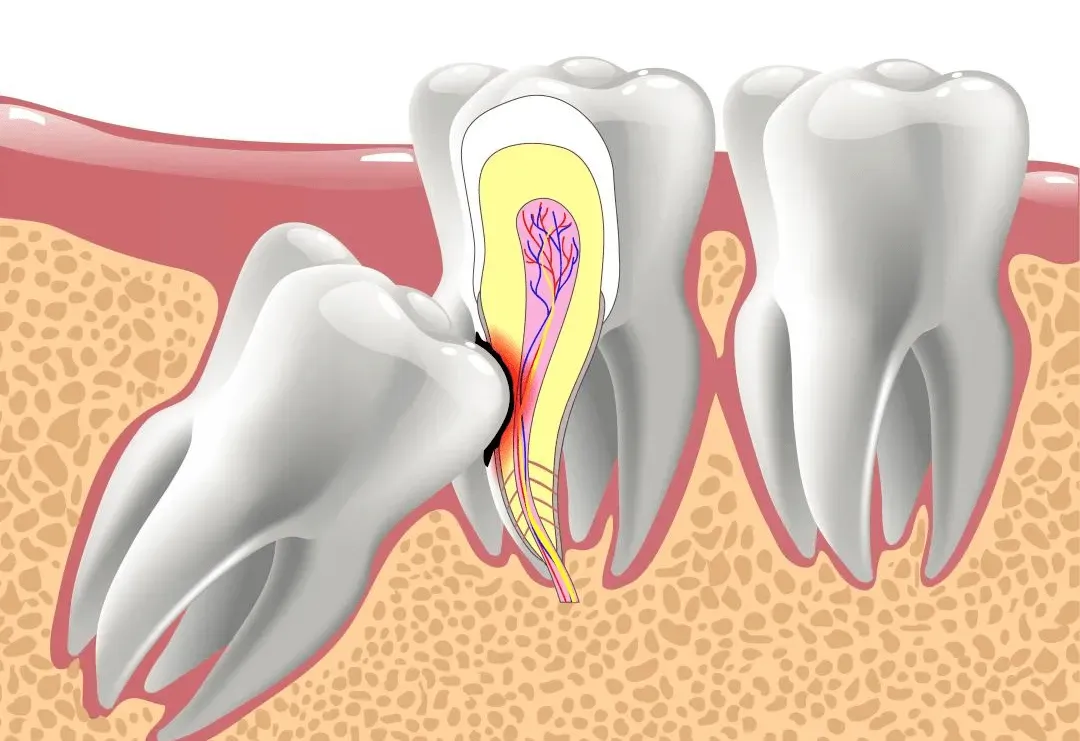
- Anesthesia: Most extractions are done under local anesthesia. Complex wisdom teeth may need surgical removal and stitches (often dissolvable).
- Time: A simple extraction can take 20–40 minutes; surgical cases may take longer.
- Medication: You may be prescribed antibiotics if indicated and pain relief such as ibuprofen or paracetamol. Avoid aspirin as it can increase bleeding.
- Immediate care: Gauze pressure controls bleeding. You’ll get written instructions — keep them handy.
Aftercare tips that fit a Thai holiday
- Rest first: Take it easy for 48 hours. Keep your head elevated when resting. Use an ice pack intermittently for the first day to reduce swelling.
- No spitti
ng or straws: For 24 hours, don’t rinse forcefully, use straws, or smoke; this helps prevent dry socket.
- Gentle rinsing: After 24 hours, rinse gently with warm salt water a few times a day. Use bottled water (easy from 7‑Eleven) if you’re out and about.
- Eat soft, lukewarm foods: Think khao tom (rice porridge), soft-boiled eggs, steamed fish, tofu, ripe bananas, yogurt, and smoothies eaten with a spoon. Fresh coconut water is soothing — just skip straws.
- Avoid for a few days: Hot, spicy, crunchy, or sticky foods. Hold off on tom yum, som tam, crispy pork, sticky rice, and very hot curry until you’re comfortable. No alcohol for at least 48–72 hours.
- Keep the mouth clean: Brush teeth gently, avoiding the surgical site on day one. Resume careful brushing around day two while being mindful of stitches.
Pain management and pharmacies
Thailand is convenient: you’ll find Boots, Watsons, and 7‑Eleven on most sois. Stick to the medicines your dentist recommends. Paracetamol (acetaminophen) and ibuprofen are widely available; avoid aspirin. If you’re unsure, show your prescription to the pharmacist. If pain worsens after day three, contact your clinic.
Enjoying the trip without slowing healing
- Light activities: Choose relaxed sightseeing like temple visits with minimal stairs, night markets for a gentle stroll, or a sunset cruise. If you go to the beach, chill in the shade and avoid swimming (pool or sea) for three to five days to prevent contamination of the surgical site.
- Spa with care: A foot massage is okay and very sanuk; avoid facial massages or steam rooms for a few days.
- Hydrate and stay cool: Thailand can be hot. Sip water regularly, but again, no straws at first.
Travel logistics around your surgery
- Flights: Give yourself at least 48–72 hours before flying after extraction, especially for surgical wisdom teeth. Cabin pressure and dry air can be uncomfortable.
- Transport: Use BTS/MRT or Grab to avoid long, bumpy rides right after treatment. If you must travel far by bus or boat, schedule it after the initial recovery.
- Follow-up: Some cases need a check-up in 5–7 days. Plan to still be in town or arrange a virtual follow-up if appropriate.
Red flags — see the dentist asap
- Bleeding that doesn’t slow after several hours of pressure
- Fever, increasing swelling after day three, or foul taste/odor
- Severe pain that peaks on days two to four (possible dry socket)
- Numbness that doesn’t improve or difficulty opening your mouth
Costs and payment notes
Prices vary by tooth type and complexity. Simple extractions cost less than surgical wisdom tooth removal. Expect transparent quotes at reputable clinics. Most accept credit cards and provide detailed receipts for insurance claims. Ask about fees for X‑rays, sedation, and follow-up.
Cultural tips that make things smoother
A smile goes a long way. Greet with “Sawasdee krub/ka,” and say “khob khun krub/ka” to thank staff. Many clinics ask you to remove shoes at the door. Being polite and patient is very Thai — and you’ll feel the kindness in return.
The bottom line
Combining a tooth extraction with a Thai holiday can be comfortable, safe, and good value when you plan smartly. Choose a reputable clinic, allow recovery days, eat soft local favorites, and keep activities gentle at first. With a little sabai-sabai attitude, you’ll return home healthier, well-rested, and with stories that are anything but same same.