Thailand Tooth Extraction Services for Safe Tooth Removal Abroad
Thailand Tooth Extraction Services for Safe Tooth Removal Abroad
Thailand Tooth Extraction Services for Safe Tooth Removal Abroad
Thinking about getting a tooth removed in Thailand? Many travellers and expats choose Thailand for dental care because the clinics are modern, the dentists are skilled, and the prices are easy on the wallet. If you need a simple tooth extraction or a surgical wisdom tooth removal, you’ll find service-minded teams, clear communication in English, and safety protocols that meet international standards. Here’s what to expect and how to plan a safe, comfortable experience.
Why Thailand is a solid choice
Thailand’s dental sector is well-regulated, and many dentists hold international training or postgraduate degrees in oral surgery. Clinics in Bangkok, Chiang Mai, Phuket, and Pattaya commonly use digital X-rays, 3D CBCT scans, and hospital-grade sterilisation. You’ll see autoclave logs, individually sealed instruments, and single-use disposables. Look for a clinic that openly lists dentists’ license numbers registered with the Dental Council of Thailand and displays treatment fees upfront. Most city clinics also offer English-speaking coordinators, so you won’t have to guess what’s going on or agree to anything you don’t understand.
Types of tooth extraction offered
- Simple extraction: For loose or erupted teeth. Usually quick, done under local anaesthesia, and often finished within 20–40 minutes.
- Surgical extraction: For broken teeth or impacted wisdom teeth. May require a small incision and bone removal. Typically 45–90 minutes, with stitches that may dissolve on their own.
- Sedation options: Many clinics provide nitrous oxide or IV sedation with an anaesthetist for anxious patients. You’ll need to fast and have an escort for the ride back to your hotel if you choose this option.
Who needs an extraction?
Common reasons include tooth decay beyond saving, cracked roots, severe gum disease, or wisdom teeth causing pain, swelling, or crowding. If you’re doing orthodontic treatment abroad, your specialist may refer you for premolar extractions in Thailand, which local clinics can coordinate easily.
Safety and hygiene you can expect
Reputable Thai clinics follow strict infection control: PPE for the dental team, pre-procedure mouth rinse, sterilised instruments, and properly ventilated rooms. You’ll complete a medical history form to note any allergies, heart conditions, or medications like blood thinners. If you need antibiotics, they’ll prescribe only when indicated. Consent forms are provided in English and explained clearly—no rush, no pressure.
Transparent costs and payment
Prices vary by city and case complexity, but typical ballpark figures are:
- Simple extraction: around THB 1,000–3,000 per tooth
- Surgical or impacted wisdom tooth: around THB 4,000–12,000 per tooth, sometimes higher for deeply impacted cases
- Sedation (optional): from THB 8,000–20,000 depending on method and duration
Most clinics accept cash, major cards, and QR PromptPay. You’ll get an itemised receipt; if you plan to claim travel insurance, ask for a medical certificate and radiographs. Thailand has a “no hidden fees” culture in reputable dental hubs—ask for a full quote before treatment and you’ll be fine.
Where to go in Thailand
- Bangkok: Huge choice around Sukhumvit, Silom, and Sathorn, near BTS/MRT stations. Extended hours and weekend slots are common.
- Chiang Mai: Calm vibe, clinics around Nimmanhaemin and the Old City, popular with d
igital nomads and retirees.
- Phuket: Good for combining treatment with a beach break; clinics in Patong, Kata, and near Phuket Town. Avoid diving for at least a week after surgical extraction.
- Pattaya: Convenient for quick trips from Bangkok, with many international clinics along Second Road and around Jomtien.
How to book and prepare
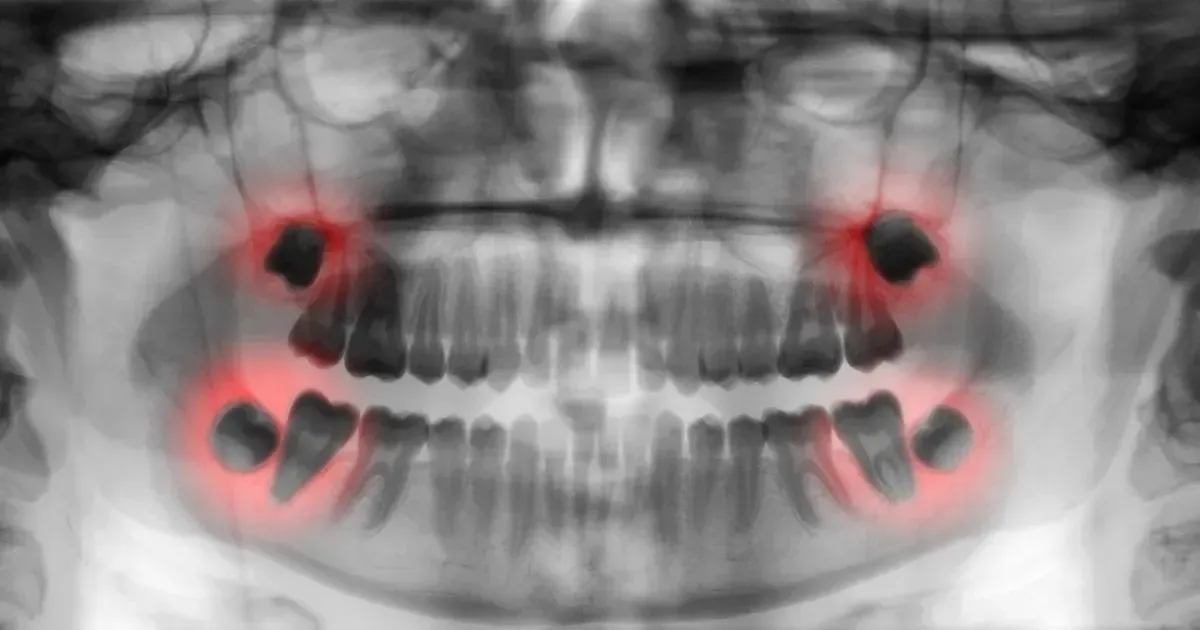
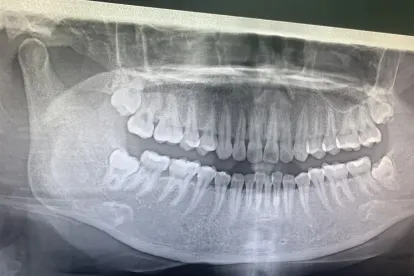
Booking is easy—most clinics confirm appointments via email, Line, or WhatsApp. If you have recent X-rays, send them ahead. For complex wisdom teeth, the dentist may request a panoramic X-ray or CBCT scan on the day. Eat a light meal before a local anaesthetic appointment (unless you’re doing IV sedation). Wear comfortable clothes, arrive a bit early, and bring your passport for registration.
What happens on the day
The dentist will review your X-rays, explain the plan, and numb the area thoroughly. They’ll test the numbness so you only feel pressure, not pain. For a surgical case, a small incision is made, the tooth is sectioned if needed, and the site is cleaned before placing stitches. You’ll bite on gauze to control bleeding, and the team will go over medication and aftercare before you leave. Total clinic time is often 45–90 minutes for simple cases and 1.5–2 hours for surgical cases.
Aftercare that actually works
- Bite on the gauze for 30–60 minutes; change it if needed.
- Ice packs on the cheek, 10 minutes on and off, for the first 24 hours.
- Keep your head elevated when resting to reduce swelling.
- Avoid spitting, rinsing vigorously, and using straws for 24 hours—this helps prevent dry socket.
- Take prescribed pain relief as directed. Many patients do well with ibuprofen, unless contraindicated.
- Start gentle saltwater rinses from the second day.
- Choose soft foods: khao tom (rice porridge), soups at room temperature, yogurt, mashed potatoes, smoothies without a straw. Skip very hot, spicy, or crunchy foods for a few days.
- No smoking or alcohol while healing.
- Plan a quick follow-up in 3–7 days if you have stitches or a surgical site.
Travel planning tips
If your main goal is extraction, allow a buffer in your itinerary. For simple extractions, a 1–2 day window is usually fine; for surgical wisdom teeth, give yourself 3–7 days for swelling to settle and for any review visit. Avoid intense activities for a few days—no Muay Thai sparring, high-altitude treks, or scuba diving straight after surgery. Flying is generally okay with your dentist’s approval, but it’s more comfortable once the initial swelling settles.
When to call the clinic
Reach out if you have severe pain that worsens after day three, persistent bleeding, fever, or a bad taste and smell from the socket. Most clinics respond quickly and can fit you in for a check. Many have a 24-hour hotline or are reachable on Line for quick advice.
How to pick the right clinic
- Check dentist profiles and the clinic’s sterilisation protocol on their website.
- Look for clear, fixed pricing and written treatment plans.
- Read recent reviews from international patients.
- Confirm language support and operating hours that suit your schedule.
- Ask about emergency slots in case your travel dates change.
With a bit of planning, Thailand tooth extraction services make safe tooth removal abroad straightforward and stress-free. You’ll find friendly teams, high standards, and fair prices—so you can sort out your smile and get back to enjoying your time in the Land of Smiles with peace of mind.