Thailand Tooth Extraction Clinics Providing Personalized Dental Care
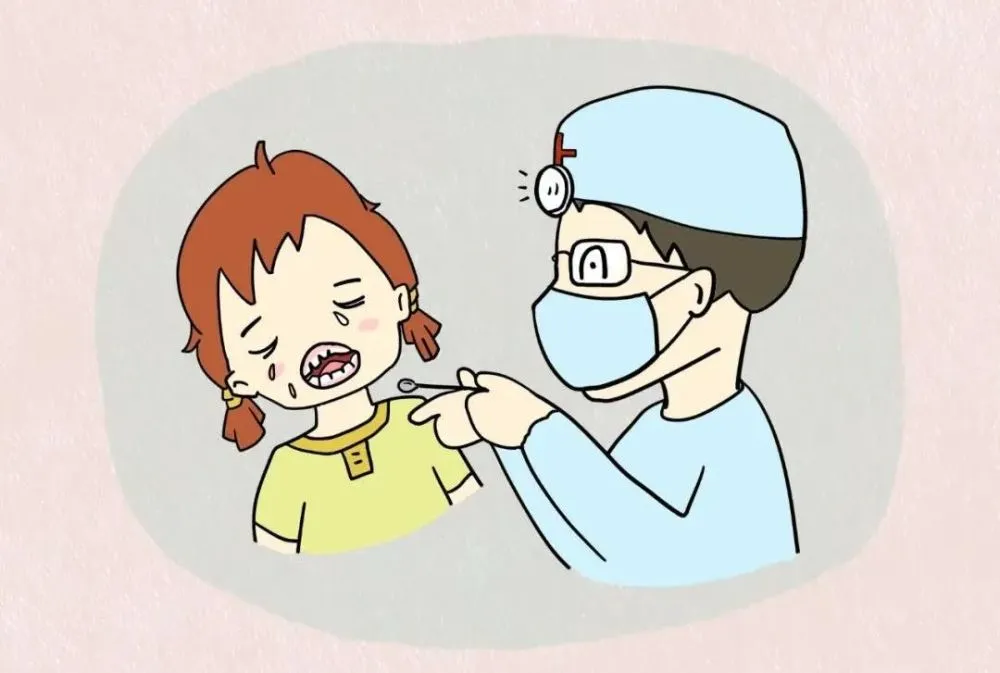
Thailand Tooth Extraction Clinics Providing Personalized Dental Care
Thailand Tooth Extraction Clinics Providing Personalized Dental Care
Sawasdee and welcome to Thailand’s warm approach to dentistry. If you’re considering a tooth extraction in Thailand—whether you live here long-term or you’re visiting on holiday—you’ll find clinics that blend clinical precision with genuine, personalised care. From Bangkok to Chiang Mai and Phuket, dentists here understand that every patient is different. They take time to explain options, manage comfort, and tailor follow-up so you can get back to your routine fast and with confidence.
What personalised dental care looks like in Thailand
Thai dental culture puts people first. You’ll often hear staff call you khun with respect, offer a glass of water, and make sure you feel at ease before any procedure begins. Most tooth extraction clinics focus on:
- Clear communication in English and Thai, with simple explanations and visual X-rays so you understand what’s happening.
- Options for pain control, from gentle local anaesthesia to IV sedation with an oral surgeon for impacted wisdom teeth.
- Flexible scheduling, including same-day appointments for emergencies and late evenings near BTS/MRT stations.
- Aftercare that’s easy to follow, with written instructions, take-home meds, and a Line chat or phone follow-up to check healing.
Common reasons for tooth extraction
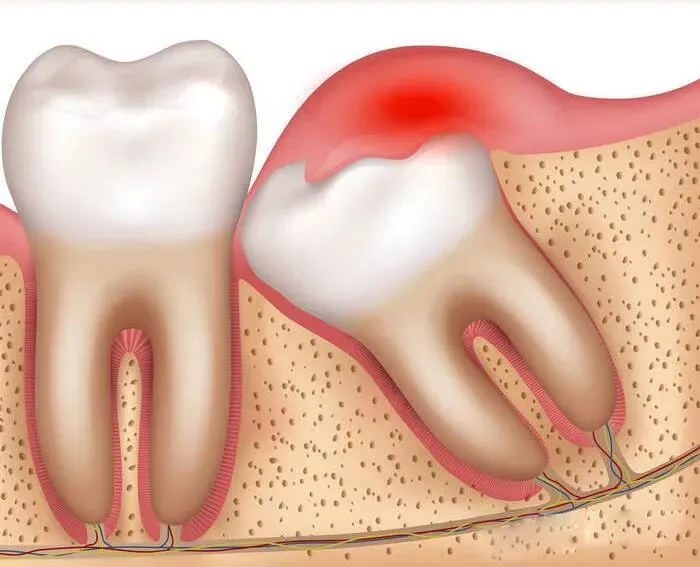
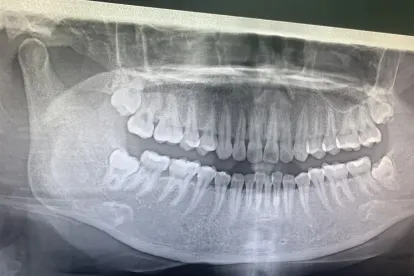
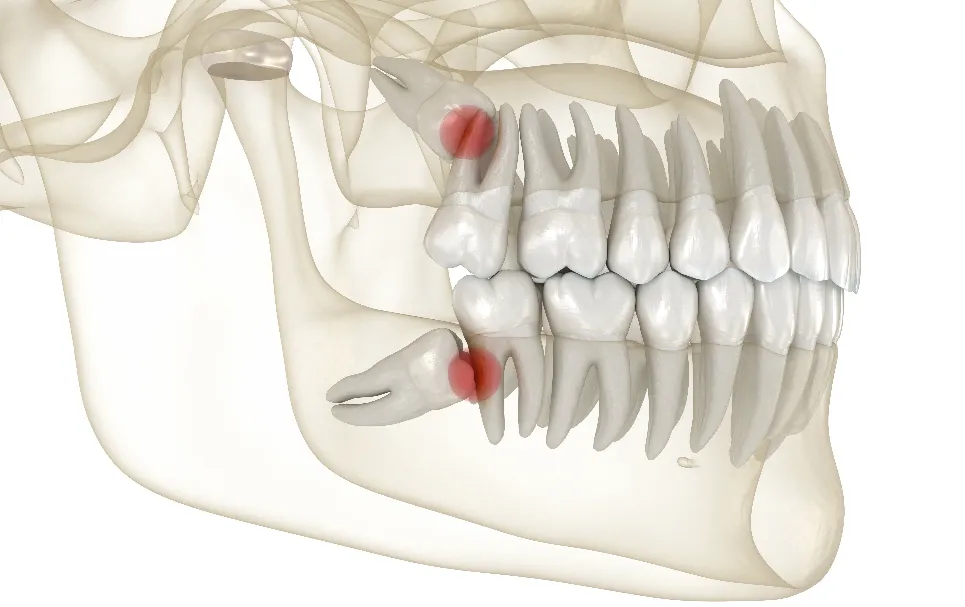
Thai dentists won’t rush to remove a tooth. Typically, they first discuss alternatives like root canal treatment or periodontal therapy if the tooth can still be saved. Extraction is recommended when the tooth is severely decayed or cracked, causing repeated infection, crowding before orthodontics, or when wisdom teeth are impacted and painful. In many clinics, a panoramic X-ray or CBCT scan helps the dentist plan safely before any removal.
Simple vs surgical extraction
- Simple extraction: For a loose or visible tooth, the dentist numbs the area and gently removes it. Many patients say it’s over faster than expected.
- Surgical extraction: For broken roots or impacted wisdom teeth, an oral surgeon may make a small incision, possibly section the tooth, and ensure all fragments are cleared. Stitches may be placed and removed after a week if not dissolvable.
Personalised comfort and pain management
No worries if you’re anxious—Thai clinics are very accommodating. Your dentist will ask about your pain threshold and medical history, and tailor the plan. You can opt for:
- Local anaesthesia only (most cases)
- Sedation for complex wisdom teeth or high anxiety
- Nitrous oxide in some clinics
They’ll also adjust technique if you have dental phobia, a strong gag reflex, or previous difficult experiences.
Hygiene and safety standards
Clinics in Thailand follow strict sterilisation protocols: sealed instruments, autoclave, PPE, and clean, air-conditioned treatment rooms. Larger hospital dental centres may hold international accreditation and have on-site oral surgeons and anaesthesiologists. You can ask to see the clinic’s sterilisation area or certificates from the Dental Council of Thailand for extra peace of mind.
Pricing and transparency
One reason many people choose Thailand for dental care is clear pricing. During consultation, you’ll get a treatment plan with itemised fees before anything starts. Typical ranges (subject to case complexity and location):
- Consultation and X-ray: 300–1,200 baht
- Simple extraction: 1,200–2,500 baht
- Surgical/wisdom tooth extraction: 3,500–8,000+ baht per tooth
- Sedation (if needed): additional fee based on duration
Most cli
nics accept cash, debit/credit, and some offer direct billing for certain international insurers. If you have travel insurance, check if dental emergencies are covered.
What to expect on the day
1) Registration and X-ray: Bring your passport or Thai ID and any medical list. Many clinics have digital X-ray onsite, so it’s quick.
2) Treatment discussion: The dentist explains the plan and answers questions about pain, healing time, and any risks like dry socket.
3) Extraction: Numbing gel first, then anaesthetic injection. You’ll feel pressure, not sharp pain. The dentist will talk you through each step.
4) Aftercare: Gauze placement, bite to stop bleeding, and a review of instructions. You’ll likely receive pain medication and, if needed, antibiotics.
Aftercare that fits Thai lifestyles
For the first 24 hours, avoid vigorous rinsing, hot drinks, alcohol, and smoking. Eat soft, non-spicy foods to protect the clot. In Thailand, many dentists suggest easy local options like jok (rice porridge), soft tofu, ripe banana, yogurt, or clear broth. Skip sticky rice and spicy som tam on the extraction side for a few days to minimise irritation and food trapping. Use a cold compress outside the cheek for swelling and sleep with your head slightly elevated the first night. If you notice severe pain after two to three days, call the clinic to rule out dry socket—they will bring you in promptly and manage it.
Convenience for expats and travellers
English-speaking dentists are common in Bangkok, Chiang Mai, and Phuket, and many clinics sit near popular BTS/MRT stops or tourist areas—think Sukhumvit, Silom, Nimman, or Patong. You can book via phone, website, Facebook, or Line. Walk-in is okay at some clinics, but for wisdom teeth it’s better to book ahead. If you’re on a tight travel schedule, let the clinic know; they’ll plan extraction and review follow-ups to match your flights.
Choosing the right clinic
- Check Google reviews for consistent feedback on comfort, cleanliness, and clear communication.
- Confirm the dentist’s qualifications and Dental Council registration; for complex cases, ask for an oral surgeon.
- Ask about X-ray capability, sedation options if you’re nervous, and whether emergency line support is available after-hours.
- Compare quotes, but also consider experience with international patients and the clinic’s infection control protocols.
Locations and access
- Bangkok: Many clinics near BTS Asok, Thonglor, and Siam offer late hours and weekend slots.
- Chiang Mai: Friendly, community-focused clinics around Nimman and the Old City, with fair pricing and relaxed vibes.
- Phuket: Tourist-ready practices in Patong and Phuket Town, with quick turnaround for travellers.
A holistic approach to dental decisions
Good Thai dentists will not push extraction if a tooth can be saved. Expect a discussion about pros and cons of keeping the tooth with root canal and crown versus removing it and planning for an implant or bridge later. The point is to help you choose what fits your budget, timeline, and long-term oral health.
Final word
Thailand tooth extraction clinics are known for precise technique, fair prices, and that signature Thai hospitality. With personalised dental care—from anxiety-friendly consultations to practical aftercare—you can expect a smooth, safe experience and a quick return to normal. If you’re ready to book, reach out via Line or phone, share your X-rays if you have them, and let the clinic tailor the plan to you. In Thailand, the smile starts long before the procedure.