Thailand Tooth Extraction Treatment for Infected Teeth Abroad

Thailand Tooth Extraction Treatment for Infected Teeth Abroad
Thailand Tooth Extraction Treatment for Infected Teeth Abroad
If you’re travelling or living abroad and an infected tooth starts acting up, Thailand is one of the most reliable and cost-effective places to get it treated. Whether you’re in Bangkok for business, chilling in Chiang Mai, or island-hopping around Phuket, you’ll find modern dental clinics, English-speaking dentists, and clear pricing. Many international visitors choose Thailand for tooth extraction and related care because it’s fast to arrange, gentle on the wallet, and performed under global-standard infection control.
When an extraction is the right call
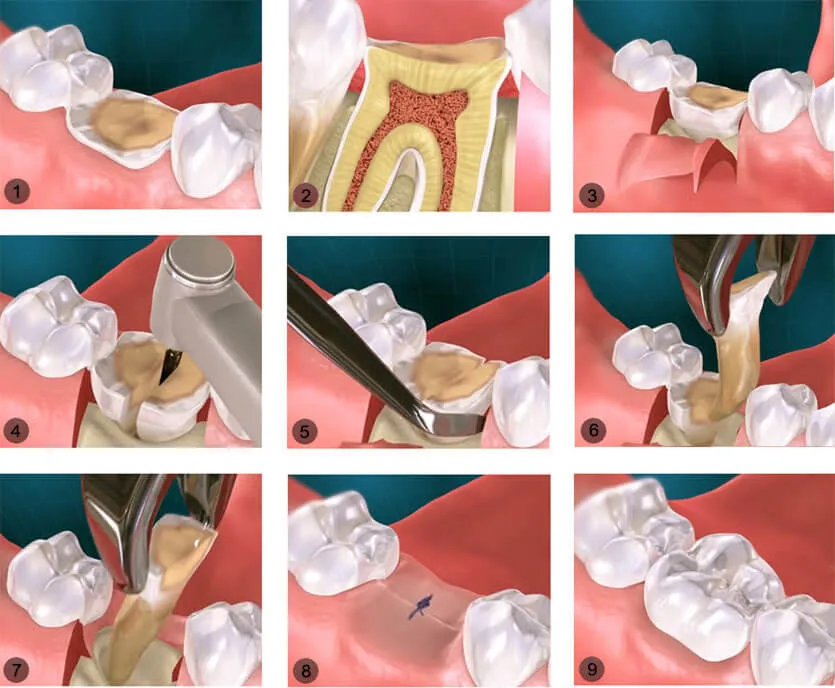
Not every infected tooth needs to come out. In many cases, a root canal can save the tooth. However, extraction is recommended when:
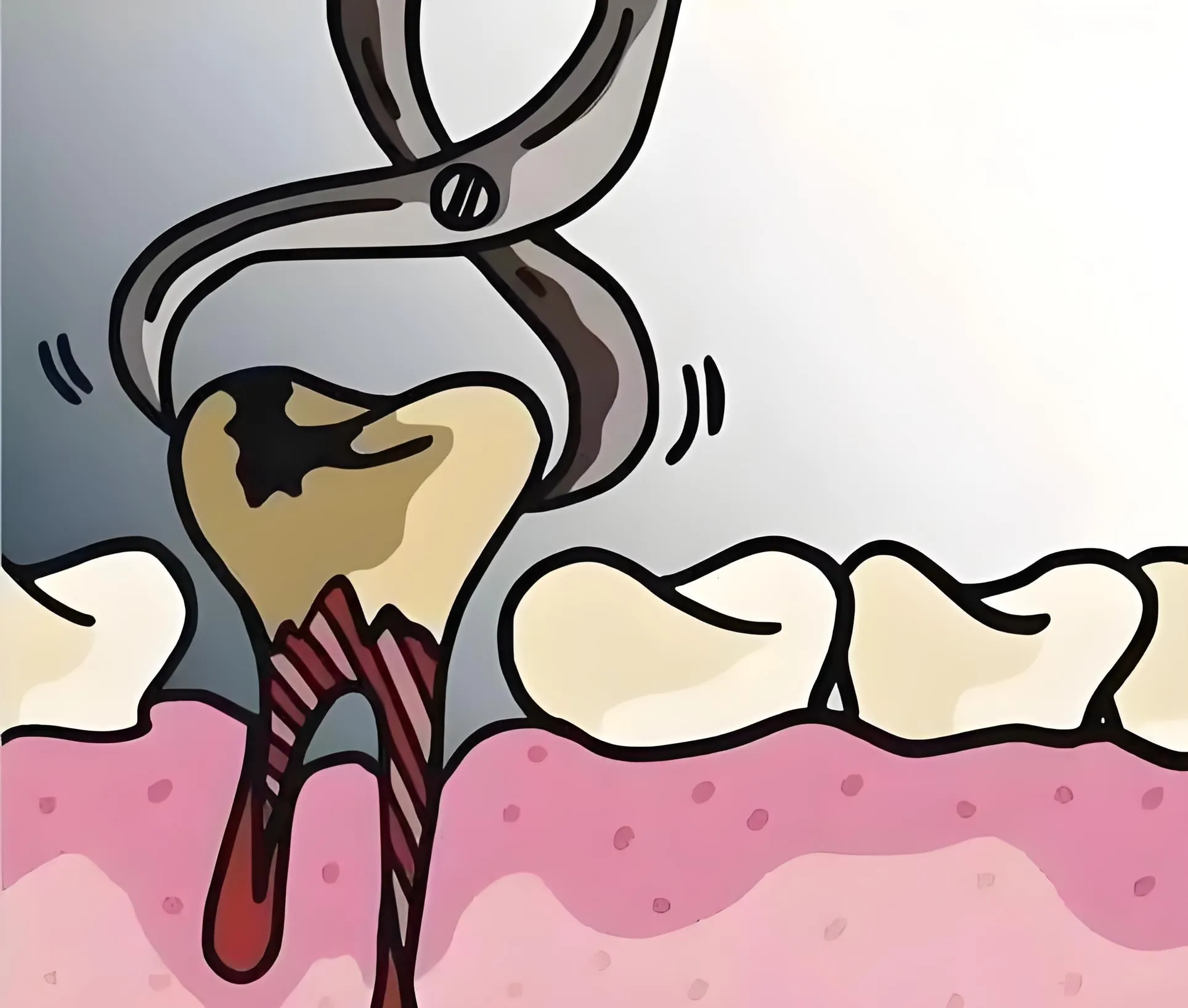
- The tooth is severely decayed or fractured beyond repair
- There’s a large abscess and bone loss
- Wisdom teeth are impacted or repeatedly inflamed
- The infection keeps returning despite previous treatment
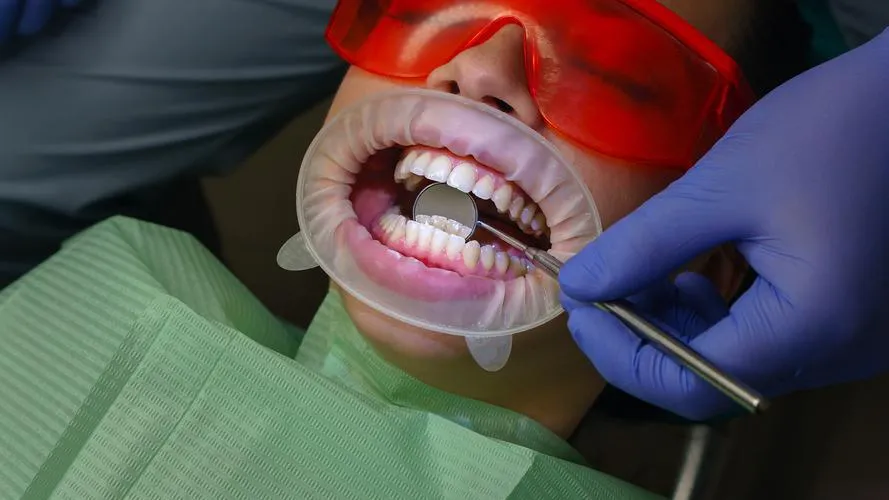
A Thai dentist will typically assess with a clinical exam and an X-ray (sometimes a CBCT scan for complex wisdom teeth). You’ll get a straightforward explanation and a treatment plan. If you’re in pain, clinics often prioritise you, so the queue moves faster for urgent cases.
What to expect at the clinic
Most Thai dental clinics are located in shopping malls, medical buildings, or easily accessible sois near the BTS/MRT in major cities. Walk-ins are common, but for peace of mind, book a consult online or by Line in advance. At your first visit, the team will:
- Take your medical history (mention allergies, heart conditions, or blood thinners)
- Do an X-ray and discuss options (extraction vs. root canal vs. incision and drainage)
- Explain the fees in baht before any treatment
- Get your consent and confirm anaesthetic preferences
Local anaesthesia is standard and very effective. For anxious patients or complex surgical extractions, some dental hospitals offer IV sedation under an anaesthesiologist. If there’s a spreading infection or fever, the dentist may start antibiotics first and schedule the extraction within a day or two once swelling is controlled.
Safety and standards
Thai dentists are well-trained and licensed under the Thai Dental Council. Many clinics follow strict sterilisation protocols and use single-use disposables. Larger dental hospitals and international clinics often carry international accreditations and have multilingual staff. If you prefer hospital-based care (especially for surgical wisdom tooth removal), Bangkok and Phuket have reputable options. Don’t be shy to ask about sterilisation, imaging, and sedation services; clinics are very open and transparent.
Costs to expect
Prices vary by city and complexity, but typical ranges are:
- Simple extraction: around 1,500–3,500 THB
- Surgical or impacted wisdom tooth: around 5,000–12,000 THB per tooth
- X-ray: around 200–800 THB
- Consultation: often complimentary or under 500 THB
These are ballpark figures; clinics will quote you clearly before treatment. Credit cards are widely accepted, and you can request a detailed receipt for travel insurance claims.
Pain relief and infection control
For most patients, local anaesthetic makes the procedure painless; you’ll feel pressure but no sharp pain. After the extraction, mild to moderate discomfort is normal for one to three days. Your dentist will advise suitable pain relief and, if needed, prescribe an
tibiotics and anti-inflammatory medicines. Take them exactly as directed and complete the course. If you have allergies or are on medication like warfarin, always inform the clinic upfront so they can adjust your care safely.
Aftercare tips while in Thailand
Good aftercare is essential to avoid complications like dry socket:
- Bite gently on the gauze for the first hour to stop bleeding.
- Avoid smoking, alcohol, and using a straw for at least 48–72 hours.
- Keep the area clean but don’t rinse vigorously on day one. From day two, use gentle warm salt-water rinses.
- Go easy on food for the first 24 hours. Choose soft, non-spicy options like congee, steamed eggs, yoghurt, or soft fruits. Thai cuisine can be very spicy; best to hold the som tam and sticky rice until your dentist says ok.
- Sleep with your head slightly elevated the first night.
- If you’re beach-bound, skip diving or high-impact activities for a few days.
Flying after extraction
If you’re planning a flight, ask your dentist for personalised advice. As a general guide, short flights are usually fine 24–48 hours after a simple extraction if bleeding has stopped and pain is controlled. For surgical wisdom tooth removal, give yourself a bit more time. Pressure changes, dehydration, and long journeys can increase discomfort, so plan to rest and stay hydrated.
How to choose the right clinic
- Location and access: Being near your hotel or the BTS/MRT is convenient for follow-ups.
- Services offered: Check if they do same-day extractions, surgical wisdom teeth, or sedation if you think you’ll need it.
- Communication: Look for clinics with English-speaking staff and clear treatment plans.
- Reviews and credentials: Read recent reviews and check the dentist’s experience, especially for complex extractions.
- Availability: Thailand has public holidays like Songkran when some clinics close; confirm hours and arrange an appointment ahead of time.
Emergency situations
If you have severe swelling, fever, difficulty swallowing, or facial spreading infection, don’t wait. Head to an emergency department of a hospital with a dental unit or an on-call maxillofacial surgeon. Infections can spread quickly, and timely drainage and antibiotics are important.
Root canal vs. extraction
Many travellers ask if they should save the tooth or remove it. If you can access a proper root canal and crown within your travel schedule, saving the tooth is often the better long-term solution. However, if the tooth is cracked, has poor bone support, or repeated infections, extraction may be the safer choice. A Thai dentist will explain pros and cons, including future options like implants or bridges, and you can decide based on timing, budget, and oral health goals.
Insurance and paperwork
Bring your passport, travel insurance details, and any previous dental records or X-rays if you have them. Many clinics will help with documentation for claims. If you need a medical certificate to adjust travel plans, just ask.
A smooth, no-stress experience
Dental treatment abroad shouldn’t be a headache. In Thailand, you’ll find friendly teams, modern equipment, and transparent fees. Book a consult, get a clear diagnosis, and follow the aftercare—no worries. With proper planning, you can sort out an infected tooth quickly and safely, then get back to enjoying your trip, be it street food in Bangkok, a temple stroll in Chiang Mai, or sunsets in Phuket.