Thailand Tooth Extraction Treatment for Tooth Infection Management
Thailand Tooth Extraction Treatment for Tooth Infection Management
Thailand Tooth Extraction Treatment for Tooth Infection Management
Tooth infections can turn a normal day into a real headache. In Thailand, dentists handle these cases every day with efficient, patient-friendly care. Whether you live in Bangkok or you’re visiting Chiang Mai, Phuket, or Pattaya, getting a troublesome tooth removed is straightforward, reasonably priced, and done to international standards. Here’s how tooth extraction in Thailand fits into proper tooth infection management, and what you can expect from start to finish.
What causes a tooth infection?
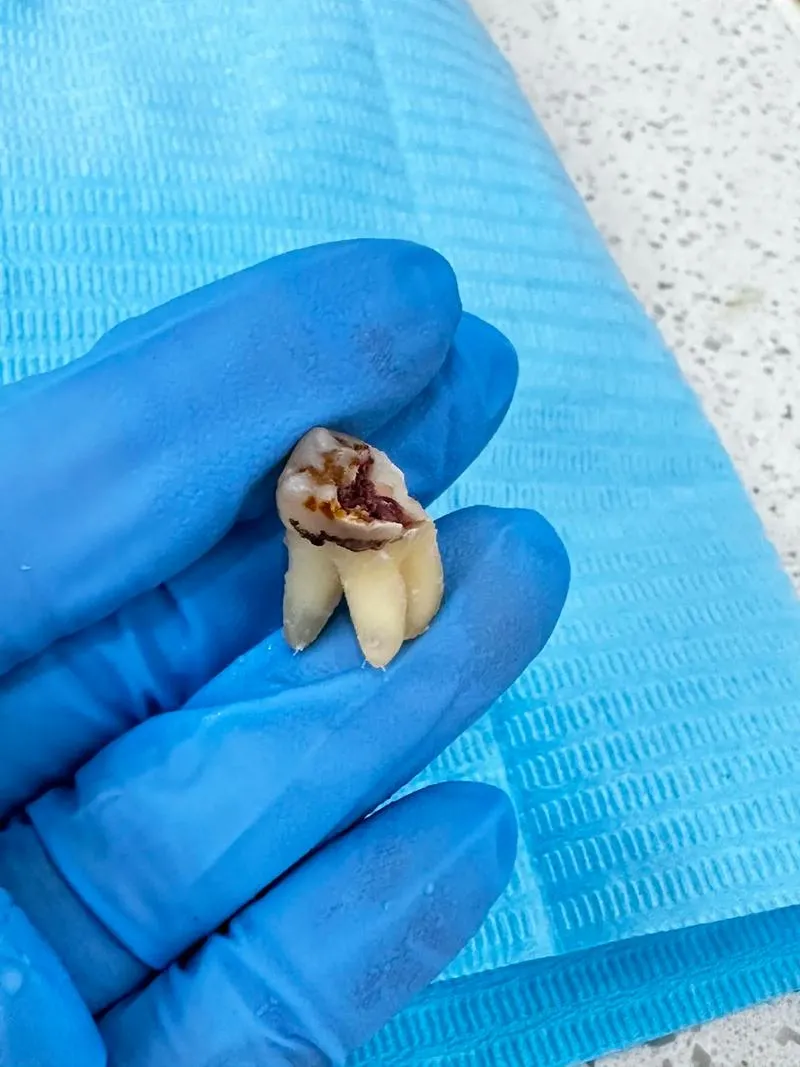
Tooth infections usually begin with deep decay, a cracked tooth, or advanced gum disease. Bacteria enter the inner pulp and create an abscess. You might feel throbbing pain, swelling in the cheek, bad taste in the mouth, sensitivity to hot or cold, and sometimes fever. If you notice these signs, don’t wait. In Thailand, many clinics offer same-day or next-day appointments, and walk-in is often OK. You can also contact clinics via their LINE official account to check availability.
Extraction vs. saving the tooth
A Thai dentist will first assess if the tooth can be saved. Often, a root canal treatment clears infection and keeps the tooth. Extraction is recommended when:
- The tooth is severely broken down or cracked below the gum line
- There is extensive bone loss due to periodontal disease
- The infection is recurrent despite previous treatment
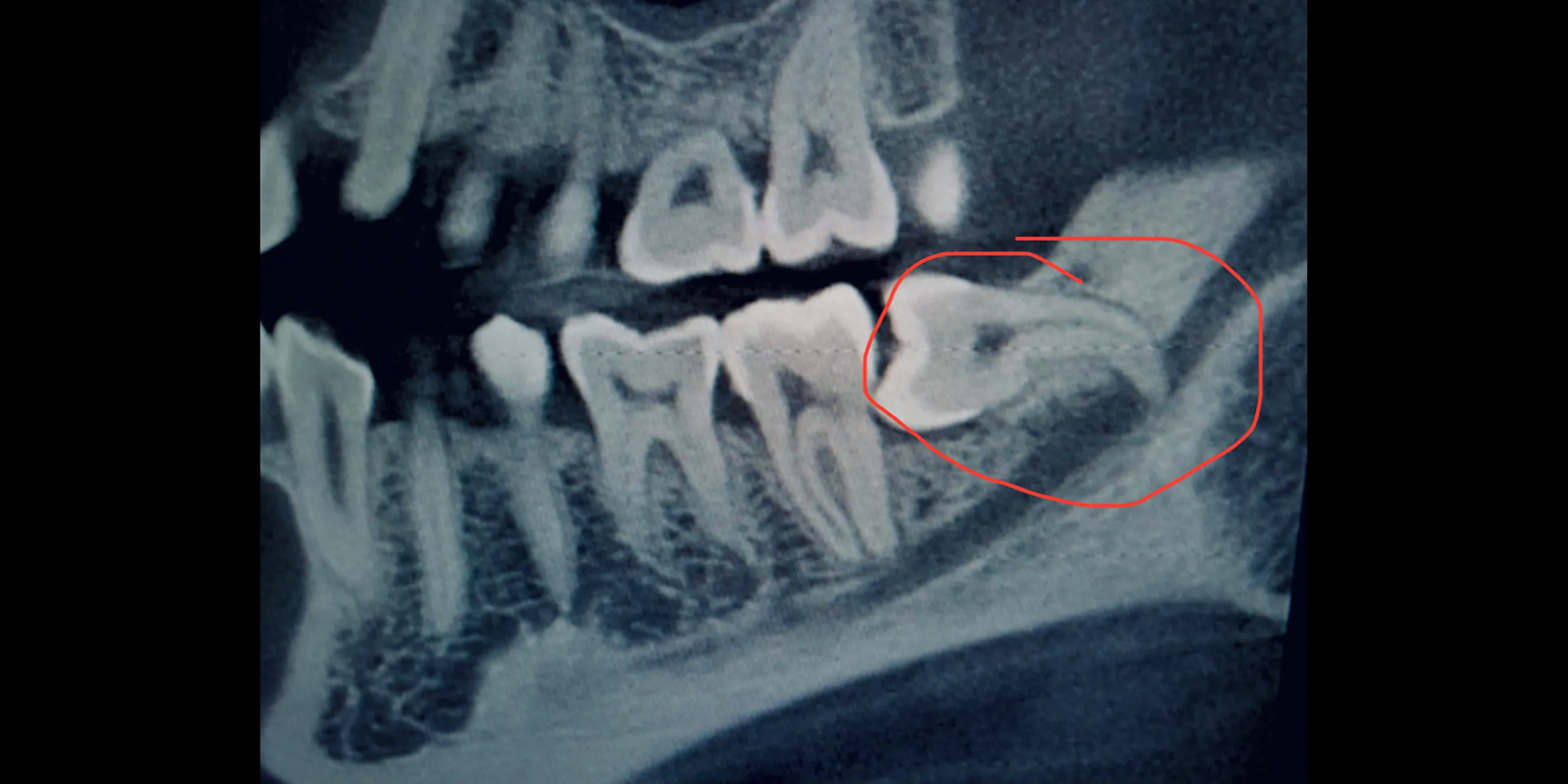
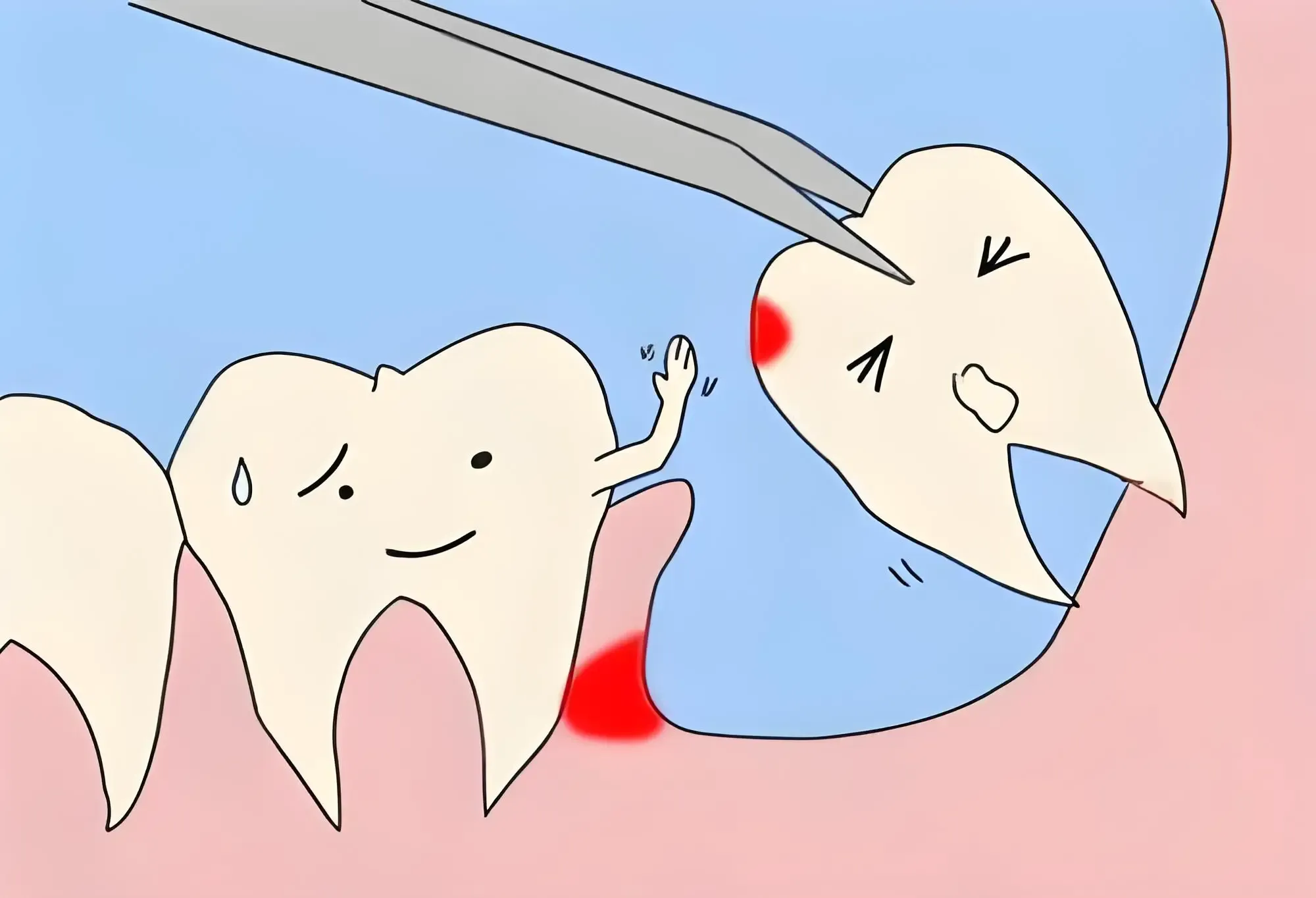
- The tooth is an impacted wisdom tooth causing repeated swelling
The dentist will take a digital X-ray, and sometimes a CBCT scan for difficult wisdom teeth, to decide. Don’t be shy to ask for options and costs; clinics here are used to discussing choices clearly.
What the appointment looks like in Thailand
- Registration and consultation: Bring your ID or passport. Staff generally speak English, especially in city areas like Sukhumvit, Silom, Nimman, and Patong. You’ll fill a short medical form, then the dentist will examine and take an X-ray.
- Treatment plan and quote: You’ll get a clear explanation, including whether antibiotics are needed before extraction. If swelling is severe, the dentist may drain the abscess and start medication first, then do the extraction after 1–3 days. Pricing is usually shown in Thai baht and includes local anaesthetic.
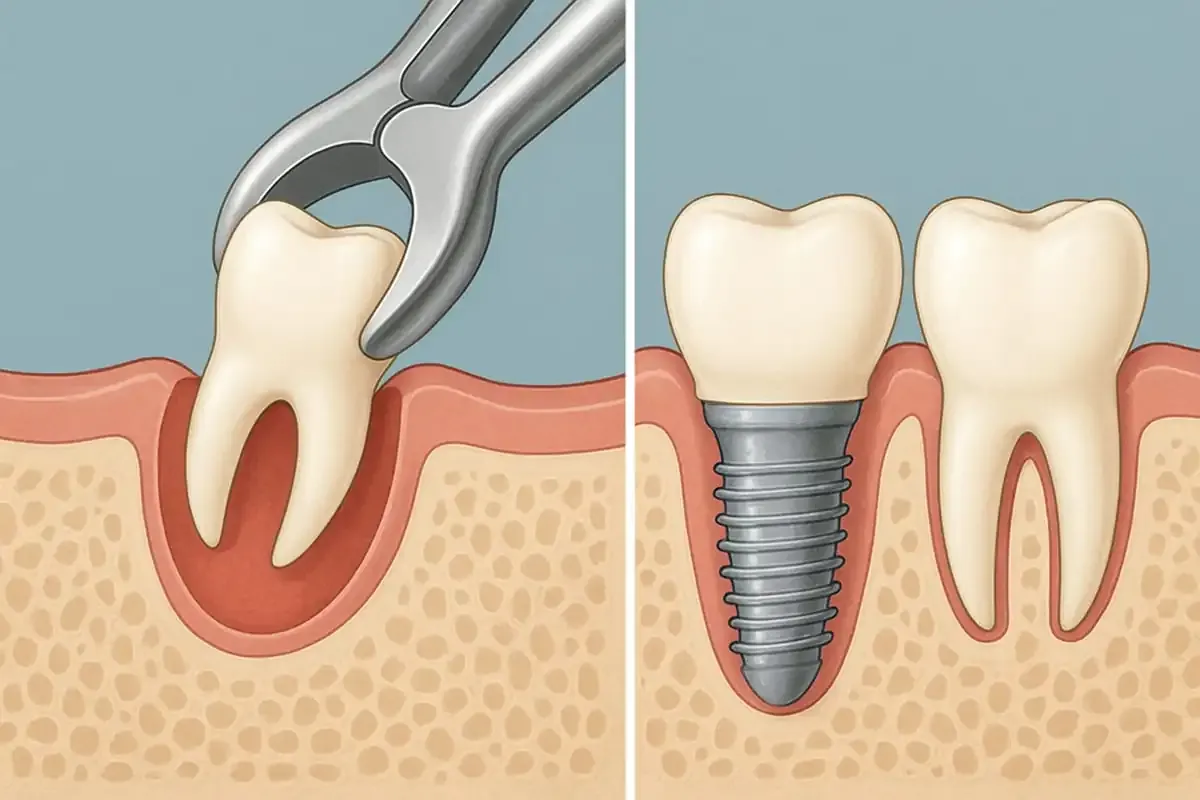
- The procedure: The area is numbed thoroughly. For a simple extraction, the tooth is gently loosened and removed. For surgical cases (like impacted wisdom teeth), a small incision and bone trimming may be required. Clinics follow strict sterilisation standards (autoclave, disposable items), and many are ISO-certified or part of JCI-accredited hospitals. If you are nervous, ask about sedation at hospital-based dental centres.
- Aftercare briefing: You’ll receive printed or LINE messages with instructions in English and Thai. Many clinics arrange a free check in 5–7 days if needed.
How much does tooth extraction cost in Thailand?
Prices vary by city and complexity:
- Simple extraction: roughly 1,500–3,500 THB in most private clinics
- Surgical/impacted extraction: around 5,000–12,000 THB, higher for deeply impacted wisdom teeth or sedation in hospital
Public hospitals can be lower in cost but may have longer queues. Payment by cash, credit card, and QR PromptPay is common. International travel insurance sometimes
reimburses emergency dental; check your policy first.
Managing infection before and after extraction
Antibiotics are prescribed when there’s facial swelling, fever, or spreading infection. Popular choices include amoxicillin or alternatives if you have allergies. Pain control usually involves ibuprofen or paracetamol. In Thailand, pharmacists are friendly, but always follow your dentist’s advice, not just over-the-counter suggestions.
Right after extraction:
- Bite on gauze for 30–60 minutes to stop bleeding
- Ice pack on the cheek, 10 minutes on/off for the first few hours
- Avoid hot, spicy, or very crunchy food on day one (yes, take a short break from som tam and tom yum)
- No smoking and no alcohol for at least 48–72 hours
- Do not use a straw for two days to prevent dry socket
- Gentle warm saltwater rinse after 24 hours, especially after meals
What can you eat? Go for soft Thai comfort foods: jok (rice porridge), soft-boiled eggs, tofu, ripe banana, yogurt. Hydrate well and rest. Most patients return to normal routine the next day, but if your job is very physical, take it easy for 24–48 hours.
Common concerns
- Will it hurt? With proper local anaesthetic, you’ll feel pressure but not sharp pain. Slight soreness after is normal and manageable with painkillers.
- How long does it take? A simple extraction may take 10–20 minutes; surgical cases can take 30–60 minutes.
- Can you fly after extraction? Generally yes, but if a sinus was involved (upper molars), ask your dentist. Waiting 24–48 hours is more comfortable.
- What about dry socket? Follow the no-smoking, no-straw rule, keep the area clean, and stick to soft foods initially. If pain increases sharply on day 2–3, contact the clinic.
Choosing the right clinic in Thailand
- Check licensing and credentials with the Dental Council of Thailand
- Look for clear communication, digital X-ray facilities, and proper sterilisation protocols
- Read recent reviews from locals and expats
- Consider convenience: near BTS/MRT stations in Bangkok, parking if you drive, and opening hours (many clinics open late and on weekends)
- For complex wisdom teeth or if you need sedation, consider a hospital dental centre
For expats and visitors
Keep your dentist’s summary on your phone. If you’ve been on long-term medications or have conditions like diabetes or hypertension, inform the clinic. Bring a list of drug allergies. Language is usually no problem in major cities; in smaller towns, you’ll still find kind staff who will take time to explain, no worries.
Prevention goes a long way
Once the infection is settled, plan for prevention: regular scaling and polishing every 6 months, fluoride toothpaste, and timely fillings. Thailand’s dental care is accessible, so it’s easy to keep check-ups on schedule. If you had a tooth removed, ask about replacement options like a bridge or dental implant after healing to maintain bite function.
The bottom line
Tooth extraction in Thailand is a reliable, safe option when managing a tooth infection that cannot be saved. With transparent pricing, modern equipment, and warm service, you can expect a smooth experience from consultation to recovery. If you’re in pain today, don’t delay—book via phone or LINE, take a seat, and let the dentist sort it out so you can get back to enjoying your day.