Thailand Tooth Extraction Services Using Modern Diagnostic Systems
Thailand Tooth Extraction Services Using Modern Diagnostic Systems
《Thailand Tooth Extraction Services Using Modern Diagnostic Systems》
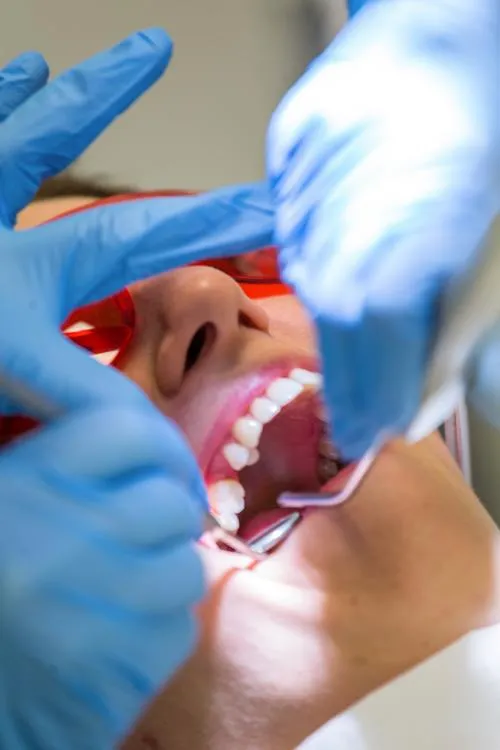
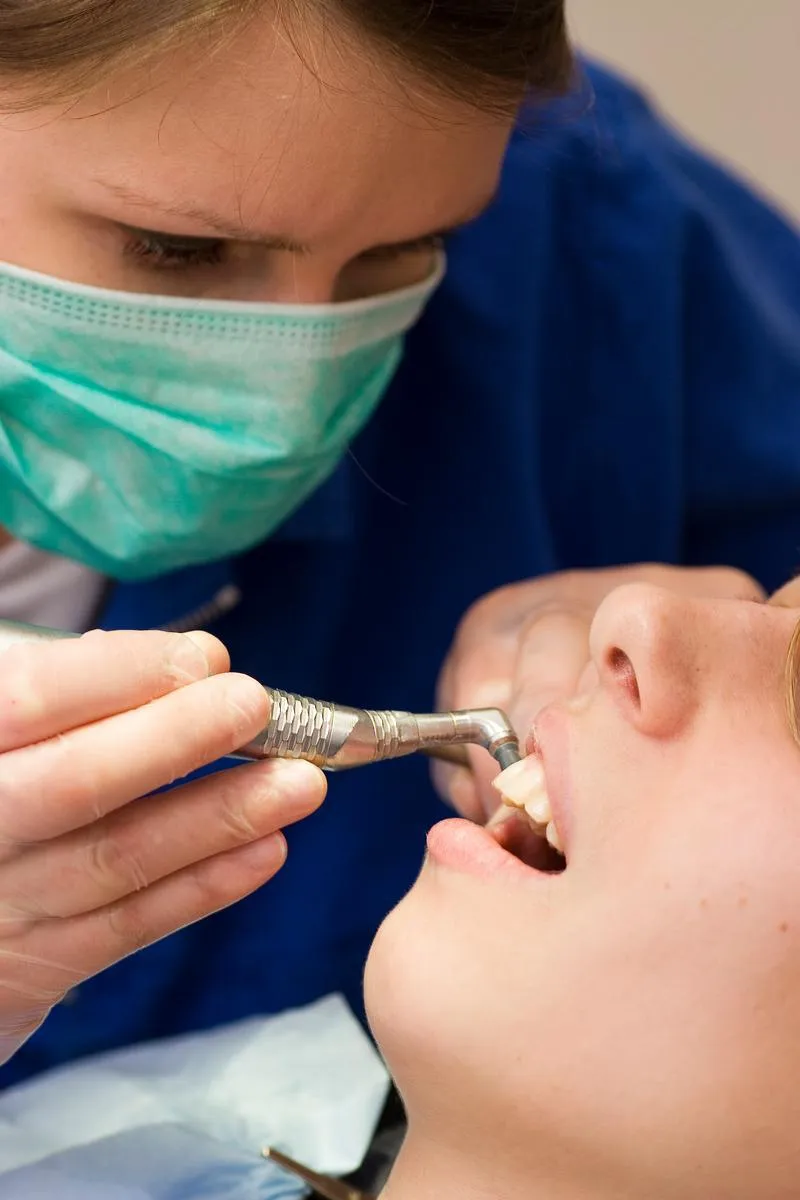
If a tooth is causing you constant pain, keeps breaking, or is trapped under the gum, a well-planned extraction can bring real relief. In Thailand, tooth extraction services have moved far beyond the old “pull it out” approach. Clinics across Bangkok, Chiang Mai, Phuket, and other major cities now use modern diagnostic systems to make every step safer, faster, and more comfortable. The result is a smooth, predictable experience with minimal downtime and clear communication from start to finish.
What modern diagnostics mean for you
Today’s top dental clinics in Thailand use a combination of digital tools to guide treatment decisions and reduce risks:
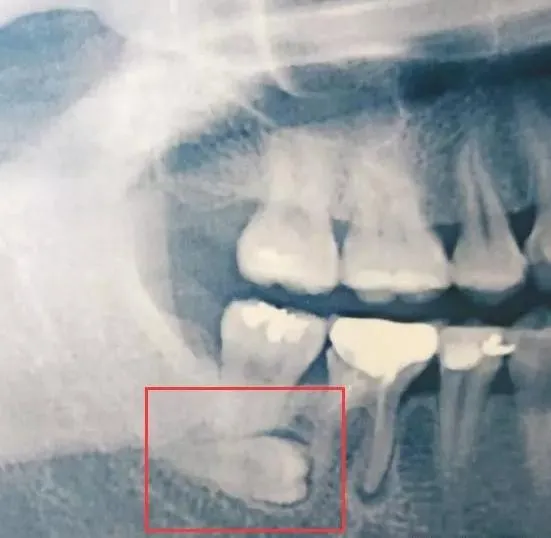
- Digital X-rays and panoramic imaging provide sharp images with lower radiation compared to older film systems.
- 3D CBCT scans map the position of roots, nerves, and sinuses, essential for wisdom tooth removal and complex cases.
- Intraoral cameras show live, magnified images so you can see exactly what the doctor sees.
- Computer-based treatment planning helps the team decide the least invasive approach, reducing trauma and speeding recovery.
Because the dentist can “see before they do,” the procedure is more precise, postoperative swelling is often less, and overall healing tends to be smoother.
Common reasons for extraction
While saving your natural teeth is always the first choice, extraction can be the best option when:
- A tooth is severely decayed or fractured beyond repair
- Advanced gum disease has loosened the tooth
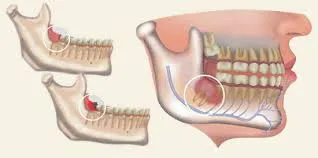
- A wisdom tooth is impacted or causing repeated infections
- Crowding requires removal before orthodontic treatment
- A broken root or failed root canal cannot be retreated
How the process works in Thailand
Booking is straightforward. Many clinics accept appointments via phone, Line, WhatsApp, or their website. Same-day and weekend slots are common, and walk-in service is available at some locations. When you arrive, friendly staff will handle quick registration—no long queue—and you’ll meet the dentist for a consultation.
Step 1: Assessment and imaging
The doctor listens to your concerns, checks your bite, gums, and nearby teeth, then takes digital X-rays. If a wisdom tooth or your nerve position needs a closer look, a CBCT scan is done on-site. This scan takes only a few seconds and provides a 3D view that avoids guesswork.
Step 2: Treatment plan and quote
You’ll receive a clear explanation, including whether the extraction is simple or surgical, the type of anesthesia recommended, and the total fee. Thailand clinics are known for transparent pricing, and many share a printed price list. Payment is usually by cash, credit card, or QR PromptPay. For foreigners, official receipts are provided for insurance claims.
Step 3: Comfortable anesthesia
A strong topical gel numbs the gum first, then local anesthesia is given slowly to keep you comfortable. For nervous patients or complex cases, IV sedation with monitoring is available at selected clinics and hospitals. Feel free to ask questions—Thai dental teams are very used to explaining step by step.
Step 4: Gentle extraction
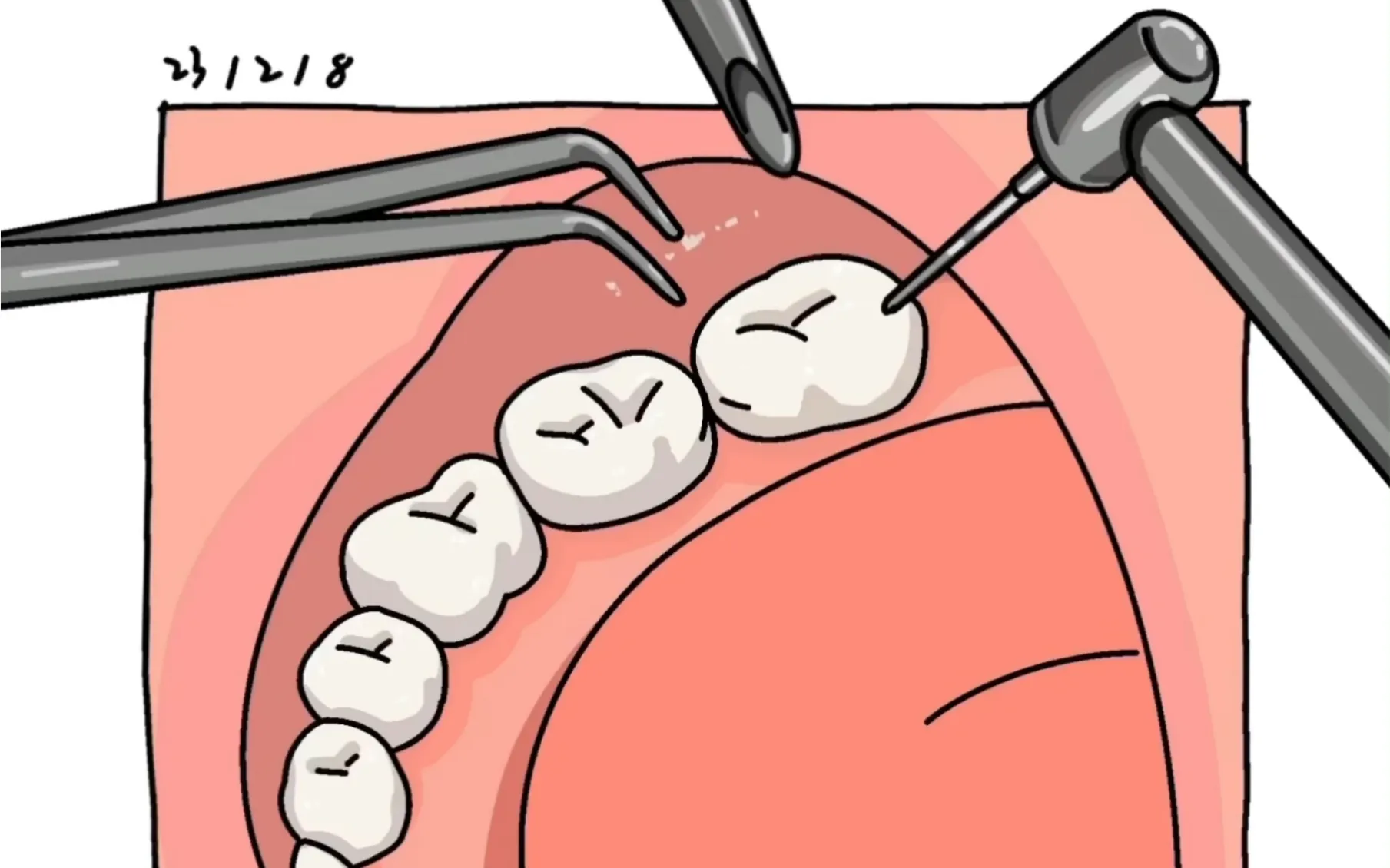
Using the digital images as a guide, the doctor loosens the tooth with minimal force. If needed, the tooth is sectioned into smaller pieces to protect surrounding bone. Stitches may be placed for a clean closure. The whole procedure is often faster than expected, with many simple extractions done in 15–30 minutes and most wisdom teeth within 30–60 minutes.
Step 5: Aftercare and follow-up
You’ll receive written
instructions, a cold pack, and medication if indicated. Follow-up is usually scheduled in 5–7 days for suture removal or just a quick check. Many clinics provide a 24/7 hotline for concerns after hours, especially helpful if you are traveling.
Safety and sterilization you can trust
Thai clinics place strong emphasis on infection control. Instruments are sterilized in hospital-grade autoclaves, surfaces are disinfected between patients, and single-use items are disposed of properly. Dentists and assistants wear full protective gear. These protocols, paired with digital diagnostics, help keep complications low and outcomes stable.
Wisdom tooth extraction with 3D confidence
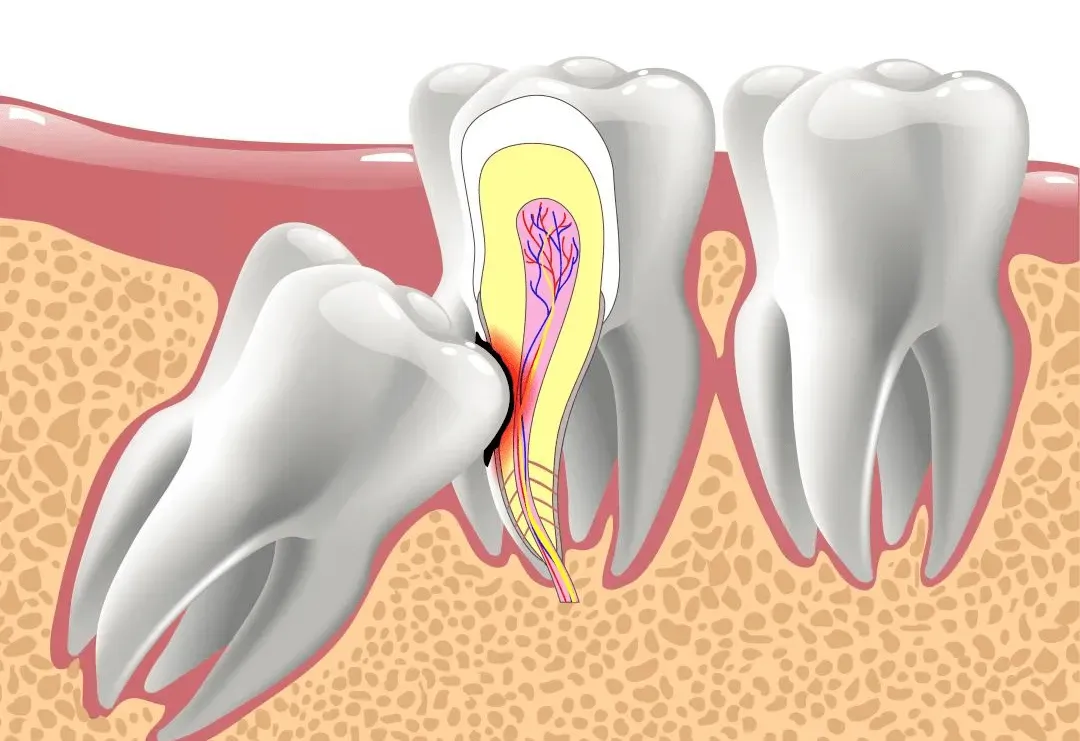
Impacted wisdom teeth are a major reason patients seek care. With CBCT, the dentist can measure the exact distance to the nerve canal and sinus floor, plan the angle of entry, and choose a conservative technique. This reduces the chance of nerve irritation and makes recovery more predictable. If your case is complex, an oral and maxillofacial surgeon will handle it in a clinic or hospital setting.
Managing pain and swelling
Modern anesthesia makes the procedure itself painless. Afterward, most patients feel manageable soreness rather than sharp pain. Your doctor may recommend:
- Cold compress on and off for the first 24 hours
- Over-the-counter pain relievers as directed
- Sleeping with head slightly elevated the first night
- Soft foods like congee, yogurt, and smoothies for 1–2 days
- Gentle rinsing with warm salt water from day two
Avoid smoking, alcohol, hot and spicy food, and drinking through a straw for at least 48 hours to prevent dry socket.
Costs and value
Fees vary by case complexity and city, but Thailand remains competitive compared to many countries. Simple extractions are typically affordable, and surgical extractions or impacted wisdom tooth removal are priced transparently based on difficulty. Many clinics run seasonal promotions. For expats and medical tourists, English-speaking staff, clear itemized invoices, and coordination with insurers make the process easy.
Tips for visitors and expats
- Choose a clinic near BTS/MRT or your hotel for convenient follow-up.
- If you’re flying, allow at least 48–72 hours after extraction before travel, especially for wisdom teeth.
- Bring your medication list and any previous dental records or X-rays if you have them.
- Public holiday hours vary, so kindly check in advance.
- If you have a tight itinerary, request a consultation and imaging on day one and the extraction on day two to keep things comfortable.
How to choose the right clinic
Look for a clinic that:
- Uses digital panoramic X-rays and has in-house CBCT
- Employs board-certified dentists or oral surgeons for complex cases
- Explains your options clearly and provides a written quote
- Follows strict sterilization protocols
- Has consistent reviews and before–after case examples
A short call or chat can tell you a lot about responsiveness and care standards. If the team is patient with your questions and the doctor walks you through the images, you’re likely in good hands.
Bottom line
Thailand tooth extraction services have embraced modern diagnostic systems to deliver safe, precise, and comfortable care. From digital imaging and careful planning to gentle techniques and clear aftercare, the experience feels organized and professional, with that warm Thai hospitality people appreciate. Whether you need a straightforward removal or a tricky wisdom tooth extraction, you can expect a smooth journey from consultation to recovery—no worries.