Thailand Tooth Extraction Procedures With Reliable Dental Outcomes

Thailand Tooth Extraction Procedures With Reliable Dental Outcomes
Thailand Tooth Extraction Procedures With Reliable Dental Outcomes
If you are considering a tooth extraction in Thailand, you’re in good company. Many locals and visitors choose Thai dental clinics because they are convenient, not overly expensive, and deliver reliable results with modern techniques. Whether it’s a simple removal or an impacted wisdom tooth, Thailand’s dentists follow clear, evidence-based steps to keep you comfortable and ensure a smooth recovery.
Why Thailand is a solid choice
Thailand has a strong network of private dental clinics and hospital dental departments, particularly in Bangkok, Chiang Mai, Phuket, and Pattaya. Many dentists are board-certified, trained locally and overseas, and comfortable communicating in English. Clinics are easy to reach near BTS and MRT stations, appointments can be made via phone or LINE, and waiting times are generally short. If you prefer a public hospital, the cost is usually lower, though you may need to queue longer. Either way, stable sterilization protocols, digital X-rays, and strict infection control are standard across reputable facilities.
Types of extractions you might need
- Simple extraction: The tooth is visible and loosened with instruments before being gently removed. This is common for severely decayed teeth or baby teeth that never fell out.
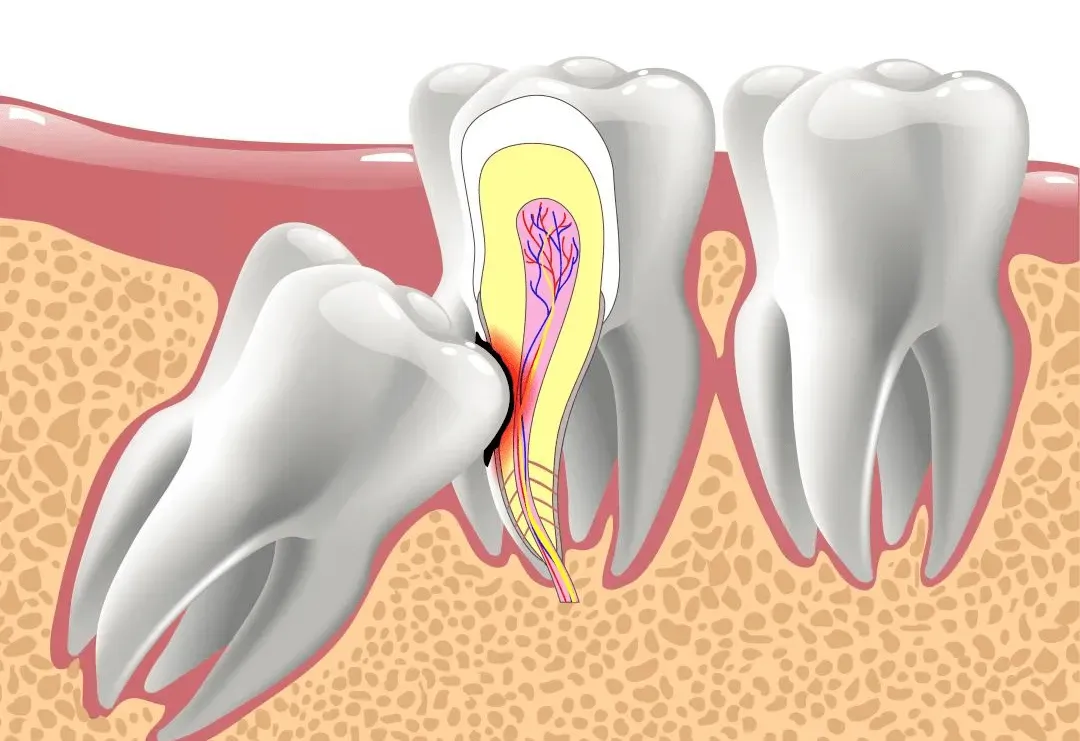
- Surgical extraction: Recommended for impacted or broken teeth, especially wisdom teeth. An oral surgeon may create a small flap, remove a bit of bone if needed, and take out the tooth in pieces to protect surrounding tissue.
A clear, step-by-step procedure
1) Booking and pre-visit advice: Most clinics offer next-day or same-day appointments. You’ll be asked about medical history, allergies, and medications. If you’re taking blood thinners or have conditions like diabetes or hypertension, the dentist may coordinate with your physician or adjust timing for safety. Don’t worry—this is standard practice and helps avoid complications.
2) Consultation and X-ray: The dentist examines your mouth and orders a periapical or panoramic X-ray to see the roots, nerves, and sinus proximity. You’ll get a clear explanation of options, risks, and fees in baht before anything starts, and you’ll sign a consent form. If there’s acute swelling or infection, they might prescribe antibiotics and schedule the extraction a day or two later.
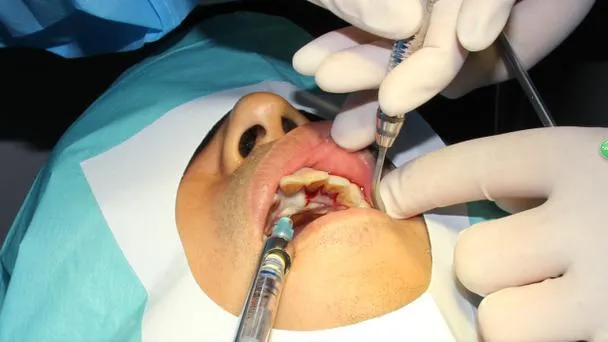
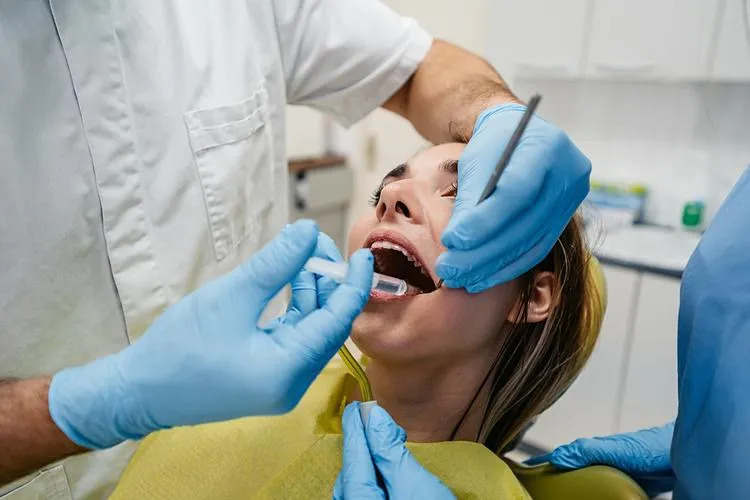
3) Local anaesthetic and comfort: A topical gel numbs the gum, followed by local anaesthetic. You’ll feel pressure but not sharp pain. If you are anxious, some clinics offer oral sedatives or IV sedation with monitoring. Communication is easy—raise your hand if you feel discomfort, and the dentist will pause. Gentle technique is the norm here.
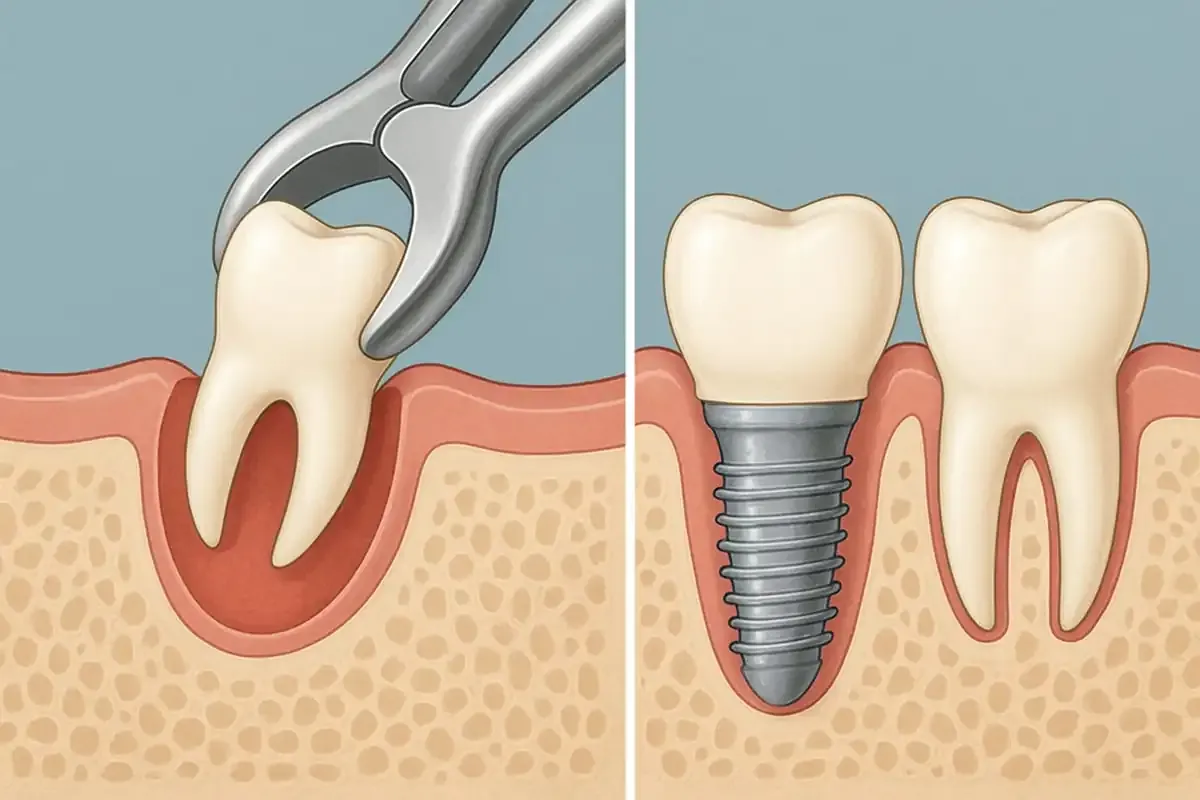
4) The extraction itself: For a simple extraction, the dentist uses elevators and forceps to mobilize and remove the tooth smoothly. For surgical cases, small incisions and careful bone removal protect the nerve and adjacent teeth. The area is irrigated, and stitches may be placed; many clinics now use resorbable sutures, so no need to come back just for removal.
5) Immediate aftercare: Gauze pressure helps the blood clot form. The team will review your pain medication schedule, how to ice the cheek, and what to avoid for the first 24 hours. You’ll leave with a written instruction sheet and clinic contact details—usually a LINE QR for quick follow-up.
Safety and sterilization you can count on
Reliable outcomes start with safety. Thai clinics meeting international standards run instrument cycles in an autoclave, maintain PPE protocols, and disinfect treatment rooms between patients.
Digital records and X-rays reduce exposure and improve planning. For complex cases—close to the nerve, deeply impacted wisdom teeth, or medically complicated patients—referral to an oral and maxillofacial surgeon in a hospital setting is routine. This “right case, right setting” approach is a key reason satisfaction rates are high.
Cost ranges in Thailand
While fees vary by city and clinic, the ballpark helps you plan:
- Simple extraction: roughly 1,000–3,000 baht per tooth, depending on complexity.
- Surgical or wisdom tooth extraction: roughly 3,500–12,000 baht per tooth, depending on impaction, roots, and sedation.
Hospitals may be slightly higher for surgeon-led cases; public hospitals can be more budget-friendly but with longer waiting times. Many clinics provide a printed estimate before treatment so there’s no surprise at the cashier.
Recovery tips that work
- First 24 hours: Bite on gauze as advised and avoid rinsing vigorously. No hot drinks, smoking, or using a straw. Keep your head elevated, apply cold packs 10 minutes on, 10 minutes off.
- Pain control: Take painkillers on time, not only when it hurts. If antibiotics are prescribed, finish the full course.
- Gentle cleaning: After 24 hours, rinse with warm saltwater after meals. Keep brushing but avoid the socket area initially.
- Food choices: Start with soft foods like congee, yoghurt, or scrambled eggs. Avoid spicy or very hot dishes on day one, then go back slowly to normal Thai favourites when comfortable.
- Activity: Easy walking is fine, but avoid heavy gym sessions or swimming for a few days.
How long does it take to feel normal?
Most people feel comfortable in 2–3 days after a simple extraction. For a surgical wisdom tooth, minor swelling and tightness may peak at 48 hours and settle by day 4–5. Stitches usually dissolve in 1–2 weeks. If you notice increasing pain after day three, a bad taste, or persistent bleeding, contact the clinic—no need to wait; Thai clinics are responsive and will find a slot for you.
Choosing a clinic with confidence
- Qualifications: Look for Thai Dental Council registration and, for wisdom teeth, an oral surgeon’s credentials.
- Reviews and before–after photos: Check recent reviews, not only overall rating. Consistency matters.
- Transparent pricing: Ask for a written quote and what it includes—X-rays, sedation, medications, follow-up.
- Convenient access: Clinics near BTS/MRT or with parking save time, especially if you need a short-notice review.
- Communication: English-speaking staff, clear post-op instructions, and easy contact via phone or LINE make recovery smoother.
Common questions, quick answers
- Will it hurt? With proper anaesthesia, you should feel pressure but not pain. Post-op soreness is normal and manageable.
- Do I need antibiotics? Only if there’s infection risk; many extractions heal well without antibiotics.
- Can I fly after removal? For simple cases, flying after 24–48 hours is usually fine. For surgical wisdom teeth, give it a few days and confirm with your dentist.
- Is it safe during pregnancy? Non-urgent extractions are usually planned for the second trimester. Always inform your dentist if you’re pregnant or trying to conceive.
Bottom line
Tooth extraction in Thailand is straightforward, cost-effective, and backed by strict clinical standards. With skilled dentists, clear step-by-step care, and practical aftercare support, you can expect reliable outcomes and a quick return to your normal routine. Book your consultation, ask your questions freely, and you’ll find the process smooth from check-in to follow-up—no worries.