Thailand Tooth Extraction Clinics With Excellent Dental Hygiene Practices
Thailand Tooth Extraction Clinics With Excellent Dental Hygiene Practices
Thailand Tooth Extraction Clinics With Excellent Dental Hygiene Practices
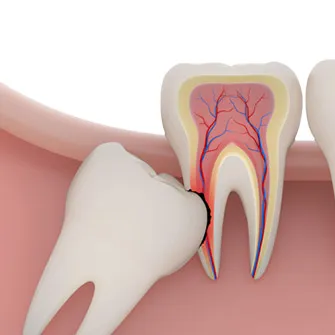
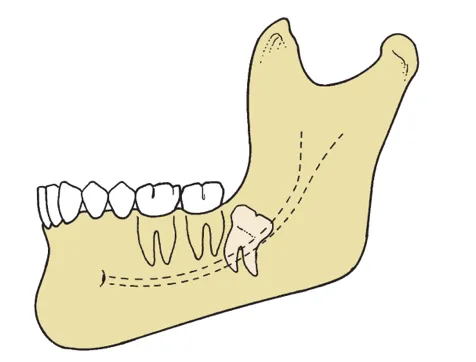
If you’re considering a tooth extraction in Thailand—whether it’s a stubborn wisdom tooth or a badly cracked molar—you’ll find plenty of clinics that take dental hygiene very seriously. Across Bangkok, Chiang Mai, Phuket, and beyond, dental teams follow robust infection-control protocols on par with international standards, while keeping the experience friendly and sabai-sabai. The result? Safe, clean, and surprisingly comfortable care at a reasonable price.
What excellent hygiene looks like in Thai dental clinics
High-quality tooth extraction clinics in Thailand build hygiene into every step of your visit. You’ll notice:
- Pre-treatment screening and digital records: Reception staff usually confirm your health history, allergies, and any recent illness. Many clinics use digital forms and online bookings (Line is common) to reduce paper handling.
- Proper personal protective equipment (PPE): Dentists and assistants wear gloves, masks, eye protection, and often face shields; gowns are changed regularly. Patients may be given a bib and, in some clinics, a disposable cap.
- Sterilisation that’s transparent: Instruments are cleaned, ultrasonically washed, and sealed in pouches before being sterilised in an autoclave. Look for indicator strips on pouches and well-kept sterilisation logs—signs of a clinic that doesn’t cut corners.
- Single-use items: Needles, syringes, suction tips, gauze, and anesthetic carpules should be single-use only. Many clinics open sealed packs in front of you.
- Clean operatories and waterlines: Dental chairs, trays, and light handles are disinfected between patients. Good clinics routinely maintain and flush dental waterlines, and many use high-volume suction to minimise aerosols.
- Hand hygiene, every time: Expect frequent handwashing or sanitising before any exam or extraction.
Before the extraction: precision and comfort
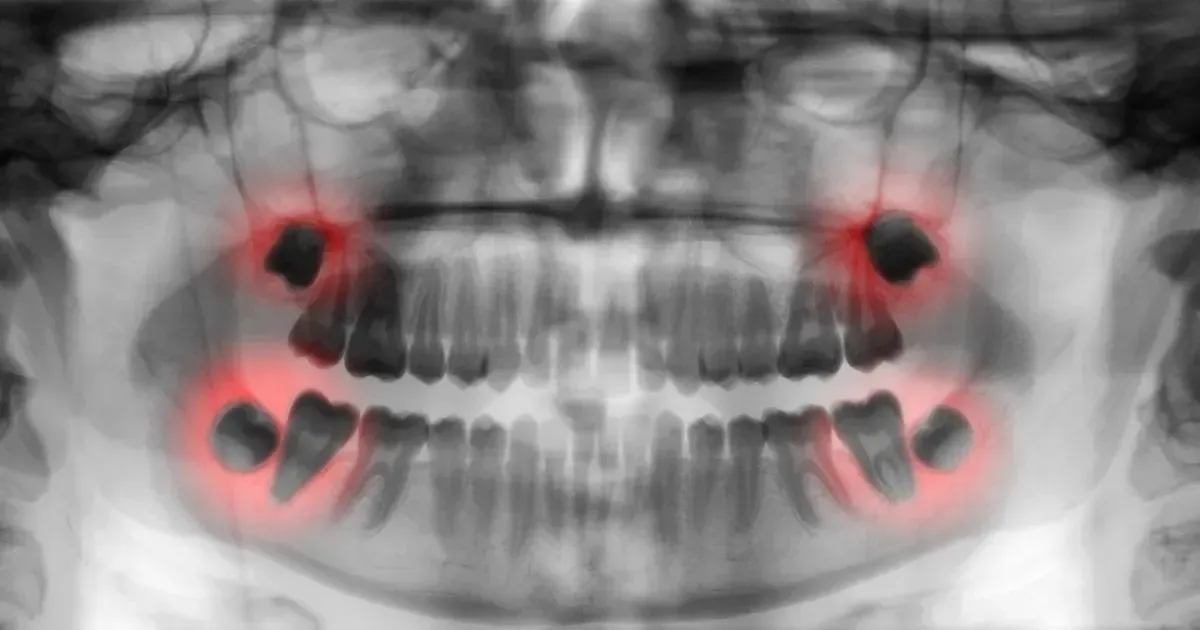
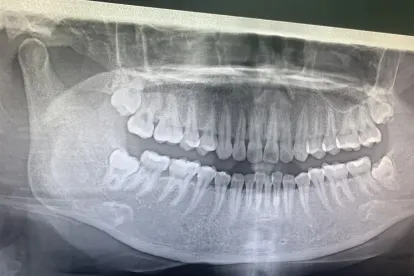
Thai dentists take time to assess your tooth and surrounding bone. You’ll often get a digital intraoral X-ray or a panoramic film; for impacted wisdom teeth, some clinics offer CBCT scans for 3D planning. This imaging reduces surprises, shortens chair time, and improves healing.
Anesthesia is tailored to your comfort. Local anesthesia is the norm; for anxious patients, some clinics offer nitrous oxide (laughing gas) or oral sedation with careful monitoring. It’s okay to ask, “Doctor, will this be numbed fully?”—most dentists will wait until you feel completely comfortable before proceeding.
During the extraction: gentle technique, strict control
Modern extraction techniques in Thailand focus on atraumatic removal—protecting bone and soft tissue to help healing along. Dentists use elevators and forceps with controlled pressure, sometimes sectioning a tooth to avoid excess force. The team keeps the field clean with high-volume suction and sterile saline. Surgical sites are irrigated and, if needed, sutured with sterile materials. You’ll also hear clear instructions in simple English with Thai warmth: “Bite gently, khun, and we’ll check again.”
Aftercare: straightforward and practical
Clear aftercare is a hallmark of good clinics:
- Bite on gauze for 30–60 minutes to stop bleeding.
- Avoid hot or spicy food, alcohol, and smoking for 48 hours; this is Thailand, but skip the som tam and tom yum just for a couple of days.
- No straws and no vigorous rinsi
ng for 24 hours.
- From the next day, rinse gently with warm saline.
- Take painkillers as directed; antibiotics only when indicated.
- Keep the head slightly elevated when resting the first night.
If you’re by the beach in Phuket or Koh Samui, ask your dentist about timing for swimming and diving—usually postponed for at least a few days. And if you notice increasing pain after 2–3 days, call the clinic; they’ll check for dry socket and provide quick relief.
How to choose a clinic with excellent hygiene
You don’t need to be an expert to spot a well-run clinic. Look for:
- Sealed instrument pouches opened chairside
- Visible autoclave, sterilisation logs, or ISO certifications
- Clean, orderly operatory with fresh barriers (plastic wraps) on high-touch areas
- Staff who change gloves between tasks and sanitise hands frequently
- Clear communication about risks, costs, and consent
A reputable clinic will also display the dentist’s license from the Dental Council of Thailand. Many clinics are expat-friendly and will happily explain their infection-control steps in English. In Bangkok, you’ll find plenty along Sukhumvit (near BTS Asok, Phrom Phong, Thonglor), Silom-Sathorn (near BTS Sala Daeng/MRT Silom), and Ari. In Chiang Mai, Nimman and the Old City have popular practices. Phuket Town and Patong have established clinics experienced with travellers. Walk-ins are sometimes possible, but booking via phone or Line is more reliable.
Costs and transparency
Thailand remains affordable without sacrificing quality. As a general guide, simple extractions at clinics are often in the low thousands of baht, while surgical or impacted wisdom tooth removal can be several thousand baht more, depending on complexity, X-rays, and whether sedation is used. Hospitals may charge higher fees but often have JCI-accredited systems and on-site emergency support. Most clinics accept cash and major credit cards; ask if the fee includes X-rays, medications, and a follow-up check.
Standards that match international expectations
Many Thai clinics benchmark against international infection-control frameworks (such as CDC and WHO guidelines). You’ll see:
- Sharps disposal containers in every operatory
- Colour-coded cleaning supplies to prevent cross-contamination
- Regular staff training and drills
- Air filtration in some practices, plus spaced appointments to reduce crowding
This professional culture is why dental tourism is thriving here. People fly in not just for the price, but for the high standard of care and the Thai service mindset—calm, courteous, and detail-oriented.
Helpful questions to ask before you book
- Do you use sealed, autoclaved instruments and single-use disposables?
- What imaging will you take before extraction?
- Is nitrous or sedation available if I’m anxious?
- What is the total estimated cost, including X-rays, medications, and follow-up?
- How can I contact the clinic after hours if I have concerns?
The bottom line
Tooth extraction clinics in Thailand combine excellent dental hygiene practices with modern techniques and friendly service. From Bangkok’s skytrain corridors to Chiang Mai’s leafy sois and Phuket’s beachside streets, you can expect sterile instruments, careful planning, gentle hands, and clear aftercare—all delivered with a Thai smile. Book ahead, ask the right questions, and you’ll be in and out safely, with peace of mind and a smooth path to healing.