Thailand Tooth Extraction Procedures Using Contemporary Dental Methods
Thailand Tooth Extraction Procedures Using Contemporary Dental Methods
Thailand Tooth Extraction Procedures Using Contemporary Dental Methods
Thinking about a tooth extraction in Thailand? No worries. Whether you live in Bangkok or you are visiting Phuket, Chiang Mai, or Khon Kaen, Thailand’s dental clinics are well known for modern technology, clear communication in English, and reasonable fees. This guide explains how Thailand tooth extraction procedures are done using contemporary dental methods, what to expect on the day, and how to recover comfortably.
Why an Extraction Might Be Recommended
Dentists in Thailand generally try to save teeth where possible, but extraction is advised when:
- A tooth is severely decayed or fractured beyond repair
- Gum disease has left the tooth too loose
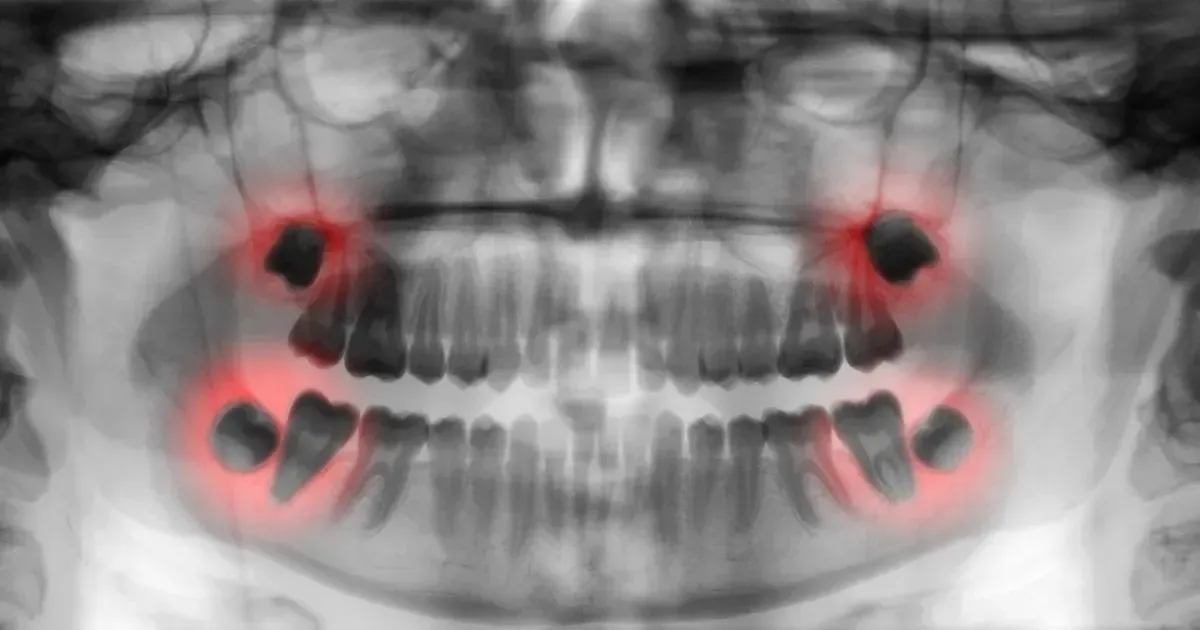
- A wisdom tooth is impacted, infected, or causing crowding
- There is pain or recurrent infection that does not respond to other treatments
- A tooth is blocking orthodontic movement or future implant planning
Your Initial Consultation
At a Thailand dental clinic, the process starts with an examination and imaging:
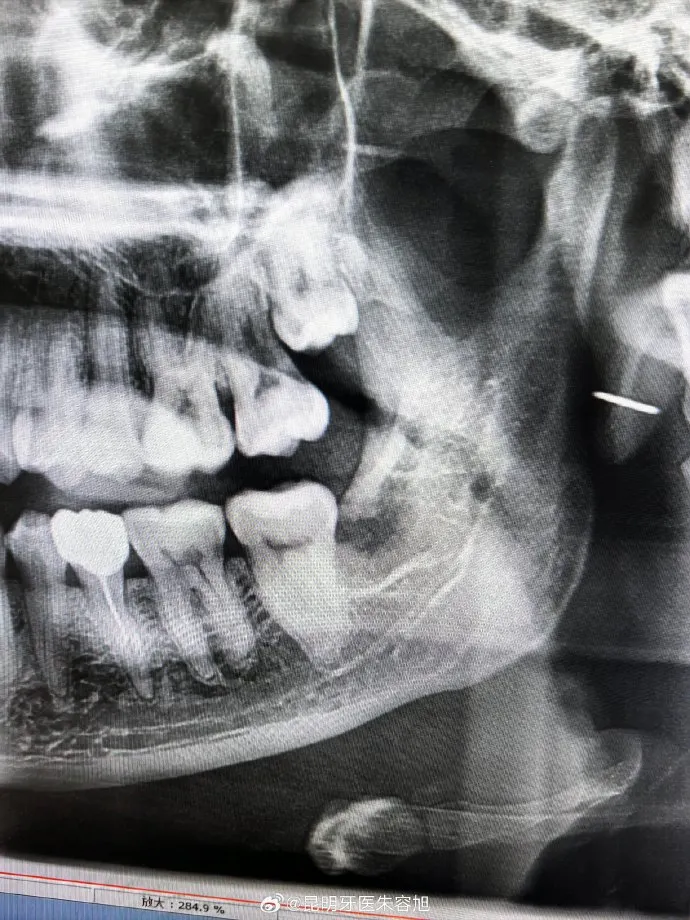
- Digital X-rays or panoramic X-rays are standard; for complicated wisdom teeth, a CBCT 3D scan may be recommended.
- The dentist will review your medical history (allergies, medications, bleeding disorders, diabetes, high blood pressure) and discuss treatment options.
- You will receive a clear fee estimate for the extraction, imaging, and any sedation or aftercare items.
Contemporary Dental Methods You Can Expect
Thai dentists use minimally invasive techniques to make the procedure smoother and recovery faster:
- Local anaesthetic with topical numbing gel ensures comfort. Many clinics also offer oral sedation, and hospitals can provide IV sedation with an anaesthetist for anxious patients or complex surgical cases.
- Atraumatic extraction tools such as periotomes and luxators are used to gently loosen the tooth by releasing the periodontal ligament rather than forcing the tooth out.
- For wisdom tooth removal in Thailand, sectioning the crown or roots is common to reduce bone removal. Micro-surgical flaps keep incisions small and precise.
- Piezoelectric surgery may be used for delicate bone work near nerves and sinus areas, improving safety and reducing post-op swelling.
- Socket preservation can be offered if you plan for an implant later. This involves placing a small bone graft material and sometimes a membrane to maintain bone volume.
- Platelet-rich fibrin (PRF) is available in many clinics to enhance healing using a small sample of your blood processed chairside.
- Sterilisation follows strict protocols, with autoclaved instruments, single-use disposables, and full PPE. Many clinics follow international standards, and large hospitals are often JCI-accredited.
Step-by-Step on the Day
1) Check-in and consent: You will sign informed consent and confirm medical details. Most clinics accept cash, card, and QR PromptPay.
2) Anaesthesia: Numbing gel then local anaesthetic. You should feel pressure, not sharp pain. If anything is uncomfortable, just raise your hand and the dentist will top up.
3) Extraction: For simple teeth, it may take a few minutes. Surgical wisdom tooth removal can take 20–45 minutes depending on complexity.
4) Haemostasis: You will bite on sterile gauze to control bleeding. Dissolvable stitches may be placed if a flap was raised.
5) Instructions: The team will explain aftercare, give yo
u written notes, and schedule a review if needed.
Pain Control and Medications
Contemporary protocols focus on safe, effective relief:
- Paracetamol and ibuprofen are commonly prescribed; some clinics use mefenamic acid. Always follow the dentist’s advice, especially if you have stomach issues or other medical conditions.
- Antibiotics are used only when indicated (e.g., swelling, fever, or surgical infection risk).
- A chlorhexidine mouthwash may be recommended to keep the area clean.
Aftercare Tips for Smooth Recovery
- Keep pressure: Bite on gauze for 30–60 minutes; change once if needed.
- No spitting, no straw, and no smoking for at least 48 hours to prevent dry socket.
- Ice packs on and off for the first 24 hours help reduce swelling.
- Sleep with an extra pillow on the first night to minimise bleeding.
- Start gentle warm saltwater rinses after 24 hours (2–3 times a day).
- Eat soft food on the opposite side. Thai-friendly choices include jok (rice porridge), khao tom, soft tofu, ripe banana, yoghurt, and scrambled eggs.
- Avoid hot, spicy, or sticky foods for a couple of days. Skip sticky rice and crunchy snacks near the extraction site.
- Brush gently and avoid the socket area on day one; resume careful brushing around the area by day two.
Recovery Timeline
- Day 1–3: Mild swelling and tenderness are normal. Pain usually peaks around 24 hours then improves.
- Day 3–7: Bruising or stiffness can happen, especially after wisdom tooth surgery. Most people return to work the next day or within two days.
- Stitches: Dissolvable stitches usually settle within 7–10 days. If non-dissolving, you will be asked to come back for removal.
- Exercise: Avoid heavy gym or Muay Thai training for 48–72 hours. Hydrate well in Thailand’s heat.
How Much Does Tooth Extraction Cost in Thailand?
Prices vary by city and case complexity, but general ranges are:
- Simple extraction: around 1,000–3,000 THB
- Surgical extraction: around 3,000–8,000 THB
- Impacted wisdom tooth removal: around 4,000–15,000 THB
- X-rays: 200–1,000 THB; CBCT scans: 2,500–4,500 THB
- Sedation or hospital fees are additional if required
Always check with the clinic for a tailored quote. Many clinics can send estimates via Line or email after you share your X-ray.
Choosing a Thailand Dental Clinic
- Check the dentist’s license with the Dental Council of Thailand and look for clinics with good reviews.
- Ask about imaging, technique, and whether the dentist will show you the X-ray and explain risks and alternatives.
- Confirm what is included in the fee: imaging, medications, follow-up, and stitches removal.
- Clarify opening hours and public holiday schedules, especially around Songkran and New Year.
Travel and Timing Tips
If you are a visitor planning wisdom tooth removal in Thailand, avoid scheduling it right before island hopping or long bus rides. Give yourself 3–5 days in Bangkok or your chosen city to manage follow-ups comfortably. Consider travel insurance that includes dental emergencies.
The Bottom Line
Thailand tooth extraction procedures using contemporary dental methods are safe, efficient, and patient-friendly. With advanced imaging, minimally invasive techniques, and clear aftercare, you can expect a smooth experience from consultation to recovery. Choose a reputable clinic, follow the dentist’s instructions, and you will be back to your normal routine in no time.