Thailand Tooth Extraction Clinics With International Dental Experience
Thailand Tooth Extraction Clinics With International Dental Experience
Thailand Tooth Extraction Clinics With International Dental Experience
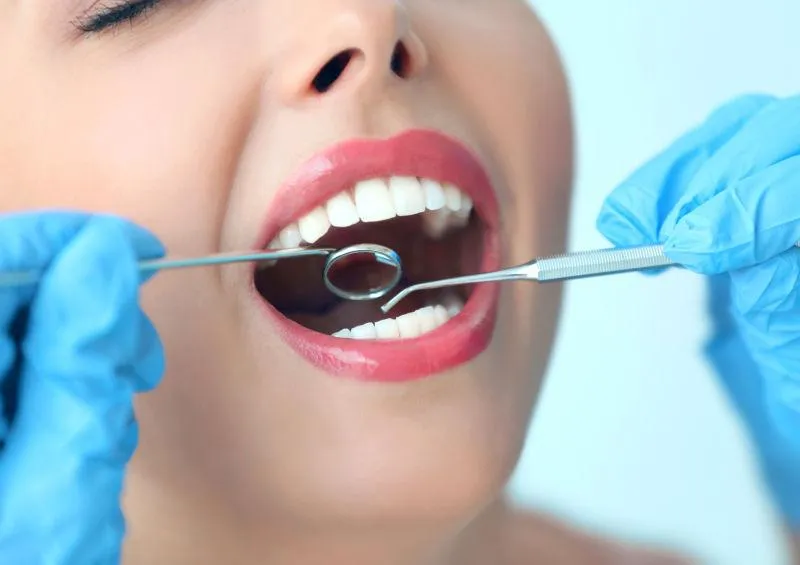
If you’re planning a tooth extraction in Thailand, you’ll find plenty of clinics that combine reasonable pricing with international-level care. From Bangkok to Chiang Mai and Phuket, many dentists here have trained overseas, speak clear English, and follow strict sterilization protocols. For expats living in the Kingdom and travelers on a short trip, getting a sore tooth sorted out here is convenient, safe, and usually very straightforward—no worries.
What “international dental experience” looks like in Thailand
In major Thai cities, clinics and hospital-based dental centers are used to seeing foreign patients every day. “International dental experience” typically means:
- English-speaking dentists and nurses, with some team members fluent in other languages in tourist areas.
- Dentists who hold DDS degrees locally and additional certificates or master’s training from the US, UK, Australia, Japan, or Europe.
- Clear treatment plans and consent forms in English, plus itemized bills.
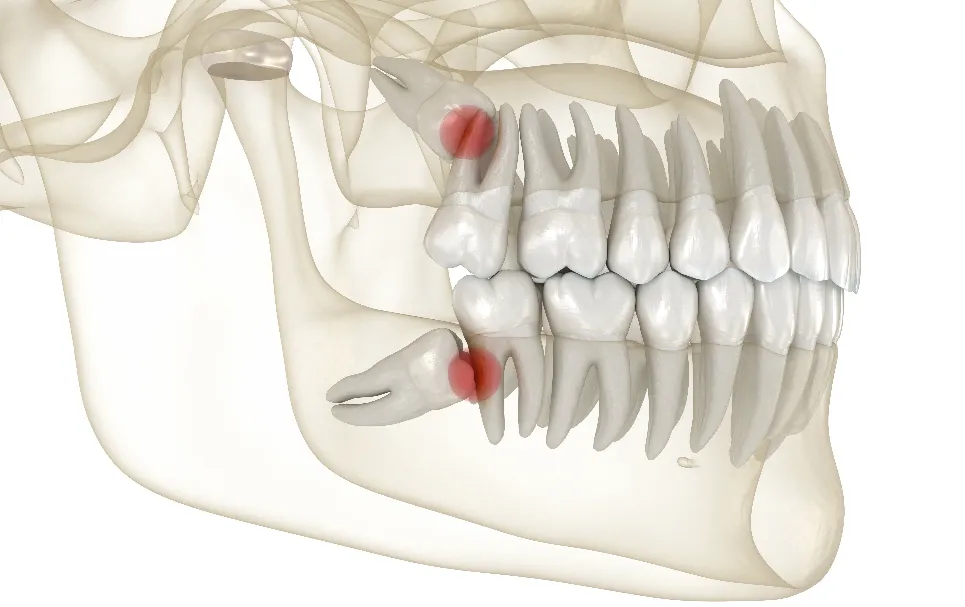
- Modern equipment such as digital X‑rays, CBCT scans for wisdom teeth, and Class B autoclaves for sterilization.
- Infection control aligned with global standards. Some hospital dental departments carry ISO or JCI accreditation, and independent clinics often publish their sterilization workflow.
Where to go: Bangkok, Chiang Mai, Phuket, and beyond
- Bangkok: You’ll find the highest concentration of clinics near BTS/MRT stations, as well as large private hospitals with dental centers. These are very expat-friendly, with transparent pricing and extended hours after work.
- Chiang Mai: Popular with digital nomads and retirees, the city offers relaxed clinics with strong English and gentle care—great for wisdom tooth removal if you want a calmer vibe.
- Phuket and Pattaya: Tourist hubs with plenty of English-speaking staff. Clinics here are experienced with same-day consult and treatment for travelers on tight schedules.
Wherever you go, check the dentist’s bio, years of experience with surgical extractions, and whether the clinic can coordinate sedation in a hospital if you prefer “sleep dentistry.”
What happens during a tooth extraction in Thailand
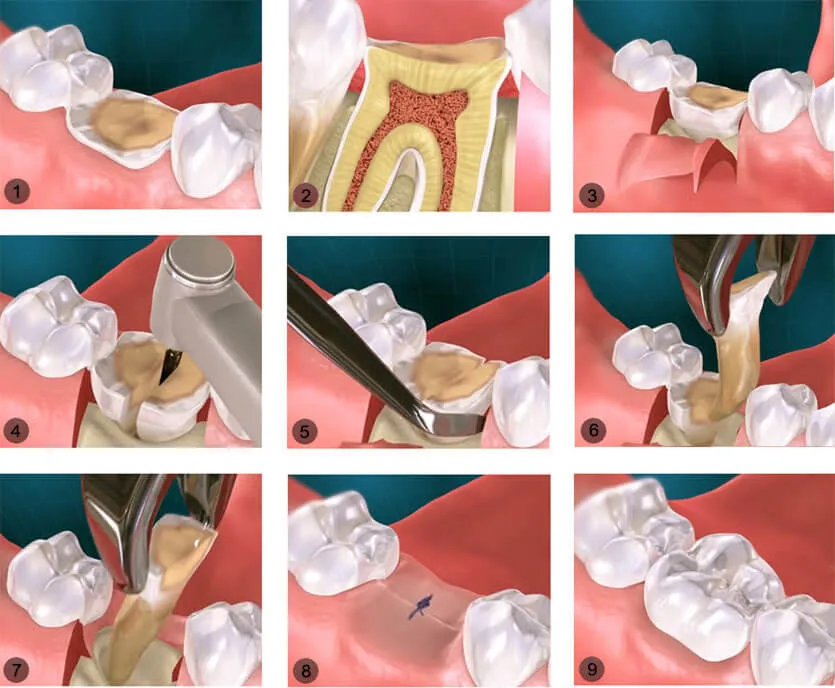
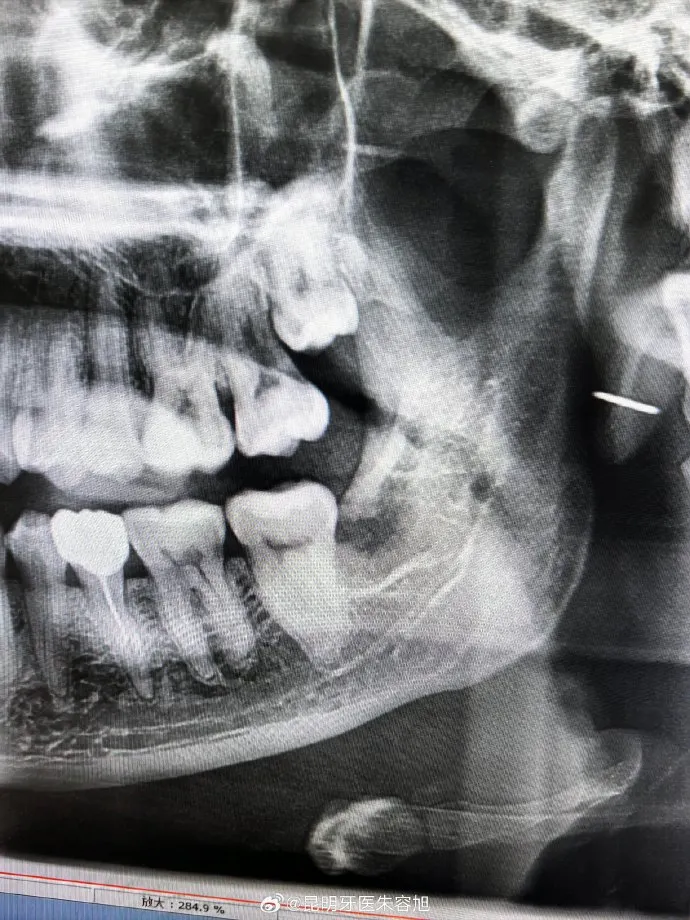
1) Consultation and X‑ray: The doctor will take a small X‑ray or 3D scan if a wisdom tooth is impacted. You’ll get a clear plan: simple extraction or surgical, estimated time, and fee.
2) Numbing: Local anaesthesia is standard. For very anxious patients or complex cases, IV sedation is arranged in a hospital setting. Most routine extractions are comfortably done under local.
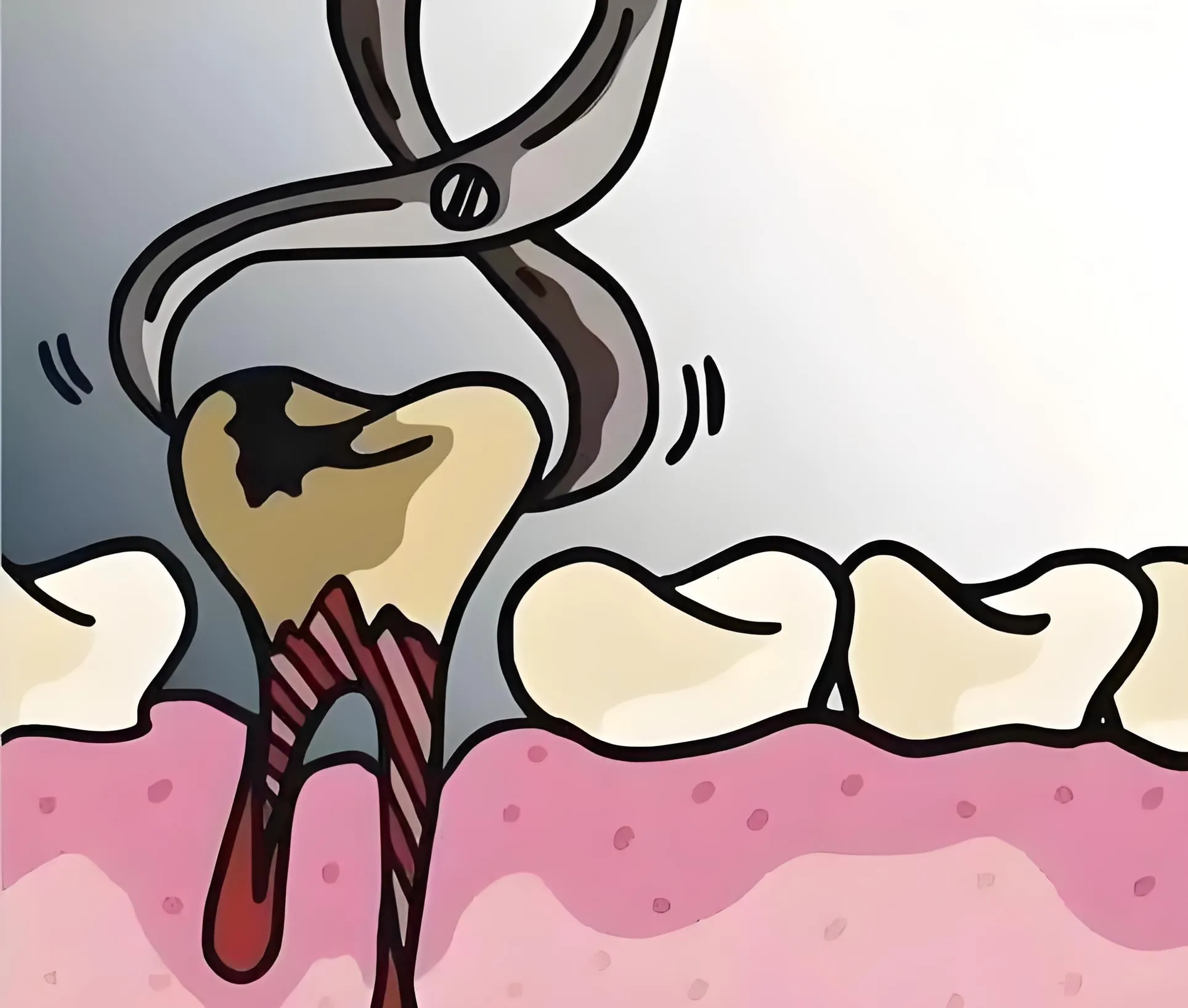
3) Extraction: Simple cases take 10–20 minutes. Impacted wisdom teeth may take 30–60 minutes and can involve a small incision and stitches.
4) Aftercare at the clinic: You’ll bite on gauze and rest in the air‑con waiting area for a short while. The clinic will provide written instructions in English and medication (painkiller and, if indicated, antibiotics).
5) Follow‑up: Stitches may be removed in 5–7 days. Many clinics offer a quick check without extra charge.
Typical costs (subject to city and complexity)
- Simple extraction: roughly 1,000–3,000 THB per tooth.
- Surgical extraction (including impacted wisdom tooth): roughly 5,000–12,000 THB per tooth.
- 3D CBCT scan (if needed): about 2,500–5,000 THB.
- IV sedation or general anaesthesia: arranged at a hospital and billed separately; expect several
thousand baht extra depending on duration and anaesthetist fee.
Prices vary with the clinic’s location, the doctor’s specialty, and whether it’s a hospital dental center or a private clinic. You can request a quotation by Line or email before booking.
How to choose the right clinic
- Check credentials: Look for Dental Council of Thailand license and any international training.
- Ask about experience: “How many surgical/wisdom tooth extractions do you do per week?” It’s a fair question and Thai dentists are happy to answer.
- Confirm sterilization: Autoclave type, instrument tracking, and single-use disposables for needles and suction tips.
- Get transparent pricing: A written estimate for the consult, X‑ray, extraction, and any sedation or follow-up.
- Language and communication: Make sure the clinic provides instructions in English and answers your questions clearly.
- Availability: If you need urgent care, ask about same-day slots and weekend hours. Avoid long queues by booking outside after-work peak times.
Booking and payment tips
- Booking: Most clinics accept appointments via phone, email, Facebook, or Line. Walk-in is possible, but booking is better, especially near public holidays.
- Payment: Cash and major cards are widely accepted. Some hospital clinics can do direct billing for certain international insurers; otherwise, pay first and claim later.
- Medical history: Share allergies, current meds, and any heart, blood pressure, or bleeding disorders. Bring a list in English for the doctor.
Travel and timing considerations
- Don’t plan a beach or island trip immediately after extraction. Give yourself 48–72 hours to rest.
- Flying after a simple extraction is usually fine after 24–48 hours; for surgical wisdom tooth removal, allow at least 3–5 days if possible to reduce swelling and discomfort.
- Avoid diving for at least one week after surgical extractions.
- If you need multiple extractions, you can split appointments to keep downtime minimal.
Aftercare basics you’ll hear at Thai clinics
- Keep the gauze in place for 30–60 minutes and avoid spitting or drinking through a straw for the first 24 hours.
- Ice pack on and off for the first day to reduce swelling.
- Soft diet: congee, yogurt, scrambled eggs, smoothies (no straw), and plenty of water.
- Rinse gently with warm salt water from day two onward.
- No alcohol and no smoking for at least 72 hours—longer is better for healing.
- Take painkillers and antibiotics as prescribed. If you prefer to avoid antibiotics, discuss with the doctor; they’re not always necessary for simple extractions.
When to contact the clinic
- Persistent or heavy bleeding beyond a few hours.
- Severe pain that worsens after day two (possible dry socket).
- Fever, foul taste, or significant swelling.
- Numbness that doesn’t improve after the anaesthesia wears off.
Clinics are responsive and will usually arrange a quick review, even for travelers.
Why Thailand is a smart choice
Thailand combines skilled, friendly dentists with modern equipment, clear communication, and sensible pricing. Whether you’re an expat who needs a dependable family clinic or a visitor tackling a stubborn wisdom tooth, the process here is smooth and efficient. With a bit of planning—checking credentials, confirming costs, and lining up your schedule around the procedure—you’ll be in and out with minimal downtime and a comfortable, well-managed recovery.