Thailand Tooth Extraction Clinics Providing Safe Dental Procedures
Thailand Tooth Extraction Clinics Providing Safe Dental Procedures
Thailand Tooth Extraction Clinics Providing Safe Dental Procedures
Planning a tooth extraction in Thailand? No worries. The Kingdom has built a strong reputation for safe, modern, and affordable dental care, with experienced dentists who speak good English and clinics that follow international infection control standards. Whether you are living in Bangkok, visiting Chiang Mai, or taking a beach break in Phuket, you can expect a smooth process from consultation to aftercare.
What safe tooth extraction looks like in Thailand
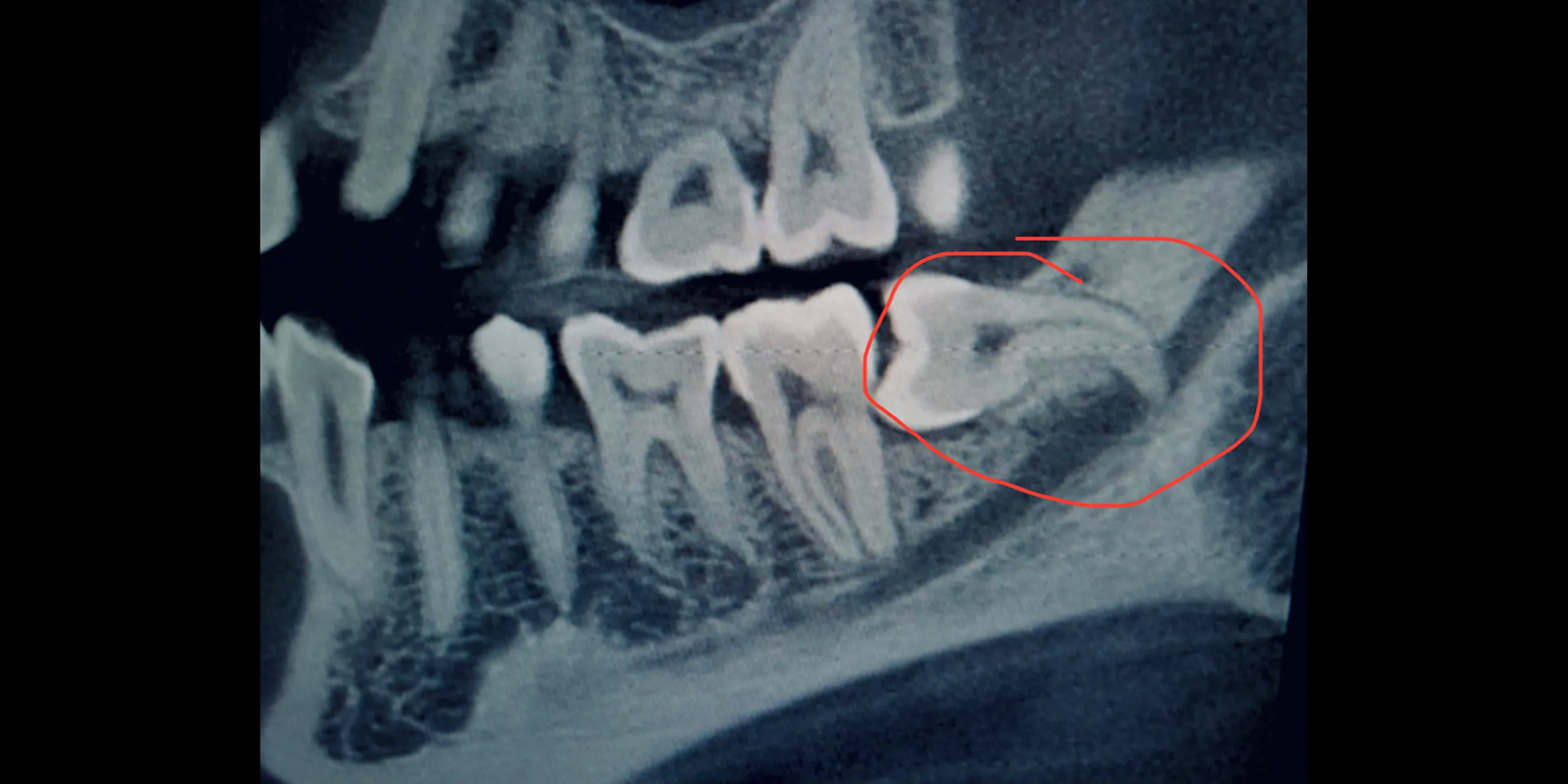
- Pre-extraction assessment: Clinics start with a friendly consultation, a quick health questionnaire, and a blood pressure check. Digital X-rays (panoramic or periapical) are standard so the dentist can see root shape, bone levels, and nerve location before planning the extraction.
- Qualified dentists: Dentists are licensed by the Thai Dental Council and many train further in oral surgery or implantology. For complex wisdom teeth, clinics often refer to an oral and maxillofacial surgeon.
- Clear treatment plan: You’ll get a straightforward explanation of the options, fees in Thai baht, and a consent form in English. If you have questions about pain, healing time, or work leave, the team will explain step by step.
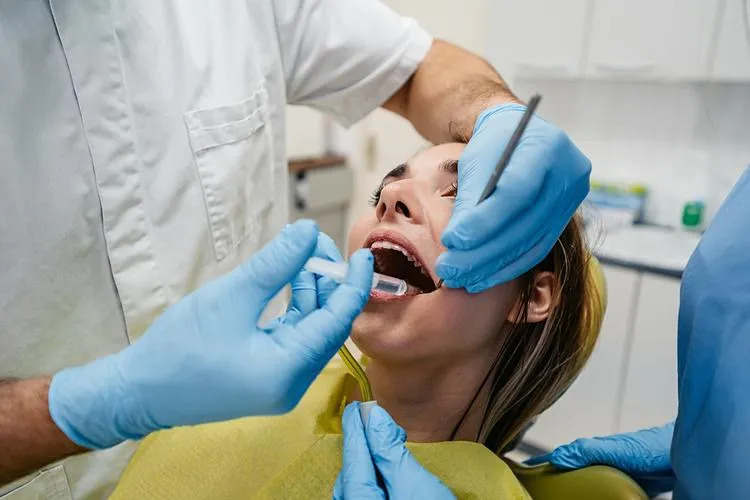
- Effective anesthesia: Topical gel is applied before the local anesthetic injection, so you mostly feel pressure, not pain. If you feel any discomfort, just raise your hand—Thai dentists are very service-minded and will top up the anesthetic.
- Sterilization and hygiene: Look for sealed instrument pouches, autoclave logs, disposable needles, and clinicians wearing gloves, masks, visors, and gowns. Rooms are cleaned between patients, and surfaces are covered with single-use barriers.
- Emergency readiness: Reputable clinics keep emergency drugs and oxygen on-site and have referral links with nearby hospitals for rare complications.
Types of extractions and who does them
- Simple extraction: For loose or single-root teeth with good access. Usually done by a general dentist in 20–40 minutes.
- Surgical extraction: For broken teeth or those with curved roots. Involves a small flap and bone trimming. Expect 40–60 minutes and stitches.
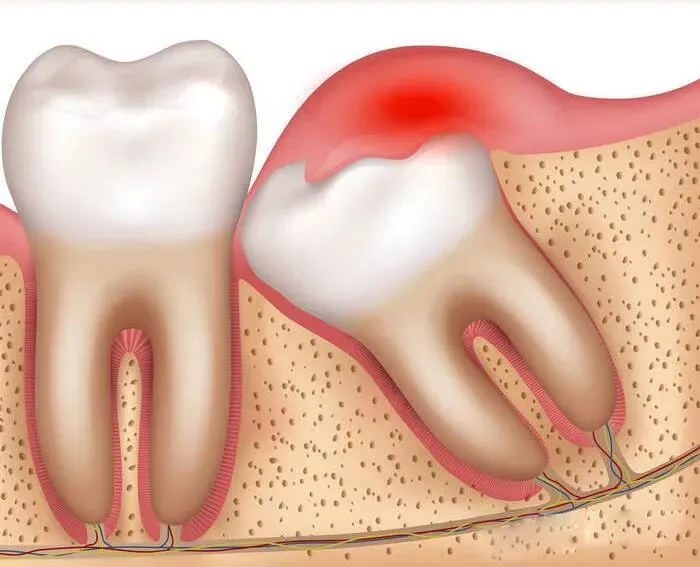
- Wisdom teeth removal: If impacted, an oral surgeon may handle it. Clinics will often recommend a cone beam CBCT for lower wisdom teeth close to the nerve. Sedation may be arranged in hospital-based dental centers if needed.
Costs and what’s included
Prices vary by city and clinic type, but Thailand remains excellent value:
- Simple extraction: roughly 1,500–4,000 THB in private clinics; public hospitals or dental schools may quote lower.
- Surgical or impacted wisdom tooth: around 5,000–15,000 THB per tooth depending on complexity.
- Sedation or general anesthesia (if used): additional 10,000–25,000+ THB, usually available in hospital settings only.
Ask if the fee includes X-rays, medications, follow-up visits, and suture removal. Most clinics accept cash, credit cards, and QR PromptPay. If you have insurance, bring your card or ask for a detailed receipt for claims.
How to choose a clinic with confidence
- Check credentials: You can ask for the dentist’s Thai Dental Council license number and see certificates in the waiting area. Many clinics are members of the Thai Dental Association.
- Read reviews: Google Maps reviews give a good sense of patient experienc
e. Look for comments on cleanliness, communication, and pain control.
- Language and service: Choose a clinic with English-speaking staff. Many clinics reply quickly on Line (the most common messaging app in Thailand).
- Location and access: Clinics near BTS or MRT stations (especially in Bangkok) save time. If you’re driving, ask about parking on the soi.
- Equipment: Digital X-rays, CBCT (for complex cases), and modern sterilizers are good signs.
- Transparent fees: A printed or WhatsApp/Line quote with procedure codes helps avoid surprises.
- Aftercare support: Ask if they provide written instructions, emergency contacts, and Line follow-up for photos and questions.
What to expect on procedure day
- Before your visit: Eat a light meal, brush gently, and take regular medications unless your dentist says otherwise. If you’re on blood thinners, bring a medical letter. For sedation cases, arrange a companion and don’t drive.
- At the clinic: You’ll check in, sign consent, and have a quick X-ray if not already done. The dentist tests the area to make sure you’re fully numb before starting.
- During extraction: You’ll feel pressure and vibration, but not sharp pain. The dentist may section the tooth to remove it safely without stressing the bone.
- After extraction: You’ll bite on sterile gauze for 20–30 minutes to stop bleeding. Most patients get painkillers and, when indicated, antibiotics. You’ll also receive a simple aftercare sheet in English.
Aftercare tips that fit Thai lifestyles
- Bleeding control: Keep gentle pressure with the gauze for the first 30 minutes. Small oozing is normal for a few hours.
- Food and drink: For 24–48 hours, skip spicy dishes, very hot soup, and sticky rice that can disturb the clot. Choose soft, cool foods like yogurt, congee, or soft boiled eggs. Avoid straws and carbonated drinks on day one to protect the clot.
- Oral care: Don’t rinse vigorously on day one. From day two, rinse gently with warm saltwater after meals. Brush the other teeth as normal, avoiding the socket area.
- Pain and swelling: Use prescribed painkillers and apply an ice pack outside the cheek for 10 minutes on, 10 minutes off during the first day. Sleep with your head slightly elevated.
- Habits: Avoid smoking and alcohol for at least 48–72 hours. If you love Thai iced tea, go without a straw and keep it lukewarm.
- Warning signs: Strong pain after day three, increasing swelling, fever, or a bad taste may indicate a dry socket or infection. Message the clinic on Line or call for a quick check; most offer fast follow-up without extra charge.
Why Thailand stands out for dental extractions
- Value for money: High-quality care at affordable rates compared with many Western countries.
- Modern clinics: Clean, air-con treatment rooms with digital tech and strict sterilization.
- Experienced teams: Many dentists treat both local and international patients daily.
- Easy access: Convenient locations near BTS/MRT, flexible hours, and walk-in options for emergencies.
- Service culture: Friendly, “mai pen rai” attitude, but professional and safety-focused when it matters.
Final tip: Book a consultation first, either by phone or Line, and bring your passport or Thai ID for registration. With a clear plan and the right clinic, tooth extraction in Thailand is straightforward, safe, and handled with genuine care from start to finish.