Thailand Tooth Extraction Procedures Designed for Overseas Patients
Thailand Tooth Extraction Procedures Designed for Overseas Patients
Thailand Tooth Extraction Procedures Designed for Overseas Patients
If you are planning a trip to the Land of Smiles and thinking about dental care, tooth extraction in Thailand is a straightforward, well-organised process designed with international visitors in mind. From English-speaking dentists to transparent pricing and easy booking, clinics in Bangkok, Chiang Mai, Phuket, and Pattaya have set up smooth pathways so overseas patients can feel sabai sabai from consultation to recovery.
Why Thailand for tooth extraction
Thailand’s dental sector is known for skilled dentists, modern equipment, and excellent chairside manner. Many dentists train overseas and speak clear English, clinic staff are used to international patients, and appointment systems are fast—no long queue. Whether it’s a simple shaky tooth, a badly decayed molar, or an impacted wisdom tooth causing swelling, you’ll find care that balances quality, comfort, and value.
What to expect at your appointment
Most international-friendly clinics offer easy pre-arrival communication via email, LINE, or WhatsApp. You can share previous records, but don’t worry if you don’t have them. The usual flow is:
- Registration and brief medical history (allergies, medications, past surgeries)
- Oral examination and X-ray (often a panoramic X-ray to see roots and nerves)
- Treatment plan discussion, including options, risks, and recovery expectations
- Clear quotation in Thai Baht (THB), with what’s included (X-ray, extraction, medicines, follow-up)
Simple extractions can often be done on the same day. If the case is complex—like a horizontal wisdom tooth—your dentist may schedule surgical removal with a specialist or at a hospital for IV sedation.
Types of extractions and pain control
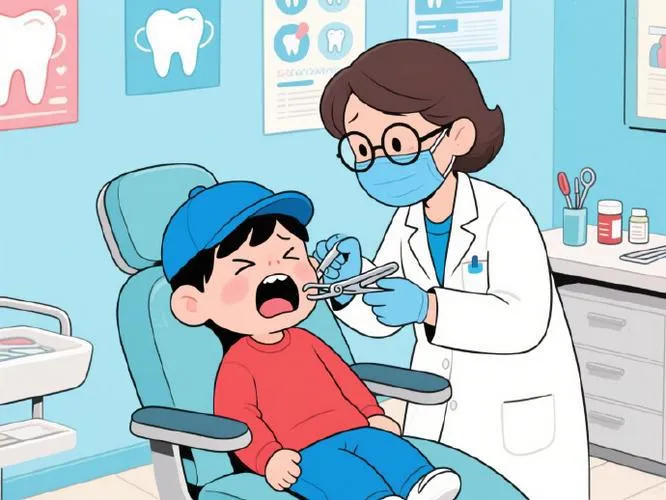
- Simple extraction: For teeth that are visible and not severely broken. After a numbing injection, the dentist gently loosens the tooth and removes it. Time on the chair is usually 10–20 minutes.
- Surgical extraction: For broken teeth, curved roots, or impacted wisdom teeth. A small gum incision may be needed; sometimes the tooth is sectioned. Procedure time is typically 30–60 minutes, and dissolvable or removable stitches may be placed.
- Anaesthesia and sedation: Local anaesthesia is standard and very effective. Clinics can provide oral sedation for anxious patients, and some hospitals offer IV sedation with an anaesthesiologist for complex cases. General anaesthesia is reserved for special indications.
Rest assured, the numbing works quickly, and your dentist will check that you feel comfortable before starting. You may feel pressure, but sharp pain is not expected.
Safety, sterilisation, and standards
Reputable clinics in Thailand follow strict infection-control protocols: single-use needles, autoclaved instruments, surface disinfection, and protective barriers. Clinics are regulated by the Ministry of Public Health and the Dental Council of Thailand, and many larger centres pursue international standards or ISO-level processes. If you’d like, ask to see the sterilisation area—staff are usually happy to explain.
Typical costs and what’s included
Fees vary by city and clinic level, but you can expect transparent quotes. As a general guide:
- Simple extraction: commonly ranges around 1,000–2,500 THB per tooth
- Surgical extraction (non-impacted): often 2,500–5,000 THB
- Impacted wisdom tooth removal: commonly 4,000–12,000 THB depending on complexity
- Panoramic X-ray: often 400–1,000 THB
- IV sedation (if chosen): additional fee, quoted case by case
Many clinics include
basic post-op medicines (pain control, mouth rinse) and a follow-up visit. Always confirm what is included before treatment—Thai clinics are very used to price transparency and will print a full cost breakdown for you.
How to book and plan your timing
- Booking: Contact the clinic via website form, email, LINE, or WhatsApp. Share your travel dates so they can secure a suitable time slot.
- Schedule: Avoid planning a long flight on the same day as extraction. For a simple extraction, allow at least 24–48 hours before long-haul travel. For impacted wisdom tooth surgery, keep 5–7 days buffer for swelling and suture review.
- Location: Choose a clinic convenient to BTS/MRT in Bangkok or near your hotel. Many places are on main roads with easy Grab/taxi access.
Pre-extraction tips
- Eat a light meal 1–2 hours before your appointment if you will have local anaesthesia. Do not come on an empty stomach unless advised otherwise.
- Bring your medication list. Do not stop prescribed blood thinners or other medicines without medical advice. Your dentist will coordinate if adjustments are needed.
- If you choose sedation, arrange a friend or hotel transfer afterward and avoid driving.
Aftercare in simple steps
- Bite gently on the gauze for 30–60 minutes to stop bleeding, then change as instructed.
- No vigorous rinsing or spitting for the first 24 hours to protect the blood clot.
- From day 2, rinse gently with warm salt water after meals.
- Use pain medicine as prescribed. Ibuprofen or paracetamol is commonly given; avoid aspirin unless your doctor says it’s okay, as it can increase bleeding.
- Apply an ice pack on and off for the first day to reduce swelling.
- Eat soft foods: jok (rice porridge), khao tom, yogurt, smoothies without a straw, mashed banana, soft eggs. Avoid very hot, spicy, or crunchy foods at first.
- Do not smoke or drink alcohol for at least 72 hours. Smoking increases the risk of dry socket.
- Sleep with your head slightly elevated on the first night.
- Keep the area clean with gentle brushing, avoiding the socket for the first day.
Follow-up and communication
If stitches are non-dissolving, removal is usually in 5–7 days. Some clinics use dissolvable sutures and will check healing on video call if you have already flown home. Thai clinics are responsive on LINE and email, and many provide an emergency number for after-hours concerns.
Travel-friendly extras
- Documentation: Ask for an English treatment summary and receipt for your records. Some clinics can provide diagnostic codes on request for insurance claims.
- Payment: Cash, major credit cards, and Thai QR PromptPay are commonly accepted.
- Accessibility: Many facilities have lifts and wheelchair access; let the clinic know in advance if you need assistance.
Warning signs to watch
Contact the clinic promptly if you notice heavy bleeding that does not stop after standard measures, increasing swelling after day three, fever, foul taste, or severe pain radiating to the ear—these can indicate infection or dry socket. Most issues are easily managed if addressed early.
A relaxed, patient-centred experience
The hallmark of Thai healthcare is warm service and a calm approach. Dentists will explain each step, check your comfort frequently, and provide practical take-away advice so your recovery is smooth. With clear pricing, modern techniques, and friendly staff, tooth extraction in Thailand is designed to be hassle-free for overseas visitors—so you can focus on healing, enjoy some gentle sightseeing, and leave with your smile well looked after.