Thailand Tooth Extraction Procedures With Safe Clinical Standards
Thailand Tooth Extraction Procedures With Safe Clinical Standards
Thailand Tooth Extraction Procedures With Safe Clinical Standards
Thinking about getting a tooth pulled in Thailand? Whether you’re a local, an expat, or visiting for dental care, tooth extraction here follows strict clinical standards. Thai dentists are well-trained, clinics are modern, and safety protocols are clearly set by national authorities. With the right preparation and a professional team, the procedure is straightforward and recovery is usually smooth.
How Thailand sets safe clinical standards
- Regulation and licensing: Dental clinics and hospitals operate under the Ministry of Public Health, and dentists are licensed by the Dental Council of Thailand. Medications and devices are approved by the Thai FDA.
- Accreditation culture: Many hospitals hold HA (Hospital Accreditation) from the Healthcare Accreditation Institute, and some private hospitals are also JCI-accredited, showing strong quality and patient safety systems.
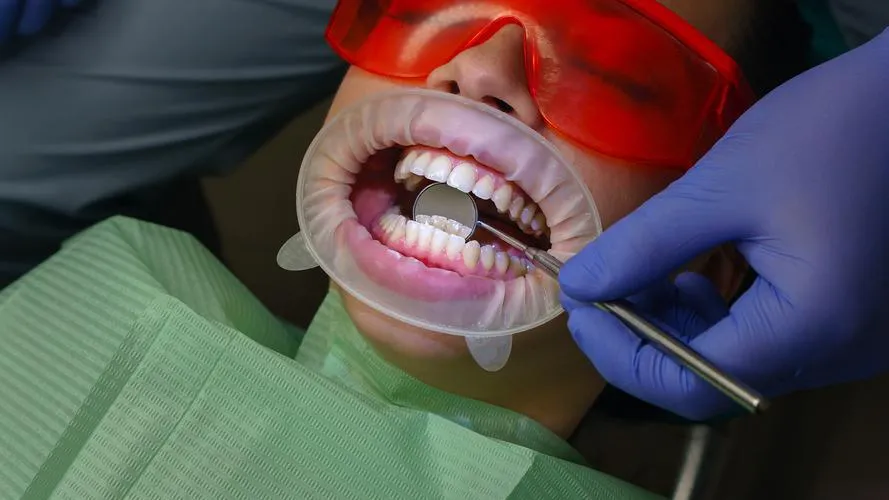
- Infection control: Clinics follow standard precautions—autoclave sterilisation with indicator strips, sealed instrument pouches, single-use needles and blades, PPE for staff, and disinfected treatment rooms and water lines. You’ll often see clear sterilisation logs and trays opened in front of you.
When a tooth extraction is recommended
Your dentist will only recommend extraction when a tooth cannot be saved or when keeping it may affect your overall oral health. Common reasons include:
- Severe decay or fracture beyond repair
- Advanced gum disease with loose teeth
- Impacted or infected wisdom teeth
- Overcrowding before orthodontic treatment
- Cracked roots or failed root canal
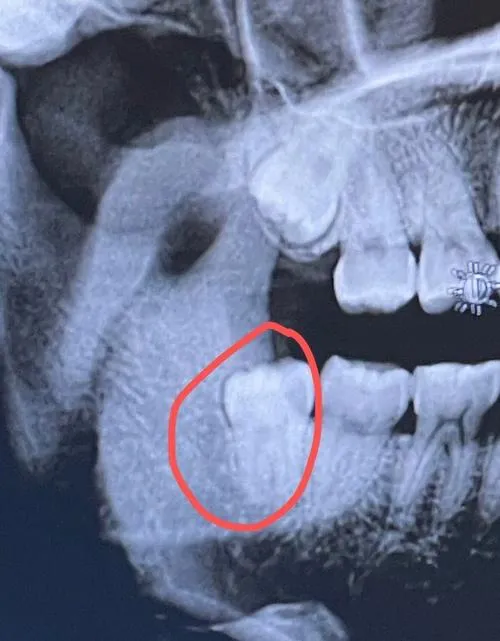
A dental examination will include digital X-rays (periapical or panoramic OPG). For complex wisdom teeth near nerves or sinuses, you may be advised to do a CBCT scan for a 3D view, which helps the dentist plan a safe surgical approach.
What to expect during the procedure
1) Consultation and consent
- The dentist reviews your medical history and medications (especially blood thinners, diabetes control, allergies).
- You’ll get a clear explanation of the procedure, risks, benefits, and costs. Consent forms are commonly available in Thai and English.
- If sedation is needed, it’s usually arranged in a hospital setting with an anaesthesiologist.
2) Pre-op preparation
- For a simple extraction, you can have a light meal. If you’re scheduled for IV sedation, fasting rules will be given.
- Bring your medical records if you have them and arrive a bit early to take a queue number and relax.
3) Anaesthesia
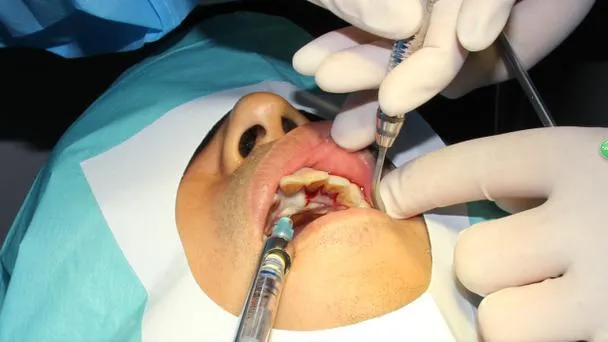
- Local anaesthetic is injected to numb the tooth and surrounding tissues. You will feel pressure, not pain. If you’re anxious, discuss options like oral anti-anxiety medication; some centres offer IV sedation for surgical cases.
4) Simple vs surgical extraction
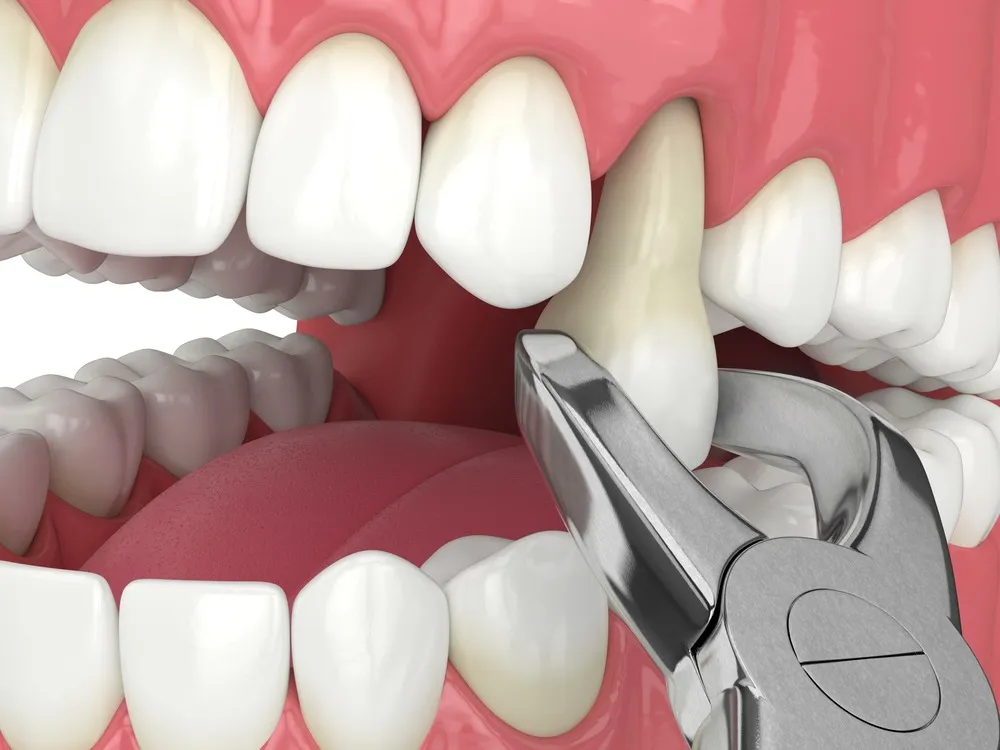
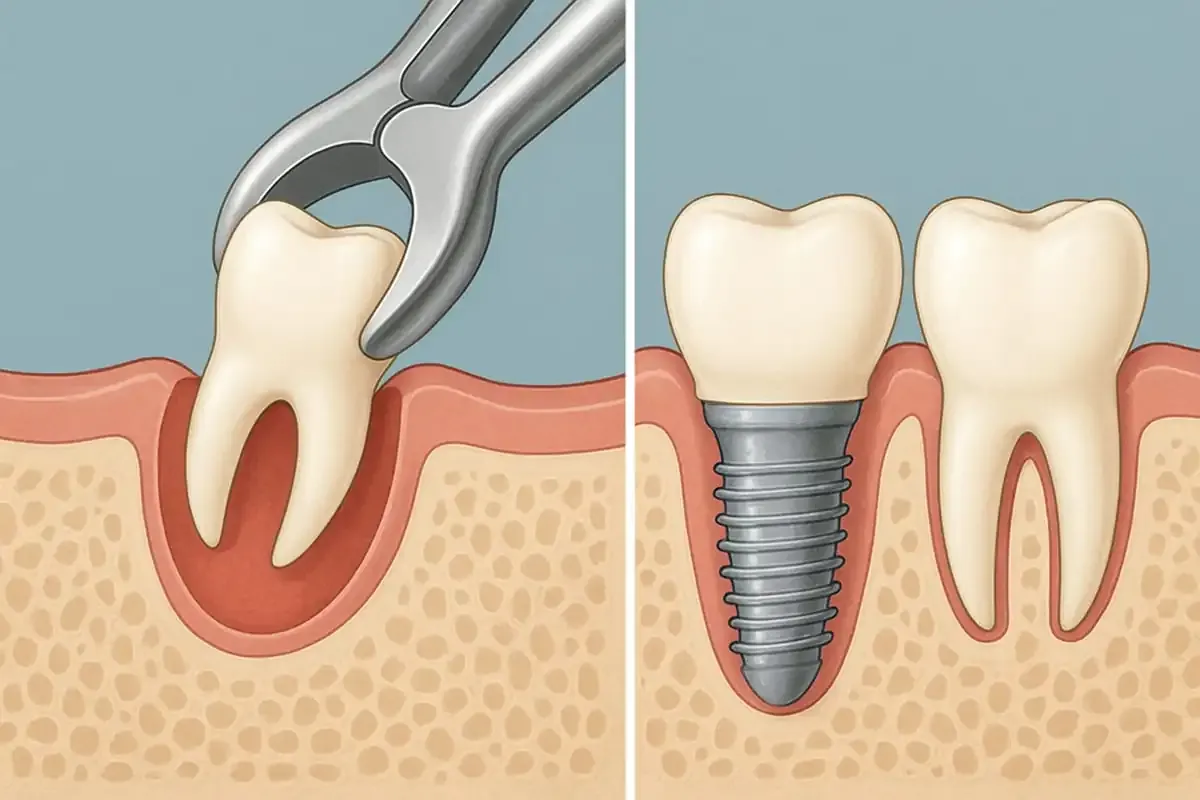
- Simple extraction: The tooth is gently loosened and lifted out. This is common for mobile or erupted teeth.
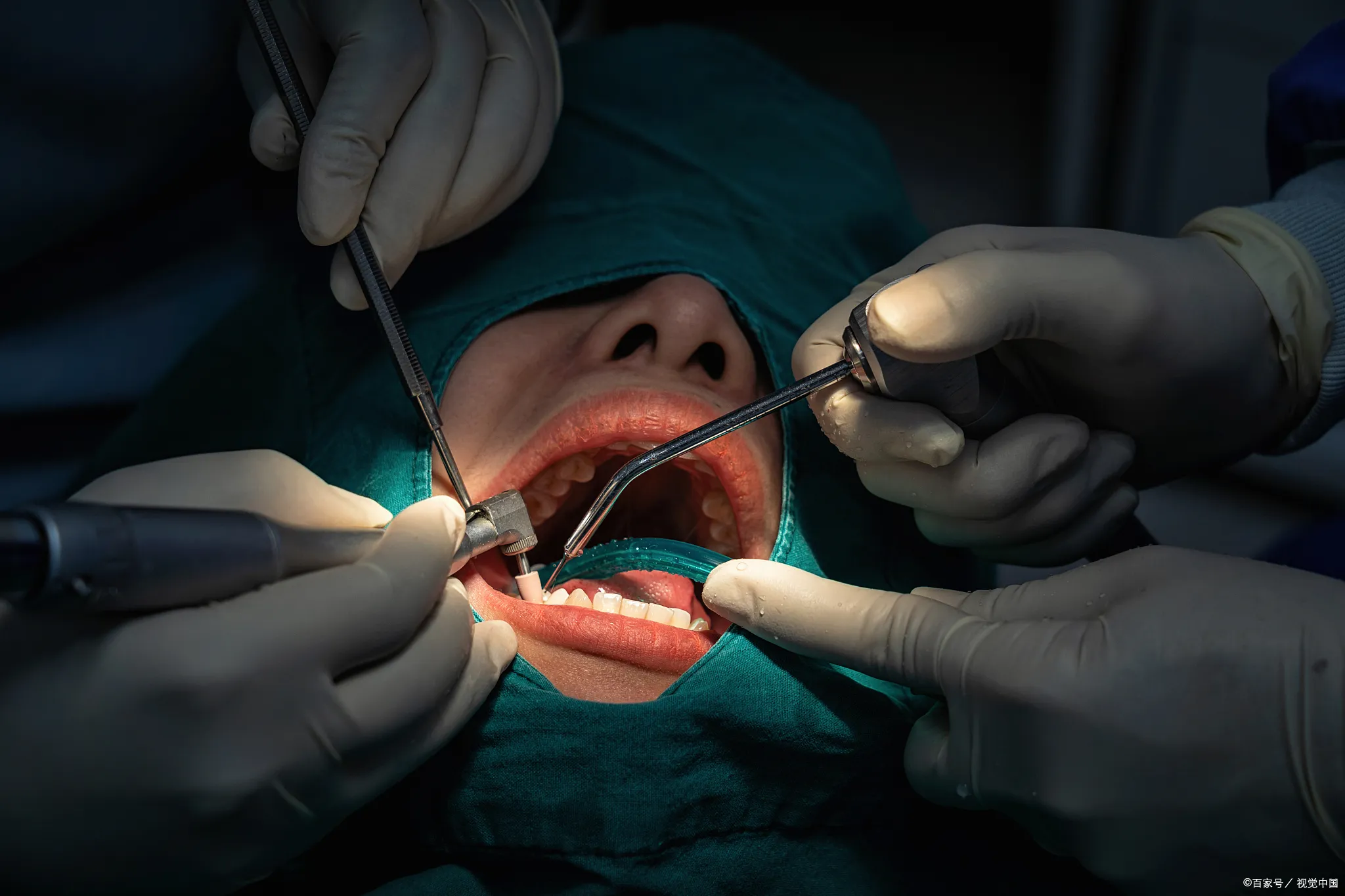
- Surgical extraction: For impacted or broken teeth, a small incision may be made, a bit of bone may be trimmed, and the tooth sectioned for safe removal. Dissolvable or removable stitches may be placed.
5) Immediate aftercare at the clinic
- You’ll bite on sterile gauze for 30–60 minutes to control bleeding.
- The dentist will check stability of the blood clot, review home-care instructions, and provide a follow-up plan.
Pain control and medication
- Pain relief: Non-steroidal anti-inflammatory drugs (e.g., ibuprofen) or parac
etamol are commonly prescribed. Take as directed and avoid duplicating active ingredients.
- Antibiotics: Not always required. They’re prescribed when there’s active infection, systemic risk, or extensive surgery—this is in line with antibiotic stewardship.
- Swelling: A cold compress on-and-off during the first 24 hours can help. Swelling usually peaks on day 2–3 and then settles.
Clear, practical aftercare
- Keep pressure: Bite on the gauze as advised; change it if needed.
- Rest: Take it easy on the day, keep your head slightly elevated, and avoid strenuous exercise for 24–48 hours.
- Food and drink: Choose soft, cool foods—yoghurt, rice porridge (jok), smoothies (no straw), mashed potatoes, soft-boiled eggs. Avoid hot, spicy, hard, or crunchy foods in the first couple of days.
- No smoking and no straws: Both can dislodge the clot and cause dry socket.
- Mouth care: Don’t rinse in the first 24 hours. From day 2, rinse gently with warm salt water after meals. Brush normally but be gentle around the site. If chlorhexidine mouthwash is prescribed, use it as directed.
- Stitches: If you have non-dissolving stitches, return in about 5–7 days to remove them.
- When to call the clinic: Heavy bleeding that doesn’t stop, worsening pain after day 3, fever, foul taste or odour, or swelling that spreads.
Costs you can expect in Thailand
Prices vary by city, clinic type, and complexity, but clinics are generally transparent and post a price list.
- X-rays: 200–1,000 THB for periapical or panoramic; CBCT scans 2,500–4,500 THB depending on area.
- Simple extraction: Around 800–2,500 THB in clinics; 1,500–4,000 THB in hospitals.
- Surgical or impacted wisdom tooth removal: Around 3,500–12,000 THB per tooth, depending on difficulty and setting.
Thai citizens with government coverage may access extractions at state hospitals under the Universal Coverage Scheme, subject to eligibility and queue. For expats and visitors, many clinics accept international cards, and some hospitals can provide insurance-friendly documentation.
How to choose a safe, reliable clinic
- Qualifications: Look for a licensed dentist (D.D.S.) and, for complex cases, an oral & maxillofacial surgeon.
- Facility standards: Ask about sterilisation (autoclave with indicators), instrument tracking, and emergency protocols.
- Imaging and tech: Digital X-rays or CBCT on site or nearby is a plus.
- Communication: English-speaking staff, written aftercare, and clear consent forms help you feel confident.
- Transparent pricing: Confirm whether the quoted price includes X-rays, medication, follow-up, and stitch removal.
A few tips for visitors and expats
- Schedule smart: Allow 2–3 easy days after extraction before island trips or long journeys. Avoid scuba diving and intense workouts during early healing.
- Diet planning: Stock soft foods in your hotel or condo. Avoid very spicy dishes and alcohol until the area settles.
- Keep documents: Request a medical certificate if you need time off work or a record for insurance.
The bottom line
Tooth extraction in Thailand is performed under safe clinical standards, with careful planning, proper anaesthesia, and strict infection control. With a licensed dentist, clear communication, and good aftercare, most patients find the experience more comfortable than expected. If you follow your dentist’s instructions and give yourself time to heal, you’ll be back to your normal routine—smiling with confidence—very soon.