Thailand Tooth Extraction Procedures With Professional Clinical Support
Thailand Tooth Extraction Procedures With Professional Clinical Support
Thailand Tooth Extraction Procedures With Professional Clinical Support
Tooth extraction is one of the most common dental procedures in Thailand, managed every day by experienced dentists and oral surgeons in clinics and hospitals across Bangkok, Chiang Mai, Phuket, Pattaya, and many provincial cities. Whether you are a local resident, expat, or traveller who needs urgent care, you will find professional clinical support, clear communication, and modern equipment to keep the process smooth and safe.
Why Thailand is a reliable choice
Thailand’s dental sector is well-known for high standards, friendly service, and transparent fees. Many dentists hold DDS degrees with specialist training in oral surgery or periodontology. Larger hospitals often have JCI accreditation and on-site oral surgeons, while reputable clinics invest in digital X-rays, CBCT scans, and strict sterilisation protocols. English-speaking staff are common in urban areas, and the overall approach is practical and reassuring—no need to worry, the doctor will explain each step and make sure you are comfortable.
When a tooth extraction is recommended
Dentists in Thailand will only recommend extraction when it’s truly necessary. Typical reasons include:
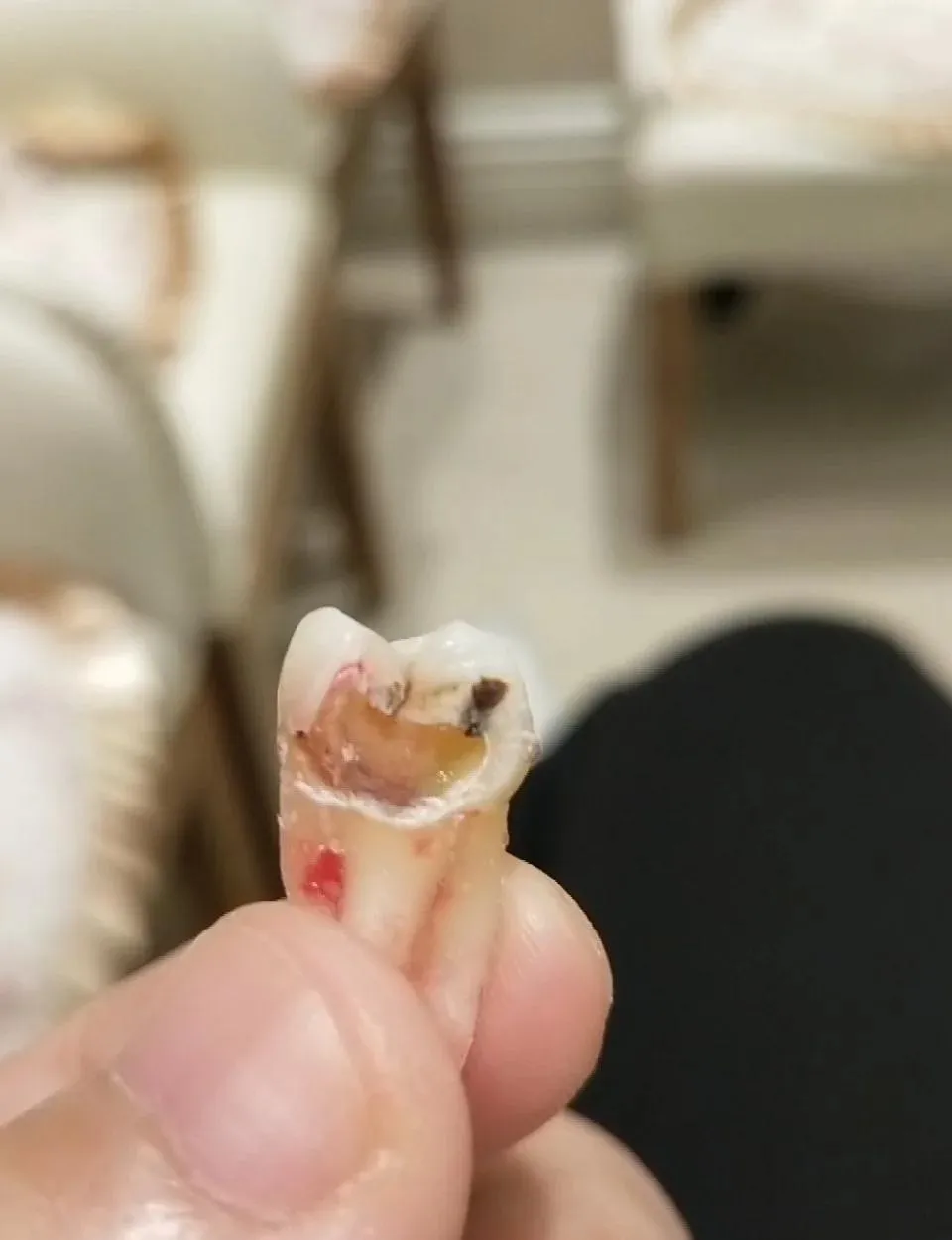
- Severe decay or broken tooth that cannot be saved with a crown or root canal
- Advanced gum disease causing mobility
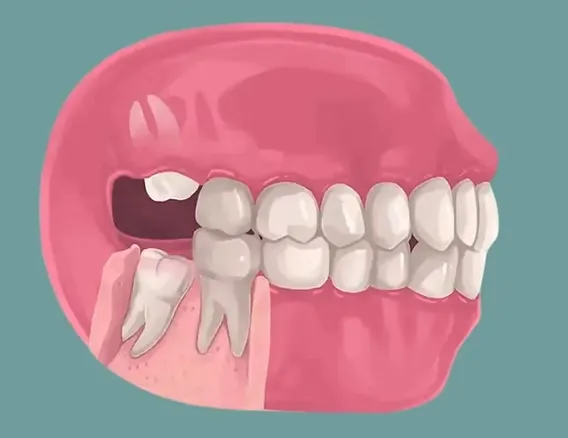
- Impacted or infected wisdom teeth
- Orthodontic reasons to create space
- Fractured roots or failed previous treatment
If you’re visiting Thailand and develop severe toothache or swelling, clinics can usually accommodate same-day or next-day consultations, with X-ray facilities available on-site for quick diagnosis.
What to expect step by step
1) Booking and registration: You can book by phone, Line, or simply walk in. At reception, you’ll be asked for Thai ID or passport. The clinic will check your medical history, medications, and allergies.
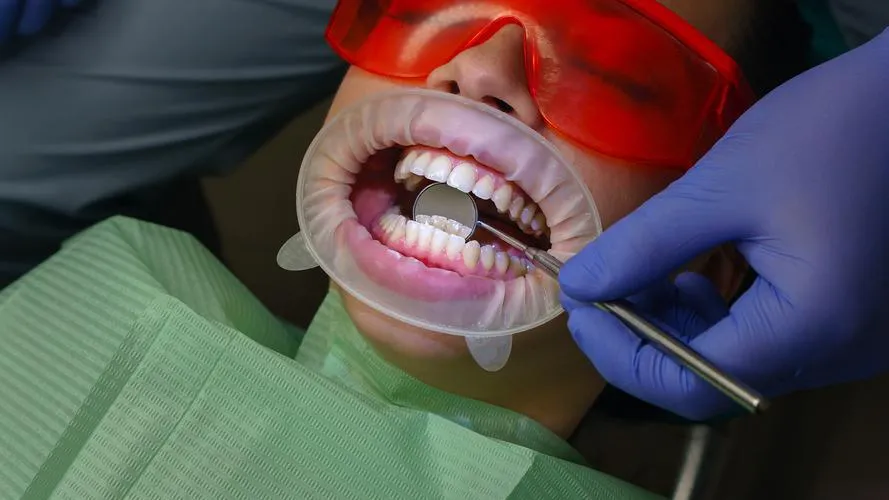
2) Examination and X-ray: A periapical film or panoramic X-ray (OPG) helps the dentist see root shape, bone level, and impacted positions. For complex wisdom teeth, a CBCT scan may be recommended.
3) Treatment plan and consent: The dentist discusses options—simple vs surgical extraction, local anaesthesia vs sedation—and explains risks, fees, and aftercare. You’ll sign a consent form after all questions are answered.
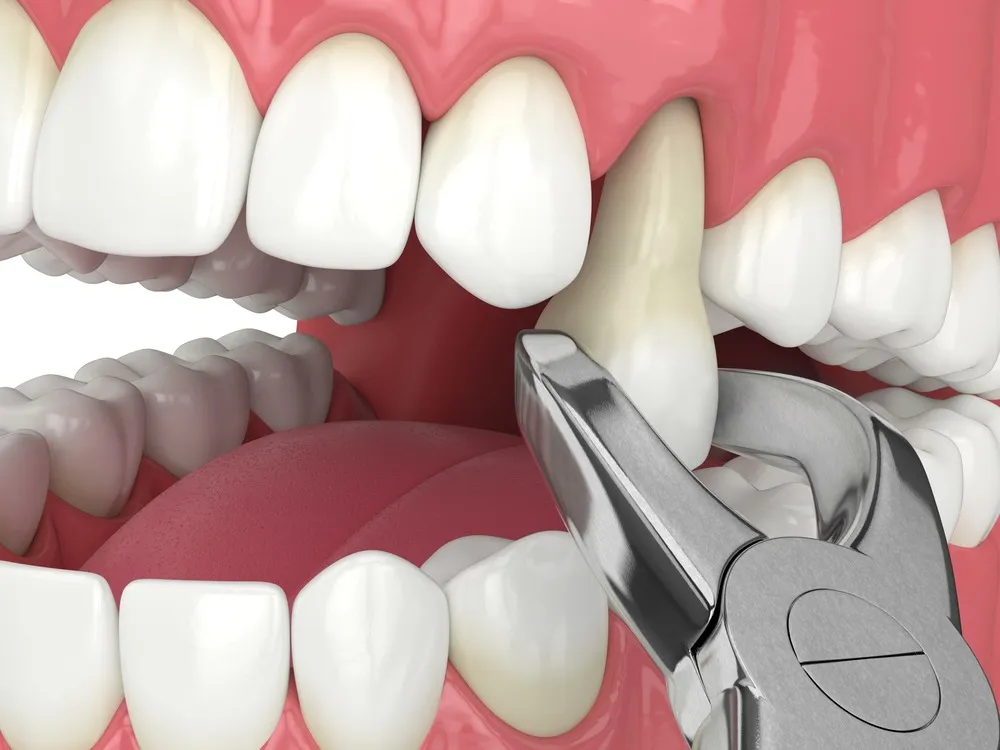
4) Anaesthesia and extraction: Local anaesthesia is applied, usually lidocaine or articaine. You will feel pressure but not sharp pain. Simple extractions involve gentle loosening and removal. For impacted wisdom teeth, a minor surgical approach may be used, sometimes with stitches.
5) Medication and instructions: You’ll receive gauze, printed aftercare instructions, and prescriptions—typically ibuprofen or paracetamol, and antibiotics only if clinically indicated. An antiseptic mouthwash may be provided.
6) Follow-up: For surgical cases or sutures, a review in 5–7 days is arranged. If there’s any problem—persistent bleeding, severe pain, or fever—call the clinic directly; most will advise you to return for a quick check without delay.
Types of tooth extraction
- Simple extraction: For teeth that are visible and not severely broken. This is quick and straightforward under local anaesthesia.
- Surgical extraction: For broken roots, curved roots, or impacted teeth (especially lower wisdom teeth). The dentist or oral surgeon may open the gum, remove a small amount of bone, section the tooth, and place stitches. Sedation can be arranged in many hospitals and some advanced clinics for
anxious patients.
- Wisdom tooth removal: Upper wisdom teeth are often easier; lower impacted teeth can be more complex. Your dentist will assess nerve proximity and root shape before proceeding.
Pain control, safety, and comfort
Thai clinics take pain management and safety seriously. Local anaesthesia is effective for the majority of cases. For patients who are very anxious or need multiple surgical extractions, IV sedation or general anaesthesia is available at hospitals—with monitoring by trained personnel. Clinics routinely check blood pressure and medical history; if you’re on blood thinners, have diabetes, or other conditions, the dentist may coordinate with your physician or adjust the plan. Sterilisation is standard, with single-use disposables and autoclaved instruments.
Cost guide and payment
Fees vary by city and the complexity of the case:
- Simple extraction: commonly around THB 800–2,500 per tooth
- Surgical/impacted wisdom tooth: commonly around THB 3,000–10,000 per tooth, depending on difficulty
- Sedation services: additional fees apply, often arranged in a hospital setting
Quoted fees usually include X-ray evaluation and basic post-op care, but confirm what is covered. Payment can be made by cash, card, or QR PromptPay. Some international insurance plans offer direct billing at larger hospitals; otherwise, you can request a tax invoice for reimbursement.
Practical aftercare tips
- Bite firmly on the gauze for 30–60 minutes to stop bleeding. Change to a fresh piece if needed.
- Avoid vigorous rinsing, spitting, or using a straw for 24 hours to protect the blood clot.
- No smoking and no alcohol during the initial healing period.
- Cold compress outside the cheek for 10–15 minutes at a time during the first day to reduce swelling.
- Eat soft foods: congee, khao tom, yogurt, soft tofu, mashed potatoes, scrambled eggs. Avoid hot, very spicy, or sour foods for 1–2 days.
- Keep your head slightly elevated when resting on the first night.
- Start gentle warm saltwater rinses after 24 hours, especially after meals.
- Take prescribed painkillers as directed; finish antibiotics only if they were prescribed.
- Return for suture removal and review as scheduled.
Normal soreness and mild swelling peak around day 2–3 and then improve. If you develop severe pain after day 3, bad taste, or a foul smell, you might have a dry socket—please contact the clinic for a dressing. Soft tissue typically heals in 1–2 weeks; bone remodels over several months. If you plan adventurous activities like scuba diving, give yourself at least a week after simple extractions and longer after surgical cases.
Choosing the right clinic or hospital
- Check the dentist’s credentials (DDS, oral surgery training) and experience with wisdom teeth removal.
- Look for on-site X-ray or CBCT for accurate planning.
- Ask about sterilisation protocols and emergency support.
- Confirm communication in English and availability of sedation if you prefer it.
- Review transparent pricing with a clear treatment plan and consent.
- Consider location near BTS/MRT or parking for convenient follow-ups.
- Read recent patient reviews to gauge service quality and aftercare.
With professional clinical support, a tooth extraction in Thailand is a straightforward, well-managed experience. From clear diagnosis and gentle anaesthesia to practical aftercare and follow-up, Thai dental teams focus on your comfort and safety at every step—so you can get back to your daily routine, or your travels, with confidence.