Thailand Tooth Extraction Treatment for Patients With Damaged Molars
Thailand Tooth Extraction Treatment for Patients With Damaged Molars
Thailand Tooth Extraction Treatment for Patients With Damaged Molars
If you are dealing with a cracked, decayed, or painful back tooth, you’re not alone. Molar problems are very common in Thailand, and local clinics handle them every day with efficient service, modern equipment, and service-minded care. Whether you live in Bangkok, Chiang Mai, Phuket, or you’re visiting as a medical tourist, tooth extraction can be a straightforward treatment when a molar is too damaged to save. Here’s a clear guide on what to expect, how to prepare, and how to recover well.
When a damaged molar needs extraction
Dentists in Thailand will always check first if the tooth can be saved with a filling, onlay, crown, or root canal treatment. Extraction is recommended when:
- The molar is split or fractured below the gum line
- Decay is too extensive for a stable restoration
- There’s a severe infection or a failed root canal with poor prognosis
- The tooth has advanced gum disease and mobility
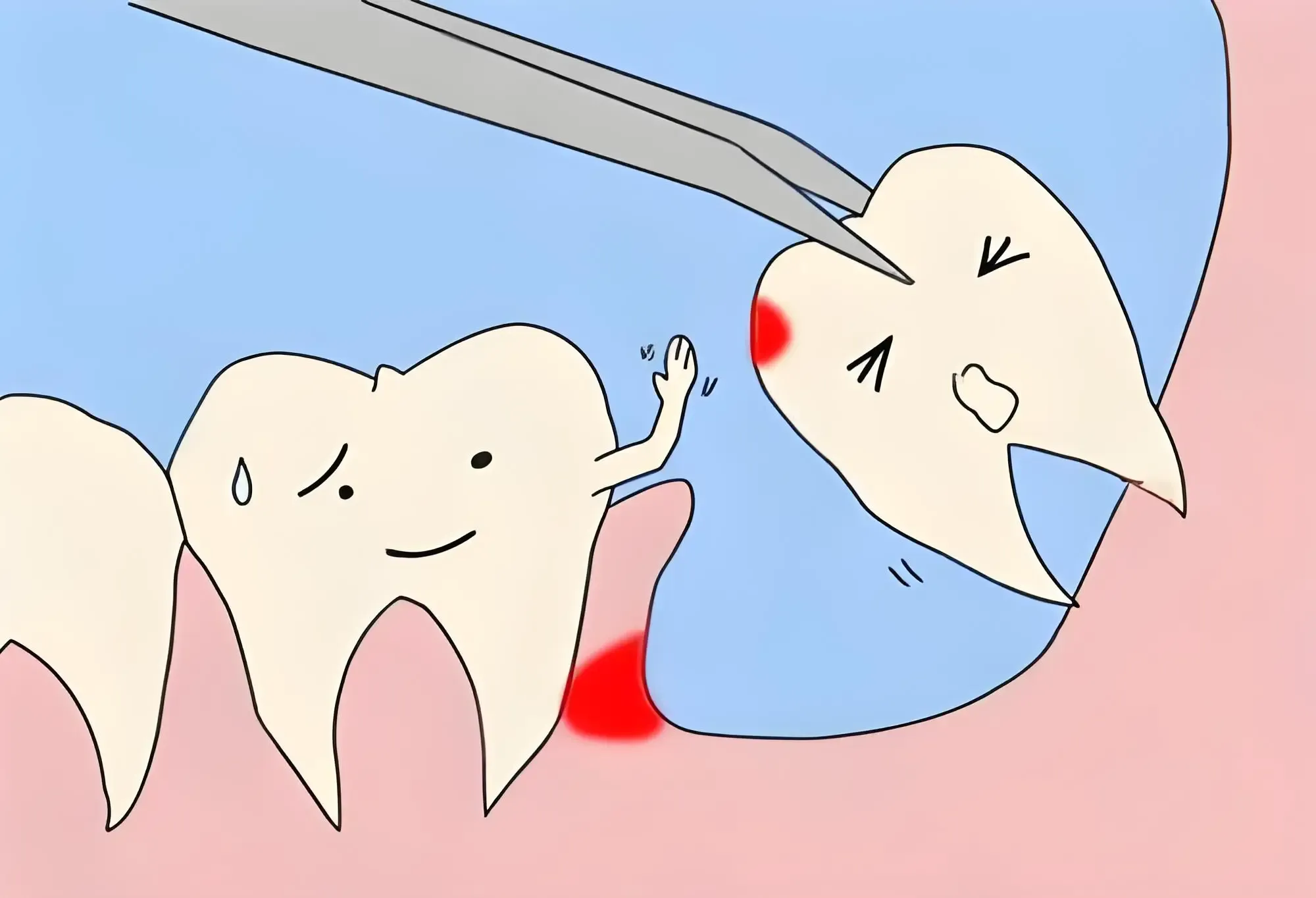
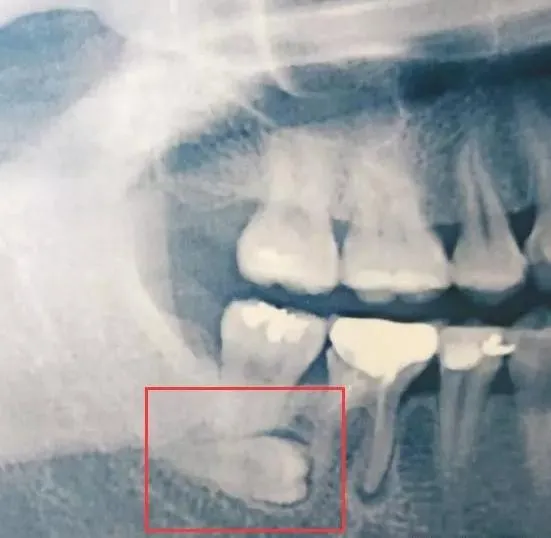
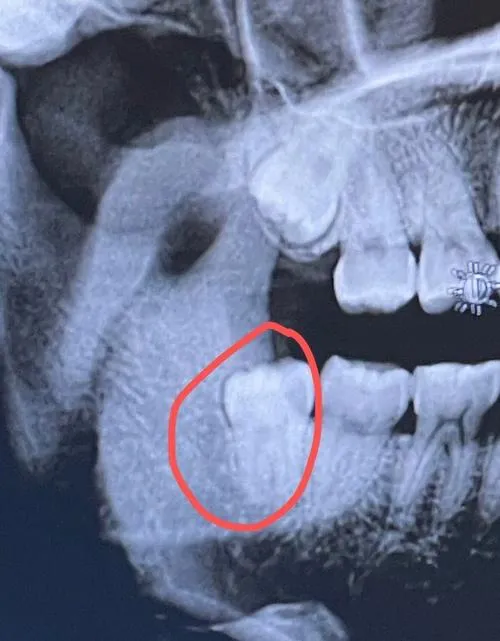
- A wisdom molar is impacted and causing pain, swelling, or crowding
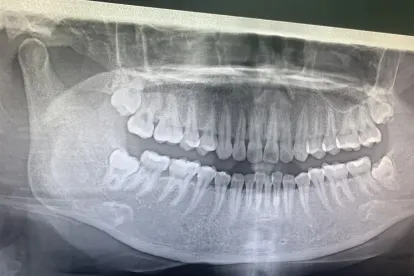
A proper diagnosis usually involves a clinical exam and an x-ray (periapical film or panoramic), and some clinics may suggest a CBCT scan for complex cases like deeply rooted wisdom teeth.
Types of molar extractions in Thailand
- Simple extraction: For a molar that’s visible and not heavily stuck, the dentist loosens the tooth and removes it with forceps. This is usually quick and done under local anaesthesia.
- Surgical extraction: For broken, impacted, or stubborn molars, a minor surgical approach is used. The dentist may open the gum, remove a little bone, and section the tooth into pieces for safe removal. This is often done by a general dentist with surgical training or an oral and maxillofacial surgeon.
- Wisdom molar removal: Impacted wisdom teeth are very common. In Thailand, many clinics have experienced surgeons and can offer IV sedation if required.
Step-by-step: what happens at the clinic
1) Consultation and x-ray: The dentist reviews your symptoms, medical history (including allergies and medications), and checks the x-ray to explain options and risks.
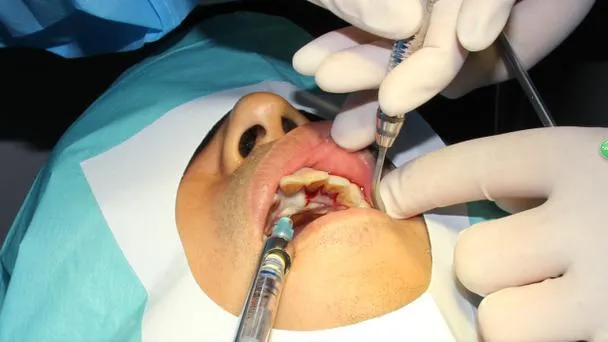
2) Anaesthesia: A numbing injection is given. You will feel pressure, not sharp pain. Clinics use Thai FDA-approved anaesthetics and sterilised instruments.
3) Extraction: A simple molar removal may take 10–20 minutes. A surgical extraction may take 30–60 minutes, depending on complexity.
4) Hemostasis: The dentist places gauze for a firm bite to stop bleeding and may use stitches if needed. Many clinics use dissolvable sutures.
5) Instructions and medication: You’ll receive aftercare advice. Pain control typically involves ibuprofen or paracetamol. Antibiotics are prescribed only when clinically indicated.
Pain control and safety
Most patients report more pressure than pain during the procedure. For anxious patients, some clinics offer oral sedation or IV sedation with a specialist. If you prefer to be “asleep”, ask if the facility is equipped and whether the procedure will be done in a hospital setting.
Safety standards in Thailand’s established clinics are high. Look for:
- Licensed dentists registered with the Thai Dental Council
- Sterilisation protocols (autoclave, sealed packs)
- Digital x-ray systems
- Clear consent forms and transparent pricing
Cost guide in Thailand
Prices vary by city and clinic type (private clinic vs hospital), but a general guide is:
- Simple molar extraction: around 1,000–3,000 THB
- Surgical molar extraction: around 3,000–6,000 THB
- Impacted wisdom molar removal: around 3,000–10,000 THB per tooth, depending on difficulty
- IV sedation or general anaesthesia: additional cost, usually at
hospital rates
Many clinics share a price list on their website or Line Official account. Walk-in is possible, but booking an appointment helps you avoid a long queue, especially on weekends.
Recovery and aftercare tips
The first 48–72 hours are the most important for healing. Follow these practical tips commonly advised by Thai dentists:
- Bite on the gauze for 30–60 minutes to stop bleeding. Slight oozing for a few hours is normal.
- Avoid hot food and spicy dishes for at least 24–48 hours; choose lukewarm soups and soft foods like congee, yogurt, tofu, or soft omelette.
- No smoking, alcohol, or using a straw for at least 72 hours to reduce the risk of dry socket.
- Use a cold compress on the cheek (15 minutes on, 15 minutes off) for the first day to limit swelling.
- Keep your head slightly elevated when sleeping on the first night.
- Start gentle warm salt-water rinses 24 hours after extraction, 3–4 times a day. Do not spit forcefully.
- Continue brushing but avoid the socket area for the first day. Keep the rest of your mouth clean.
- Take pain meds exactly as prescribed. Only take antibiotics if your dentist advises.
Normal recovery includes mild swelling and tenderness for 2–3 days, with improvement day by day. Contact the clinic quickly if you have heavy bleeding that won’t stop, severe pain after day 3, fever, or a bad taste that doesn’t improve.
Replacing a missing molar
Leaving a space long-term can lead to shifting teeth and bite problems. Thai clinics offer:
- Dental implants: A popular choice for molars due to strength and chewing function. Treatment takes a few months from implant placement to crown.
- Dental bridge: A fixed option using neighbouring teeth as supports, suitable when implants are not preferred.
- Partial denture: Budget-friendly and removable.
Your dentist will advise on timing—often a healing period of several weeks before replacing a molar, unless immediate solutions are appropriate.
Choosing a clinic in Thailand
- Experience with molar surgery: Ask how often the clinic handles surgical extractions and impacted wisdom teeth.
- English communication: In Bangkok, Chiang Mai, Phuket, and other tourist hubs, many dentists are English-speaking. If needed, clinics can support communication via Line or email.
- Transparent quotes: Request a written estimate including x-rays, surgery, meds, and follow-up.
- Convenience and follow-up: Choose a location that’s easy for review appointments. Mall-based clinics often open late and on weekends.
- Reviews and credentials: Look for consistent Google reviews and check the dentist’s training and certificates.
Frequently asked questions
- Will it hurt? With proper local anaesthesia, you should feel only pressure. After, pain is usually manageable with over-the-counter medication.
- Can I work the next day? For simple extractions, many people return to work the following day. For surgical extractions, consider 1–2 days’ rest.
- Do I need antibiotics? Not always. They are prescribed for certain infections or risk factors. Avoid self-medication.
- Is it safe to fly after extraction? For simple cases, flying after 24–48 hours is usually fine. For surgical cases, ask your dentist; 2–3 days gap is commonly advised.
Final takeaway
Tooth extraction for damaged molars in Thailand is a routine and safe treatment when handled by a qualified dentist. With clear diagnosis, careful technique, and good aftercare, you can expect a smooth recovery and a plan to restore your bite with confidence. If you’re in Thailand now, simply contact a reputable clinic, share your symptoms and x-rays if you have them, and book an appointment—no need to wait and suffer with pain.