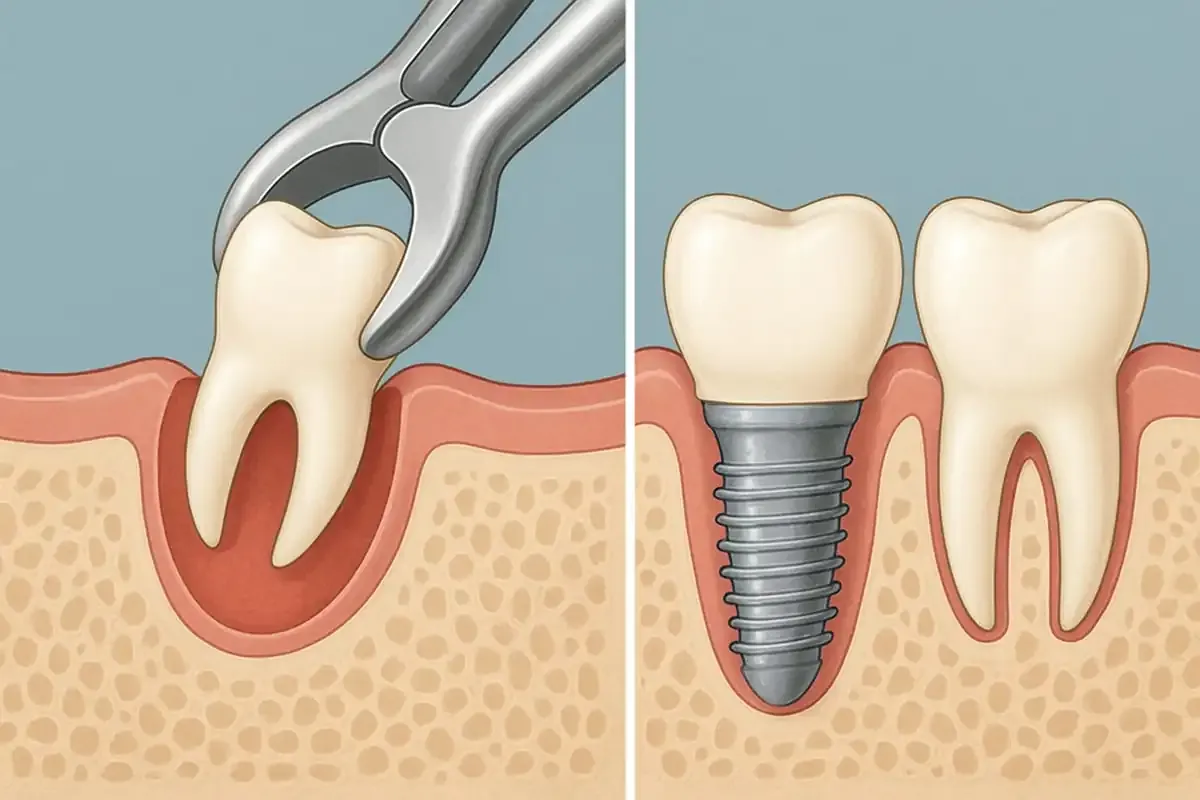
Thailand Tooth Extraction Treatment for Broken Teeth During Travel
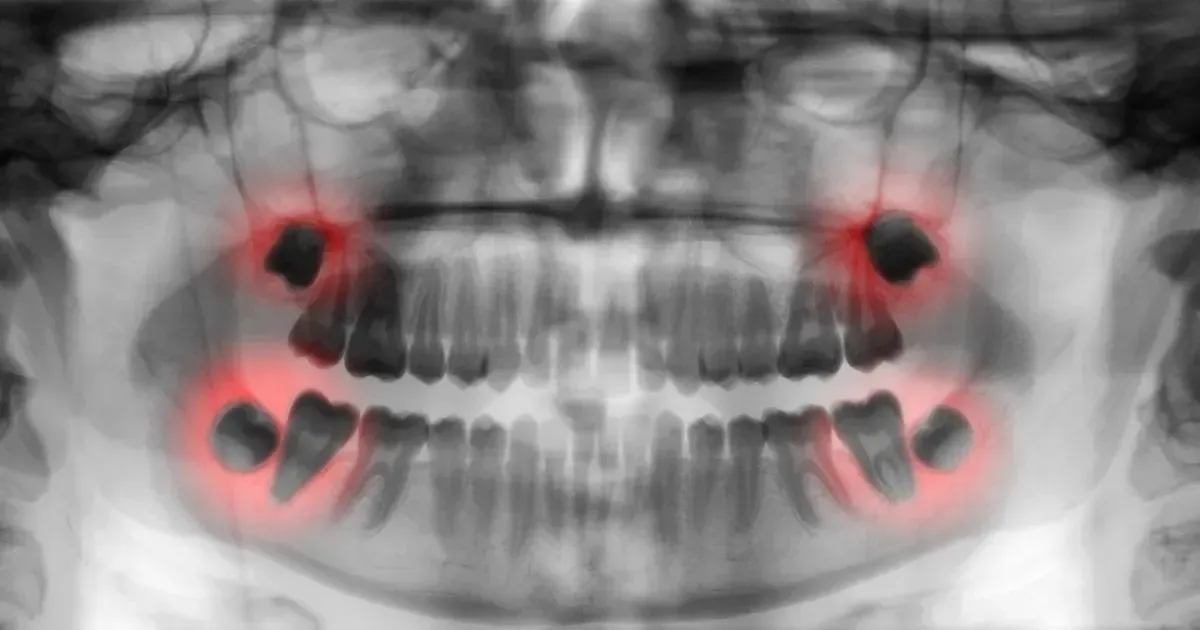
Thailand Tooth Extraction Treatment for Broken Teeth During Travel
《Thailand Tooth Extraction Treatment for Broken Teeth During Travel》
Breaking a tooth on holiday can flip your itinerary in a second. The good news? In Thailand, dental care is modern, efficient, and easy to access—even if you’re just passing through. While the local “mai pen rai” (no worries) attitude is lovely, a broken tooth is not something to leave for later. Here’s how to handle a tooth extraction in Thailand during your trip, with practical tips locals and long-stay visitors use every day.
What to do right away
- Rinse gently with clean, lukewarm water to clear any debris.
- If there’s bleeding, bite down on clean gauze or a folded tissue for 30 minutes.
- Save any tooth fragments in milk or saline if available (don’t scrub them).
- Take over-the-counter pain relief like ibuprofen or paracetamol (avoid aspirin as it can increase bleeding).
- Avoid hot, cold, or sweet drinks and hard or sticky foods. If a sharp edge is irritating your cheek, cover it with sugar-free chewing gum or dental wax.
Finding an emergency dentist in Thailand
Thailand’s big cities and tourist hubs have plenty of English-speaking dentists and dental departments. You’ll find reliable care in:
- Bangkok: Private hospitals like Bumrungrad, Samitivej, and Bangkok Hospital have dental centers. Dedicated clinics such as BIDC or Thantakit are also well-known. Many are near BTS/MRT stations, so it’s easy to reach by train or Grab.
- Phuket and Pattaya: Tourist areas with numerous clinics; private hospitals can handle urgent cases.
- Chiang Mai: University dental hospital and private clinics are experienced with visitors.
- Islands (Samui, Phangan, Phi Phi): Small clinics can manage simple extractions; complex cases may be referred to a hospital on the mainland or the largest local hospital.
Walk-ins are often accepted, but a quick call or Line message helps you avoid waiting. Use Google Maps to search “emergency dentist near me” or ask your hotel reception—they’ll usually point you to a clinic that is open and speaks English. If it’s late at night, head to a private hospital’s emergency department; they can arrange an on-call dentist or stabilize you until a dental team is available.
Expected costs in Thai baht
Prices vary by city and clinic, but as a rough guide:
- Consultation: 300–800 THB
- X-ray: 200–600 THB
- Simple extraction: 1,500–4,000 THB
- Surgical extraction (impacted or broken root): 5,000–12,000+ THB
- Sedation, if needed, is extra and usually arranged at a hospital
Island or resort areas can be a bit higher. Most clinics accept credit cards; some prefer cash. For travel insurance claims, request an official receipt/tax invoice and a doctor’s certificate with the clinic stamp.
What happens during a tooth extraction in Thailand
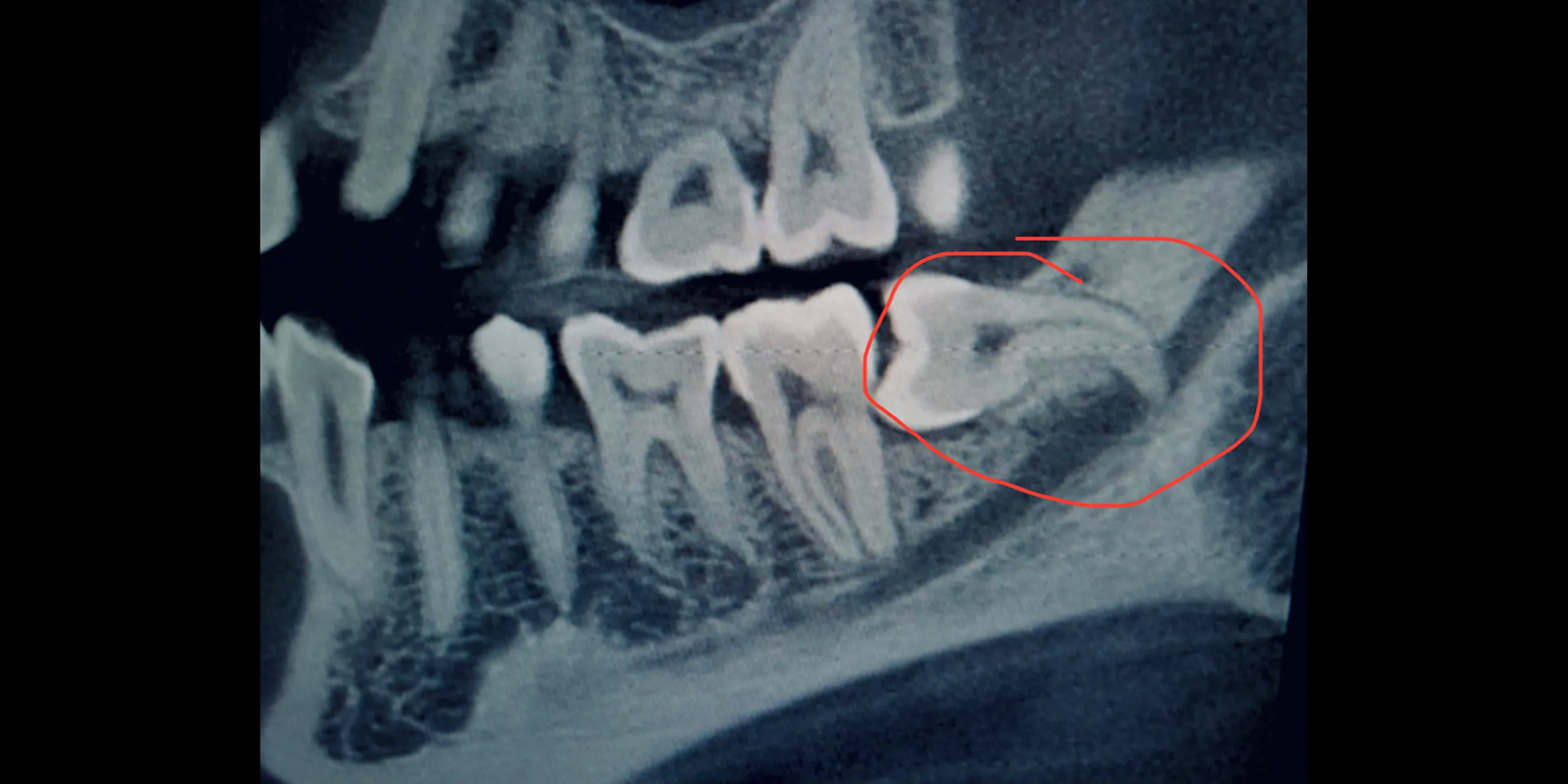
1. Check-in and assessment: Bring your passport. You’ll fill a brief medical form and describe your symptoms. The dentist will take an X-ray to see the root and surrounding bone.
2. Treatment plan and consent: The dentist explains whether it’s a simple or surgical extraction, the cost, and what to expect. You’ll sign a consent form.
3. Local anesthesia: Numbing gel followed by injections—usually very manageable. If you’re anxious, say so; Thai dentists
are gentle and patient.
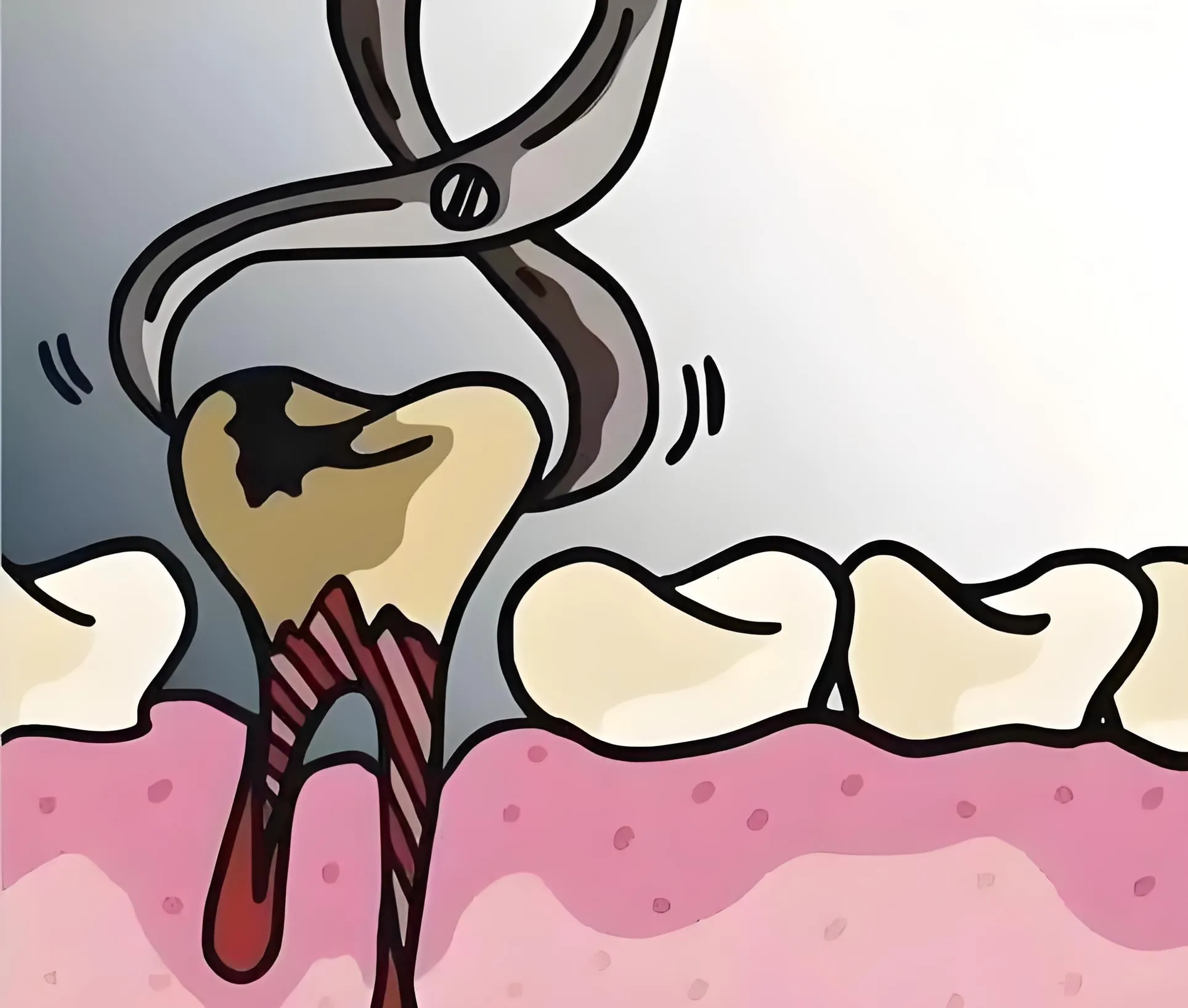
4. Extraction: You’ll feel pressure, not sharp pain. Simple extractions can take 10–20 minutes; surgical ones longer. Stitches may be placed if needed.
5. Medication and instructions: You may receive painkillers, anti-inflammatory meds, and sometimes antibiotics. The clinic will explain aftercare clearly—don’t hesitate to ask questions.
Aftercare tips that work while traveling
- Bite on gauze for 30–60 minutes to control bleeding. Change only if fully soaked.
- Keep the area clean but gentle: no vigorous rinsing or spitting for the first 24 hours.
- After 24 hours, rinse with warm salt water (1/2 teaspoon salt in a cup of water) 3–4 times a day.
- Avoid straws, smoking, and alcohol for 48–72 hours—these increase bleeding and dry socket risk.
- Choose soft, “sabai” foods: jok (Thai rice porridge), bananas, yogurt, tofu, soft noodles, scrambled eggs. Skip spicy and super-hot dishes for a couple of days.
- Use a cold pack on the cheek (15 minutes on, 15 off) to reduce swelling on day one.
- Sleep with your head slightly elevated the first night.
Travel-specific pointers
- Flights: For a simple extraction, flying after 24 hours is usually fine if bleeding and pain are under control. For surgical removals or sedation, ask your dentist for a safe timeframe.
- Swimming and diving: Avoid pools, snorkeling, and especially scuba diving for at least 72 hours; pressure and bacteria can complicate healing.
- Activities: Take it easy on heavy lifting and long, hot saunas for two to three days. Build a light “rest day” into your itinerary after the procedure.
- Getting around: Use Grab or Bolt to reduce walking in the sun post-extraction. Keep a small bottle of water and spare gauze in your day bag.
When to go back or call the clinic
- Bleeding that doesn’t slow after a few hours
- Severe pain 2–3 days later (possible dry socket)
- Fever, increasing swelling, or foul taste
- Broken stitches or significant pus discharge
Most clinics will follow up via Line or phone. Don’t be shy—just message, and they’ll advise or arrange a quick check.
Insurance and paperwork
If you have travel insurance, call or email them before treatment when possible. Ask the clinic for:
- Detailed receipt/tax invoice with clinic stamp
- Doctor’s certificate stating diagnosis and treatment
- Itemized costs (consultation, X-ray, extraction, medication)
Keep copies and photos of all documents, your boarding pass, and your passport ID page.
Language and local etiquette
Many Thai dentists and nurses speak English and are used to treating visitors. A smile and “Sawasdee” go a long way. If you need clarity, simply say, “Please explain step by step.” Staff are kind and patient—tell them your pain level honestly. “Mai pen rai” is a nice phrase, but don’t minimize your symptoms; clear communication helps you heal faster.
The bottom line
Thailand is a solid place to manage a broken tooth during travel. With skilled, English-speaking dentists, reasonable costs, and fast access to care in Bangkok, Phuket, Chiang Mai, and other hubs, you can sort out a tooth extraction safely and get back to your holiday. Act quickly, follow aftercare closely, and you’ll be smiling again—same same but better.