Thailand Tooth Extraction Procedures With Smooth Clinical Experience
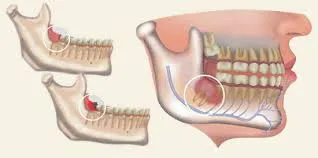
Thailand Tooth Extraction Procedures With Smooth Clinical Experience
Thailand Tooth Extraction Procedures With Smooth Clinical Experience
If you’re planning a tooth extraction in Thailand, you can expect a procedure that is efficient, affordable, and handled with a strong service mind. Whether you book in Bangkok, Chiang Mai, Phuket, or Pattaya, clinics here are very used to both local and international patients. With a little preparation, your visit can be smooth from the first message on LINE to the last follow-up call.
Why you might need a tooth extracted
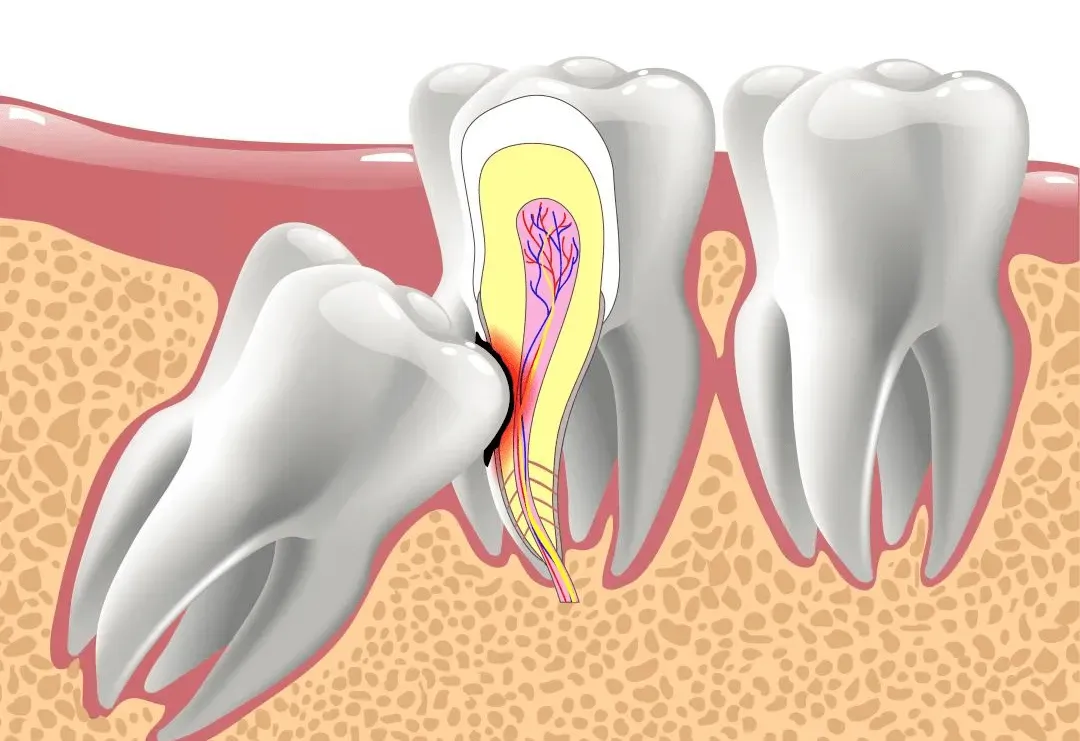
Common reasons include severe decay, gum disease, a cracked tooth that cannot be saved, or wisdom teeth that are impacted. Sometimes extractions are done to create space for braces. During consultation, the doctor (dentist) will check, explain clearly, and recommend the best plan. If there’s a chance to save the tooth with root canal or other treatment, they’ll usually present that option too.
Before your appointment
- Booking: Most clinics accept bookings by phone, website, or LINE Official Account. Walk-in is possible, but better to make an appointment to avoid a long queue.
- Medical history: Tell the staff about any medications (especially blood thinners), allergies, or medical conditions. If you’re taking anticoagulants, the doctor may coordinate with your physician.
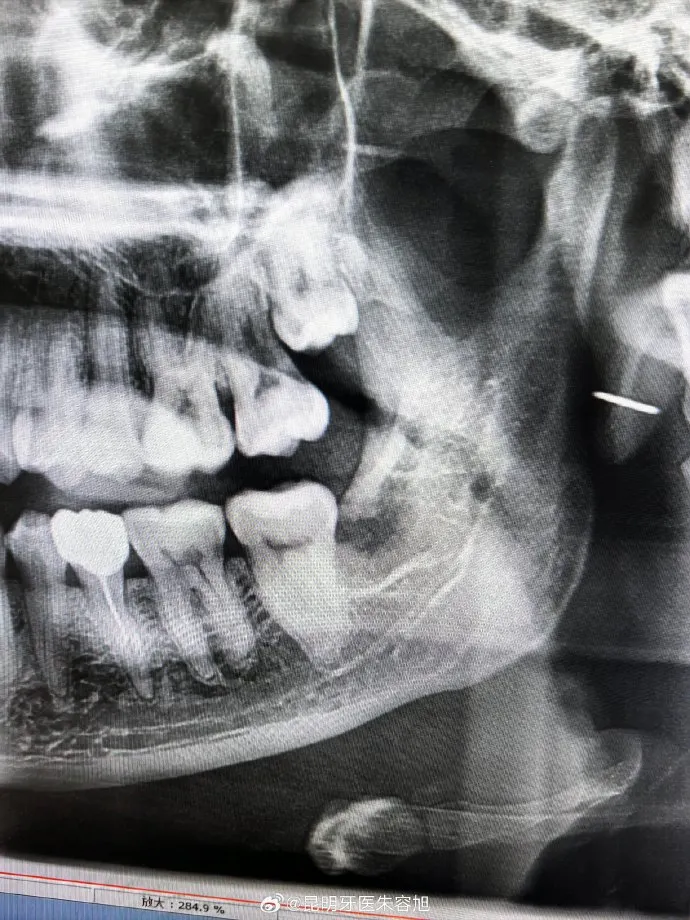
- X-rays: Some patients bring recent films from another clinic; otherwise, the clinic will take an intraoral X-ray or a panoramic film on the day.
- Costs: Clinics usually quote clearly before treatment. In Thailand, simple extractions are generally affordable compared with many countries, with surgical wisdom teeth higher due to complexity.
Step-by-step at the clinic
1) Check-in and consultation
Arrive a little early to fill out forms. The staff will help you feel comfortable and the doctor will review your X-rays, explain whether your case is simple or surgical, and go through possible risks like dry socket, swelling, or numbness. You’ll sign a consent form and get a fee breakdown.
2) Anaesthesia
A topical gel is placed first, then a local anaesthetic injection to numb the area. You should feel pressure during the procedure but no sharp pain. If you’re very anxious, some hospitals and larger clinics offer IV sedation with an anaesthesiologist (this requires fasting and an escort). Many patients manage well with local anaesthesia only—keep calm and focus on breathing; the team will take care.
3) The extraction itself
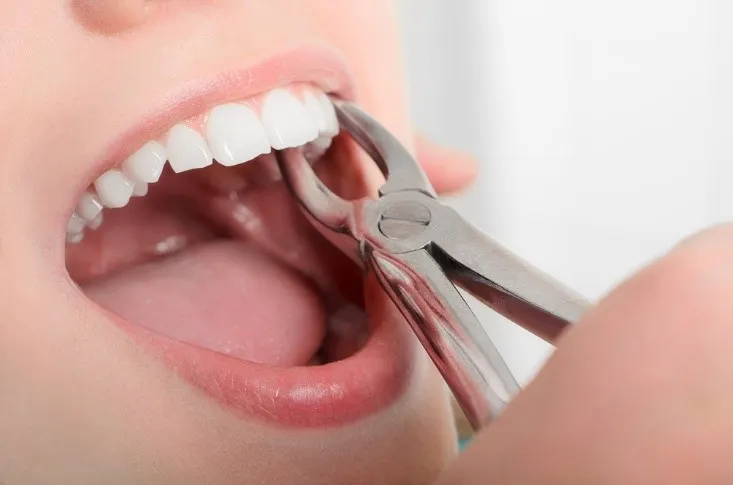
- Simple extraction: For teeth that are visible and not too broken, the doctor loosens the tooth with instruments and lifts it out. This usually takes 10–20 minutes per tooth.
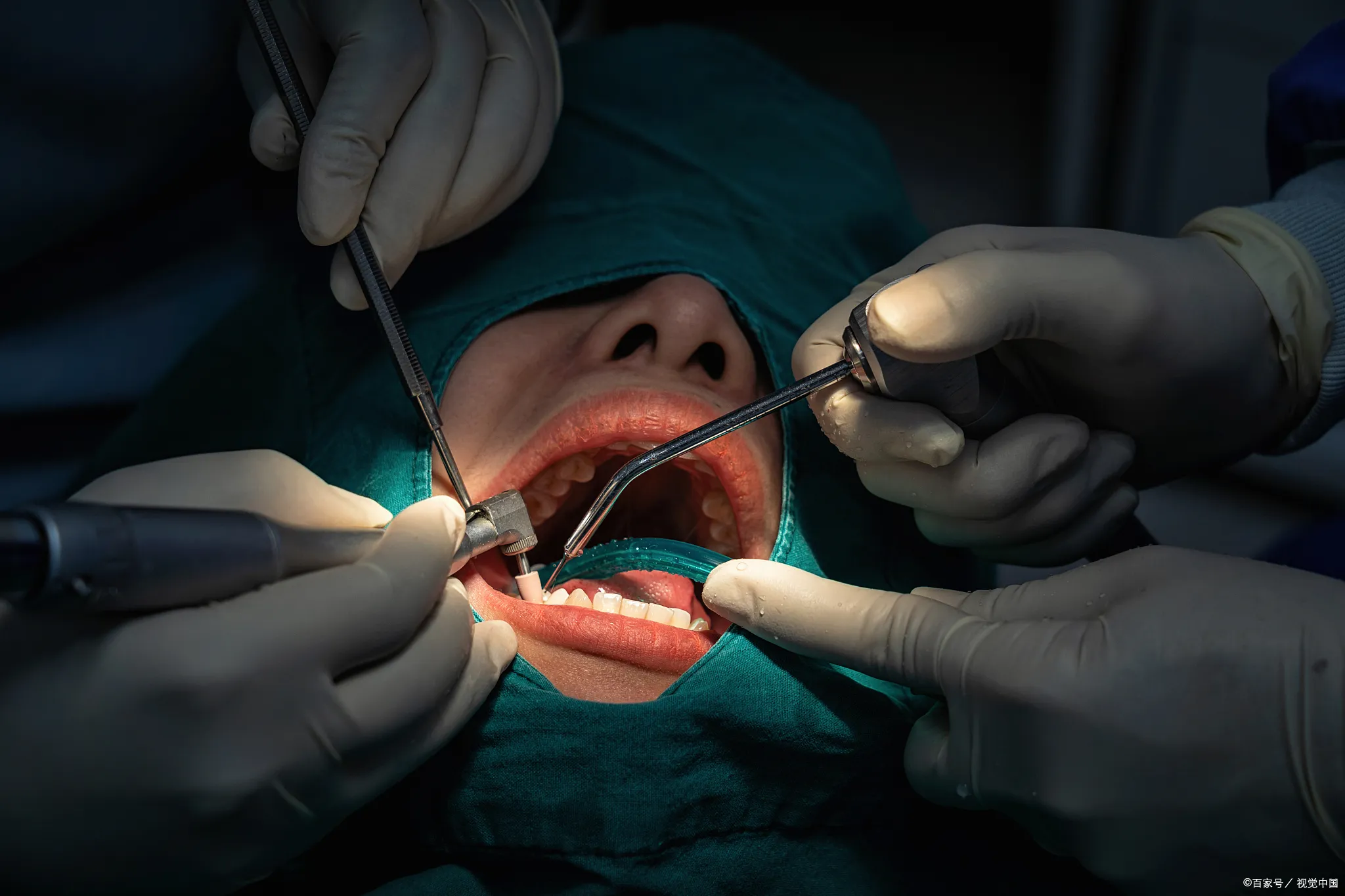
- Surgical extraction: For impacted or broken teeth, a small incision and bone trimming may be needed. Stitches are placed. Expect 30–60 minutes or more for complex wisdoms.
4) After the tooth is out
You’ll bite on gauze to stop bleeding. The clinic will review aftercare and provide medication as needed. Many clinics dispense painkillers on-site; antibiotics are prescribed only when indicated. Payment is straightforward—cash, card, or QR PromptPay are widely accepted. You’ll receive a tax invoice for insurance claims if required.
Recovery and aftercare at home
- Bleeding: Bite firmly on the gauze for 30–60 minutes. A little oozing is normal for 24 hours. If bleeding restarts, replace gauze and bite again for 30 minutes.
- Food and drink: For the first day or two, choose soft foods like jok (Thai rice porridge), yogurt, mashed potato, smoothies (no straw), scrambled eggs. Avoid hot, spicy, crunchy, or sticky foods—skip som tam and very hot soup until the area settles.
- No straw, no smoking: S
uction and smoke increase the risk of dry socket. Avoid straws for 48 hours and smoking for at least 72 hours.
- Rinsing: Don’t rinse vigorously on day 1. From day 2, rinse gently with warm salt water after meals to keep the area clean.
- Swelling and pain: Ice packs 10 minutes on, 10 minutes off during the first 24 hours help control swelling. Mild to moderate pain is common for 2–3 days and then improves. Take prescribed painkillers as directed and avoid aspirin unless the doctor advises.
- Sleep and activity: Rest on the day of surgery with your head slightly elevated. Avoid heavy exercise for 48 hours.
When to contact the clinic
- Heavy bleeding that doesn’t stop after firm pressure
- Severe or worsening pain after day 3 (possible dry socket)
- Fever, foul smell, or pus
- Numbness that persists beyond a few hours after anaesthesia
Clinics in Thailand are responsive—send a message on LINE with a photo, or call. If needed, you’ll be asked to come back for a quick check.
Travel tips for dental visitors
- Timing: If you’re traveling for dental care, plan your extraction when you have 3–5 quiet days in your itinerary. Avoid long road trips, island-hopping, or diving right after surgery.
- Flying: For most extractions, flying after 24 hours is fine. For upper molars near the sinus or complex wisdom teeth, ask your doctor; a little extra time is safer.
- Follow-up: Stitches (if non-dissolving) are usually removed in 5–7 days. If you’re leaving earlier, ask for dissolving sutures and clear instructions.
Costs and insurance in Thailand
Prices vary by city and clinic type:
- Simple extraction: roughly 1,000–4,000 THB per tooth in private clinics, lower in government hospitals
- Surgical or impacted wisdom tooth: typically 3,000–12,000 THB depending on complexity and X-ray needs
- Panoramic X-ray: 500–1,500 THB
Sedation, if chosen, adds to the cost and is more available in hospitals. Many clinics provide English-speaking staff and a detailed receipt for insurance claims. Bring your passport if you need a tax invoice in your name.
Safety and standards
Thai clinics follow strict sterilization protocols: single-use needles, instrument autoclaves, and proper infection control. Modern facilities use digital X-rays and have clear workflows. If you have questions about sterilization or materials, just ask—teams are happy to explain. You’ll notice the Thai touch: polite communication, clear instructions, and a genuine service mind.
How to choose a clinic for a smooth experience
- Check recent reviews and before–after cases for similar treatments
- Confirm what’s included in the quotation (X-ray, surgical kit, medication)
- Ask about the doctor’s experience with wisdom teeth if yours are impacted
- Clarify follow-up policy and emergency contact
- Share your concerns; if you’re nervous, say so—the staff will guide you through
Quick answers to common concerns
- Is it painful? With proper anaesthesia, you’ll feel pressure but not sharp pain. If anything feels uncomfortable, raise your hand and the doctor will adjust.
- What can I eat? Soft, lukewarm foods are best. Avoid spicy, hot, or crunchy items for a few days.
- How long to heal? Gums close in 1–2 weeks; bone takes several weeks. Most people feel back to normal in 3–7 days for simple cases.
With clear communication, sensible aftercare, and Thailand’s warm, professional approach, your tooth extraction doesn’t have to be stressful. Book ahead, share your medical history, follow the instructions, and let the team take care—you’ll be on your way to a healthier smile with a smooth clinical experience.