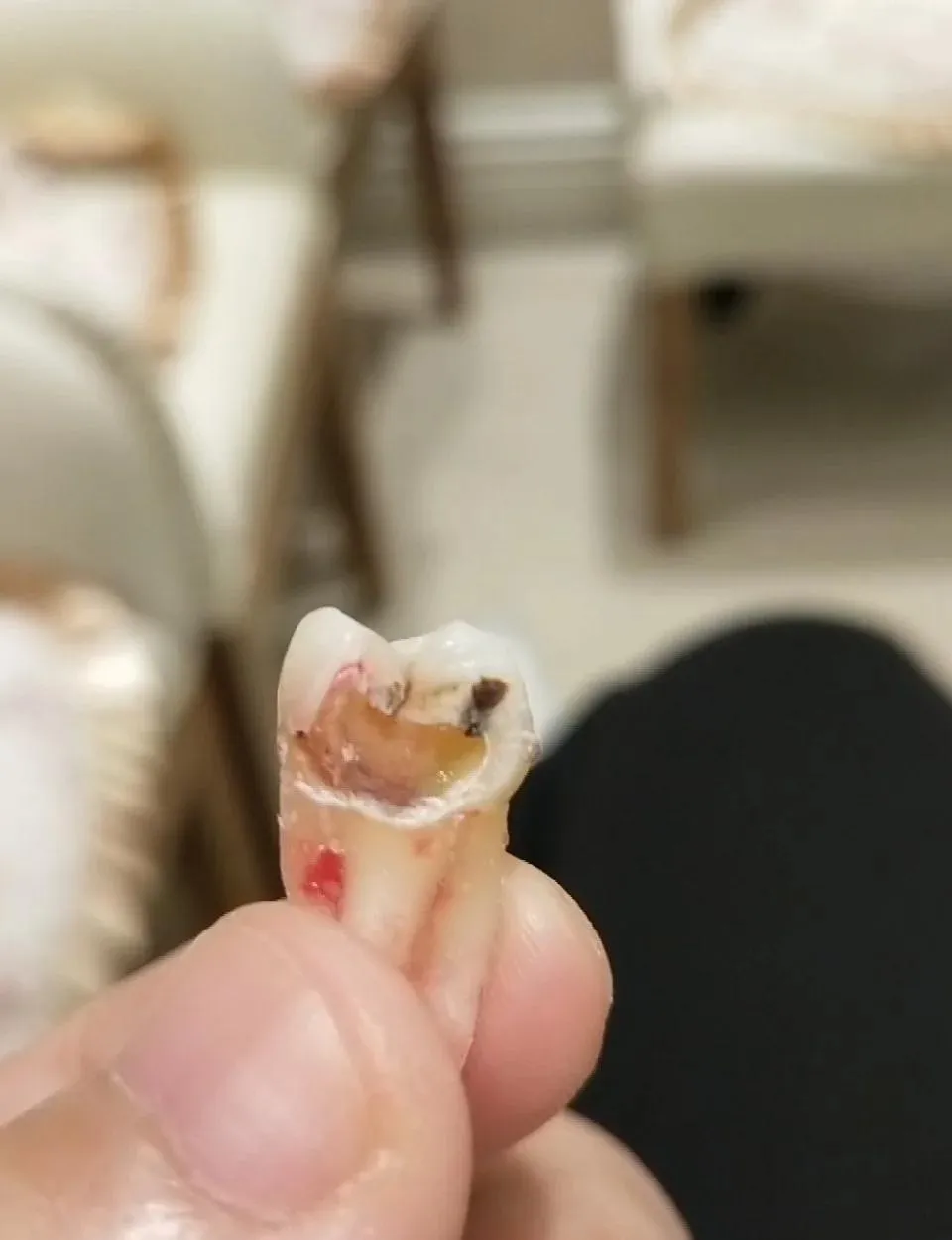
Thailand Tooth Extraction Treatment for Painful Tooth Decay Cases
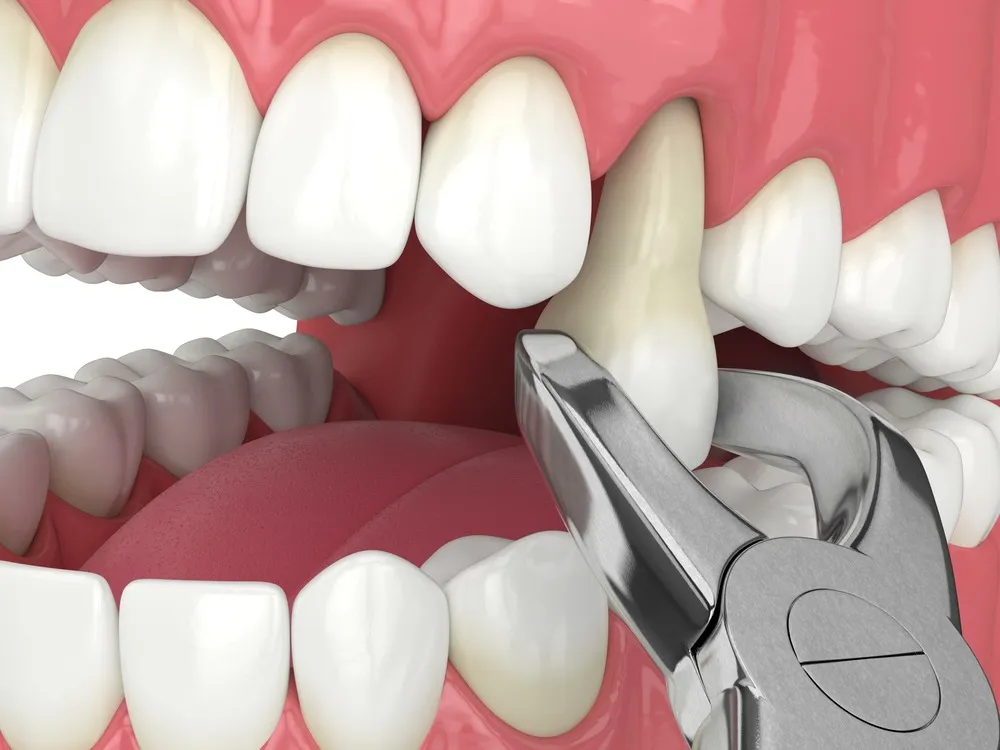
Thailand Tooth Extraction Treatment for Painful Tooth Decay Cases
Thailand Tooth Extraction Treatment for Painful Tooth Decay Cases
Toothache that keeps you up at night is something many people in Thailand have experienced. When decay goes deep and the tooth is badly damaged, extraction can be the most practical way to stop the pain fast. If you’re wondering how treatment works here—where to go, how much it costs, and what recovery is like—this guide gives a clear, friendly overview using everyday Thai context.
When does a painful tooth need extraction?
A dentist will try to save your tooth when possible, but removal is recommended in these common situations:
- Severe decay has reached the nerve and the tooth cannot be restored
- Tooth is cracked below the gum line
- Repeated infection or swelling around the same tooth
- Advanced gum disease causing the tooth to be very loose
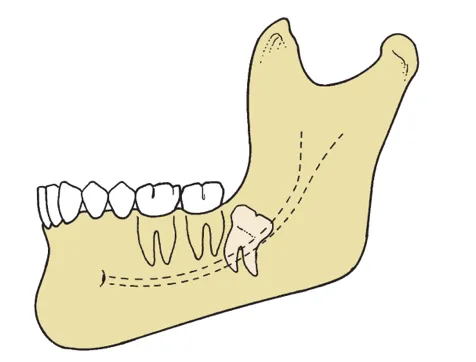
- Impacted or badly positioned wisdom tooth causing pain or biting cheek
If you can’t chew on one side, feel throbbing pain after hot, cold, or sweet, or you see a swelling on the gum, don’t wait until the pain becomes “can’t tahan.” Early check-up makes treatment smoother.
Where to get a tooth extraction in Thailand
You have several options, with different budgets and convenience levels:
- Public hospitals and community health centers: Affordable fees, dentists on duty, and proper sterilization. You may take a queue number and wait, especially mornings. Many facilities accept the Universal Coverage (Gold Card) or Social Security; check your entitlement.
- Dental school clinics (e.g., Chulalongkorn, Mahidol): Lower fees, thorough care by dental students under supervision. Appointments are usually required.
- Private dental clinics: Found in most neighborhoods and malls, often open evenings and weekends. Shorter waiting time and more language support in tourist areas.
- International hospitals and specialty clinics: Higher cost, but convenient for expats or visitors needing English-speaking staff and advanced imaging.
Approximate fees (subject to clinic and city): simple extraction at public facilities may start from a few hundred baht; private clinics often range 800–3,000 THB for simple cases; surgical or impacted wisdom tooth removal may be 3,000–8,000+ THB in private settings. Always request a quotation before treatment.
What happens during the procedure
1) Registration and X-ray: The clinic will take a periapical or panoramic X-ray to see roots, nerves, and any infection. The dentist explains options and obtains your consent.
2) Local anaesthesia: Numbing gel then a small injection. Your cheek, lip, and tongue feel numb within a few minutes. You will feel pressure but should not feel sharp pain.
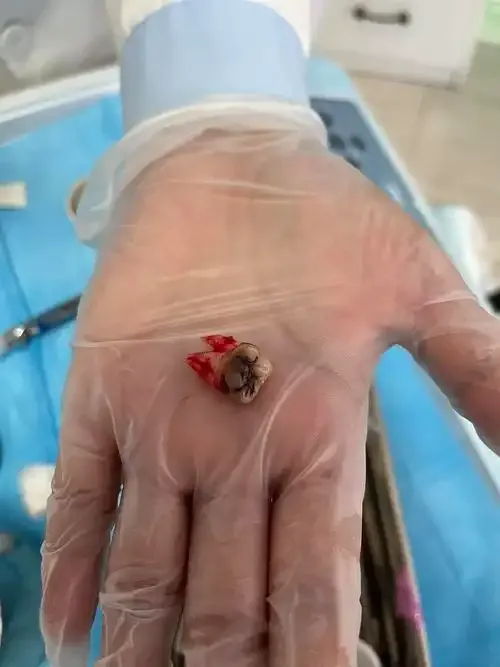
3) Extraction: For a simple extraction, the dentist gently loosens the tooth and lifts it out. For a complicated or impacted tooth, a small incision and bone trimming may be needed; stitches are placed if necessary.
4) Bleeding control: You bite firmly on sterile gauze for 30–60 minutes to form a stable clot. The dentist will give medicine and home-care instructions.
Most simple extractions take 10–20 minutes; surgical cases may take 30–45 minutes. Bring a friend or use a ride-hailing app if you feel anxious or if sedation is planned.
Pain control and aftercare that really helps
- Bite on the gauze as instructed. Do not spit, rinse forcefully, or use a straw on the first day—this can dislodge the blood clot and cause dry socket.
- Skip hot soup, alcohol, and very spicy food for 24 hours. Choose soft, cool foods like congee, yogurt, tofu, or soft fruits. Avo
id sticky rice or chewy meats on the extraction side for a few days.
- Ice pack on the outside of your cheek, 10 minutes on/10 minutes off, during the first day to reduce swelling.
- From day 2, gently rinse with warm salt water after meals to keep the area clean. Brush as normal but be careful around the wound.
- Take only the painkillers and antibiotics prescribed by your dentist. Do not self-medicate or double-dose.
- No smoking for at least 48–72 hours; smoke delays healing.
- Sleep with your head slightly elevated on the first night to minimize oozing.
Normal healing includes mild swelling and soreness for 2–3 days. Call the clinic if you have strong pain that increases after day 3, bad taste or smell, fever, or continuous heavy bleeding—these can be signs of complications such as dry socket or infection.
Alternatives to removing the tooth
- Root canal treatment: For deep decay where the tooth structure is still restorable. The dentist removes the infected nerve, cleans the canals, and seals them; a crown is often recommended to protect the tooth afterward.
- Large filling or onlay: If decay is moderate and hasn’t reached the nerve.
- Pulp therapy for children: In baby teeth, special techniques can save the tooth until it naturally falls out.
Saving your natural tooth often gives better chewing and long-term stability, but if the tooth is too damaged or funds are limited, extraction followed by a plan to replace the missing tooth is reasonable.
Replacing a missing tooth
Leaving a gap can cause neighboring teeth to tilt and the opposing tooth to over-erupt. Discuss options with your dentist:
- Removable partial denture: Budget-friendly, quick to make.
- Bridge: Fixed option using neighboring teeth as support.
- Dental implant: Most natural function, higher cost and timeline.
You don’t need to decide on the same day, but it’s good to plan within a few months after healing.
How to choose a good clinic in Thailand
- Clear communication: The dentist explains X-rays, options, fees, and aftercare in simple English or Thai.
- Transparent pricing: Ask for a price list in baht before proceeding.
- Proper imaging: X-ray is standard before extraction.
- Sterilization and safety: Clean instruments, sealed packs, and gloves.
- Accessibility: Convenient location, parking or BTS/MRT access, and opening hours that fit your schedule.
- Reviews and recommendations: Check Google Maps ratings or ask friends/colleagues. Many clinics accept booking by phone, website, or LINE.
Quick FAQs
- How long does healing take? Soft tissue closes in about 1–2 weeks; bone remodeling continues for a few months.
- Can I work the next day? Many people can return to light work after a simple extraction. For surgical cases, consider 1–2 days’ rest.
- Can I drive after? If you only had local anaesthesia, usually yes. If you had sedation, arrange a driver.
- Is extraction covered? Thais under UCS or Social Security may have coverage at affiliated hospitals. Bring your ID and check your rights. Foreigners usually pay out of pocket or claim from private insurance.
Final thought
If a painful tooth is affecting your sleep or eating, don’t “try to endure” until it becomes swollen. Thailand offers accessible, safe dental extraction with options for every budget. Book an appointment, bring your X-ray if you have one, and let a licensed dentist advise whether removal or saving the tooth is best for your case. A short visit today can save you many nights of pain—and bring back your happy, worry-free smile.