Thailand Tooth Extraction Clinics Providing Comfortable Dental Visits
Thailand Tooth Extraction Clinics Providing Comfortable Dental Visits
Thailand Tooth Extraction Clinics Providing Comfortable Dental Visits
If you’re planning a tooth extraction in Thailand, good news: clinics here are known for a sabai-sabai approach that keeps you calm, informed, and well cared for from the first “Sawasdee ka/krub” at reception to the last follow-up call. Whether you’re an expat in Bangkok, a traveller in Phuket who cracked a molar on sticky mango rice, or a student in Chiang Mai with a stubborn wisdom tooth, Thai dental teams put comfort front and centre while keeping safety and quality on international standards.
Why choose Thailand for tooth extraction
- Experienced dentists: Many Thai dentists train overseas or at top local universities and handle extractions—from simple loosening teeth to impacted third molars—every day.
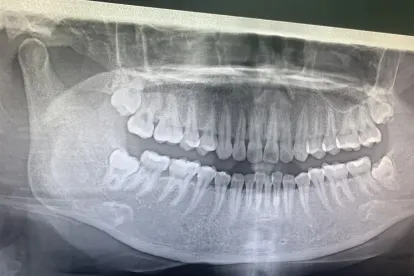
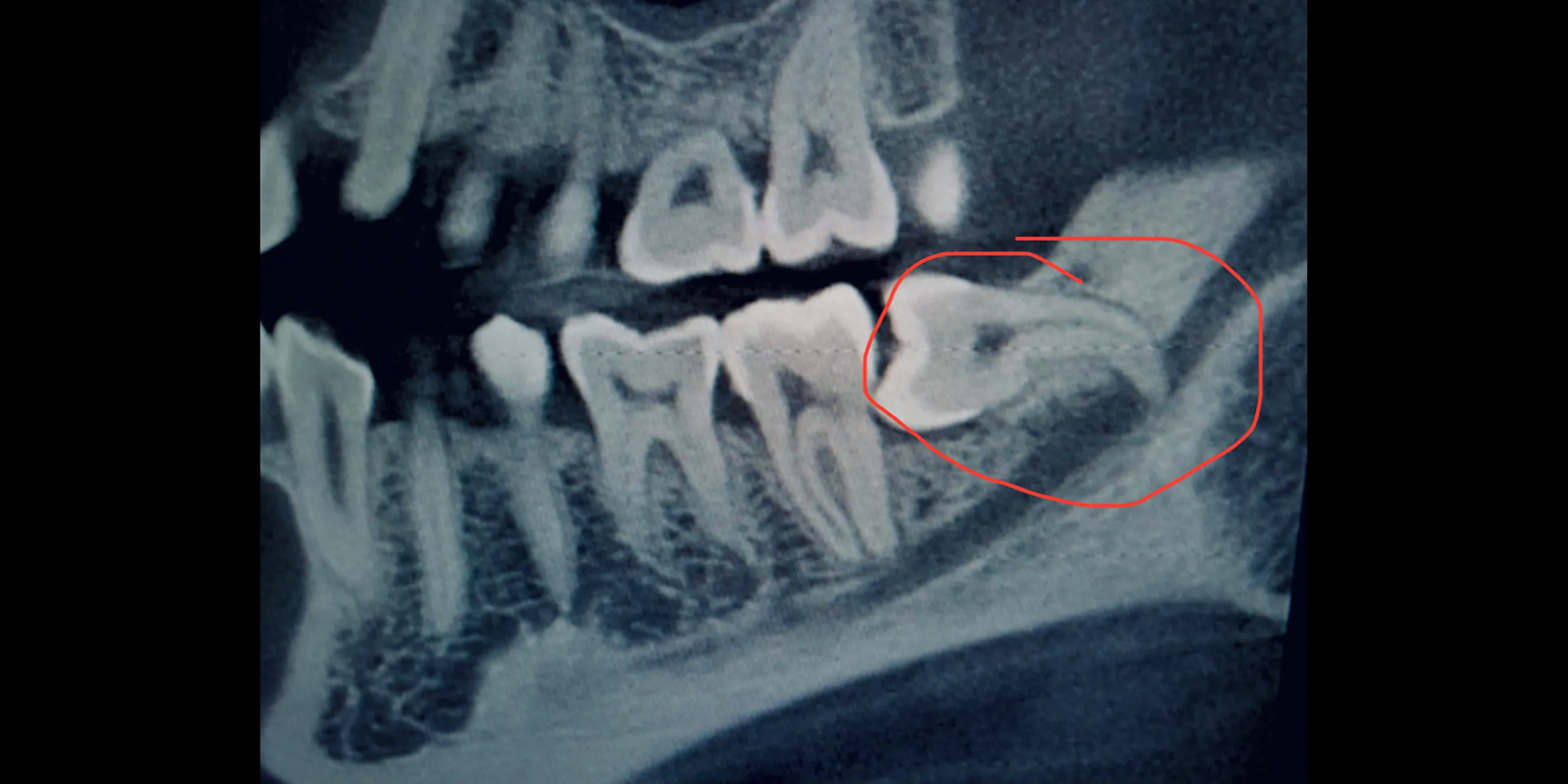
- Modern tech: Digital X‑rays, panoramic OPG scans, and CBCT for complex wisdom teeth are widely available, so the doctor can plan precisely and keep the procedure smooth.
- Friendly, English-speaking care: Front desk staff and dentists in major cities communicate clearly in English. You’ll hear lots of “No worries, mai pen rai” and feel that easy-going warmth Thailand is famous for.
- Value for money: Prices are competitive while still using strict sterilisation and quality materials.
What a comfortable visit looks like
From the moment you step into the air‑con clinic, you’ll notice little touches: comfy seating, cold water, sometimes even a small blanket or neck pillow during treatment. The nurse takes your medical history, checks your blood pressure if needed, and arranges an X‑ray to see the tooth’s roots and position. The dentist explains your options, answers questions, and confirms the fee before anything starts—transparent and chill.
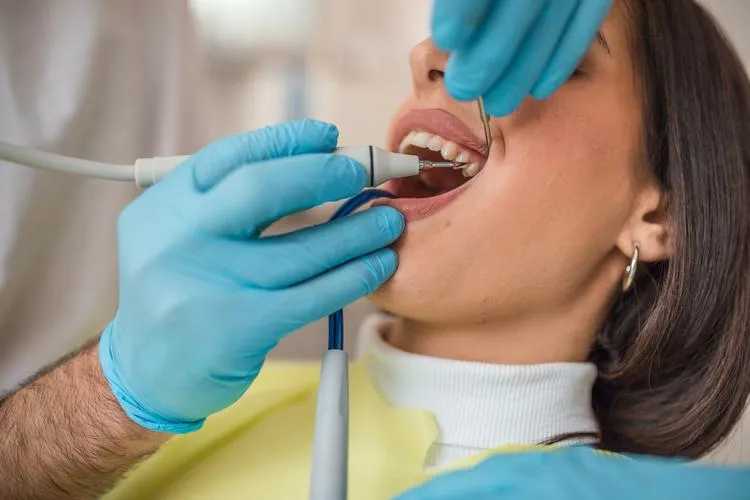
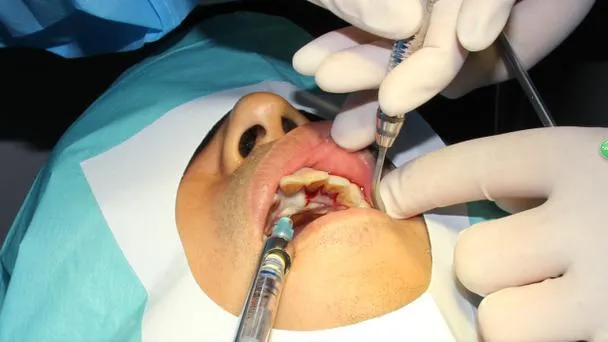
During the procedure, local anaesthesia is the standard. You’ll feel pressure but not sharp pain. For anxious patients, some clinics offer nitrous oxide (laughing gas), oral sedation, or IV sedation (typically in hospital settings). The doctor works gently, with short breaks if you need. If it’s a surgical wisdom tooth removal, they’ll make a small incision, section the tooth if required, and close with dissolvable sutures. Afterward, you’ll get a clear post‑op plan and a line to call if anything feels off. Many clinics check in via Line app the same evening—very Thailand style.
Common types of extractions handled in Thailand
- Simple extractions for loose or decayed teeth
- Surgical extractions for broken roots
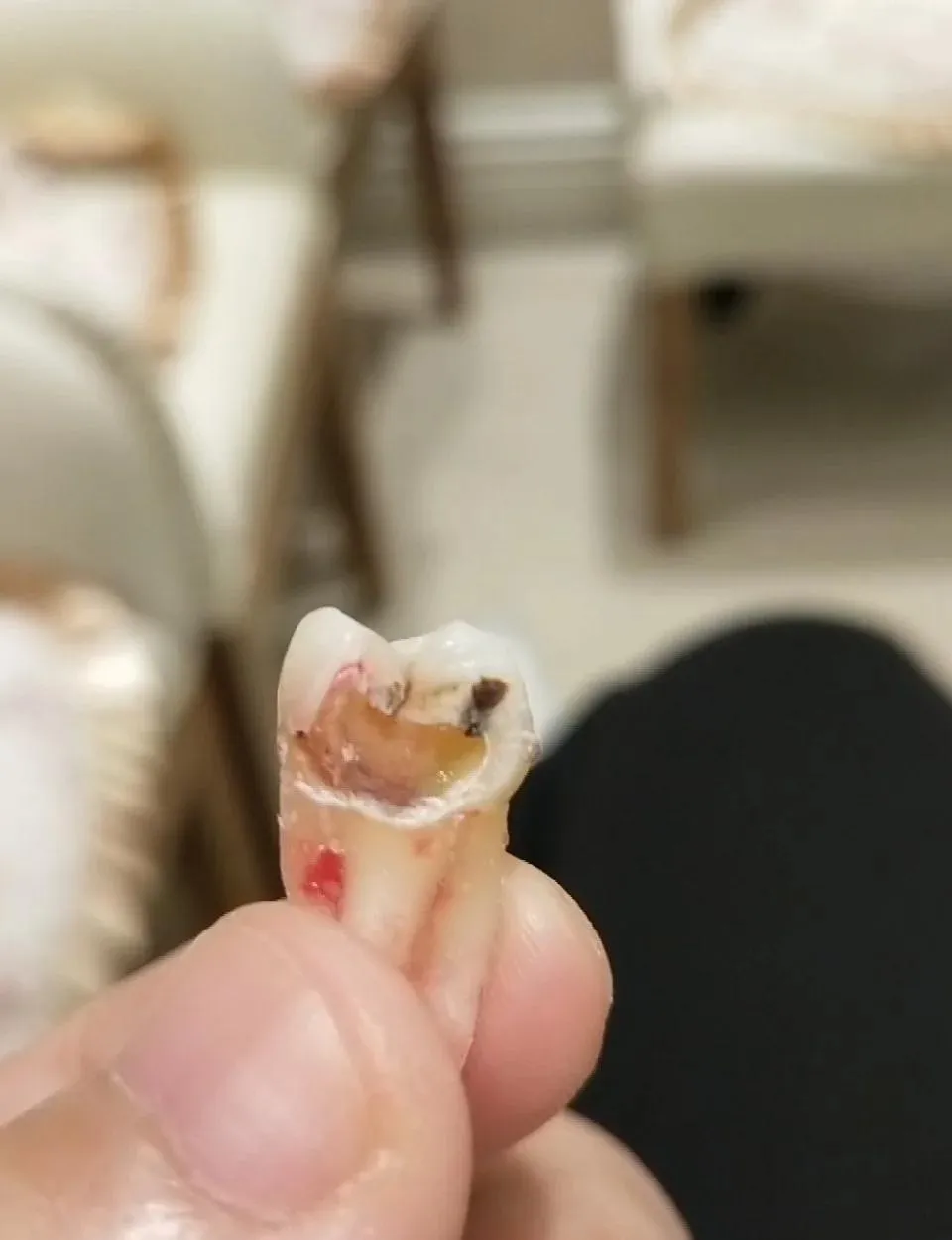
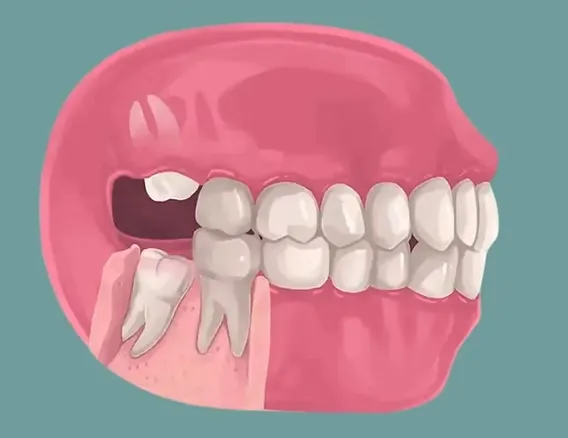
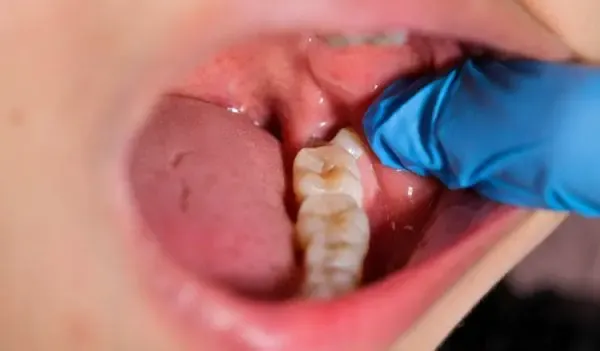
- Wisdom tooth removal, including impacted lower third molars
- Emergency extractions for severe toothache or infection
- Paediatric extractions with a gentle, child-friendly approach
Pain control and sedation options
- Local anaesthetic: The go-to. Numbs the area fully.
- Nitrous oxide: Helps you relax; effects wear off quickly.
- Oral sedation: A small tablet to take the edge off for nervous patients.
- IV sedation or general anaesthesia: Available at hospital dental centres for complex cases or high anxiety.
Not every clinic offers sedation beyond local anaesthetic, so mention your comfort level when booking.
Typical prices and what affects the cost
Fees vary by city, clinic reputation, and complexity:
- Simple extraction: roughly THB 1,000–3,500 per tooth
- Surgical or partially impacted extraction: roughly THB 3,500–8,000
- Complex impacted wisdom tooth removal: roughly THB 6,000–12,000+ per tooth
In Bangkok’s international clinics, expect the upper end of the range; in Chiang Mai, Phuket, or Pattaya, pricing is often similar with some variation. Y
ou’ll usually pay after treatment by cash or card; some clinics accept bank transfer or QR payment. Always ask for an itemised quote, including X‑rays, medication, and follow-up visits.
How to choose the right clinic
- Qualifications and experience: Look for dentists registered with the Thai Dental Council and clinics that do extractions daily.
- Imaging on-site: Panoramic X‑ray or CBCT saves you time and ensures accurate planning.
- Clear communication: English-speaking staff who explain procedures, fees, risks, and aftercare in plain language.
- Sterilisation and safety: Autoclaved instruments, single-use needles, and clean treatment rooms are standard—don’t hesitate to ask.
- Reviews and word of mouth: Expats and long-term residents usually point you to reliable places in Bangkok (Asok, Silom, Thong Lo areas), Chiang Mai Old City/Nimmanhaemin, Phuket Town, or Pattaya.
- Convenience: Near BTS/MRT in Bangkok or with parking; weekend and evening hours are common.
Booking an appointment, Thailand style
Most clinics accept bookings via phone, website forms, Facebook Messenger, or Line. Same-day slots are often possible for emergencies, but if you prefer a certain doctor or need sedation, best to book 1–3 days ahead. Bring your passport (for ID), a list of medications, and note any allergies. If you’re using insurance, check if direct billing is available or if you’ll pay and claim later.
Before your extraction
- Eat a light meal 1–2 hours before if you’re having local anaesthesia. For IV sedation, follow fasting instructions.
- Take regular medications unless the dentist advises otherwise. Mention blood thinners.
- Arrange transport if you’re having sedation beyond local anaesthetic.
- Wear comfortable clothes; bring headphones if music helps you relax.
Aftercare that keeps things sabai-sabai
- Bite on gauze for 30–60 minutes to control bleeding; change as advised.
- Cold compress over the cheek in the first 24 hours: 15 minutes on, 15 off.
- No spitting, rinsing hard, or using a straw for 24 hours—protects the blood clot.
- Soft foods: congee, yoghurt, ripe banana, scrambled eggs. Avoid spicy or very hot foods at first (yes, even that tom yum can wait a day).
- Pain relief: Follow the doctor’s prescription; paracetamol or ibuprofen is common unless you have contraindications.
- Gentle saltwater rinses start after 24 hours, 2–3 times daily.
- No smoking for at least 48–72 hours.
- Keep your head slightly elevated when resting on the first night.
If pain increases sharply after two to three days, or you notice a bad taste or persistent bleeding, contact the clinic—dry socket and other issues are uncommon but treatable, and Thai clinics are quick to help.
Good to know for visitors and expats
- Many hospital-based dental centres in Thailand hold international accreditations and provide IV sedation or operating theatre support for complex cases.
- English receipts and detailed treatment reports are available for insurance claims.
- Follow-up usually happens within 5–7 days if sutures were placed; some are dissolvable, some need removal.
- Travel tip: If you’re flying after a surgical wisdom tooth removal, plan 3–5 days buffer for swelling to settle.
A final word
Tooth extraction doesn’t have to be stressful. In Thailand, clinics combine skilled hands with a caring, “mai pen rai, everything will be okay” attitude. With clear pricing, modern equipment, and a gentle chairside manner, you can expect a comfortable, efficient visit—and walk out ready to enjoy Thailand’s smiles again.