Thailand Tooth Extraction Treatment for Complex Wisdom Tooth Cases
Thailand Tooth Extraction Treatment for Complex Wisdom Tooth Cases
Thailand Tooth Extraction Treatment for Complex Wisdom Tooth Cases
If you’re dealing with a stubborn wisdom tooth in Thailand, you’re not alone. Many people in Bangkok, Chiang Mai, Phuket, and beyond face complex wisdom tooth issues that go beyond a simple pull. The good news: Thailand’s dentists and oral and maxillofacial surgeons handle these cases every day, using modern imaging, gentle techniques, and clear aftercare. Whether you live here or you’re visiting for treatment, this guide explains what to expect from Thailand tooth extraction services for complex wisdom tooth cases.
What counts as a complex wisdom tooth?
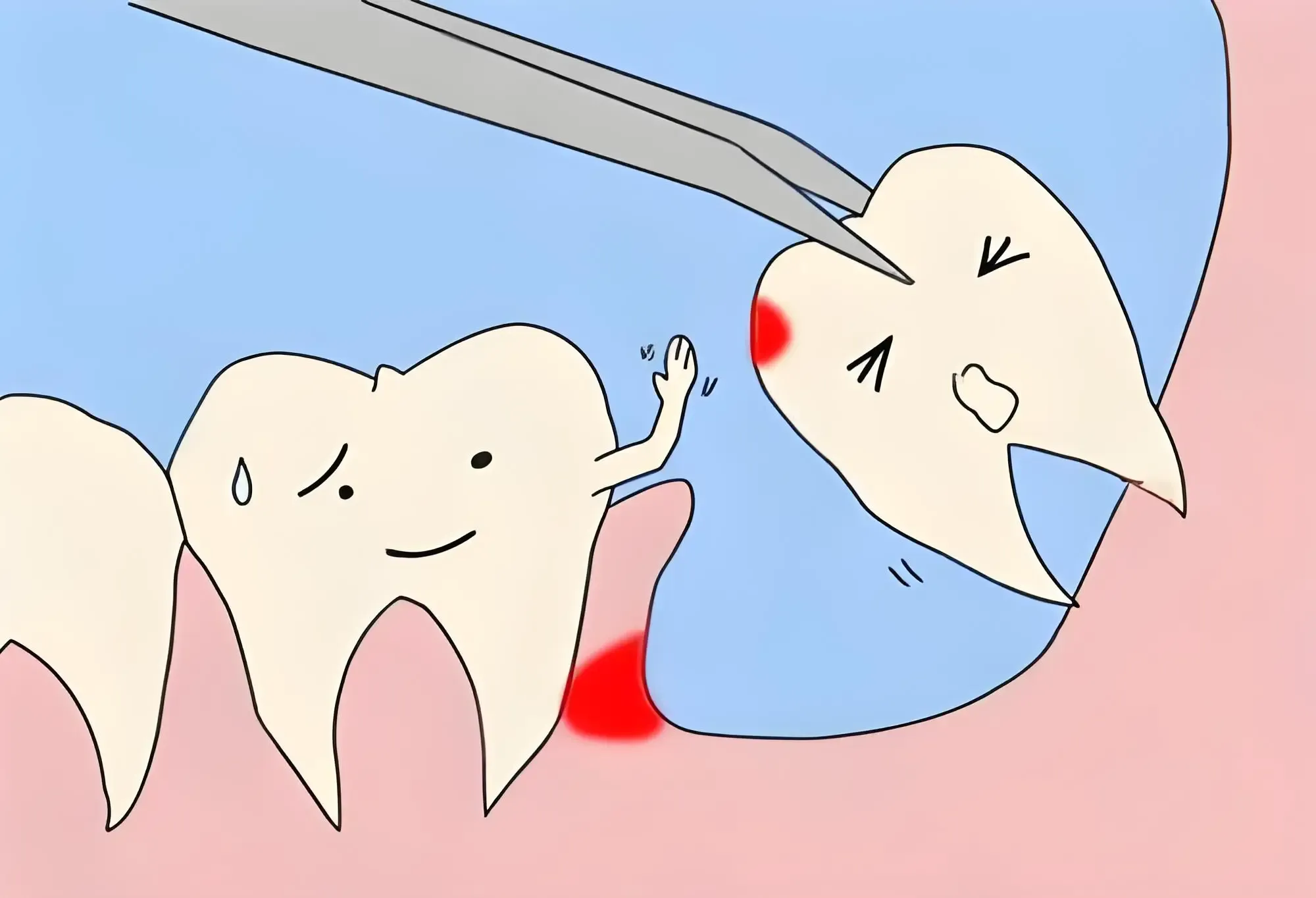
A wisdom tooth becomes “complex” when it needs surgical planning rather than a quick extraction. Common reasons include:
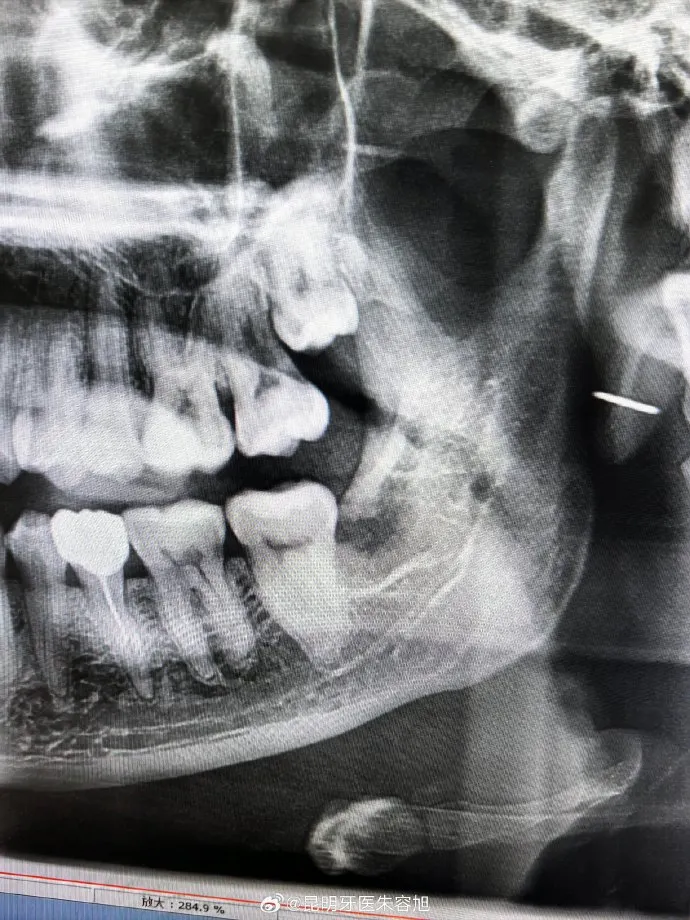
- Impaction (tooth stuck under bone or gum), especially horizontal or angular positions
- Partially erupted tooth trapping food and causing gum infection (pericoronitis)
- Proximity to the inferior alveolar nerve or lingual nerve in the lower jaw
- Close to the maxillary sinus in the upper jaw
- Deep decay, cysts, or limited mouth opening
- Previous swelling or recurrent infections
Typical signs you might notice are jaw pain, swelling, tenderness when chewing, headaches, bad breath, and food getting stuck near the back of the mouth.
Diagnosis and planning in Thailand
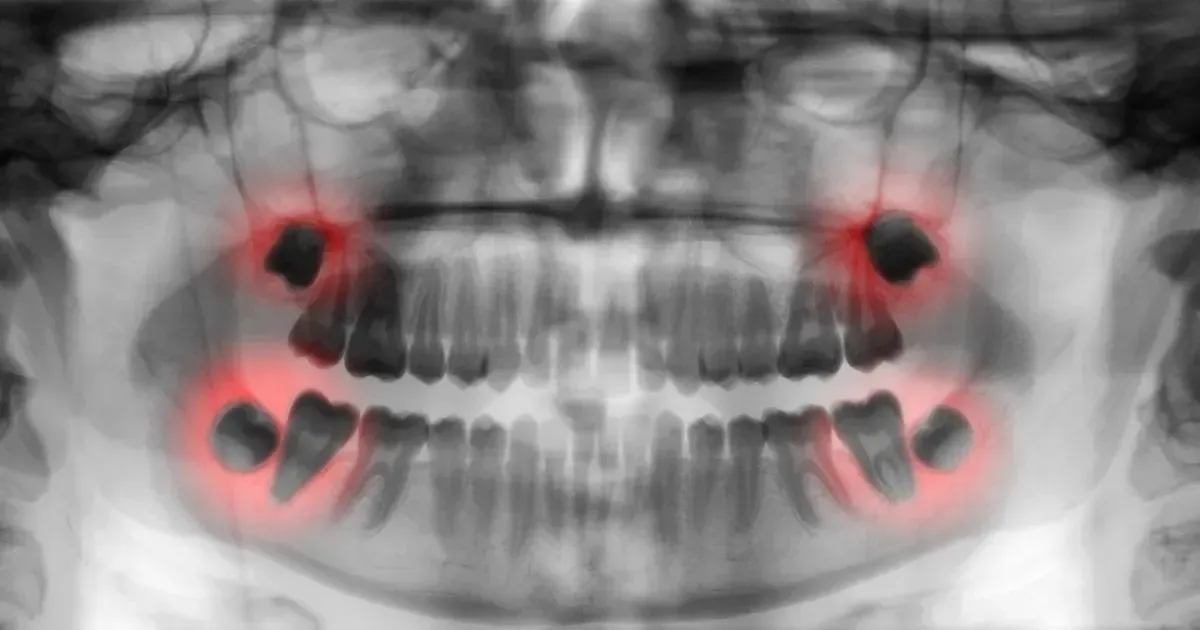
Clinics in Thailand usually start with a panoramic x‑ray to map the roots and check nearby structures. For complex cases, many dentists recommend a CBCT (3D CT scan) to measure the exact distance to nerves or the sinus. Don’t be surprised if your dentist advises a short course of medication to calm an active infection before surgery; it helps reduce swelling and improves healing.
You’ll also discuss your medical history, any allergies, and your comfort level. English is widely used in urban clinics, and many practices have staff who can explain options clearly, so no worries if you’re new to dental jargon.
Comfort and anesthesia options
An experienced Thai dentist will aim to keep things sabai sabai (relaxed). Options usually include:
- Local anesthesia: Numbs the area completely; you’re awake but comfortable.
- IV sedation: Administered by an anesthetist; you’re relaxed and may nap through the procedure.
- General anesthesia: Reserved for very complex or multiple extractions, usually in a hospital setting.
Your dentist will recommend the safest choice based on the tooth’s position, your anxiety level, and your health.
How the procedure works
For complex extractions, the process is surgical but straightforward:
1) Numbing and preparation: The team confirms you’re comfortable and the area is fully numb. Sterile drapes keep things clean.
2) Access and bone removal: A small incision is made, and a flap is lifted. Minimal bone is removed to create a pathway.
3) Tooth sectioning: The tooth is divided into pieces to avoid excessive force and protect nearby nerves and tissues.
4) Removal and cleaning: The fragments are gently taken out. The site is irrigated to remove debris.
5) Sutures: Dissolvable stitches are commonly used. You’ll bite on gauze to control bleeding.
Most complex wisdom tooth surgeries take 30–90 minutes, depending on difficulty and whether multiple teeth are removed in one visit.
Recovery and aftercare
Expect mild to moderate swelling for two to three days, peaking around day two. Your dentist may suggest:
- Pain control: Ibuprofen or paracetam
ol (or a combination), as advised by your doctor.
- Ice packs: 15 minutes on, 15 minutes off for the first 24–48 hours.
- Soft diet: Think Thai-friendly options like jok (rice porridge), khao tom, yogurt, eggs, smoothies (no straws).
- Oral care: Gentle brushing around the area, plus warm salt-water rinses after 24 hours. Some clinics provide chlorhexidine mouthwash.
- Lifestyle: Avoid smoking, alcohol, hot or very spicy foods, and strenuous exercise for a few days.
Dissolvable stitches often drop out in 7–14 days. A quick review at 5–7 days is common. Call your clinic if you have persistent bleeding, fever, foul taste with increasing pain, or numbness that doesn’t improve—these are not typical and should be checked.
Costs in Thailand
Prices vary by city, clinic, and complexity, but as a general guide:
- Panoramic x‑ray: around 600–1,200 baht
- CBCT scan: around 1,500–3,500 baht
- Surgical/complex wisdom tooth extraction: roughly 8,000–25,000 baht per tooth
- IV sedation add‑on: from about 10,000–20,000 baht depending on duration and facility
Many clinics accept cash or card and issue detailed receipts for insurance claims. If you need general anesthesia in a hospital, costs will be higher due to operating theatre and anesthetist fees.
How to choose a clinic in Thailand
For complex cases, picking the right team matters more than anything. Consider:
- Oral and maxillofacial surgeon on site or on call
- Clear imaging (panoramic x‑ray and CBCT) and proper planning
- Transparent quotation with all fees explained (including sedation if needed)
- Strong sterilization protocols and emergency readiness
- Language support and easy-to-reach staff via Line or phone
- Good patient reviews and before‑after explanations
- Hospital access for cases that need general anesthesia (JCI‑accredited hospitals are a plus)
Travel and timing tips
If you’re flying in for treatment, allow a comfortable window:
- Consultation and imaging on day 1 or 2
- Surgery soon after, once swelling (if any) is controlled
- Follow‑up 5–7 days later
Most people can fly after a few days, but if significant swelling or pain persists, it’s better to delay. Plan light activities and avoid intense workouts during recovery. If you’re doing multiple teeth, discuss whether to stage them or complete them in one session.
FAQs
Do all wisdom teeth need removal? Not always. If they’re fully erupted, easy to clean, and symptom‑free, your dentist may just monitor them. Complex or impacted teeth are more likely to cause ongoing issues and are often recommended for extraction.
Will I feel pain during the procedure? With proper anesthesia, you should feel pressure but not pain. Your dentist can top up numbing at any time. If you’re anxious, ask about IV sedation.
How long will I need off work? Many patients take 1–3 days off for a single complex tooth. If your job is physical, give yourself extra rest.
Are nerve injuries common? They’re uncommon but possible with lower impacted teeth close to the nerve. That’s why CBCT planning is important. Your surgeon will explain your personal risk.
Bottom line
Thailand offers reliable, patient‑friendly solutions for complex wisdom tooth extractions, with modern imaging, skilled surgeons, and sensible pricing. With the right clinic, clear communication, and proper aftercare, you can get through the process smoothly and get back to your routine—sabai sabai—before you know it.