Thailand Tooth Extraction Procedures With Comfortable Patient Experience
Thailand Tooth Extraction Procedures With Comfortable Patient Experience
Thailand Tooth Extraction Procedures With Comfortable Patient Experience
If you are considering a tooth extraction in Thailand, you’ll find that clinics across Bangkok, Phuket, Chiang Mai, and other cities focus not only on clinical precision but also on a calm, comfortable experience. Dentists here are used to serving both locals and international patients, so the process is explained clearly, the atmosphere is friendly, and the care is delivered with a gentle touch. From the first consultation to aftercare, the aim is simple: safe procedure, minimal discomfort, and a smooth recovery.
When is a tooth extraction recommended?
Dentists in Thailand recommend extraction only when necessary. Common reasons include:
- Severe tooth decay or infection that cannot be saved with a filling or root canal
- Advanced gum disease causing loose teeth
- Fractured or badly broken teeth below the gum line
- Orthodontic reasons to create space
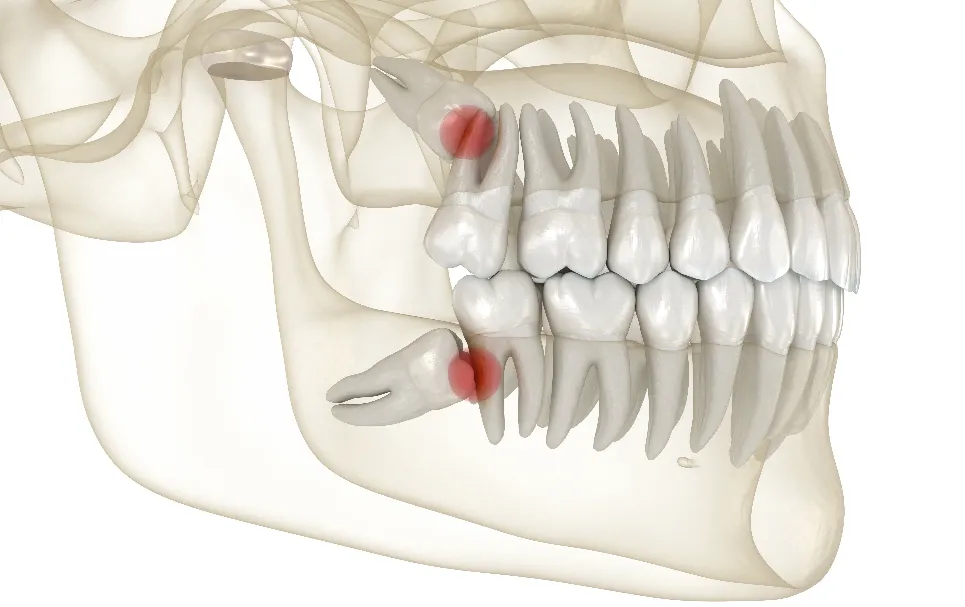
- Impacted or troublesome wisdom teeth
Before any decision, a dentist will assess your case with an exam and X-ray—often a panoramic OPG or 3D CBCT for wisdom teeth—to map roots, nerves, and sinus areas. You’ll get a clear treatment plan, cost estimate in THB, and time frame, so no surprises.
What to expect at your appointment
- Warm welcome and registration: Thai clinics are known for service mind. Front desk staff will help you register, confirm your medical history, and guide you about payment options. English-speaking staff are common in major cities.
- Examination and consultation: The dentist explains the X-ray, discusses options, and answers questions. If extraction is the best choice, you’ll get informed consent with details of risks and benefits.
- Comfortable numbing: A topical gel is applied first, then a slow, gentle local anesthetic injection so you feel pressure but no pain. Many clinics also offer nitrous oxide (laughing gas) for anxiety, and some have IV sedation with an anesthetist for more complex surgical cases.
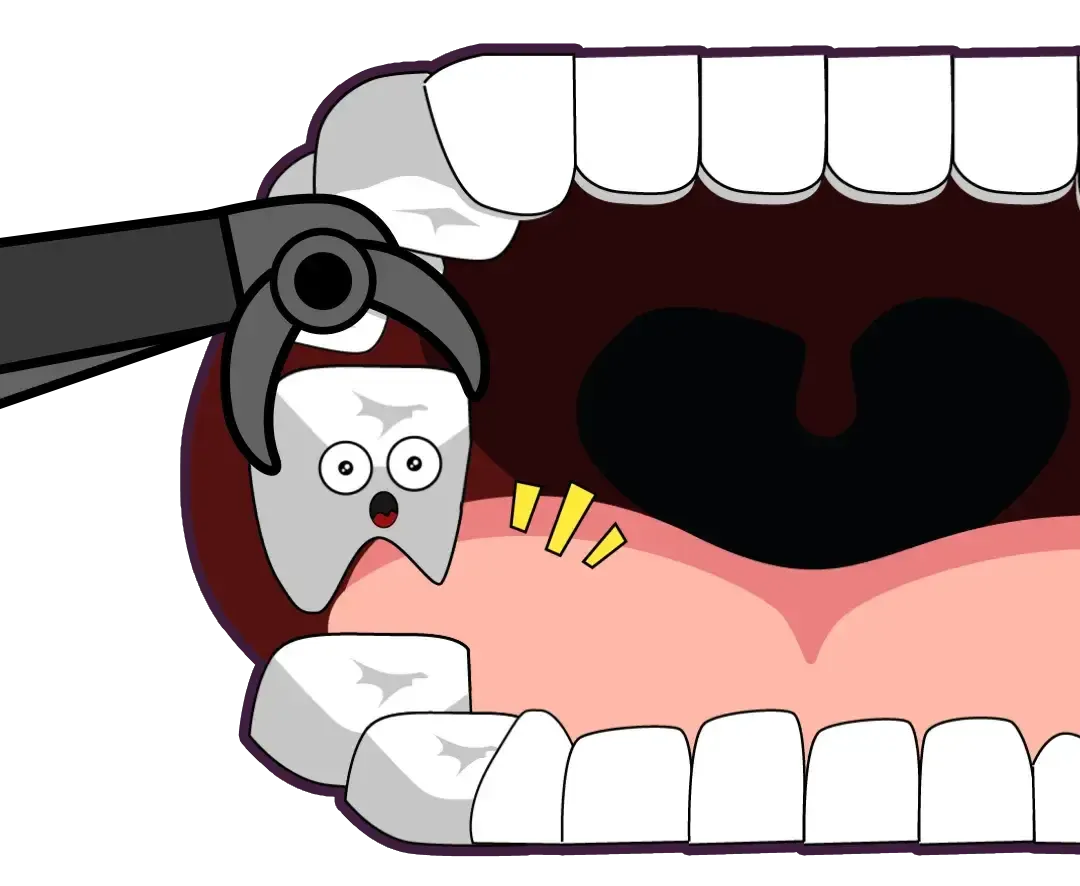
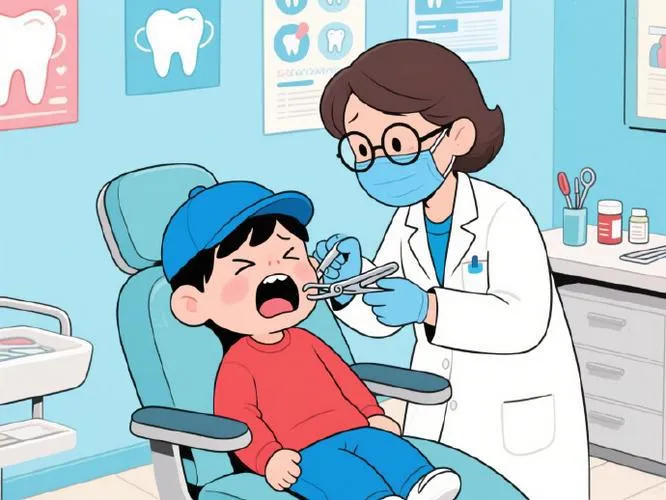
- Gentle technique: For simple extractions, the dentist loosens the tooth with precise instruments and removes it steadily. For surgical or impacted wisdom teeth, the dentist may section the tooth and place a few small stitches. Throughout, you can raise your hand if you feel anything, and the team will pause—no need to be shy.
- Clean, safe environment: Thai dental clinics follow strict sterilization protocols—autoclaved instruments, single-use disposables, and PPE—so you can relax knowing safety is top priority.
- Aftercare briefing: Before you leave, you’ll receive medicine (if needed) and clear aftercare instructions in English. Staff will show you how to bite on gauze and schedule a follow-up, usually 7–10 days if stitches need removal (many stitches are dissolvable).
Does it hurt?
With proper anesthesia, you should feel pressure but not pain. After the numbness wears off, mild soreness is normal. Your dentist may recommend paracetamol or ibuprofen, and antibiotics only when clinically indicated. If you have special concerns, tell the clinic ahead of time—they can arrange extra comfort measures like nitrous, a neck pillow, or even your favorite playlist. Many clinics offer a blanket and Netflix in the chair—small touches that make a big difference.
Your post-extraction care plan
- Bleeding control: Bite firmly on the gauze for 3
0–45 minutes. A little oozing is normal the first day.
- No spitting or drinking through a straw for 24 hours. Avoid smoking for at least 48–72 hours to prevent dry socket.
- Ice packs: Apply on and off (10 minutes each) during the first day to minimize swelling.
- Sleep with an extra pillow the first night.
- Rinsing: After 24 hours, rinse gently with warm salt water 2–3 times a day. Avoid strong mouthwash for the first day.
- Food choices: Choose soft, cool or room-temperature foods and chew on the opposite side. Good Thai-friendly options include jok (rice porridge), soft tofu, scrambled eggs, bananas, yogurt, and clear soup. Skip spicy, very hot, crunchy, or sticky foods (save the sticky rice for later).
- Activity: Take it easy for 24–48 hours. Heavy exercise can increase bleeding.
- Stitches: If non-dissolving sutures were placed, return for removal in 7–10 days. Dissolving stitches typically disappear on their own within 1–2 weeks.
Healing timeline
- First 24–48 hours: Mild swelling and discomfort. Follow your dentist’s instructions closely.
- Days 3–5: Swelling reduces, eating becomes easier.
- 1–2 weeks: Gum tissue closes. For surgical wisdom teeth, full recovery may take a bit longer.
If you develop increasing pain after a few days, bad taste, or persistent bleeding, contact the clinic right away—Thai dentists are responsive, and many offer same-day checks for peace of mind.
Cost, transparency, and booking tips
Thailand is known for reasonable dental fees and clear communication. Before treatment, you’ll receive a written plan with itemized costs, and most clinics accept cash or major cards. For expats and travelers, WhatsApp or LINE booking is common, and clinics can coordinate care around your itinerary. If you’re planning a flight after extraction, allow at least 24–48 hours for simple cases and longer for surgical extractions to avoid discomfort—your dentist will advise based on your procedure.
Choosing the right clinic
- Qualifications: Look for licensed clinics and dentists with postgraduate training in oral surgery or experience in wisdom tooth removal.
- Technology: Digital X-rays, OPG/CBCT, and modern sterilization show a clinic’s commitment to safety and accuracy.
- Comfort options: If you’re anxious, choose a clinic offering nitrous oxide or sedation, plus small comforts like blankets and music.
- Reviews and referrals: Check recent reviews and ask friends or colleagues in Thailand—word of mouth here is strong and reliable.
Why Thailand stands out
Beyond clinical skill, Thai dental care shines in communication and gentle approach. Staff are patient and polite, dentists explain every step, and the environment feels calm and tidy. It’s common to hear “No worries, we take care for you,” and they mean it. That culture of care helps reduce anxiety and makes even a surgical extraction feel manageable.
Final takeaway
Tooth extraction in Thailand combines solid clinical standards with a comfortable, step-by-step experience. With careful diagnosis, effective anesthesia, and thoughtful aftercare, most patients recover quickly and return to normal routines without hassle. Whether you’re in Bangkok, Phuket, Pattaya, or Chiang Mai, choose a reputable clinic, ask your questions, and let the team guide you—so your visit is smooth, safe, and stress-free from start to finish.