Thailand Tooth Extraction Care Designed for International Dental Travelers
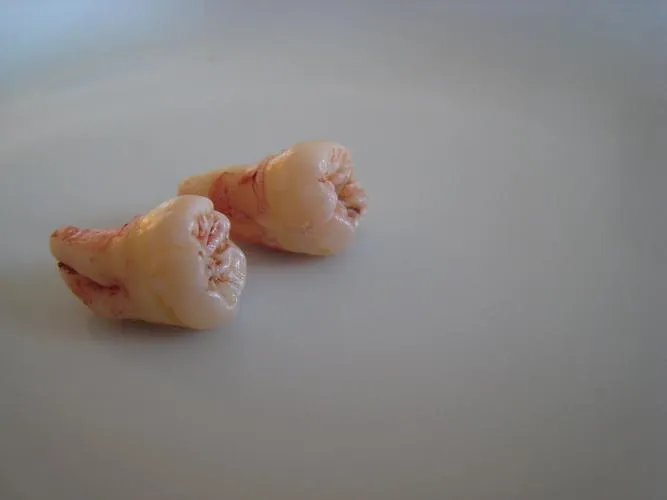
Thailand Tooth Extraction Care Designed for International Dental Travelers
Thailand Tooth Extraction Care Designed for International Dental Travelers
Sawasdee and welcome to Thailand, where world-class dental care meets warm hospitality and “mai pen rai” service. If you’re planning a tooth extraction during your trip—whether a simple removal or a wisdom tooth surgery—you can absolutely have a smooth, comfortable experience with the right preparation and aftercare. Here’s a practical, friendly guide shaped for international dental travelers who want reliable results and a stress-free recovery in the Land of Smiles.
Choosing the right clinic and planning ahead
- Look for clinics with English-speaking dentists and international patient coordinators. Many top clinics in Bangkok, Phuket, Chiang Mai, and Pattaya work with expats and travelers every day.
- Check credentials: Thai Dental Council registration, hospital affiliations, and, for larger hospitals, international accreditation like JCI.
- Share your medical history clearly before you fly: medications, allergies, recent illnesses, and any bleeding disorders.
- Many clinics offer video consults so you can discuss X-rays, sedation options, downtime, and travel plans before booking your flight.
What to expect on extraction day
- You’ll sign informed consent forms in English and go over the plan one more time—no rush, no stress.
- Anesthesia options typically include local anesthesia, with IV sedation available in many facilities. General anesthesia is usually hospital-based.
- Payments are straightforward: Visa/Mastercard widely accepted; receipts include diagnosis and codes for insurance claims.
- After the extraction, the dentist will place gauze over the site and review aftercare instructions. Ask for a printed sheet and a digital copy via email or Line—very handy while traveling.
Immediate aftercare: the first 24 hours
- Keep gentle pressure on the gauze for 30–45 minutes. If bleeding persists, replace with a clean roll and bite firmly for another 30 minutes.
- Do not spit, rinse vigorously, or use a straw—suction can dislodge the clot and cause a dry socket.
- No smoking or vaping for at least 72 hours. Alcohol can wait too.
- Rest back at your hotel with your head slightly elevated. Grab is convenient for a smooth ride back.
- Use a cold compress on the outside of your cheek: 20 minutes on, 20 minutes off for the first day.
Pain and swelling control the Thai-friendly way
- Most clinics recommend ibuprofen and/or paracetamol (acetaminophen); follow the exact dose your dentist gives. If you can’t take NSAIDs, your dentist will adjust.
- Antibiotics are not always needed, but if prescribed, finish the course on time.
- Pharmacies like Boots and Watsons are easy to find in malls and along main roads. For small supplies—gauze, saline, bottled water, yogurt—7‑Eleven is everywhere, open late, and super convenient.
- Swelling usually peaks around 48 hours and then settles. Keep sleeping with your head elevated for two nights.
Eating and drinking: order like a local
For the first two to three days, think soft, lukewarm, and not spicy. Helpful options you can easily find across Thailand:
- Jok (Thai rice porridge) or khao tom (rice soup) – ask for “not spicy, please” or “mai phet, krub/ka.”
- Soft omelette, tofu, mashed banana, yogurt, smoothies without a straw, and coconut water.
- Avoid very hot soups, sticky rice, crunchy fried foods, seeds, and spi
cy dishes like som tam and hot tom yum during the early days. These can irritate the wound or get stuck in the socket.
- Hydrate well with bottled water. Brands like Singha, Namthip, and Crystal are common. Skip carbonated drinks and alcohol until your dentist says OK.
Oral hygiene without disturbing the clot
- On day one, do not rinse vigorously. You may gently wipe away saliva with a tissue if needed—no spitting.
- After 24 hours, rinse gently with warm saltwater 2–3 times daily (use bottled water if you’re unsure about tap water). Continue for a week.
- Brush your other teeth as normal, but avoid the extraction area until your dentist advises. If you were given an antiseptic mouthwash, use it exactly as directed.
Activity and travel timing
- Keep it easy for 48–72 hours. No Muay Thai class, gym, long runs, or heavy lifting. Also skip facial massages and saunas for a few days.
- Flying: after a simple extraction, many travelers fly after 24–48 hours if there’s no bleeding or severe pain. For surgical wisdom teeth, it’s safer to wait at least 72 hours. When in doubt, ask your dentist for a fit-to-fly note.
- Diving and high-adrenaline activities: plan these at least a week later or as your dentist recommends.
- Island-hopping or long bus rides? Schedule the extraction earlier in your itinerary so you can rest before moving on.
Follow-ups, stitches, and communication
- If you have sutures, removal is often in 5–7 days. Many clinics can fit quick follow-ups even if your schedule is tight.
- Tele-follow-ups are common. Save the clinic’s WhatsApp/Line number and email. Photos or a quick video call can help your dentist guide you from anywhere in Thailand.
- Keep your prescriptions, X-rays, and invoices handy in your email or phone gallery in case you need a different clinic while traveling.
How to spot a problem (don’t “mai pen rai” this)
- Heavy bleeding that doesn’t slow after firm gauze pressure for 1–2 hours.
- Severe increasing pain 2–4 days after extraction, bad taste or breath, or visible bone—possible dry socket.
- Fever, facial swelling spreading beyond the cheek, or difficulty opening your mouth.
- If any of these happen, contact your clinic immediately. For urgent situations, Thailand’s medical emergency number is 1669.
Insurance and practical money matters
- Check that your travel insurance includes emergency dental coverage and ask what documents they need to reimburse you.
- Most clinics can provide itemized receipts, treatment notes, and images. Ask at the start so everything is prepared for you at the end of treatment.
Smart packing list for dental travelers
- Travel-sized mouth mirror, small ice pack, lip balm, extra masks, and a soft-bristle toothbrush.
- Reusable water bottle you can fill with bottled water.
- A small note with your medications, allergies, and emergency contacts.
A final local tip with a smile
Thais are famously gentle and accommodating—if you need softer food, slower service, or special instructions, just say it and you’ll be looked after. The vibe may feel “same same but different” from back home, but the standards are high, the communication is clear, and the care is truly patient-first. With a bit of planning and the right aftercare, your Thailand tooth extraction can be safe, comfortable, and surprisingly stress-free. Sawasdee krub/ka to a smooth recovery and the rest of your holiday.