Thailand Tooth Extraction Procedures With Quality Assured Treatment
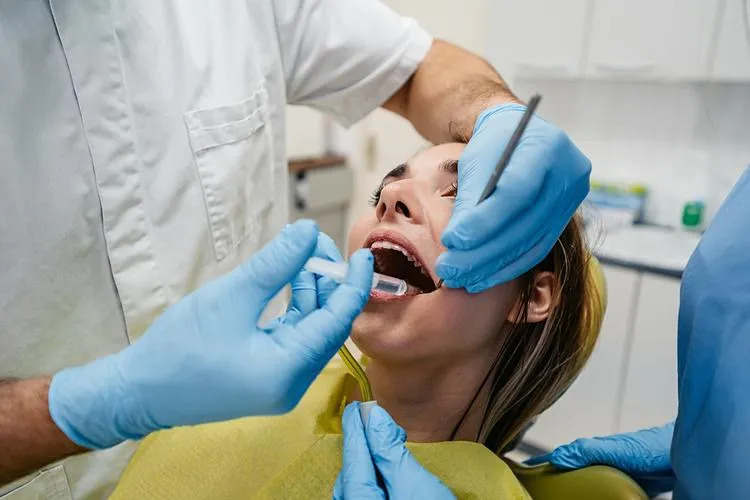
Thailand Tooth Extraction Procedures With Quality Assured Treatment
Thailand Tooth Extraction Procedures With Quality Assured Treatment
Planning a tooth extraction in Thailand? You’re in good hands. Across Bangkok, Chiang Mai, Phuket, and other major cities, dental clinics combine skilled dentists, modern technology, and fair pricing with that signature Thai hospitality. Whether it’s a simple removal or a more complex wisdom tooth extraction, you can expect clear explanations, gentle technique, and quality assured treatment from start to finish.
Why Choose Thailand for Tooth Extraction
- Experienced dentists and oral surgeons: Many doctors train both locally and abroad, are board-certified by the Dental Council of Thailand, and stay updated with international protocols.
- Modern facilities: Clinics commonly use digital X‑rays, panoramic X‑rays (OPG), and CBCT 3D imaging for surgical planning.
- Strong infection control: Sterilisation with medical-grade autoclaves, instrument tracking, and single-use disposables are standard. Staff follow PPE and hand hygiene protocols you’d expect from top clinics worldwide.
- Transparent pricing: Clear fee quotes before treatment, with itemised costs.
- Comfortable service: English-speaking teams, calm treatment rooms, and attentive aftercare make the experience smooth for locals, expats, and visitors.
Step-by-Step: How Tooth Extractions Are Done in Thailand
1) Consultation and diagnosis
Your visit starts with a friendly consult. The dentist reviews your medical history, checks the tooth and gums, and usually takes an X‑ray. For impacted wisdom teeth or complex cases, a CBCT scan may be recommended. You’ll get a straightforward explanation of options, risks, and fees, then sign a consent form before treatment.
2) Anaesthesia and pain control
For most extractions, local anaesthesia makes the area numb within a few minutes. For anxious patients or complex surgical cases, clinics may offer oral sedation or IV sedation with an anaesthetist, after a short medical screening.
3) Simple extraction
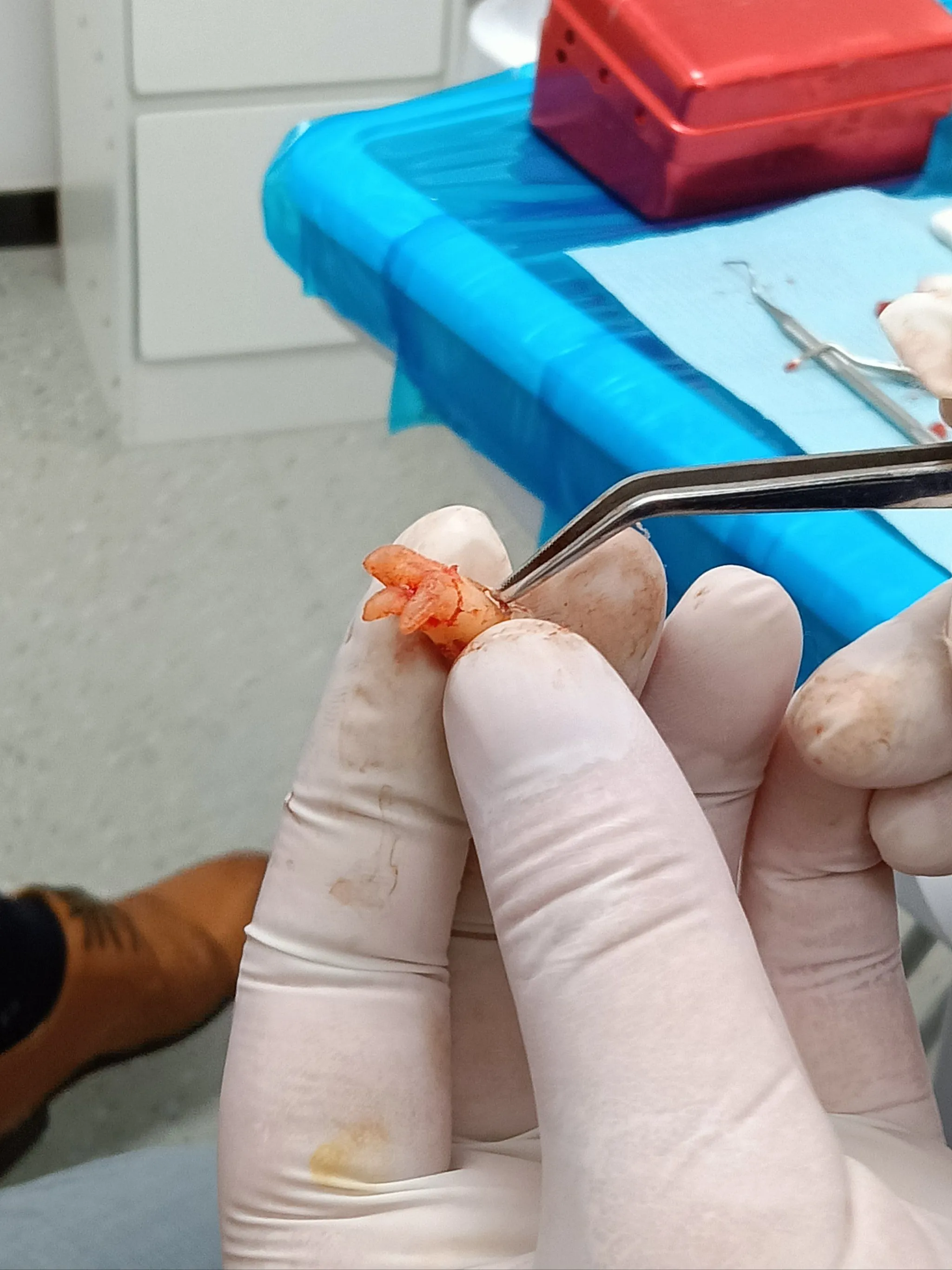
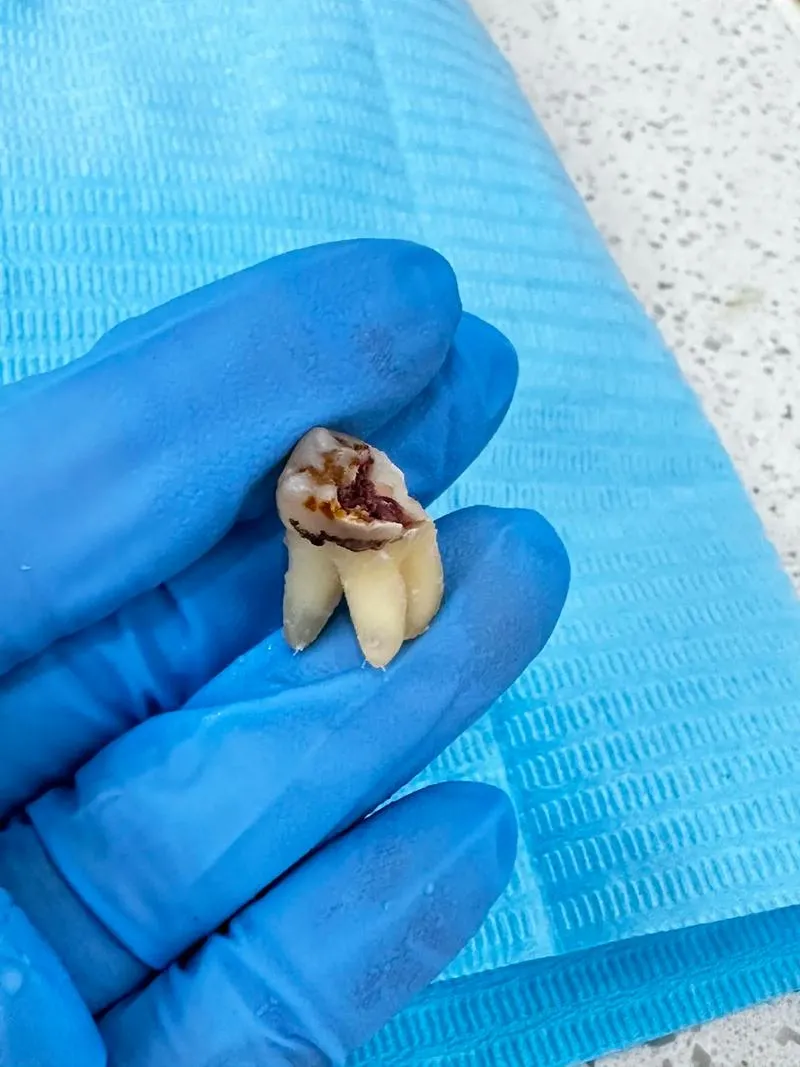
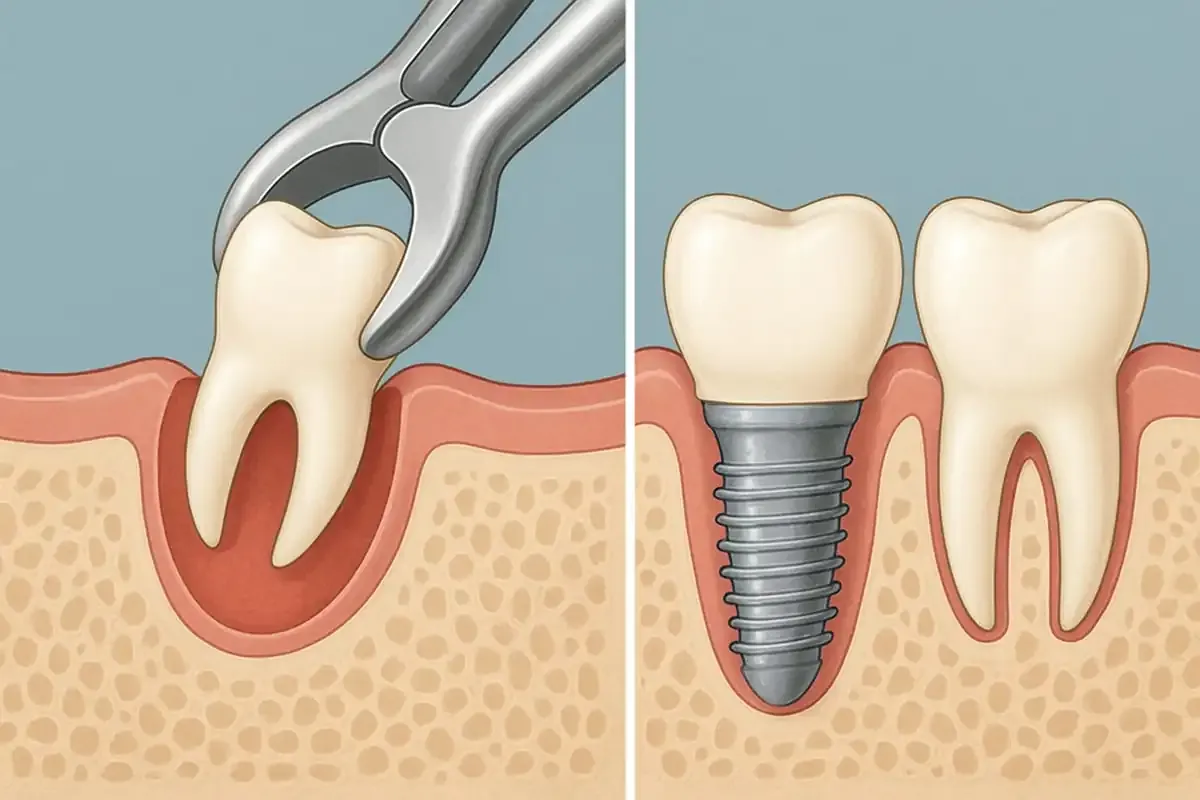
If the tooth is not impacted and the roots are straightforward, the doctor gently loosens the tooth and lifts it out. You’ll feel pressure but no sharp pain. The whole process often takes 15–30 minutes for a single tooth.
4) Surgical or wisdom tooth extraction
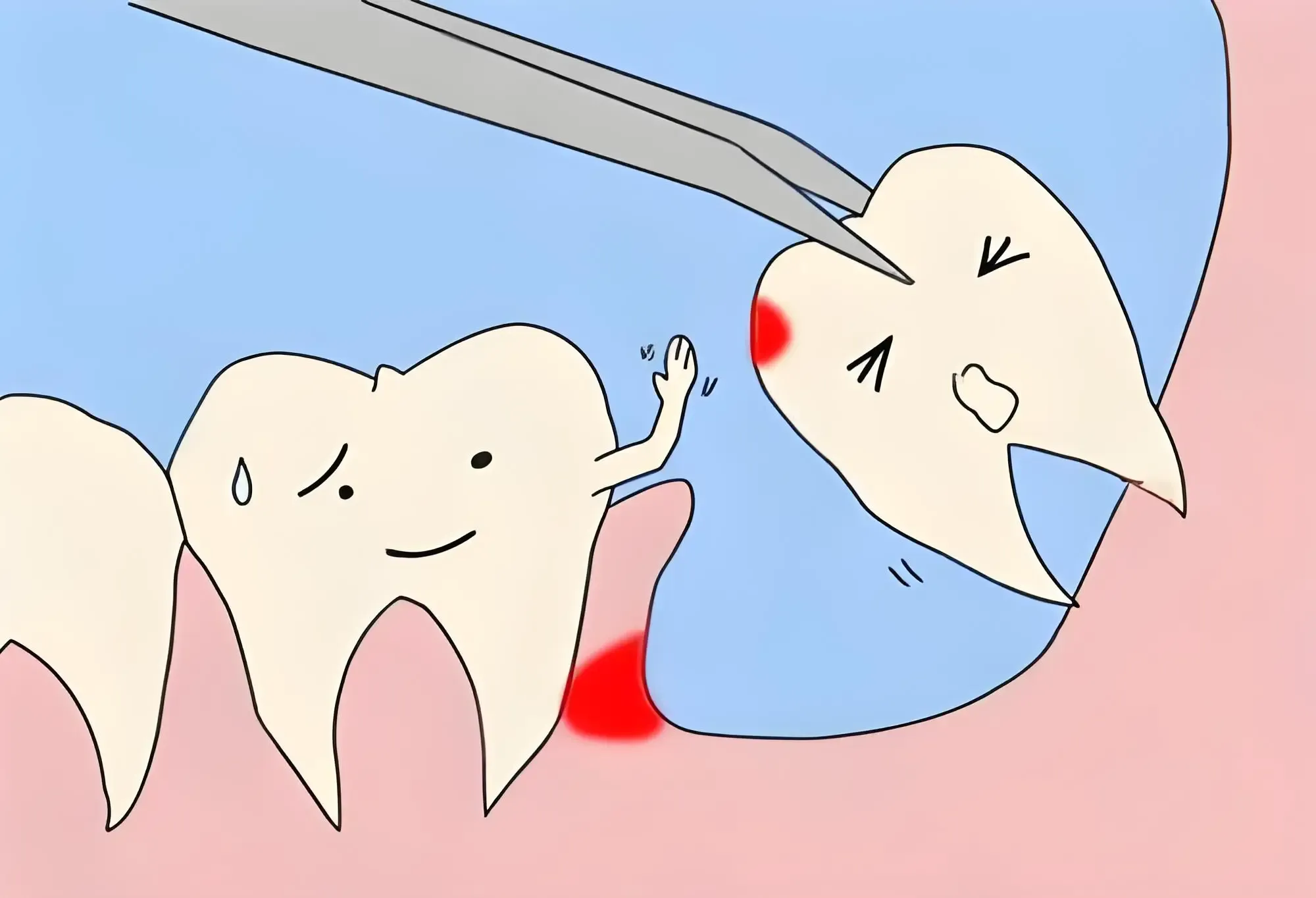
Impacted or broken teeth may need a small gum incision, bone smoothing, or sectioning the tooth into parts for safe removal. Stitches may be placed. Surgical extractions typically take 30–60 minutes per tooth, depending on complexity.
5) Immediate aftercare
You’ll bite on gauze for 30–45 minutes to control bleeding. The team gives printed home-care instructions and prescribes painkillers, and, when indicated, antibiotics or a mouth rinse. For sutures, a follow-up visit is usually set in 5–7 days.
Quality Assurance and Safety Standards
- Licensed professionals: Dentists are registered under the Dental Council of Thailand and operate in clinics overseen by the Ministry of Public Health.
- Sterilisation assurance: Clinics maintain autoclave logs, use sealed instrument pouches, and follow surface disinfection protocols between patients.
- Imaging and diagnosis: Access to OPG and CBCT helps reduce surgical risks and improve outcomes.
- Documentation and transparency: Expect clear treatment notes, consent forms, and receipts, with English versions available on request.
- Emergency readiness: Reputable clinics keep emergency kits and have referral links to hospitals for rare complications.
What It Typically Costs
Fees vary by city, clinic brand, and case complexity, but you can expect ballpark ranges like:
- Simple tooth extraction: roughly THB 800–2,500
-
Surgical extraction: roughly THB 3,000–8,000
- Impacted wisdom tooth extraction: roughly THB 5,000–12,000 per tooth
These ranges are indicative and may be higher in premium clinics or for complex anatomy. You should receive a personalised quote after the examination and X‑ray.
Recovery Tips and What to Expect After
- First 24 hours: Keep the gauze in place as instructed. Apply ice packs in intervals to reduce swelling. Skip hot food and alcohol.
- Avoid dislodging the clot: No straw use, spitting, vigorous rinsing, or smoking for at least 48–72 hours to prevent dry socket.
- Eating: Choose soft, cool foods at first—yoghurt, porridge, smoothies (spoon, not straw), scrambled eggs.
- Oral hygiene: Gently brush other teeth as normal. After 24 hours, start warm saltwater rinses after meals unless your dentist advises otherwise.
- Pain control: Take prescribed medicines on schedule. Mild discomfort and swelling for 2–3 days is common; surgical cases may need a few more days.
- Follow-up: Return for suture removal if placed. Most patients return to normal routines within a couple of days.
Call the clinic promptly if you have heavy bleeding that doesn’t slow after pressure, fever, worsening swelling after day three, foul taste or pus, persistent numbness, or difficulty swallowing.
Timing Tips for Travellers and Expats
- Plan your schedule: Many patients are comfortable flying 24–48 hours after a simple extraction; for surgical wisdom teeth, consider a longer buffer and your dentist’s go‑ahead.
- Activity: Avoid diving, intense workouts, or Muay Thai training for a few days post-extraction.
- Communication: Most clinics communicate via phone, email, or messaging apps for quick follow-up, and many offer digital X‑ray copies if you need to share records back home.
- Insurance and documents: Bring your passport, medical history, and insurance details. Some clinics can issue medical invoices suitable for international claims.
How to Choose the Right Thai Dental Clinic
- Credentials and experience: Check the dentist’s qualifications and experience with extractions and impacted wisdom teeth.
- Imaging access: Ensure the clinic can provide panoramic X‑rays and, if needed, CBCT.
- Sterilisation confidence: Ask about autoclave systems and single-use items—reputable clinics will answer clearly.
- Clear fee structure: Request a written estimate before treatment, including X‑rays, surgical fees, medications, and follow-up costs.
- After-hours support: Confirm contact details for urgent advice after clinic hours.
Common Questions
Is a tooth extraction painful?
During the procedure, local anaesthesia keeps you comfortable. You’ll feel pressure but not sharp pain. Afterward, discomfort is usually manageable with prescribed pain relief and cool compresses.
Do I need antibiotics?
Antibiotics are not routine for every extraction. Your dentist will prescribe them only if there’s infection, a surgical indication, or specific medical needs.
Can I remove more than one tooth in one visit?
Yes, depending on your health and complexity. Your dentist will advise the safest plan.
The Bottom Line
Thailand offers tooth extraction procedures that are efficient, patient-focused, and quality assured. With experienced doctors, international-standard sterilisation, transparent fees, and attentive aftercare, you can expect a smooth experience from consultation to recovery—whether you live in Thailand or are visiting for care. Book a consultation, get your personalised plan and quote, and let a trusted Thai dental team take care of your smile with the gentle, professional approach the country is known for.