Thailand Tooth Extraction Services With Personalized Treatment Advice
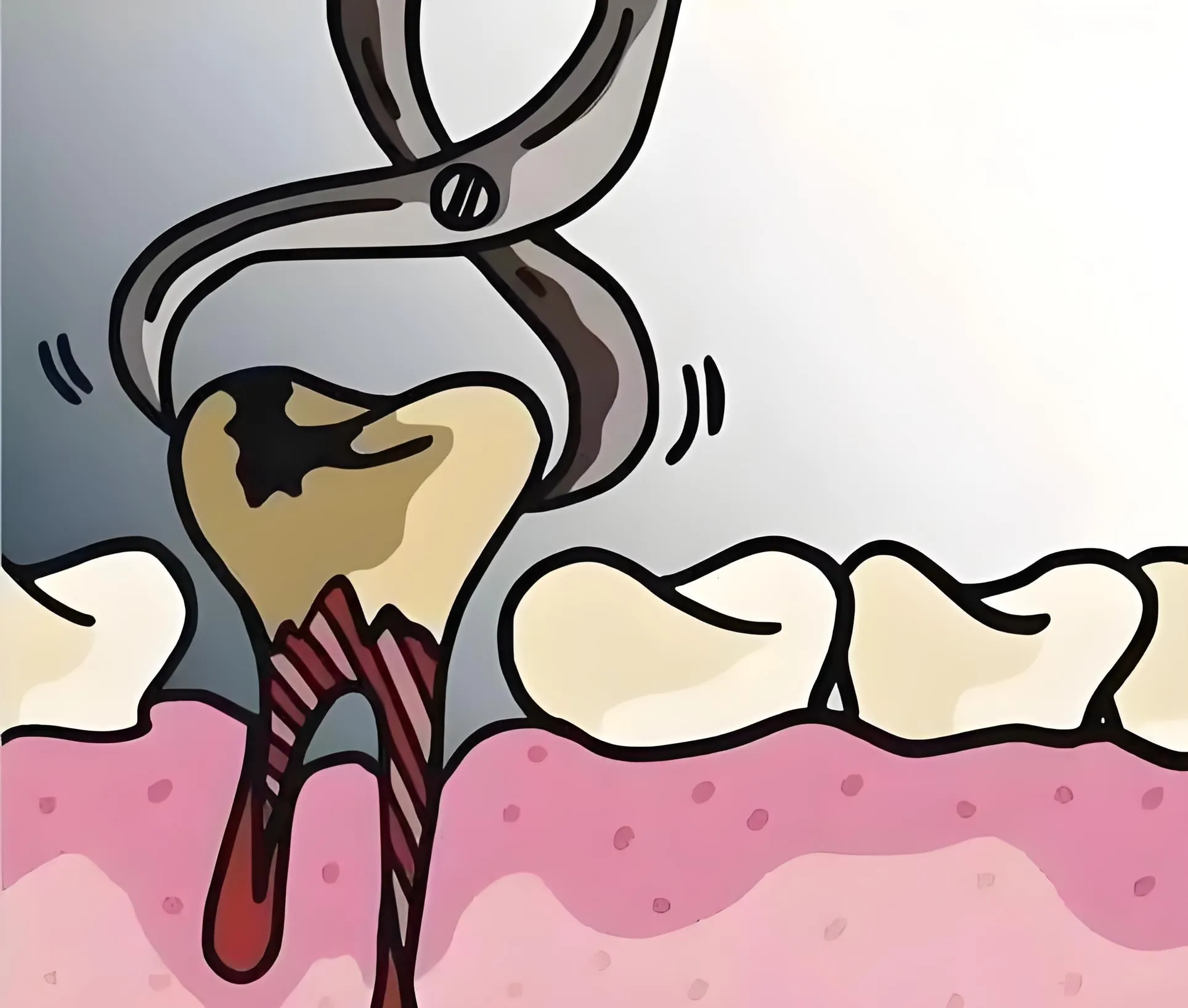
Thailand Tooth Extraction Services With Personalized Treatment Advice
Thailand Tooth Extraction Services With Personalized Treatment Advice
Tooth pain can strike at the worst time—before a work trip, during a long weekend in Phuket, or while you’re settling into life in Bangkok. The good news is that tooth extraction services in Thailand are efficient, affordable, and delivered with a gentle touch. From modern clinics near BTS and MRT to international hospitals with full surgical teams, you can expect clear communication, careful planning, and personalized treatment advice that fits your schedule and comfort level.
Why choose Thailand for tooth extraction
- High standards: Thai dentists are well trained, many with international experience. Clinics use digital X‑rays, CBCT scans when needed, and strict sterilization protocols.
- Reasonable fees: You’ll find transparent price lists, promotions, and no hidden cost. Many clinics provide a written treatment plan before any procedure.
- Easy access: Locations across Bangkok, Chiang Mai, and Phuket, often close to BTS/MRT or main sois. Many are open late and on weekends, with walk‑ins welcome for urgent cases.
- English-friendly service: Dentists and staff commonly speak English, and the service mind makes you feel comfortable from consultation to aftercare.
Personalized treatment advice, not one-size-fits-all
A proper extraction starts with a tailored consultation. The dentist will:
- Review your medical history, medications, and allergies.
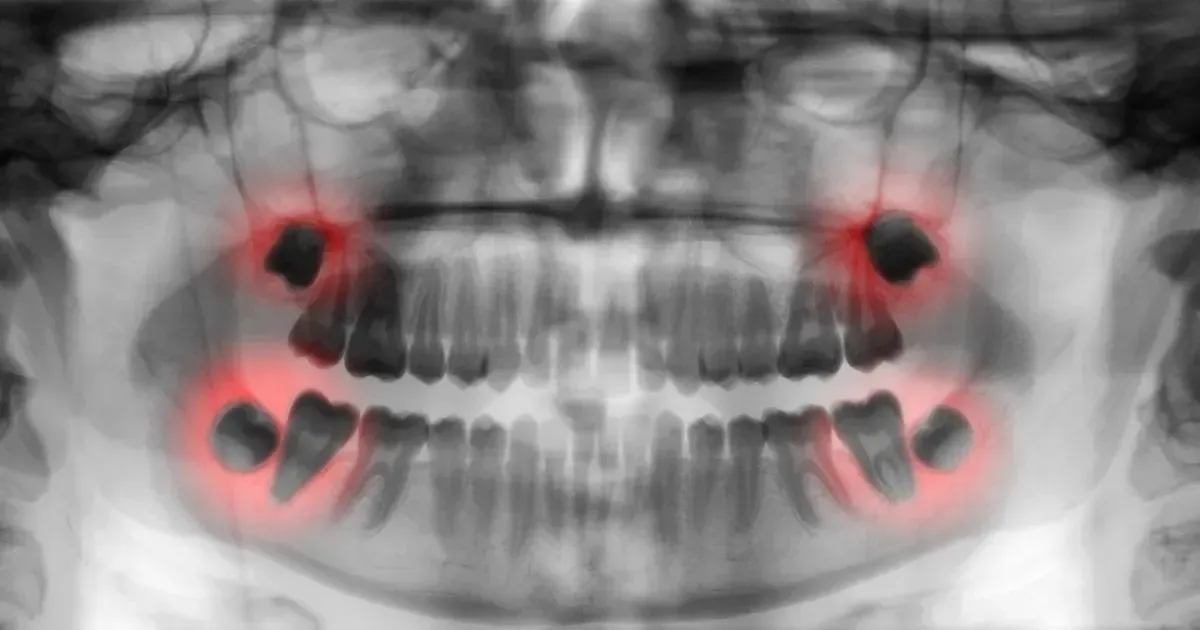
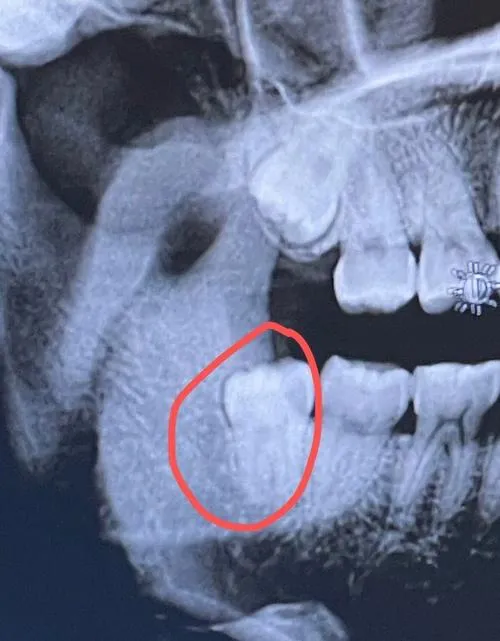
- Take a small film X‑ray or a panoramic scan to see roots, nerves, and sinus position.
- Explain your options—monitoring, root canal, simple extraction, or surgical/wisdom tooth removal—so you can decide what’s best for you.
- Discuss timing if you’re traveling soon, and recommend the safest window before flying, diving, or trekking.
- Offer pain control choices, from local anesthesia to IV sedation (usually in a hospital setting).
- Set an individual aftercare plan for swelling control, diet, and follow‑up check.
What to expect on the day
- Booking is easy: Make an appointment by phone, website, or add the clinic on LINE for quick replies. Many clinics also respond via Facebook Messenger.
- Check‑in and assessment: On arrival, you complete a short form, then the dentist reviews your X‑ray and confirms the plan, risks, and fees.
- Numbing: Local anesthesia takes 5–10 minutes to work. You’ll feel pressure but not sharp pain. If you’re very anxious, discuss sedation in advance.
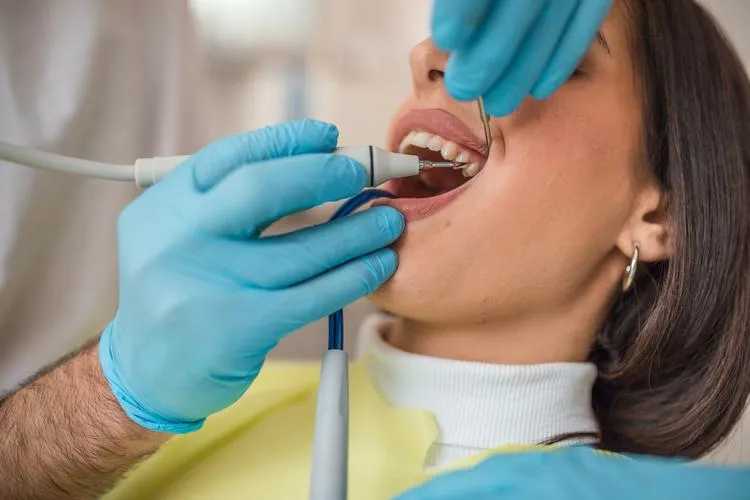
- Extraction: A simple tooth removal may take 15–30 minutes; surgical or impacted wisdom teeth can take 30–60 minutes or a bit longer depending on complexity.
- Stitches and gauze: Dissolving stitches are common for surgical cases. You’ll bite on gauze to help stop bleeding and rest in the air‑con waiting area.
- Payment and documents: Pay by cash, card, or QR PromptPay. You can request a receipt and treatment notes for insurance claims.
Pain management and anesthesia options
Most extractions in Thailand are done comfortably with local anesthesia. Some clinics also offer nitrous oxide, while IV sedation or general anesthesia is arranged at hospitals with an anesthesiologist—ideal for complex wisdom teeth or patients with high anxiety. Dentists here follow evidence-based protocols: antibiotics are prescribed only when indicated, and you’ll get clear instructions for pain relievers and mouth rinses. A helpful tip is to start your pain medication before the numbness wears off, as advised by your dentist.
Recovery timeline and aftercare tips
- First 24–48 hours: Mild swelling and tenderness are normal. Use a cold pack in the first day to reduce swelling and keep your head elevated when resting.
- Days 3–4: Discomfort usually eases. Continue gentle salt‑water rinses as advised, and
keep the area clean without disturbing the clot.
- Day 7–10: Stitches, if not dissolving, may be removed. Wisdom tooth recovery can take 1–2 weeks, especially for deeply impacted cases.
Eating and activities:
- Choose soft, easy foods: Warm khao tom (rice porridge), yogurt, mashed potatoes, scrambled eggs. Avoid straws to protect the clot.
- Go easy on spicy, very hot soups for the first day or two.
- Avoid smoking and alcohol for at least 72 hours.
- Flying: After a simple extraction, many patients can fly after 24–48 hours, but it’s safer to wait 2–3 days. For surgical/wisdom extraction, consider 5–7 days if possible. Always check with your dentist.
- Diving and intense sports: Delay until your dentist gives the green light. Pressure changes and heavy exertion can slow healing.
Common types of extractions in Thailand
- Simple extraction: For teeth loosened by gum issues or with straightforward roots.
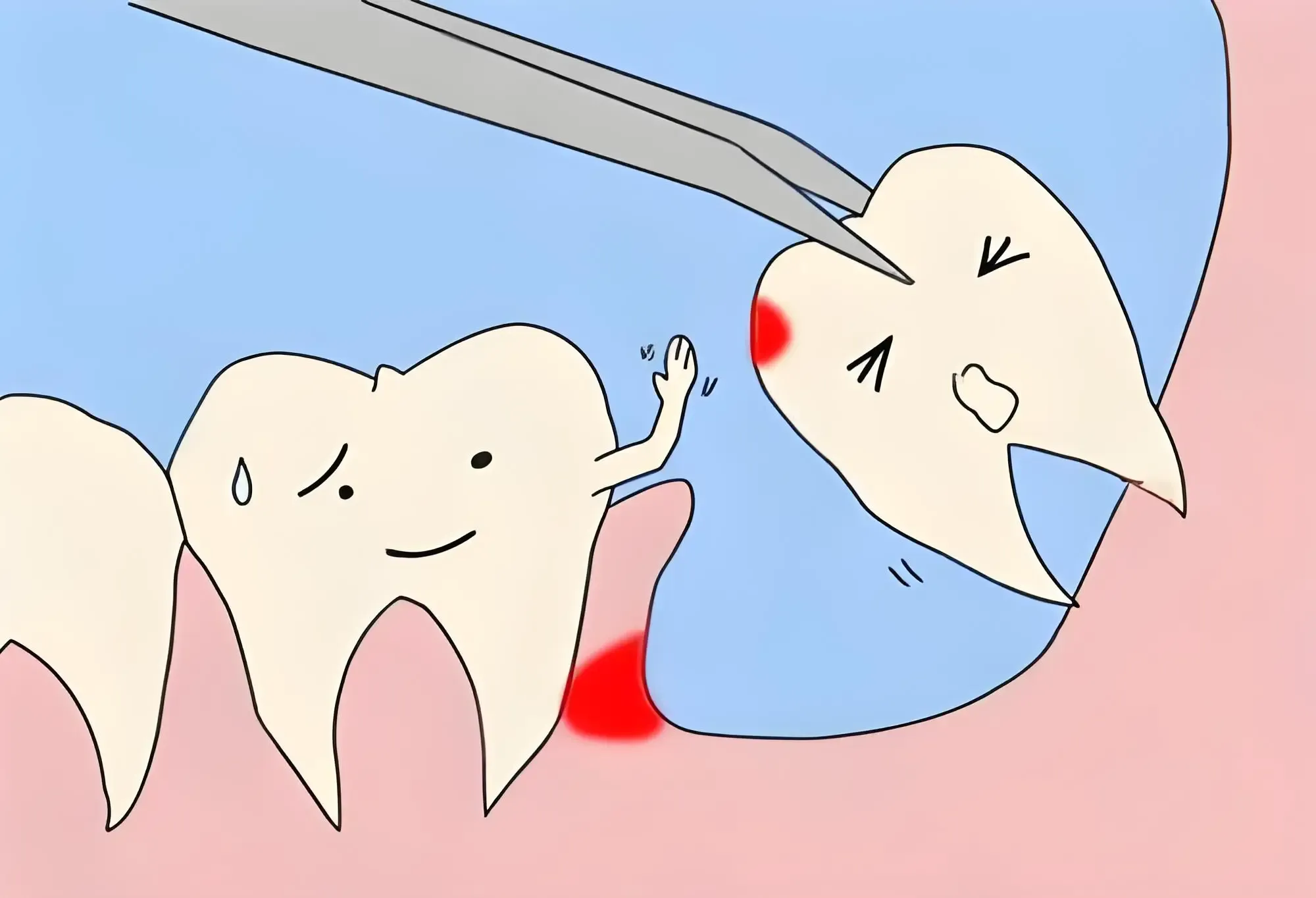
- Surgical extraction: For broken teeth, curved roots, or when the tooth sits below the gum line.
- Wisdom tooth removal: A frequent reason to visit. Dentists will assess nerve proximity using panoramic or CBCT imaging to avoid complications.
Costs you can expect
Prices vary by city, clinic, and complexity, but typical ranges are:
- X‑rays: Small film 300–500 THB, panoramic 500–1,500 THB, CBCT 3,000–5,000 THB.
- Simple extraction: 1,000–3,000 THB per tooth.
- Surgical extraction: 3,000–6,000 THB per tooth.
- Impacted wisdom tooth: 4,000–12,000 THB per tooth depending on difficulty.
- Sedation in hospital: Additional 8,000–20,000 THB+ depending on duration and facility fees.
Many clinics offer seasonal promotions and will give you a printed or digital quotation before treatment. Private hospitals may support direct billing with certain international insurers. For clinics, you’ll usually pay first and claim back with a detailed receipt.
Support for expats and travelers
Thailand’s dental teams are used to tight travel plans and different insurance needs. You can often get same‑day appointments for pain, swelling, or broken teeth. English‑speaking staff will send aftercare reminders via LINE and arrange a quick review before you leave town. If you need medical clearance letters for flights or activity notes for your tour operator, just ask in advance.
How to choose the right clinic
- Location and convenience: Near BTS/MRT or your soi makes follow‑up easy.
- Dentist qualifications: Look for DDS, special training in oral surgery or implantology, and years of experience with wisdom teeth.
- Facilities: Digital X‑ray, CBCT access, and strict sterilization.
- Communication: Clear explanation of options, risks, fees, and aftercare in English.
- Anxiety care: Ask about nitrous or hospital‑based sedation if you prefer to sleep through the procedure.
- Reviews and referrals: Check recent reviews and ask friends or community groups for recommendations.
Quick answers to common questions
- Is it painful? With proper local anesthesia, you should feel pressure but no sharp pain. Tell the dentist if anything feels uncomfortable; they will top up anesthesia.
- Do I need antibiotics? Not always. Your dentist will decide based on the case.
- Can I go back to work the next day? Many people can after a simple extraction. For surgical or wisdom teeth, you may need 2–3 days of easier activity.
- Will I get dry socket? It’s uncommon if you follow instructions—no smoking, no straws, gentle rinsing only as advised.
Whether you live in Thailand or you’re just passing through, tooth extraction here is straightforward, safe, and handled with kindness. With personalized treatment advice and practical aftercare, you can get back to your routine—pain free and smiling—without disrupting your plans.