Thailand Tooth Extraction Treatment for Long Standing Tooth Problems
Thailand Tooth Extraction Treatment for Long Standing Tooth Problems
Thailand Tooth Extraction Treatment for Long Standing Tooth Problems
Living with a tooth that has been troubling you for months or even years can be exhausting. In Thailand, tooth extraction is a straightforward, well-managed solution when a tooth is beyond saving or keeps flaring up. Whether you are based in Bangkok, Chiang Mai, Phuket, or visiting from overseas, clinics here handle extractions with a gentle approach, modern equipment, and clear pricing, so you can sort out long standing tooth problems without drama.
When is tooth extraction recommended?
- Severe decay where a filling or crown will not hold
- A cracked tooth that extends below the gum line
- Failed root canal with persistent infection
- Advanced gum disease (periodontitis) causing tooth mobility
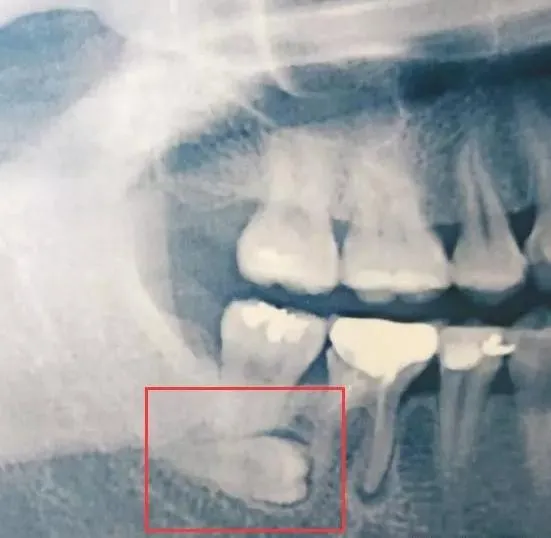
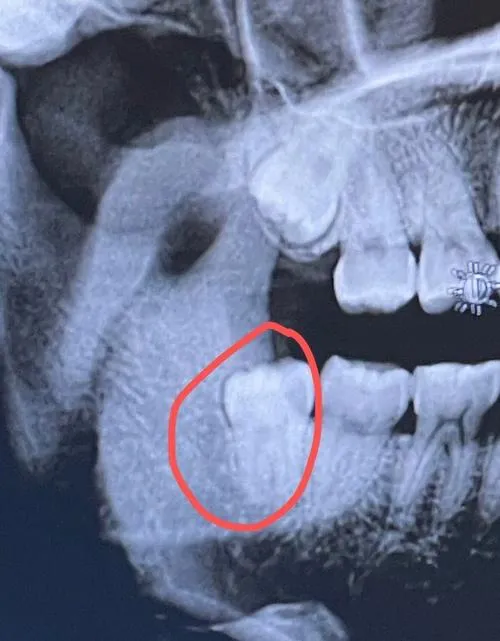
- Impacted or infected wisdom teeth
- Overcrowding before orthodontic treatment
- Recurrent abscess, cyst around the root, or constant bad taste and bad breath from chronic infection
If you have been “just managing” pain with painkillers on and off, or you notice swelling that comes and goes, it is time to get a proper diagnosis. Leaving it too long can damage the jawbone and gums, and sometimes the infection can spread.
How Thai dentists assess long standing tooth problems
Your dentist will start with a friendly chat about your symptoms, medical history, and any medicines you take. Next is a clinical exam and imaging. Most clinics use digital X-rays or an OPG (panoramic X-ray). For complex cases, especially wisdom tooth removal or a buried root, a CBCT scan gives a 3D view to plan the surgery precisely. If there is an acute infection, your dentist may prescribe antibiotics and anti-inflammatory medicine first, then schedule the extraction once the swelling is under control. You will also discuss pain management options so you know exactly what to expect.
Types of tooth extraction in Thailand
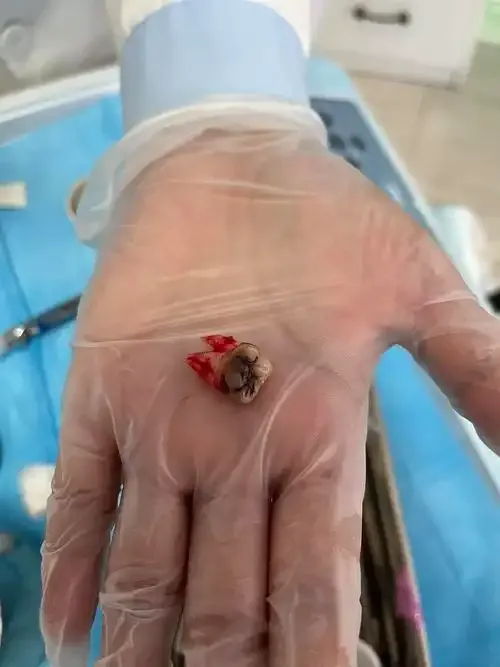
- Simple extraction: A loose, visible tooth is gently loosened and lifted out under local anaesthesia. Quick and usually done in-chair at a dental clinic.
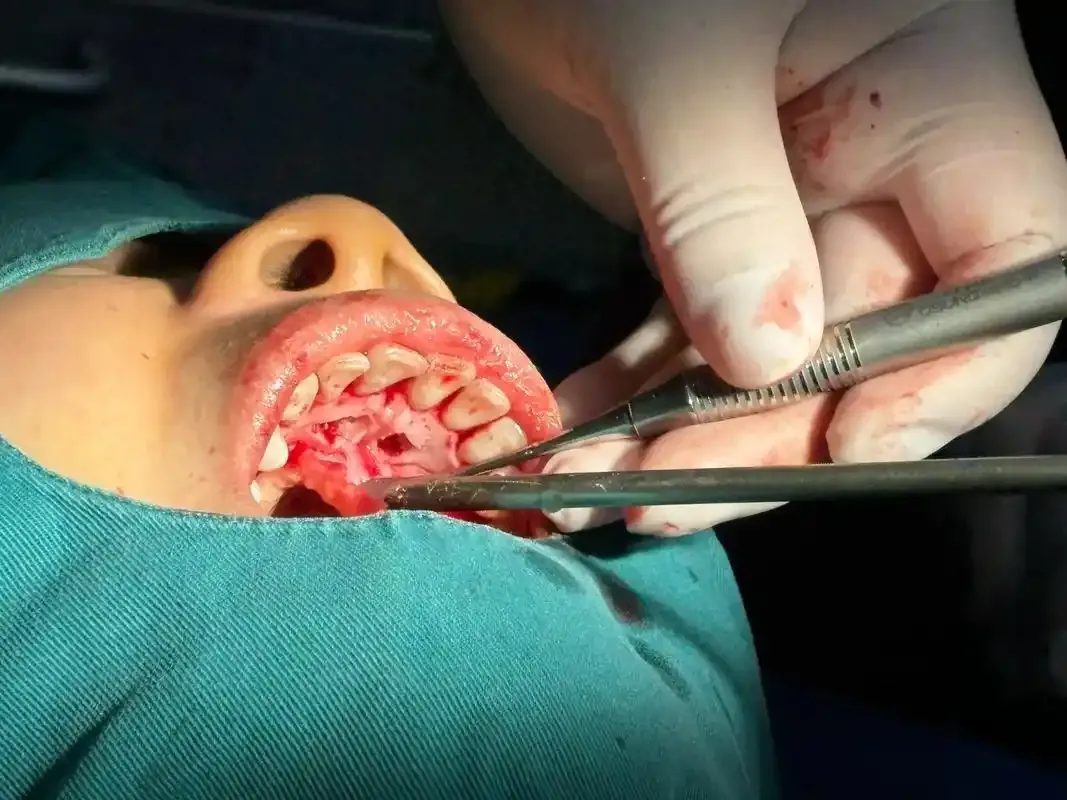
- Surgical extraction: For broken teeth, roots left under the gum, or impacted wisdom teeth. A small flap may be made and bone trimmed if needed. Performed by an experienced dentist or oral surgeon.
- Wisdom tooth removal: Common in late teens to early thirties; Thai clinics do this every day. If the tooth is close to a nerve or sinus, your dentist will plan carefully to avoid complications.
Anaesthesia and sedation options
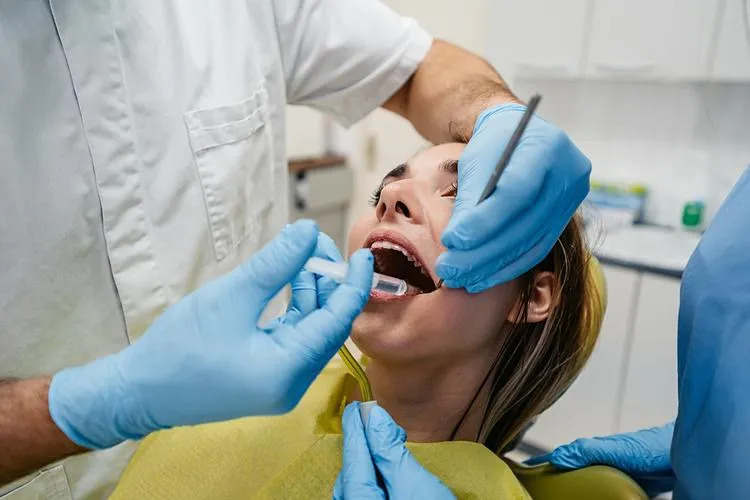
Local anaesthesia is standard and very effective. For anxious patients, some clinics offer oral sedation; hospital-based settings can provide IV sedation or general anaesthesia with monitoring. Thai dentists tend to be calm and reassuring, and they will talk you through each step to keep you comfortable.
Hygiene and safety standards
Reputable clinics follow strict sterilisation protocols, use autoclaved instruments, and single-use consumables. Many hospital dental centres in Bangkok are JCI-accredited, and private clinics often highlight their infection control standards. English-speaking dentists and staff are common in areas like Sukhumvit, Silom, Sathorn, Nimmanhaemin Road in Chiang Mai, and Patong in Phuket.
Cost of tooth extraction in Thailand
Fees vary by city, complexity, and whether it is a clinic or hospital:
- Simple extraction: around 1,000–3,000 THB per tooth
- Surgical extraction: around 3,000–8,000 THB
- Wisdom tooth removal: around 5,000–12,000 THB per tooth depending on impaction
- OPG X-ray: around 500–1,500 THB
; CBCT scan: around 2,000–4,000 THB
- IV sedation (if needed in hospital): additional 8,000–20,000 THB+
Many places take cash and major cards. Hospital dental centres may offer direct billing with some international insurance; otherwise, you will get a receipt and medical certificate for your claim. From time to time, clinics run packages including consultation, X-ray, extraction, and basic medicines.
What the procedure feels like
With local anaesthesia, you will feel pressure but not pain. A simple extraction can take 10–20 minutes. A surgical case may take longer, especially for wisdom teeth. You will receive gauze to bite on afterwards to help the blood clot, plus prescriptions for pain relief and, where indicated, antibiotics.
Aftercare and recovery
Good aftercare makes healing smooth and helps you avoid dry socket.
- Bite on the gauze for 30–60 minutes; change if needed
- Do not rinse forcefully or spit for the first 24 hours
- Ice pack on the cheek, 20 minutes on and 20 minutes off, on day one
- Take pain relief as prescribed (ibuprofen or paracetamol are common); antibiotics only if your dentist prescribes
- Sleep with your head elevated the first night
- From 24 hours, rinse gently with warm saltwater after meals
- No straw, smoking, or alcohol for at least 72 hours
- Keep the area clean; brush gently around the site
- Soft foods for a few days: rice porridge (jok), tofu, yoghurt, bananas, mashed pumpkin, soft-boiled eggs; avoid hot, very spicy, or sticky foods (save the sticky rice for later)
Some swelling is normal for 2–3 days, more after surgical extractions. Call your dentist if you have severe pain on day 3–5, prolonged bleeding, fever, or a bad taste that does not improve.
Planning for travel or a busy schedule
If you are flying to or from Thailand, allow enough time:
- Simple extraction: ideally wait 24–48 hours before flying
- Surgical or wisdom tooth extraction: 5–7 days is safer
Avoid heavy gym sessions, saunas, or swimming for a few days. During big holidays like Songkran or year-end, book early because clinics can be fully booked or closed.
Replacing a missing tooth
If a molar or front tooth must be removed, discuss replacement options during your consultation:
- Dental implant: often placed 8–12 weeks after extraction; immediate placement is possible in selected cases. If bone is thin, a graft may be added at the time of extraction. Typical implant fees range from 45,000–80,000+ THB per tooth depending on brand and components.
- Bridge or partial denture: quicker, lower upfront cost, useful as a temporary while you plan an implant.
Choosing the right dental clinic in Thailand
Look for a licensed dentist (Thai Dental Council registration), clear communication in English, up-to-date X-ray facilities, transparent quotes, and a proper consent process. Popular areas with reputable clinics include Sukhumvit (Asok, Thonglor, Phrom Phong), Sathorn–Silom, Ari, Nimmanhaemin in Chiang Mai, and central Phuket. Many clinics offer online booking, quick replies via Line, and same-day appointments for emergencies.
The bottom line
If you have a long standing tooth problem, do not wait until it flares up again. Tooth extraction in Thailand is efficient, affordable, and carried out with high standards. A short visit to a dental clinic can remove the source of pain and set you up for stable, healthy teeth going forward. Book a consultation, get your X-ray, and make a plan that suits your timeline and budget—no worries, you will be in good hands.