Thailand Tooth Extraction Treatment With Modern Oral Surgery Standards
Thailand Tooth Extraction Treatment With Modern Oral Surgery Standards
Thailand Tooth Extraction Treatment With Modern Oral Surgery Standards
Thinking about tooth extraction in Thailand? Many people—locals and international patients alike—choose clinics here because the service is professional, the equipment is modern, and the prices are transparent. From simple extractions to complex wisdom tooth removal, Thai dental clinics follow strict oral surgery standards that focus on safety, comfort, and predictable results.
What tooth extraction involves in Thailand
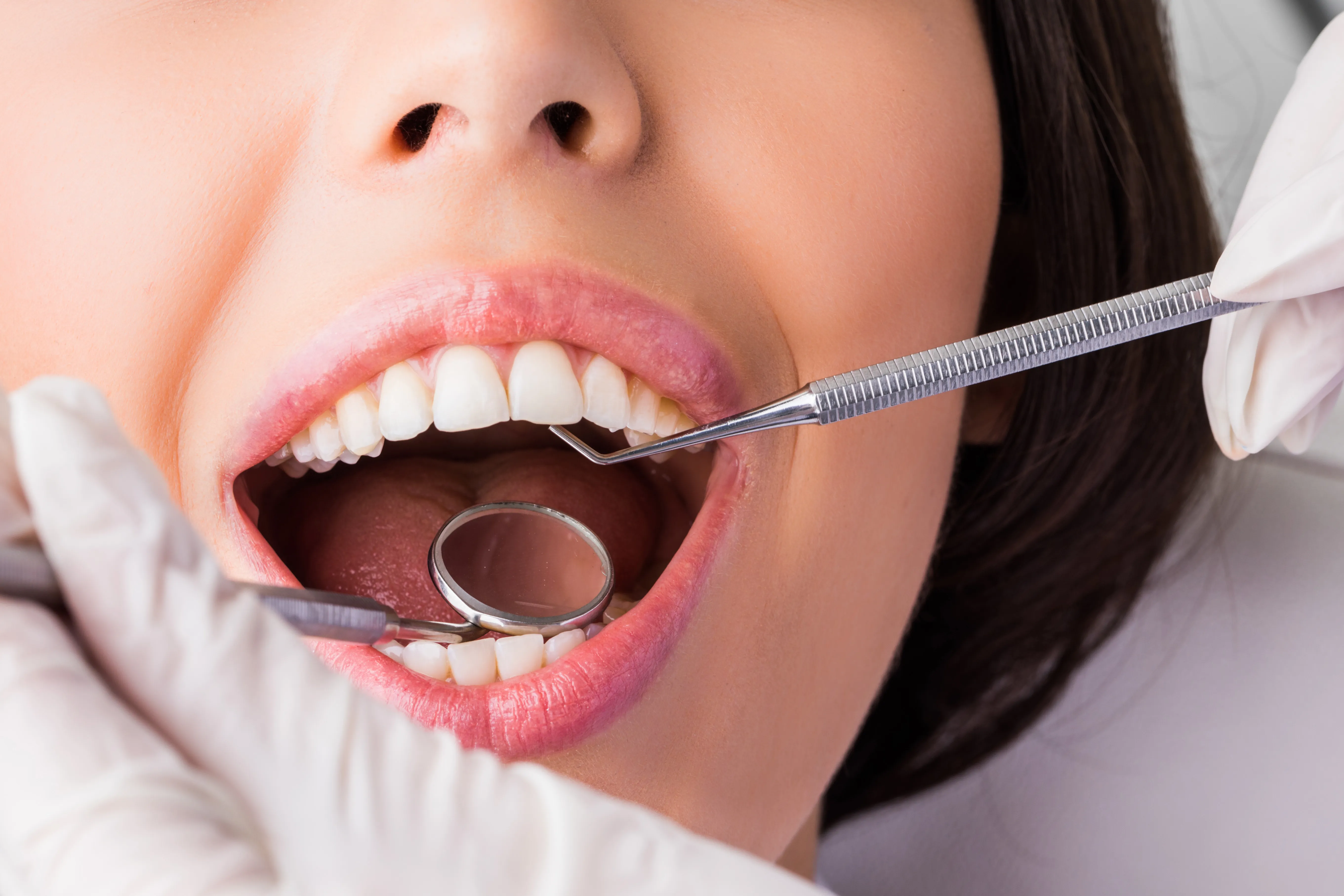
Tooth extraction is not just “pulling a tooth.” In Thailand, dentists first assess whether a tooth can be saved with a filling, root canal, or crown. If extraction is the best option—due to severe decay, cracked roots, impacted wisdom teeth, or orthodontic reasons—the dentist will advise the right method:
- Simple extraction: For teeth fully visible in the mouth. Done under local anaesthesia, usually quick and straightforward.
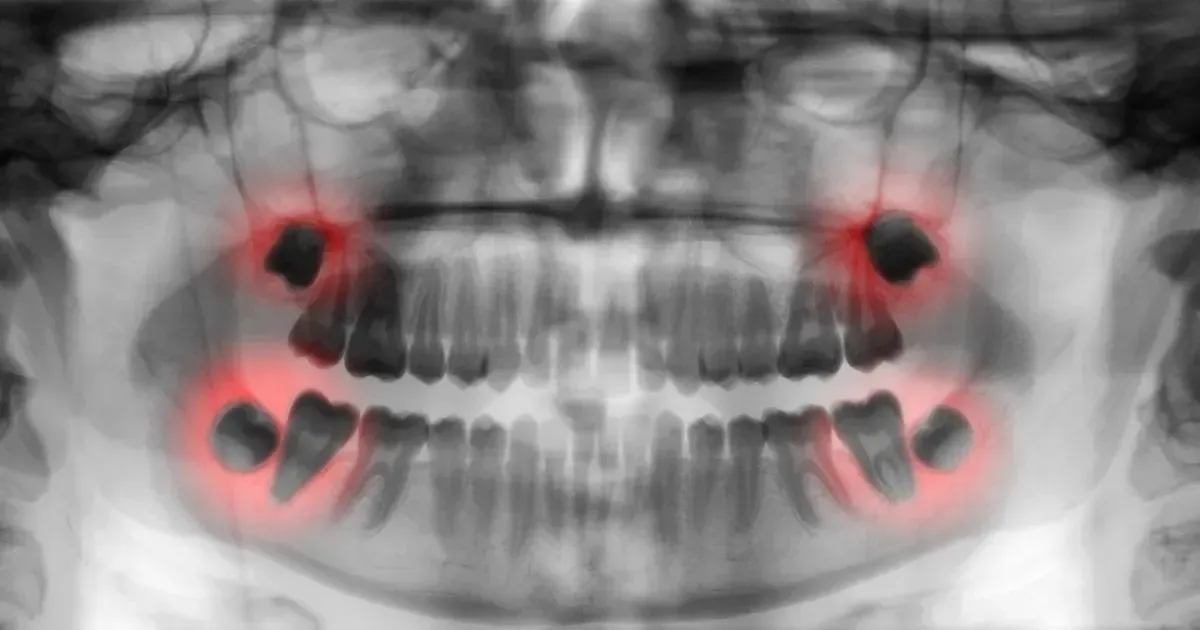
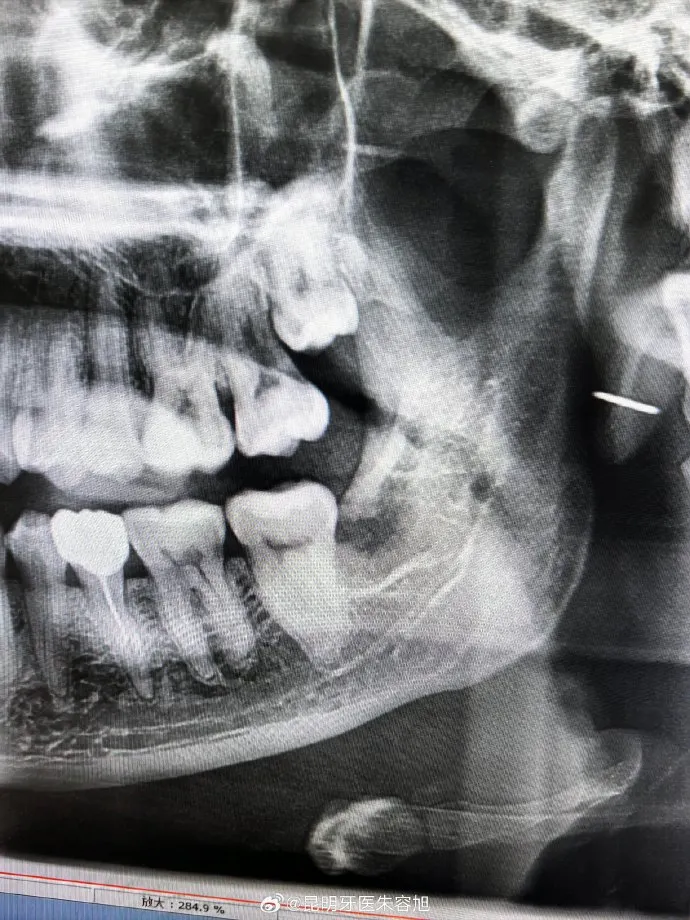
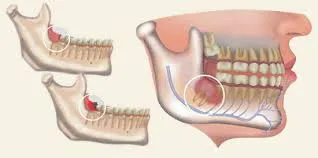
- Surgical extraction: For impacted or broken teeth. May involve small incisions, sectioning the tooth, and sutures. Often performed by an oral and maxillofacial surgeon.
Modern standards you can expect
Thailand’s top dental clinics combine international protocols with Thai hospitality. You can expect:
- Qualified providers: Dentists and oral surgeons are registered with the Dental Council of Thailand. Many have postgraduate training (DDS, M.Sc., or residency) and experience with international patients.
- Digital diagnostics: Intraoral scanners, digital X-rays, and CBCT 3D imaging help plan complex extractions and avoid nerve or sinus complications.
- Strict sterilisation: Instruments are autoclaved, surfaces are disinfected between patients, and single-use items (needles, suction tips, gauze) are disposed after each case. Clinics follow aseptic techniques and PPE usage that meet or exceed Thai HA and international standards.
- Gentle anaesthesia and sedation: Local anaesthesia is standard. Some clinics offer nitrous oxide or IV sedation with an anaesthetist for anxious patients or surgical cases.
- Evidence-based protocols: Pre-op screening, informed consent, and antibiotic stewardship are normal practice, with pain control tailored to your medical history.
Step-by-step: the Thai dental visit
- Booking: Many clinics near BTS/MRT (Sukhumvit, Silom, Thonglor) offer online booking, WhatsApp/LINE support, and bilingual staff.
- Consultation: The dentist reviews your medical history (allergies, medications), takes X-rays or CBCT if needed, and explains options, risks, and fees. You’ll get a clear treatment plan with itemised costs.
- Procedure day: Arrive a bit early, sign consent, and the team prepares you under aseptic conditions. For surgical cases, you may receive pre-procedural mouth rinse and protective drapes.
- During the extraction: You should feel pressure, not pain. The dentist removes the tooth, controls bleeding, and places sutures if required. For wisdom teeth, the surgeon carefully protects nearby nerves and sinus areas.
- Aftercare: You’ll receive written instructions, medications (pain relievers, sometimes antibiotics if indicated), and a follow-up appointment for suture removal and review.
Pain, swelling, and recovery timeline
Most patients are surprised how comfortable modern extractions can be.
- First 24 hours: Mild to moderate soreness and some swelling are normal. Bite on gauze to control bleeding for the first hour. Ice packs on-and-off help reduce swelling.
- Days 2–3: Swelling peaks then starts to settle. Stick to soft, cool foods—think Thai jok (rice porridge), khao tom (soft rice soup), yogurt, smoothies (no straw), and soft tofu. Avoid spicy, very hot, or crunchy food.
- Days 4–7: Gradual improvement. Rinse gently with warm salt water after meals. Brush carefully, av
oid the extraction socket.
- Day 7+: Most simple cases feel close to normal. Surgical removals (like impacted wisdom teeth) may take 1–2 weeks for full comfort.
Key reminders: no smoking, no straw for 3–5 days (to prevent dry socket), and avoid vigorous exercise the first 48 hours.
How safe is it?
Safety is a priority. Thai clinics use:
- Sterile instrument tracking and sealed pouches post-autoclave
- Surface disinfection between patients
- High-volume suction to minimize aerosols
- Digital imaging to avoid surprises
- Medical-grade documentation, including allergies and vital signs when sedation is used
If you have medical conditions (hypertension, diabetes, blood thinners), inform the dentist. They will coordinate timing with your physician if needed and may adjust medications.
Costs and value for money
Pricing depends on complexity, location, and the provider’s expertise:
- Simple extraction: typically from 1,000–3,000 THB per tooth
- Surgical extraction/wisdom tooth removal: typically from 5,000–12,000 THB per tooth, depending on impaction and sedation
Digital X-rays or CBCT, medications, and follow-up may be included or itemised—ask for a full breakdown before you agree. Many clinics accept major credit cards; some can assist with claim forms if you have international insurance, though dental benefits vary. Walk-in is possible at some clinics, but appointment is recommended to avoid waiting.
Choosing the right clinic in Thailand
- Check credentials: Look for dentists registered with the Dental Council of Thailand and, for complex cases, an oral and maxillofacial surgeon.
- Ask about imaging: Clinics that offer digital X-ray/CBCT can plan safer surgeries.
- Review sterilisation protocols: Don’t be shy to ask about autoclave cycles and single-use items.
- Pain management options: Clarify anaesthesia and sedation choices.
- After-hours support: Inquire about emergency contact, especially after surgical removals.
- Location and access: Near BTS/MRT is convenient, especially if you prefer to avoid heavy traffic after treatment.
- Language support: Many clinics in Bangkok, Phuket, Chiang Mai, and Pattaya have English-speaking staff.
For international travellers
Plan your schedule with healing time in mind.
- Flying after extraction: For simple extractions, waiting 24–48 hours is usually okay. For surgical wisdom tooth removal, allow 5–7 days before long flights to minimise swelling discomfort and ensure there are no complications.
- Food and lifestyle: Thailand’s soft dishes make recovery easier—jok, khao tom, soft boiled eggs, banana, and non-spicy soups. Skip sticky rice, hot pot, alcohol, and spicy som tam until the dentist says okay.
- Follow-up: Try to schedule a review before you leave Thailand, or arrange tele-consultation and share photos/X-rays if needed.
Common concerns
- Will it hurt? With modern local anaesthesia and gentle techniques, you’ll feel pressure but not sharp pain. Post-op pain is manageable with prescribed medication and cold compress.
- Dry socket risk? Low if you follow instructions—no smoking, no straw, gentle rinsing, and good oral hygiene.
- Nerve injury in wisdom tooth cases? CBCT planning and an experienced surgeon reduce the risk significantly; your dentist will discuss your specific anatomy.
The bottom line
Thailand’s tooth extraction services combine skilled clinicians, modern imaging, strict sterilisation, and friendly, patient-first care. Whether you need a straightforward removal or complex wisdom tooth surgery, you can expect clear communication, fair pricing, and a smooth recovery plan. If you’re in Bangkok or another major city, book a consultation, review the treatment plan, and move forward with confidence. Your smile—and your peace of mind—are in good hands.