Thailand Tooth Extraction Care for Visitors Comparing Overseas Dentistry
Thailand Tooth Extraction Care for Visitors Comparing Overseas Dentistry
Thailand Tooth Extraction Care for Visitors Comparing Overseas Dentistry
If your travel plans bring you to Thailand and a stubborn tooth decides to act up, don’t worry—Thai dentistry is well-equipped, fairly priced, and very visitor-friendly. From Bangkok to Phuket and Chiang Mai, many clinics handle extractions every day, including wisdom teeth, with English-speaking dentists and modern equipment. Here’s a clear, practical guide to tooth extraction care in Thailand, plus a comparison with overseas dentistry so you can make a smart decision.
Why Many Visitors Choose Thailand for Tooth Extraction
- Strong training and standards: Thai dentists are regulated by the Dental Council of Thailand and Ministry of Public Health. Many practitioners have international training and follow global sterilization protocols.
- Cost advantage: In Thailand, a simple tooth extraction often costs noticeably less than in the US, Australia, or Western Europe, while still using digital X-rays and proper anesthetics.
- Quick access: Getting an appointment is usually fast. Many clinics accept bookings via Line app or WhatsApp, and some allow walk-in with a queue number, especially in shopping areas.
- English communication: City clinics commonly offer English-speaking staff and clear explanations of treatment and aftercare.
What To Expect at a Thai Dental Clinic
- Booking and arrival: Message the clinic on Line or via their website to check available time. Popular areas include Sukhumvit and Silom in Bangkok, Nimman in Chiang Mai, and Patong in Phuket. Bring your passport and any previous dental records if you have them.
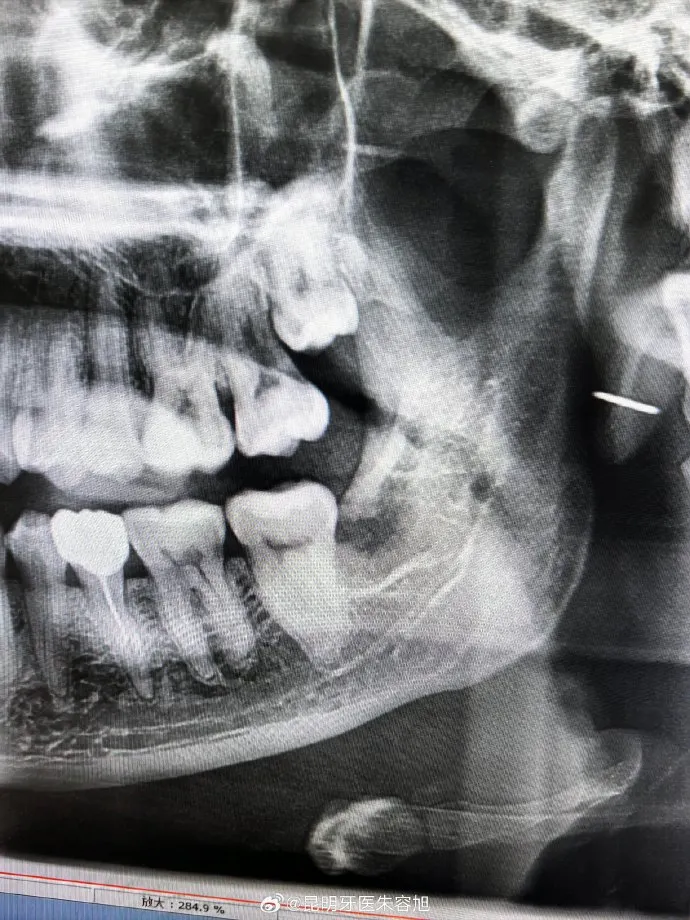
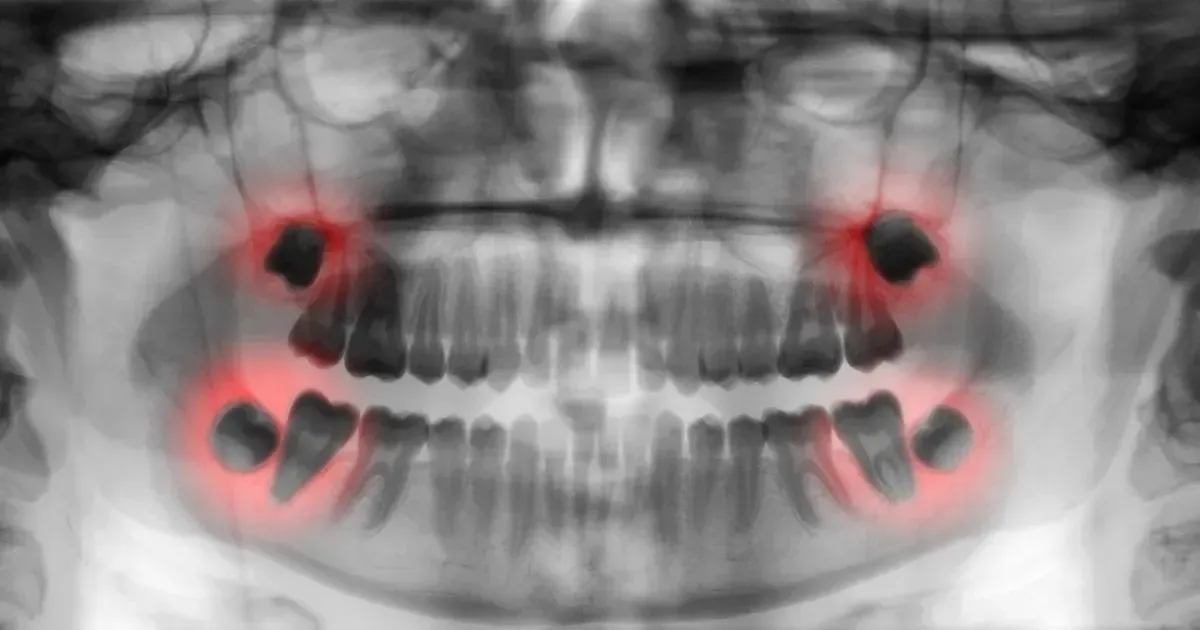
- Consultation and X-rays: The dentist will examine your tooth and usually take a periapical or panoramic X-ray to plan the extraction. You’ll receive a clear fee estimate before treatment.
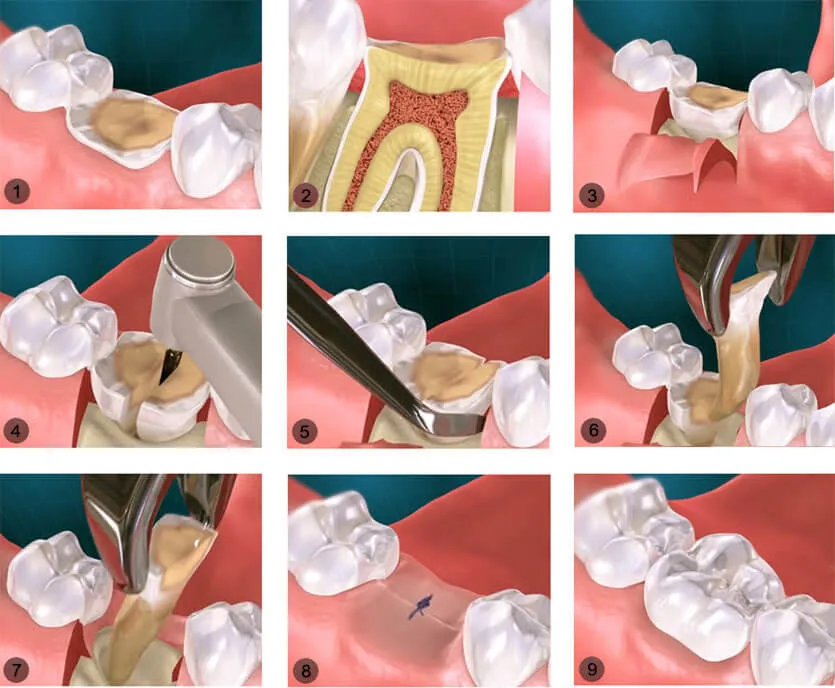
- Anesthesia and extraction: Local anesthetic is the norm. For anxious patients or complex surgical extractions, some clinics offer sedation under monitoring, but do ask in advance. The dentist will explain simple versus surgical extraction (like impacted wisdom teeth) and expected time.
- Sterilization: You’ll notice sealed instrument packs and single-use disposables. It’s fine to ask how tools are sterilized; Thai clinics are used to these questions.
Cost and Time Comparison With Overseas Dentistry
- Typical price ranges (subject to clinic and complexity):
- Simple extraction: roughly 1,000–3,500 THB.
- Surgical/impacted wisdom tooth: 5,000–12,000+ THB.
- 3D CBCT scans or sedation have additional fees.
- Compared with overseas:
- In the US, Australia, or Western Europe, fees can be several times higher, especially for surgical wisdom teeth. Insurance may offset costs at home, but for travelers without coverage, Thailand can be more affordable.
- Waiting time: In Thailand, you can often be seen within days, sometimes same-day. In some countries, non-urgent extractions have longer waits.
Post-Extraction Care in Thailand’s Climate
Thailand’s weather is hot and humid, so smart aftercare helps you heal comfortably.
- First 24 hours:
- Bite on gauze for 30–60 minutes to stop bleeding. Small oozing is normal. If bleeding restarts, bite on fresh gauze or a tea bag for another 30 minutes.
- Ice pack on your cheek for 10–15 minutes on/off to control swelling.
- Avoid hot food, spicy dishes like som tam, and alcohol. Choose lukewarm soups, soft rice, and smoothies without a straw.
- No smoking. It delays healing and increases dry socket risk.
- Rinsing:
- Don’t rinse vigorously on day one. From day two, gently rinse with warm salt water a few times daily. Alcohol-free mouthwash is okay, but saline is kinder to the socket.
- Food to enjoy and avoid:
- Good: soft noodles, congee, yogurt, ripe bananas, tofu.
- Avoid: sticky rice in the socket area, crunchy snacks, spicy curries, very hot soups, and anything that needs strong chewing.
- Pain management:
- Paracetamol and ibuprofen are widely available at 7‑Eleven, Boots, and Watsons. Follow your dentist’s instructions about dosing and combinations.
- Antibiotics:
- Not always needed. Thai dentists generally prescribe antibiotics only if there’s infection or a surgical indication. Complete the full course if given.
- Swelling timeline:
- Swelling often peaks on day two, then improves. Keep your head elevated when resting and stay well-hydrated.
Travel and Activity Tips After Extraction
- Flying:
- For a simple extraction, many patients are comfortable to fly after 24–48 hours. For surgical/impacted wisdom teeth, wait 3–5 days or as advised by your dentist. Cabin pressure and dryness can be uncomfortable too soon after surgery.
- Diving and water sports:
- Avoid scuba diving for at least 7 days after any extraction to protect the sinus area and blood clot. Snorkeling and swimming should also wait until your dentist says it’s okay.
- Muay Thai and gym:
- Skip sparring, heavy lifting, and running for 48–72 hours (longer for surgical cases). Increased blood pressure can trigger bleeding.
- Nightlife:
- Alcohol delays healing and can interact with painkillers or antibiotics. Give it a rest for a few days—safer and faster recovery.
Choosing a Reliable Clinic
- Look for:
- Licensed dentists listed with the Dental Council of Thailand.
- Clear treatment plans and itemized fees.
- Digital X-rays and visible sterilization standards.
- Positive, recent reviews from travelers.
- Convenient location near BTS/MRT in Bangkok or main roads (soi) in tourist areas.
- Ask in advance:
- Do you offer sedation for anxious patients?
- What is the estimated recovery time for my case?
- Who can I contact on Line after hours if I have concerns?
Payment, Insurance, and Documentation
- Payment methods:
- Most clinics take credit/debit cards and cash. Some require a small deposit for surgical slots.
- Insurance:
- If you have travel insurance with dental emergency cover, ask for a tax invoice (receipt with clinic details and your passport number) for claims. Many Thai clinics are used to issuing proper paperwork.
- Language support:
- Front desks in tourist zones usually speak English. If you prefer, ask for written aftercare instructions.
When To Seek Help
- Contact the clinic or a hospital dental department if you have:
- Heavy bleeding that doesn’t stop after pressure.
- Increasing swelling after day two, fever, or foul taste/pus.
- Severe pain on day three to five that feels worse (possible dry socket).
- Numbness that doesn’t improve after anesthesia wears off.
A Friendly Word Before You Go
Thailand’s “mai pen rai” attitude is great for travel, but don’t ignore dental symptoms. With sensible planning, you can get a safe, efficient tooth extraction here and recover comfortably while enjoying gentle, soft local foods. Book ahead via Line, follow the aftercare, keep spicy cravings on hold for a couple of days, and you’ll be back to your trip itinerary with a healthy smile and a lighter bill than in many countries overseas.