Thailand Tooth Extraction Treatment With Trusted Professional Care
Thailand Tooth Extraction Treatment With Trusted Professional Care
Thailand Tooth Extraction Treatment With Trusted Professional Care
If you’re in Thailand and need a tooth removed, you’ll find professional care that’s friendly, efficient, and fairly priced. From Bangkok’s big hospitals to boutique clinics in Chiang Mai, Phuket, and Pattaya, Thailand’s dentists are known for gentle techniques, modern equipment, and clear explanations. Whether it’s a painful wisdom tooth, a badly decayed molar, or a troublesome root, tooth extraction in Thailand is straightforward and handled with the calm confidence that patients appreciate.
Why tooth extraction may be the right choice
A dentist will always try to save a tooth first, but there are times when removal is the safest option. Common reasons include:
- Severe decay or fracture that cannot be restored
- Advanced gum disease causing instability
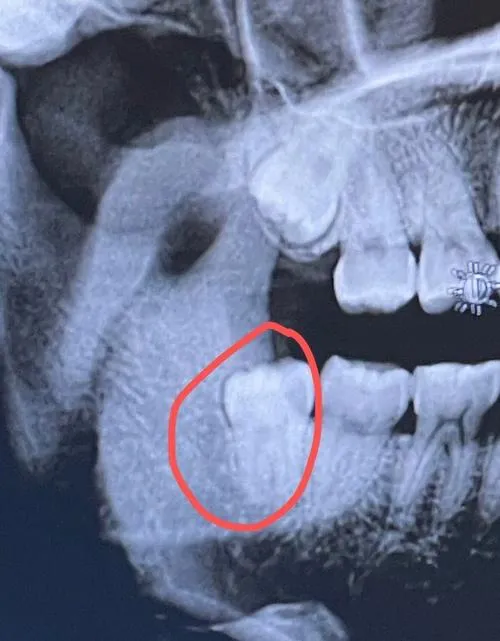
- Impacted or infected wisdom teeth
- Orthodontic needs, where space is required for alignment
- Chronic pain or recurring infection that affects your daily life
What to expect during your appointment
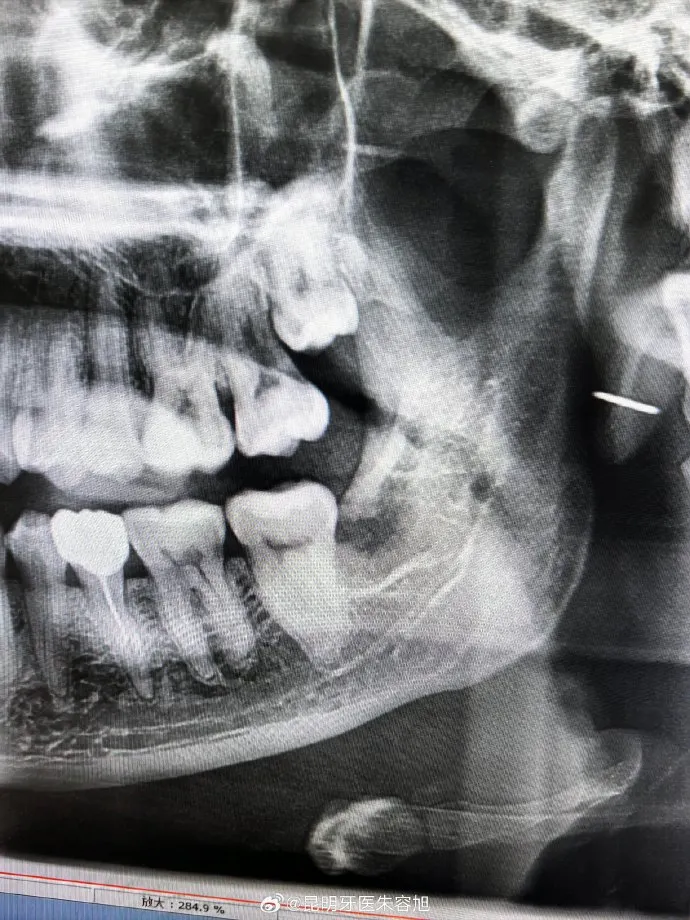
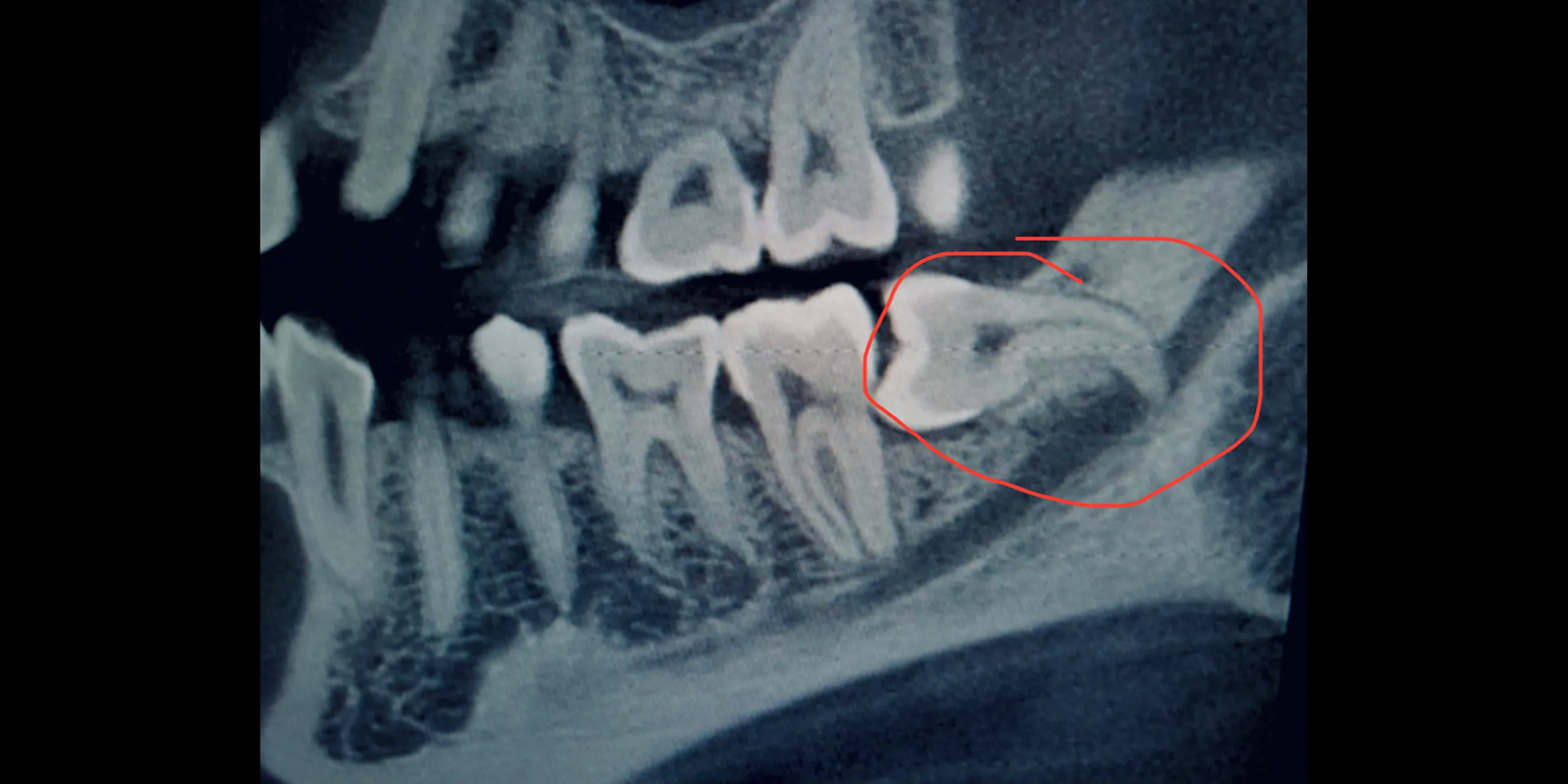
Most clinics offer same-day or next-day consultations, and many let you book via phone, email, or Line. The visit usually starts with an oral exam and an X-ray to check the roots, bone level, and nearby nerves. Your dentist will discuss the plan, the type of extraction needed, and the expected recovery time. You’ll get a transparent quote in Thai baht before any treatment begins, so no surprises.
Types of tooth extraction in Thailand
- Simple extraction: For visible teeth with straightforward roots. The dentist numbs the area, gently loosens the tooth, and removes it smoothly.
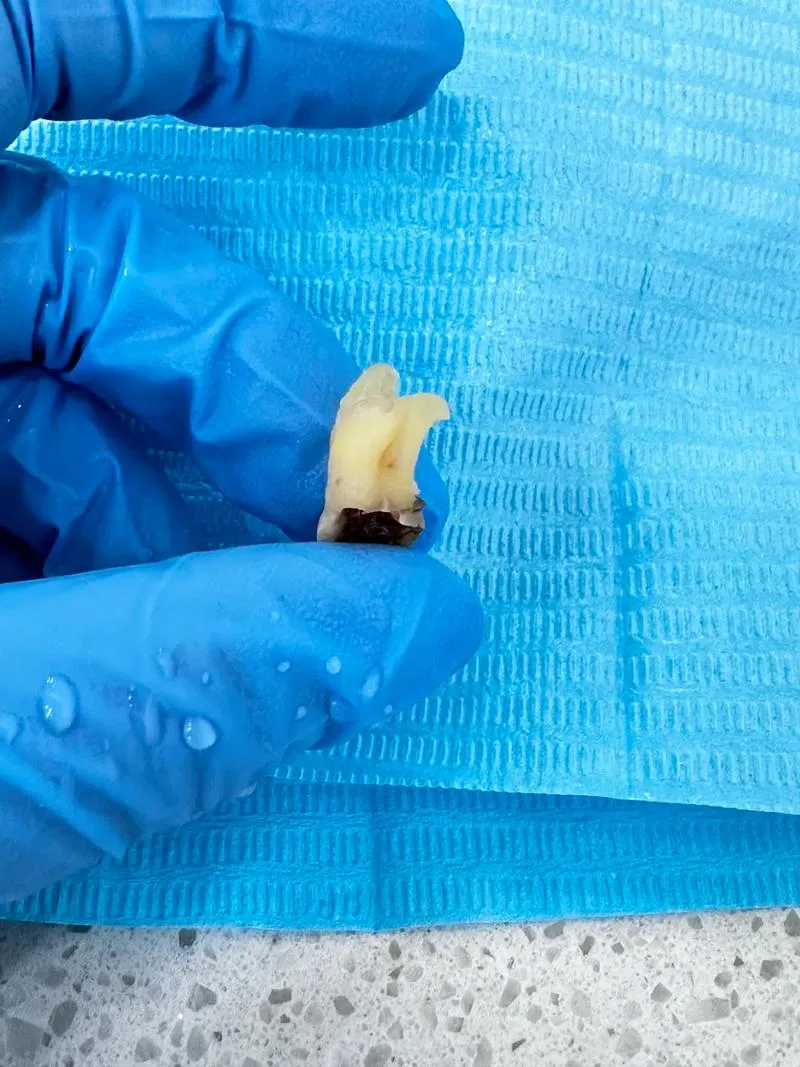
- Surgical extraction: For impacted teeth (often wisdom teeth) or teeth broken below the gum line. This may involve a small incision and sectioning the tooth for easier removal. It’s done under local anesthesia, with sedation options available in selected clinics or hospitals.
Comfort and anesthesia options
Thai dentists prioritize comfort. Local anesthesia is standard, and the injection technique is gentle. For anxious patients or more complex cases, some hospitals offer nitrous oxide or IV sedation under an anesthesiologist’s supervision. Your dentist will check your medical history and explain the safest option. If you’re sensitive to pain or you’ve had difficult experiences before, just say so—no problem, they’ll adjust the plan to keep you comfortable.
Safety, standards, and qualifications
Dentists are licensed by the Dental Council of Thailand and many have international training or specialist certifications. Reputable clinics follow strict sterilization protocols, use digital X-rays, and adhere to evidence-based guidelines. If you prefer a hospital setting, look for JCI-accredited hospitals in Bangkok; they offer comprehensive dental suites with advanced imaging, onsite labs, and multilingual staff.
Costs you can expect
Prices vary by city and case complexity, but Thailand remains very affordable compared with many countries:
- Simple extraction: roughly 1,500–3,500 baht per tooth
- Surgical or wisdom tooth removal: typically 4,000–12,000 baht per tooth, depending on difficulty
These figures are estimates; your dentist will provide a specific quote after examination. Payment by cash or card is usually available, and clinics can issue detailed receipts for insuran
ce claims. Some expat plans cover dental extractions, so it’s worth checking your policy.
Recovery and aftercare you can actually follow
Good aftercare starts the moment you leave the chair. You’ll receive verbal instructions and a printed sheet, often in English and Thai, with medication guidance.
- Bite gently on the gauze for 30–60 minutes to help a blood clot form.
- Avoid rinsing vigorously, spitting, or using straws for 24 hours.
- Stick to soft, cool foods: yogurt, smoothies (without a straw), mashed potatoes, or Thai rice porridge (jok). Avoid spicy, hot, and crunchy foods for a few days.
- Take prescribed pain medication and antibiotics as directed.
- Keep brushing gently, but leave the socket area alone at first. From the second day, rinse lightly with warm salt water.
- No smoking for at least 72 hours; it increases the risk of dry socket.
Expect mild swelling and tenderness for 2–3 days. For wisdom teeth, swelling may peak at day two, then settle. If you have unusual pain, bleeding that won’t stop, or fever, contact the clinic straight away—most clinics provide a 24-hour contact number or Line support.
How to choose a trustworthy clinic
- Check credentials: Look for dentists listed under the Dental Council of Thailand, and ask about specialist training for oral surgery.
- Read reviews: Google Maps and local expat forums can help you gauge patient experience.
- Ask about equipment: Digital X-rays, sterile packs, and proper suction systems are good signs.
- Consider location: Clinics near BTS or MRT in Bangkok can save time. In tourist areas, check opening hours and weekend availability.
- Language support: Many clinics have English-speaking staff. If needed, request a translator or bring a Thai-speaking friend.
Timing your treatment in Thailand
If you’re traveling, plan the extraction when you can rest for at least 24–48 hours afterwards. Avoid scuba diving or intense gym sessions for a week, and don’t schedule the procedure right before a long bus or flight. During rainy season, allow buffer time in case of heavy showers affecting transport.
Why Thailand for tooth extraction
- Experienced dentists who treat both local and international patients
- Clear pricing and treatment plans
- Modern technology and strict hygiene
- Friendly, calm care with that famous Thai hospitality
- Easy booking and fast turnaround, without long queues
Frequently asked questions
- Will it hurt? With local anesthesia, you should feel pressure but not pain. Post-op discomfort is common, and pain medication will be provided.
- How long is the appointment? Simple extractions often take 20–30 minutes; surgical cases may take longer, plus some prep time.
- Can I work the next day? Many people do, especially after simple extractions. For wisdom teeth, plan a lighter schedule for 2–3 days.
- What about dry socket? Follow aftercare closely, avoid smoking and straws, and attend your follow-up if advised.
Your next step
If you suspect you need an extraction, book a consultation. Bring a list of medications, any allergy information, and previous dental X-rays if you have them. With trusted professional care and straightforward communication, tooth extraction in Thailand is safe, efficient, and surprisingly stress-free—so you can get back to enjoying daily life, minus the toothache.