Thailand Tooth Extraction Care for Visitors Combining Travel and Dentistry
Thailand Tooth Extraction Care for Visitors Combining Travel and Dentistry
Thailand Tooth Extraction Care for Visitors Combining Travel and Dentistry
Thinking about sorting out a troublesome tooth while enjoying Thailand? Many visitors do exactly that. The country’s dental clinics are known for clean facilities, modern equipment, friendly service, and prices that feel reasonable in baht. With good planning, you can combine travel and dentistry without losing the “sanuk” (fun) of your trip. Here’s a practical, down-to-earth guide to Thailand tooth extraction care for visitors.
Before You Book: Plan Around Your Trip
- Timing matters. If you need a simple extraction, block at least two to three easy days after the procedure for rest. For surgical extractions (like impacted wisdom teeth), set aside three to five days. Avoid scheduling just before island-hopping, diving, or long bus and train rides. If you plan to fly, allow at least 24–48 hours post-extraction; for upper molars close to the sinus, give extra cushion.
- Choose the right clinic. Look for dentists registered with the Thai Dental Council, clinics with digital X‑rays, clear treatment plans, and English-speaking staff. Locations near BTS/MRT in Bangkok or central areas in Chiang Mai and Phuket make follow-ups easier. Read recent reviews and check if sterilization protocols are explained.
- Communicate your history. Inform the clinic about allergies, medical conditions, and any medicines (especially blood thinners). Most extractions use local anaesthetic and you don’t need to fast. For IV sedation, the clinic may ask you to stop food and drink for six to eight hours, and you should arrange a Grab car or taxi back to your hotel—no motorbike taxi if you feel drowsy.
- Insurance and payment. Confirm accepted payment methods (some clinics add a small fee for cards) and keep itemized receipts for your travel insurance claim. If you’re on a tight schedule, ask in advance about availability on weekends and public holidays; many clinics in tourist areas are open daily.
On the Day: What to Expect
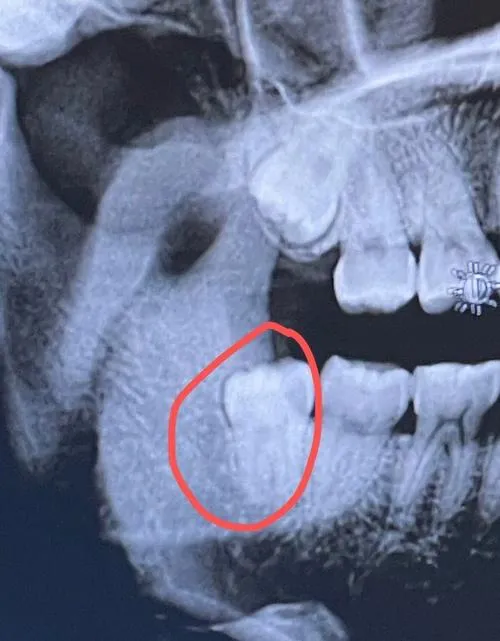
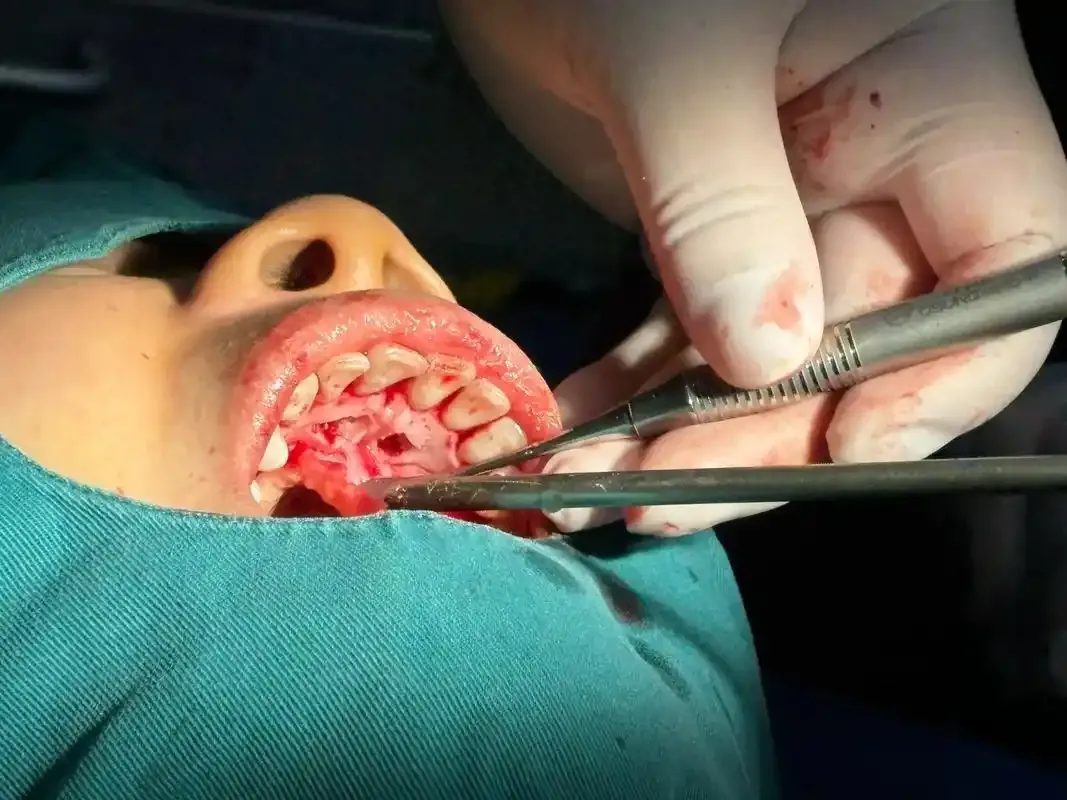
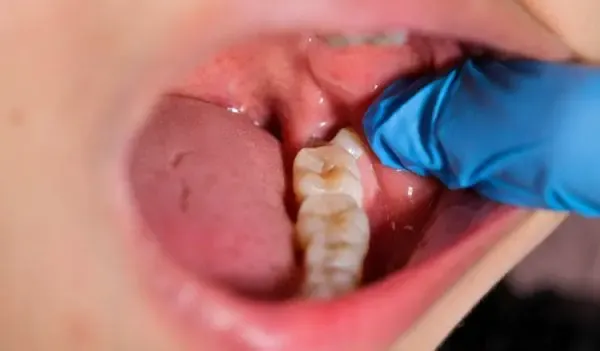
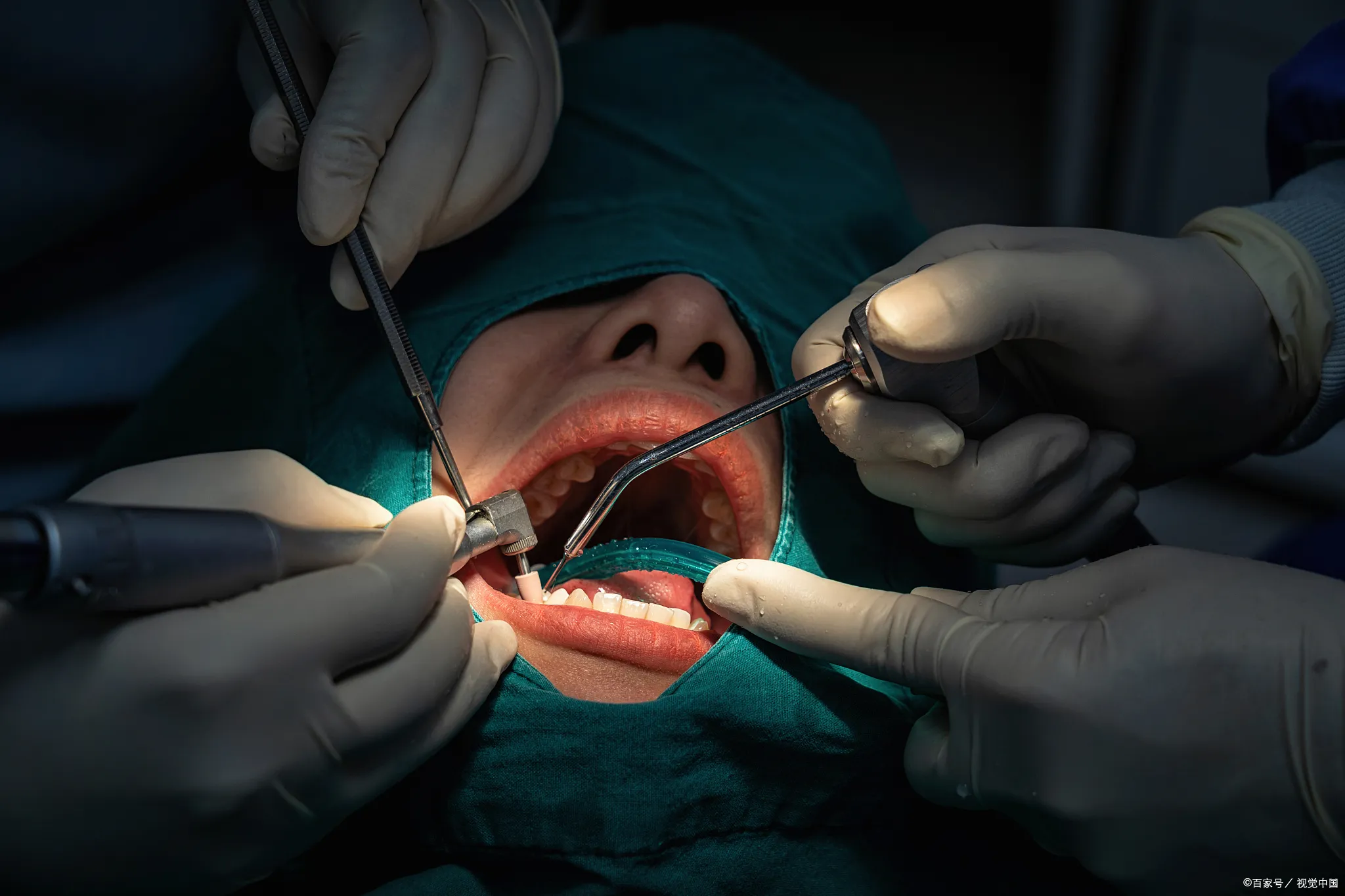
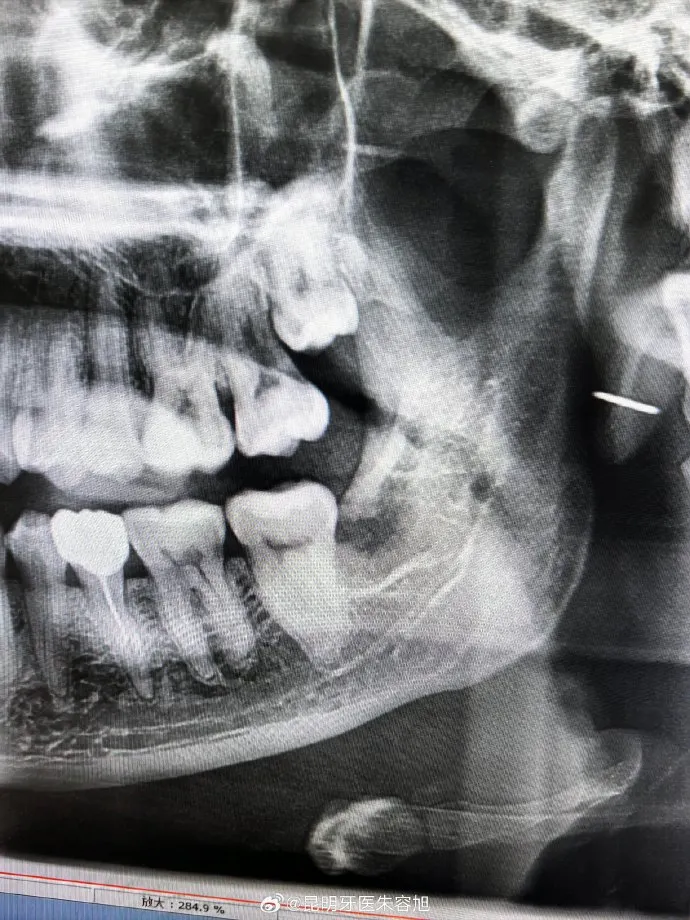
- Assessment and X‑ray. The dentist will check the tooth, take an X‑ray, and explain options. For complicated cases, you may need a surgical extraction. Don’t be shy to ask about cost, recovery time, and medication.
- Local anaesthetic. Your mouth will be numb; you’ll feel pressure but no sharp pain. After removal, the dentist places gauze and gives post-op instructions. Take your time standing up—mai pen rai, no rush.
- Getting home. Bring a small pack of tissue and an extra mask. Using Grab is convenient, and many clinics can call a taxi for you. Avoid hot drinks until the numbness wears off.
First 24 Hours: Protect the Blood Clot
- Bite on the gauze for 30–60 minutes to control bleeding. If it continues, replace with fresh gauze and bite firmly. A few drops of blood mixed with saliva looks like more than it is; steady pressure usually helps.
- No spitting, no straw, and no smoking for at least 48–72 hours. These actions can dislodge the blood clot and lead to dry socket.
- Ice the area from outside your cheek (10 minutes on, 10 minutes off) for the first few hours to reduce swelling.
- Pain control. Paracetamol is widely available in Thailand and is gentle on the stomach. If your dentist says it’s okay, ibuprofen can help with inflammation. Avoid aspirin, which can increase bleeding. Always follow the dentis
t’s advice on antibiotics, if prescribed.
- Food and drink. Choose a soft, lukewarm diet—think Thai-style rice porridge (jok), plain congee, khao tom (rice soup), yogurt, bananas, tofu, steamed eggs. Skip spicy, sour, very hot, or crunchy foods. Save the som tam, tom yum, and sticky rice for later. Drink plenty of water, but avoid alcohol for at least 24–48 hours.
After 24 Hours: Gentle Rinsing and Hygiene
- Start warm saltwater rinses two to three times a day (half a teaspoon of salt in a cup of warm water). Swish gently; no forceful rinsing.
- Brush teeth as usual but carefully avoid the socket. If the dentist provides chlorhexidine mouthwash, use it as instructed.
- Keep your head slightly elevated when sleeping the first couple nights to reduce swelling.
- Watch the calendar. Most swelling peaks around day 2–3 and then improves. Mild bruising can be normal. Pain should gradually reduce day by day.
Travel-Smart Recovery in Thailand
- Activities. Light walks at the mall or along a quiet soi are fine. Avoid swimming pools, sea swims, saunas, and heavy workouts for 3–5 days to keep bacteria and pressure away from the wound. Save Muay Thai classes and mountain treks for after you heal.
- Flights and islands. Short flights are usually okay after a day or two, but if your extraction involved upper molars near the sinus, ask your dentist about extra time before flying or diving. Avoid scuba diving until your dentist clears you.
- Stock up easily. You can find gauze, saline, and paracetamol at 7‑Eleven, Boots, and Watsons. If you prefer delivery, Grab, LINE MAN, or Foodpanda can bring soft meals to your hotel.
- Sun and spice. Thailand is hot. Stay hydrated and avoid alcohol and very spicy food until your mouth feels normal again.
When to Call the Clinic
- Persistent heavy bleeding not controlled by firm pressure after a few hours
- Severe pain that gets worse after day 2–3 (possible dry socket)
- Fever, foul taste, or increasing swelling after day 3–4
- Numbness that doesn’t improve as the anaesthetic wears off
- Any concern with stitches coming loose or foreign-body sensation
Most clinics will arrange a quick review. Keep their LINE contact or phone number handy. If you need urgent care late at night, major private hospitals in Bangkok, Phuket, and Chiang Mai have emergency departments and can coordinate dental follow-up.
Helpful Local Tips
- Language and courtesy. Many dentists speak good English. Staff may address you as “Khun” plus your name (a polite form). A little smile and patience go a long way.
- Transport. BTS/MRT are convenient, but after an extraction you may prefer a door-to-door Grab. Traffic can be heavy around Sukhumvit and Silom, so plan buffer time for follow-ups.
- Costs and transparency. It’s fine to ask for a written treatment plan with estimated fees in baht. If you need more than one tooth removed or a surgical approach, confirm the difference in cost and healing time.
Balancing Travel and Dentistry
Dental tourism in Thailand can be smooth if you plan for rest days and follow simple aftercare. Choose a reputable clinic, schedule smartly around your itinerary, eat gentle Thai comfort foods like jok and khao tom, and take it easy for a few days. With a “mai pen rai” mindset and practical care, you can look after your smile and still enjoy the Land of Smiles.