Thailand Tooth Extraction Care for Visitors Seeking Safe Tooth Removal
Thailand Tooth Extraction Care for Visitors Seeking Safe Tooth Removal
Thailand Tooth Extraction Care for Visitors Seeking Safe Tooth Removal
If you’re visiting Thailand and need a tooth removed—whether it’s a painful molar or an impacted wisdom tooth—you’ll find safe, modern care with friendly service and fair pricing. From Bangkok to Chiang Mai and Phuket, many clinics cater to international patients, follow strict sterilization protocols, and explain every step clearly. With a little planning, you can have a smooth extraction and still enjoy your trip.
Why Thailand is a trusted place for tooth extraction
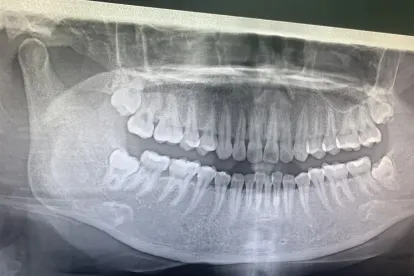
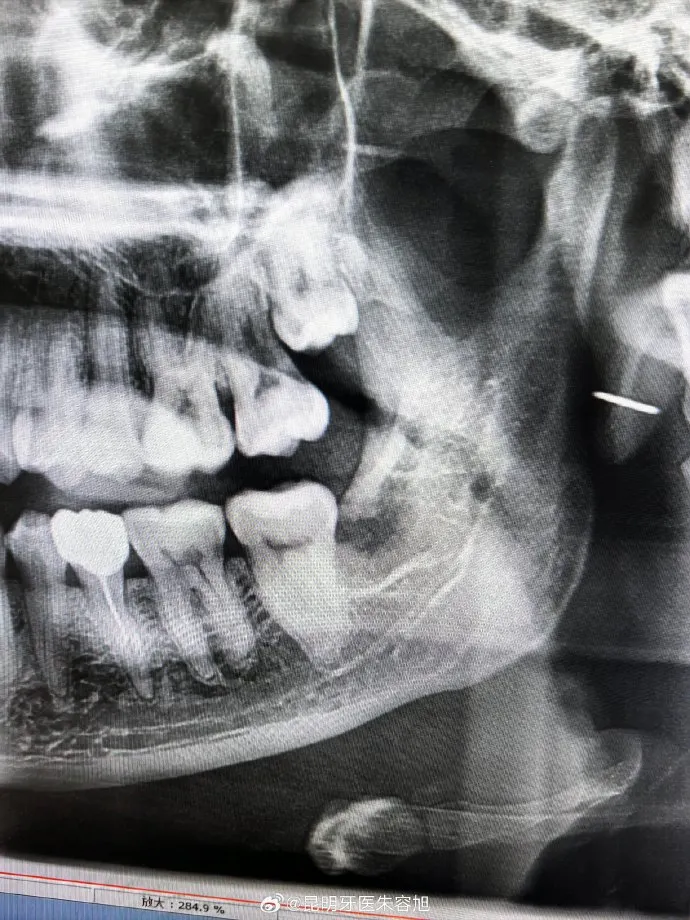
- Skilled dentists and specialists: Thai dentists often train locally and overseas. Urban clinics use panoramic X-rays and, when needed, CBCT scans for complex wisdom teeth.
- International standards: Reputable centers—like Bumrungrad, Bangkok Hospital, and Samitivej—maintain hospital-grade infection control. Many private clinics do the same and are transparent about their hygiene.
- English-speaking staff: Receptionists and dentists commonly speak English. You’ll often hear, “Please take a seat,” or “No worries, doctor will take care for you.”
- Reasonable costs: Fees are competitive while keeping safety as top priority.
Plan your timing before you book
- Give yourself buffer days: Avoid extractions right before island-hopping, diving, trekking, or long bus rides. Ideally, don’t fly for 48–72 hours after removal, especially if it’s a surgical wisdom tooth.
- Share your medical history: Bring a list of medications and allergies. If you’re on blood thinners or have heart conditions, inform the clinic in advance.
- Ask for an estimate: Simple extractions are typically around THB 1,000–3,000; surgical or impacted wisdom teeth can range THB 5,000–12,000 depending on complexity. X-rays, prescriptions, and follow-ups are usually billed separately.
- Book smart: Many clinics accept bookings via Line, WhatsApp, or email and stay open evenings and weekends. Walk-in is possible, but appointments are recommended in big cities.
What to expect at the clinic
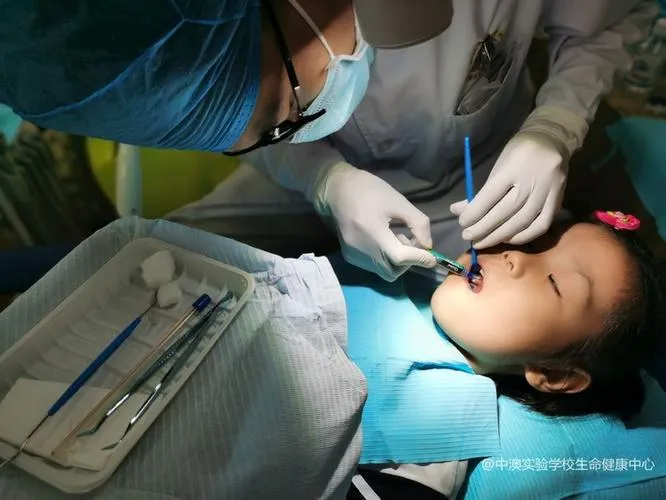
- Reception and consultation: You’ll register (passport details may be requested), then have an exam and X-ray. The dentist explains options and risks and asks you to sign a consent form. Don’t hesitate to ask questions—Thai clinics are generally patient and polite.
- Anesthesia: Local anesthesia is standard and works fast. You may hear, “Kindly open wide,” and “Just a small pinch.” For anxious patients, some hospitals offer IV sedation by appointment.
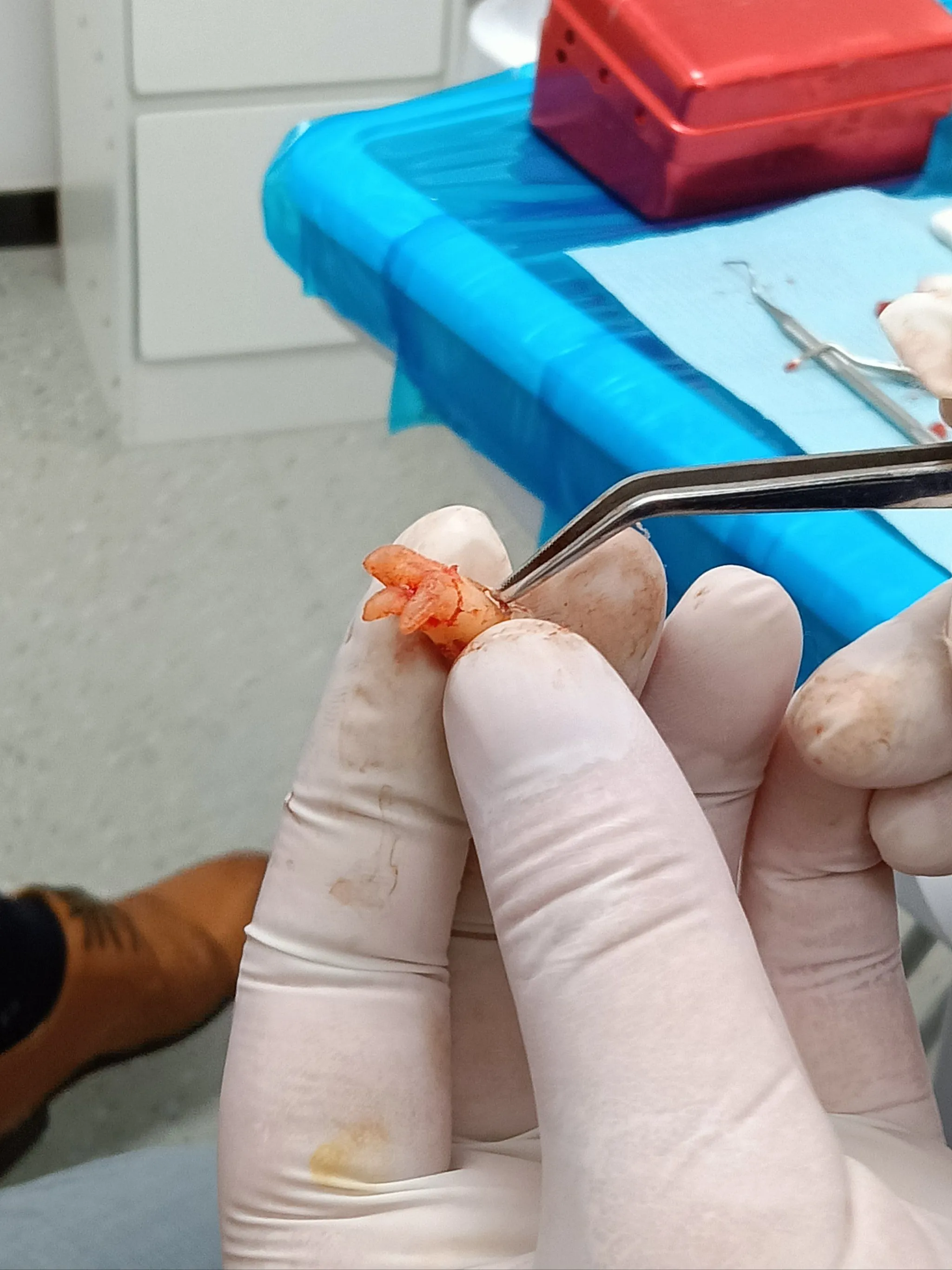
- The procedure: Most simple extractions finish in 15–30 minutes. Surgical removals can take longer and may involve stitches. Everything is done with sterile instruments and drapes.
Safety and sterilization you can expect
- Single-use disposables (needles, suction tips) and sterilized instruments (autoclaved and sealed) are standard.
- Staff use gloves, masks, eye protection; surfaces are disinfected between patients.
- You can ask to see the sterilization log or instrument pouches—good clinics are happy to show. No worries, it’s considered normal to ask.
Pain control and medication
- First choice pain relief: Paracetamol (acetaminophen) and/or ibuprofen, taken as directed. Avoid aspirin because it can increase bleeding.
- Antibiotics: Prescribed only when needed (e.g., infection, difficult surgery). Take the full course if given.
-
Swelling: Peak swelling is usually at 48–72 hours after surgical extractions. Cold compress helps on day one.
Aftercare: simple dos and don’ts that work in Thailand’s climate
- Do bite firmly on the gauze for 30–60 minutes to stop bleeding. If oozing continues, change gauze and bite again.
- Do apply a cold pack 20 minutes on, 20 minutes off for the first day. A bag of ice from 7‑Eleven wrapped in a towel works fine.
- Do rest and keep your head slightly elevated. Take it easy; no heavy lifting or Muay Thai training for a couple of days.
- Do start gentle warm salt‑water rinses after 24 hours (not earlier): 4–5 times daily for a week.
- Do brush your teeth gently, avoiding the socket area on day one.
- Don’t spit forcefully, rinse vigorously, or drink through a straw for 24 hours; this can dislodge the blood clot and cause dry socket.
- Don’t smoke or vape for at least 72 hours; it delays healing.
- Don’t drink alcohol for 48 hours; it increases bleeding and interferes with medication.
- Don’t eat very hot, crunchy, or spicy foods for a few days—Thailand’s chilies are “pet mak” (very spicy) and can irritate the wound.
What to eat and drink after extraction in Thailand
- Gentle choices: Jok (Thai rice congee), khao tom (soft rice soup, let it cool), soft tofu, yogurt, ripe banana, mashed potato, scrambled egg, plain steamed fish.
- Hydration: Cool or room-temperature water, coconut water sipped from a cup (no straw), and herbal teas.
- Foods to avoid briefly: Sticky rice, crispy pork, papaya salad (som tam) with chili, hot soups, and anything with seeds that can lodge in the socket.
- Pro tip: Pharmacies like Boots and Watsons, plus 7‑Eleven, stock saline, gauze, and over-the-counter pain relief.
Follow‑up and stitches
- Stitches, if placed, are usually removed after 5–7 days; some are dissolvable. Ask the clinic, and set a quick follow‑up by Line or WhatsApp before you leave town.
- If you plan to move cities, ask for a written note and X-ray copy to show the next dentist.
Payments and insurance
- Most clinics take cash, credit cards, and PromptPay. Ask for an itemized receipt for travel insurance claims.
- Check your policy for outpatient dental coverage in Thailand and any need for pre‑authorization.
When to seek help urgently
- Bleeding that doesn’t slow after 3–4 hours of gauze pressure.
- Fever over 38°C, worsening swelling, or foul taste/discharge.
- Pain that gets worse on day 3–5 (possible dry socket).
- Numbness that persists beyond 24 hours after a lower wisdom tooth removal.
If anything feels off, contact the clinic. After hours, major hospitals in Bangkok, Chiang Mai, and Phuket can handle dental emergencies.
Useful local touches
- Common phrases you may hear: “Please take a seat,” “Kindly bite on gauze,” “No worries, we take care for you.”
- Keep the clinic’s Line ID saved for quick questions and photos of the area if needed.
- Carry your passport and hotel address; taxis and Grab drivers appreciate a Thai address in writing.
Final tip for a smooth trip
Choose a reputable clinic, give yourself recovery time, follow the aftercare, and keep meals mild for a few days. With Thailand’s high dental standards and signature warm service, safe tooth removal here is very achievable—and you’ll still have time to enjoy that Thai smile on your holiday.