Thailand Tooth Extraction Care for Overseas Patients With Dental Emergencies
Thailand Tooth Extraction Care for Overseas Patients With Dental Emergencies
Thailand Tooth Extraction Care for Overseas Patients With Dental Emergencies
If a toothache hits while you’re in Thailand, don’t worry too much. The country is well known for skilled dentists, modern clinics, and quick access to care—even if you’re here on holiday or a business trip. Whether you’re in Bangkok, Phuket, Chiang Mai, or Pattaya, getting a tooth extraction in an emergency is straightforward, affordable, and safe.
Why Thailand is a good choice for emergency tooth extraction
- Reliable standards: Thai dentists are trained to international standards, and many speak English. Clinics follow strict sterilization protocols and use digital X‑rays, autoclaves, and single‑use disposables.
- Easy access: Many urban clinics open late, some on Sundays and public holidays, and hospitals have emergency dental departments. Walk‑in is often welcome, or you can book via phone, email, or Line app.
- Value for money: Costs are transparent and generally lower than in Western countries, with receipts provided for insurance claims.
How to get help fast
- Search “emergency dentist near me” on Google Maps and check live reviews. In Bangkok, look near BTS/MRT stations for easy access. Grab is a convenient ride option.
- Call ahead if you can. Say you are an overseas patient with a dental emergency and ask for the earliest queue. Many clinics will try to fit you in the same day.
- Bring your passport, hotel address, list of medications and allergies, and any previous dental X‑rays if you have them.
- Payment is easy: cash (THB), major credit cards, and often QR PromptPay. Ask for a tax invoice if you’ll claim insurance later.
Likely costs (approximate, in THB)
- Consultation and exam: often complimentary if you proceed with treatment
- X‑rays: 500–1,500
- Simple tooth extraction: 1,000–3,000
- Surgical/wisdom tooth extraction: 3,000–8,000+
- After‑hours emergency fee (if applicable): 500–1,500
Prices vary by city, clinic, and complexity, but you’ll be given a clear quote before treatment. No surprise add‑ons—same same as back home.
What to expect during the visit
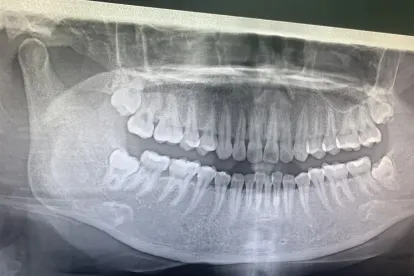
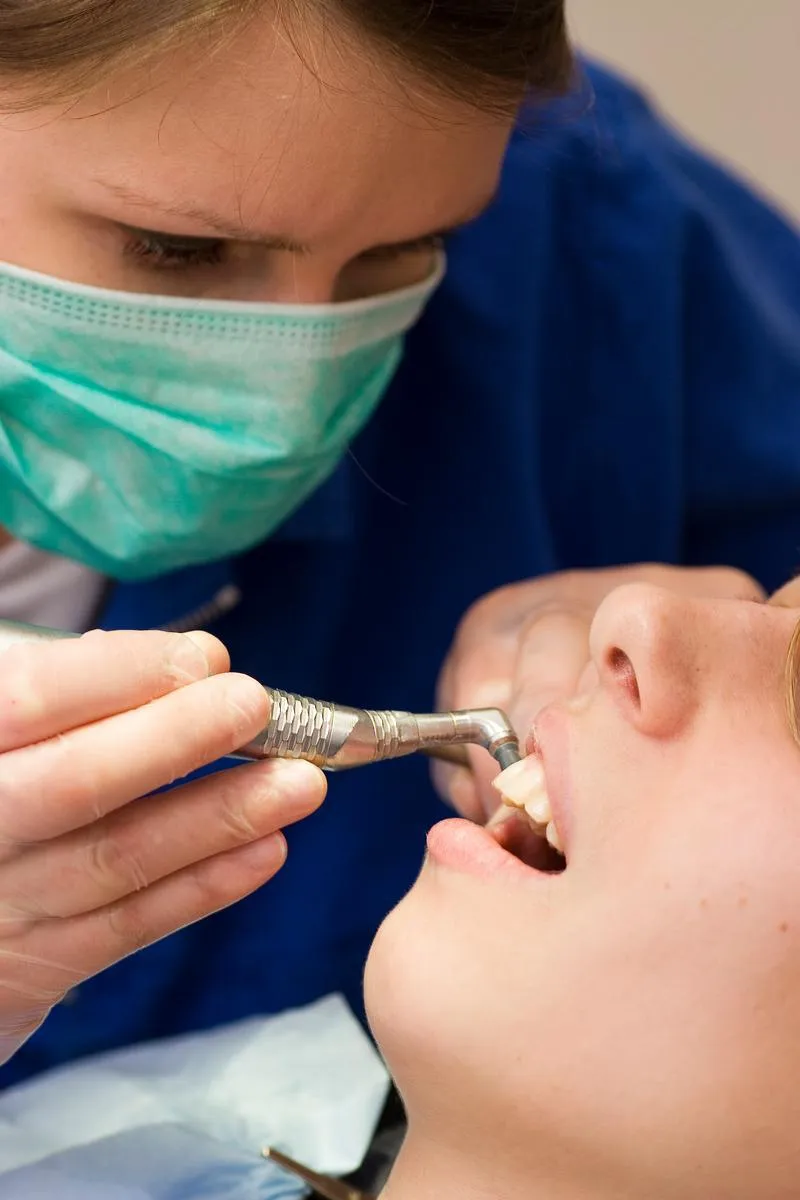
- Quick assessment: The dentist will ask about your pain, check the tooth, and take an X‑ray to decide if the tooth can be saved or needs removal.
- Pain control: Local anaesthetic is standard and very effective. For anxious patients, some clinics offer sedation; ask in advance as you might need to come with a companion.
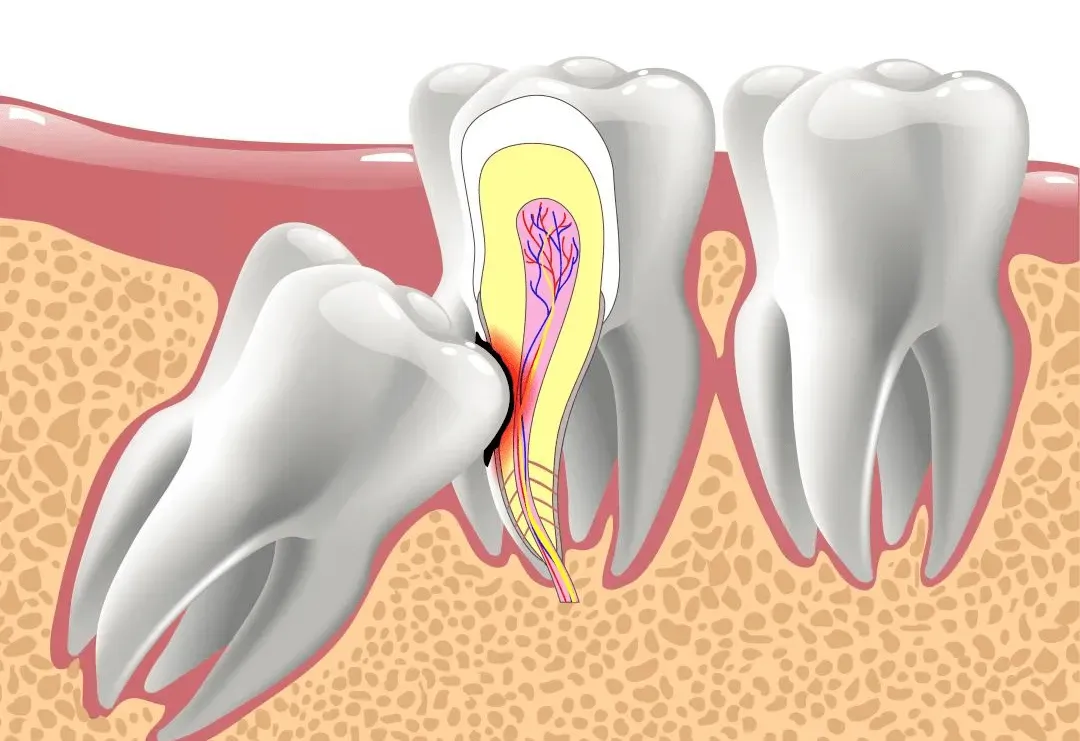
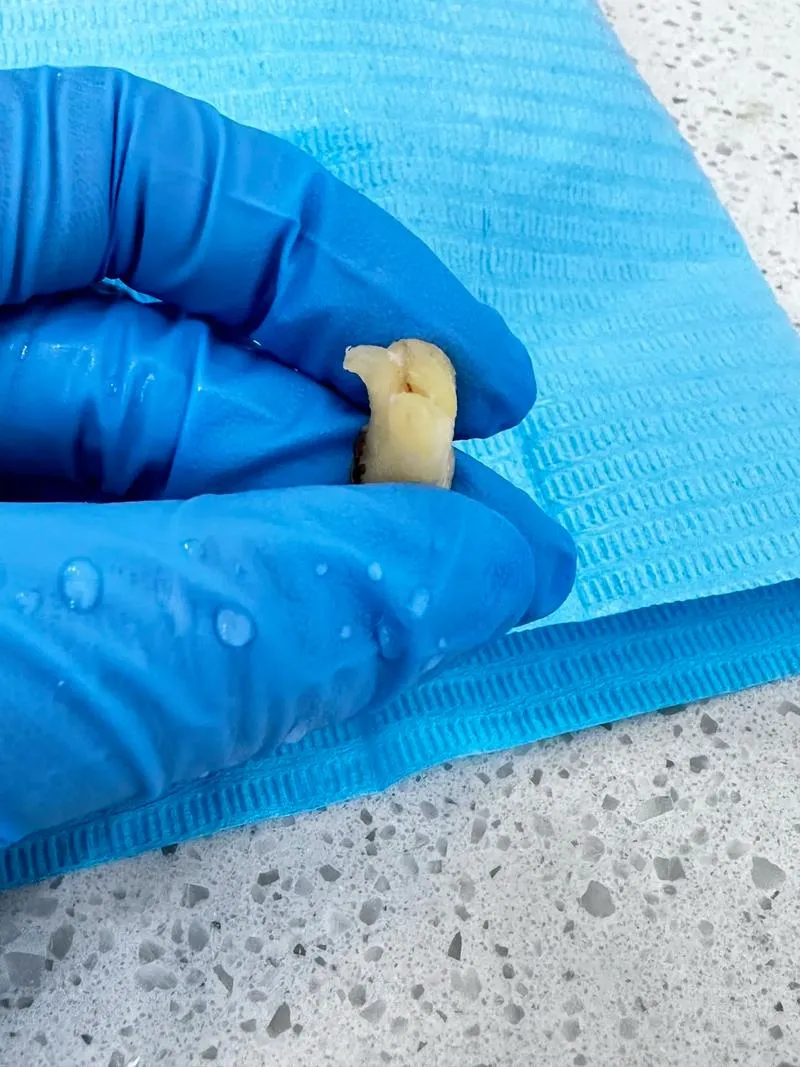
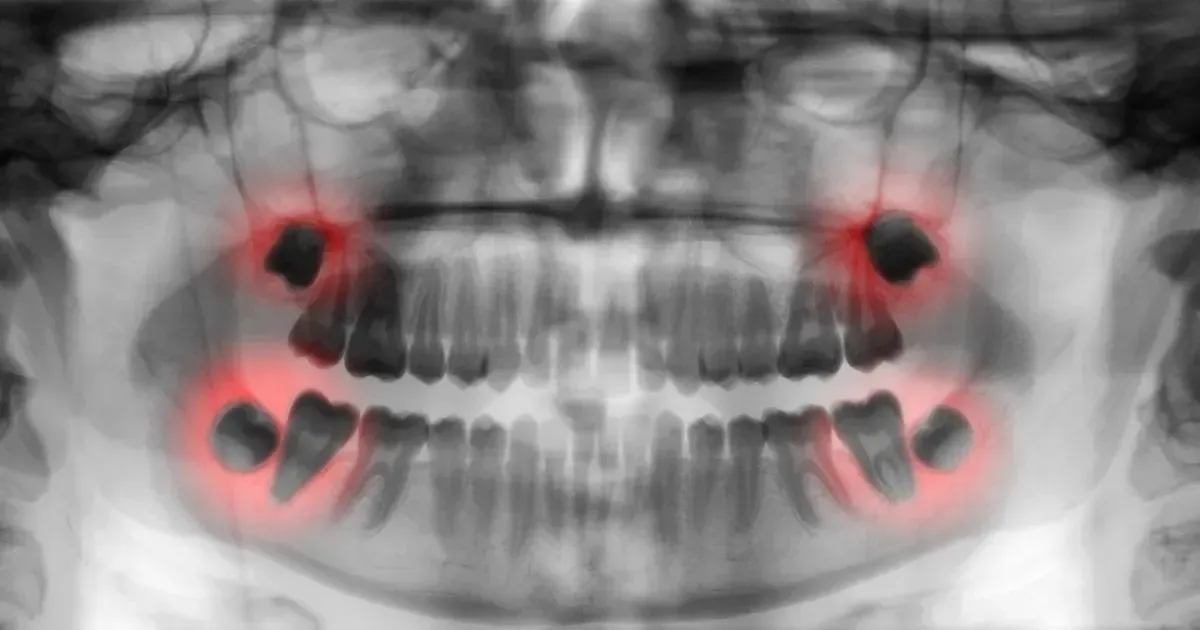
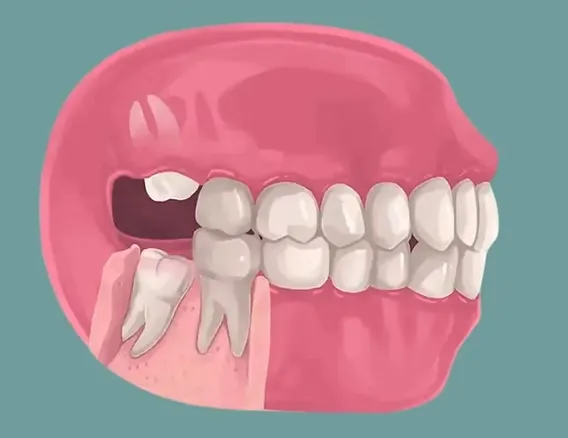
- The extraction: Simple extractions are usually done in minutes. Surgical extractions (e.g., impacted wisdom teeth) take longer and may need stitches. You’ll be advised clearly before proceeding.
- Immediate aftercare: You’ll bite on gauze to control bleeding and rest a bit in the air‑con before heading out. The team will explain aftercare in English and can send instructions to your Line or email.
Aftercare instructions you can follow comfortably in Thailand
- Control bleeding: Bite firmly on the gauze for 30–60 minutes. A little oozing is normal. If needed, replace with clean gauze or a damp tea bag and bite again.
- No rinsing for 24 hours: This protects the blood clot. From the next day, gently rinse wi
th warm salt water 2–3 times daily, especially after meals.
- Food and drink: Choose soft, cool foods for 24–48 hours—yoghurt, smoothies (no straw), rice porridge (jok), soft noodles. Avoid hot, crunchy, and spicy dishes like tom yum or som tam on day one. No alcohol.
- No straw, no smoking: For at least 48–72 hours. Suction and smoke increase the risk of dry socket.
- Pain relief: Paracetamol or ibuprofen usually works well unless your dentist advises otherwise. Take antibiotics only if prescribed, as directed, and finish the course.
- Oral hygiene: Brush the rest of your teeth gently the same day. Avoid brushing directly over the socket until your dentist says it’s okay. If given a chlorhexidine rinse, follow the instructions.
- Reduce swelling: Ice pack 15 minutes on, 15 minutes off for the first few hours. Sleep with your head slightly elevated on the first night.
- Activity: Take it easy. Skip the gym and pool for 24–48 hours.
Signs you should return to the dentist
- Severe pain 2–4 days after extraction that worsens, radiates to the ear or jaw, or causes a bad taste (possible dry socket)
- Fever, increasing swelling, or difficulty swallowing
- Bleeding that won’t slow after firm pressure
- Numbness that doesn’t improve after the anaesthetic should have worn off
Clinics are used to overseas patients and can arrange quick reviews. Many will do a follow‑up via Line or WhatsApp if you’ve already moved on to another city.
Travel timing tips
- Flying: For a simple extraction, most patients can fly after 24–48 hours. For surgical or wisdom tooth removal, waiting 3–7 days is more comfortable. Always follow your dentist’s advice.
- Diving: Avoid scuba for at least 7 days, longer if a surgical extraction was done.
- Itinerary planning: If possible, schedule the extraction at least a day before a big tour. Keep day one for rest, Netflix, and congee.
Language and communication
- Most city clinics have English‑speaking dentists and reception. If anything isn’t clear, don’t be shy—ask them to explain step by step. Many clinics will type instructions into Line so you can save them on your phone.
- If you have travel insurance, call your insurer’s hotline before treatment to open a case. Clinics can provide itemized invoices and medical reports for claims.
Safety and hygiene
- Reputable clinics follow Thai Dental Council and Ministry of Public Health guidelines. Look for visible sterilization areas, sealed instrument pouches, and proper PPE. If something feels off, you can politely step out and choose another clinic—there are plenty of options.
A quick checklist before you go
- Passport and insurance details
- List of medications/allergies
- Cash or card
- Translator app or Line installed
- Hotel address and phone number
With these in hand, the process is smooth and stress‑free.
Final word
Dental emergencies are never fun, but getting a tooth extraction in Thailand is usually efficient, gentle, and good value. From clear pricing to careful aftercare, clinics here are set up to help overseas patients get comfortable again—so you can get back to enjoying your trip with no worries.