Thailand Tooth Extraction Care With Experienced Oral Surgery Teams
Thailand Tooth Extraction Care With Experienced Oral Surgery Teams
Thailand Tooth Extraction Care With Experienced Oral Surgery Teams
If you’re looking for safe, gentle, and professional tooth extraction in Thailand, you’re in good hands. Across Bangkok, Chiang Mai, Phuket, and other major cities, experienced oral surgery teams provide care that follows international standards while keeping the friendly, service-minded approach Thailand is known for. Whether it’s a painful wisdom tooth or a tooth that can’t be saved anymore, you can expect clear communication, reasonable fees, and smooth recovery support.
When tooth extraction is recommended
Dentists in Thailand always try to save teeth first. But if a tooth is broken beyond repair, severely decayed, affected by gum disease, or causing crowding, the doctor may recommend extraction. Wisdom teeth are a common issue here, especially when they are impacted, infected, or pushing against other teeth. If you have swelling, recurring pain, or a bad taste that doesn’t go away, it’s a good idea to book a check-up and X-ray to see what’s going on.
What to expect at a Thai clinic or hospital
From the first step, clinics make it easy. Many have English-speaking staff and clear price lists. You can walk in, but it’s better to make an appointment to avoid a long queue. A typical visit goes like this:
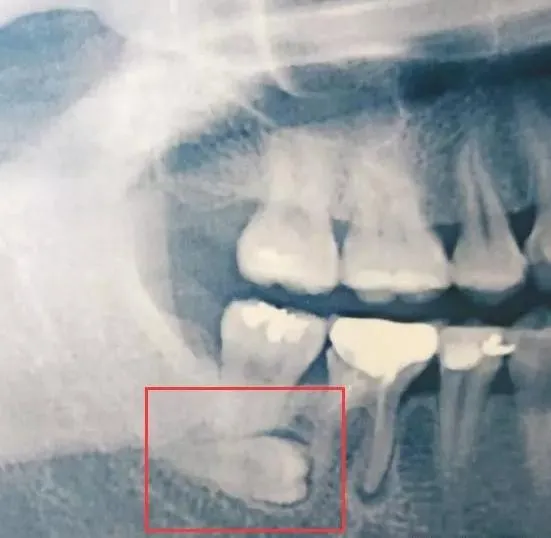
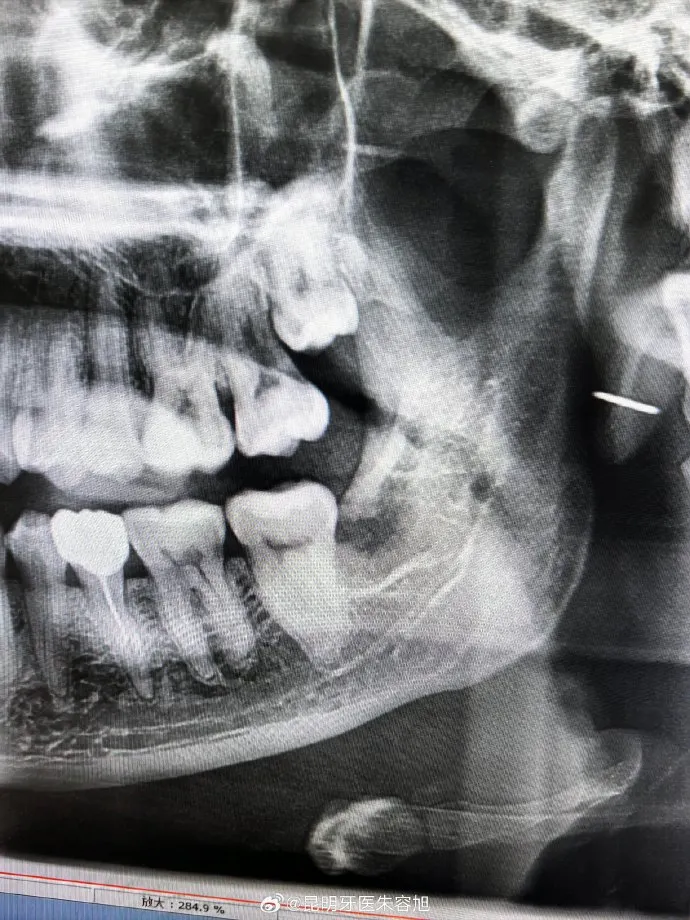
- Consultation and X-ray: Panoramic X-ray (OPG) is common; some centers also use CBCT 3D scans for complex wisdom teeth.
- Treatment plan and quotation: The doctor explains options, risks, and fees so you can decide with confidence.
- Anaesthesia options: Local numbing is standard. For anxious patients or long surgeries, sedation (often called twilight sedation) or general anaesthesia is available at hospital-based clinics.
- Informed consent and preparation: You’ll get instructions on fasting if needed for sedation, and the team will check your medical history and medications.
Sterility and safety are taken seriously. Instruments are autoclave-sterilized, the team uses full PPE, and clinics follow international infection control protocols. You’ll notice the environment is clean, organized, and comfortable.
How the extraction is done
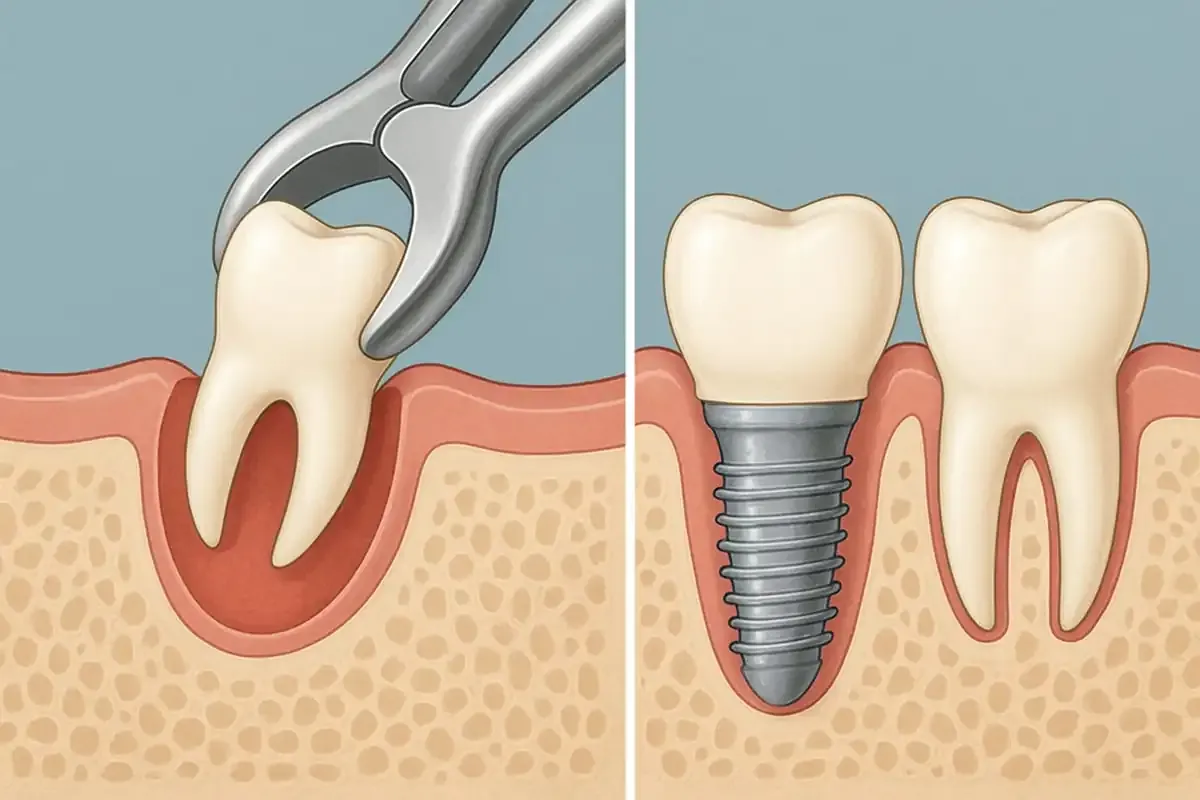
Simple extraction: For teeth that have erupted normally, the dentist numbs the area, gently loosens the tooth, and removes it. You’ll feel pressure but no sharp pain. It usually takes 10–20 minutes.
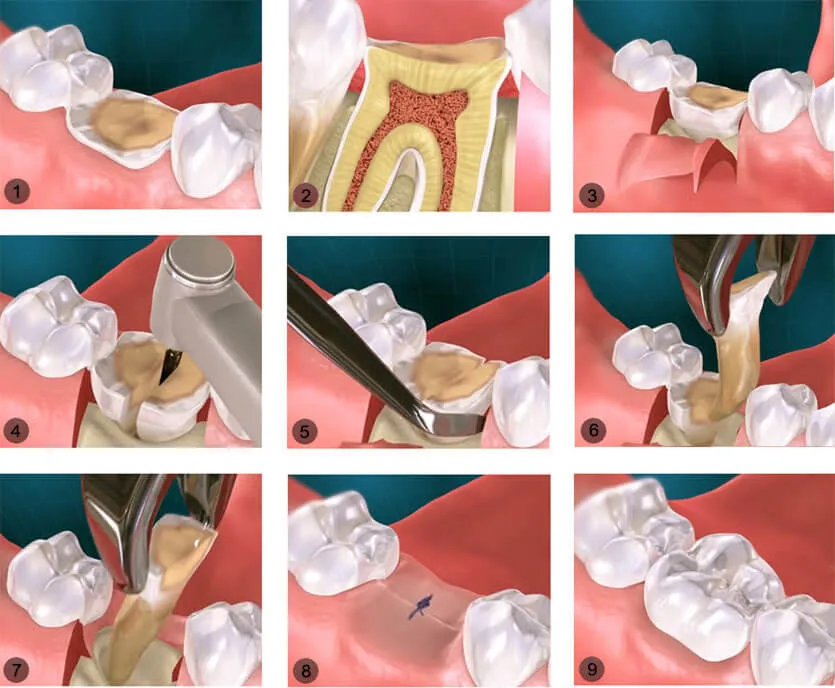
Surgical extraction: For impacted or broken teeth, an oral surgeon may need to open the gums slightly and section the tooth. This is routine for lower wisdom teeth. The area is fully numb, and stitches are placed to help healing. Time can range from 30–60 minutes depending on complexity.
Before you leave, the team will give you gauze to control bleeding, clear aftercare instructions, and a contact number or Line account for any questions. Many clinics schedule a follow-up for suture removal in 7–10 days.
Pain control and comfort
Thai oral surgery teams prioritise comfort. Local anaesthetic ensures a painless procedure. After, you may receive painkillers (such as ibuprofen or paracetamol) and antibiotics only if indicated. If you’re sensitive to medications, inform the doctor in advance. For patients who feel very nervous, sedation can make the experience calm and easy, especially in hospital settings with monitoring by an anaesthesiologist.
Recovery and aftercare tips
The first 24 hours are the most important for smooth healing.
- Bite firmly on the gauze for 30–60 minutes to stop bleeding. A small ooze is normal.
- Avoid spitting, rinsing, or using a straw on the first day so the blood clot stays in place.
- Ice pack outside your cheek 15 minutes on, 15 minutes off for the first 6–8 hours to reduce swelling.
- Rest well, keep your head slightly elevated, and avoid heavy exercise.
- Eat soft food: congee, yogur
t, scrambled eggs, soft rice, mild soup (not too hot). Avoid spicy, crunchy, or sticky food, and skip alcohol and smoking.
From day 2, you can gently rinse with warm salt water after meals. Brush your teeth as normal but be gentle near the wound. Take medicines as prescribed and complete any antibiotic course if given.
Healing times vary. Most swelling peaks at 48–72 hours and then comes down. Gums usually close in 1–2 weeks, with deeper bone healing continuing for 4–6 weeks. If you have increased pain on day 3–5, a bad taste, fever, or persistent bleeding, contact the clinic promptly. These can be signs of dry socket or infection, and the team can manage it quickly so you recover well.
Costs and timing in Thailand
Fees are transparent and generally more affordable than many countries, while still using modern equipment and sterile technique. Typical ranges (subject to each clinic and case complexity):
- Simple extraction: around 800–2,000 baht
- Surgical extraction: around 2,500–6,000 baht
- Impacted wisdom tooth removal: around 5,000–15,000 baht
- Panoramic X-ray: around 500–1,500 baht
Sedation or general anaesthesia has additional charges, usually hospital-based. The clinic will provide a detailed quotation so you can plan comfortably.
Most people can return to light work the next day after a simple extraction, and after 1–3 days for surgical wisdom tooth removal. If your job is physically demanding, ask the doctor for advice and a medical certificate for rest if needed.
Choosing the right oral surgery team
Thailand has many excellent options. To feel confident, consider:
- Qualifications and experience: Look for board-certified oral and maxillofacial surgeons for complex cases, especially impacted wisdom teeth.
- Imaging and equipment: Availability of panoramic X-ray and CBCT for precise planning.
- Anaesthesia options: Sedation or general anaesthesia if you are anxious or need multiple extractions.
- Sterilization standards: Ask about autoclave cycles and infection control protocols.
- Communication: English-speaking staff, clear consent and aftercare instructions, and easy contact via phone, email, or Line.
- Convenience: Location near BTS/MRT or parking, flexible hours, emergency support, and reasonable waiting times.
Many clinics also have a strong “service mind,” meaning friendly care and good follow-up, which makes a big difference during recovery.
For expats and international patients
Thailand is a popular dental destination for expats and travellers. You can arrange a virtual consultation and share X-rays before your trip to plan timing and costs. If you’re flying into Bangkok, Chiang Mai, or Phuket, allow 2–3 days after wisdom tooth surgery to rest before long travel. Bring your medical history and list of medications. Some clinics accept international insurance or can issue a tax invoice for claims—just check in advance.
Practical tips
- Make your appointment during a less busy time to avoid long queue.
- Eat a light meal before the procedure if you will have local anaesthetic (but follow fasting rules for sedation).
- Arrange transport home, especially if you’re taking sedation.
- Stock your fridge with soft food and prepare ice packs before your appointment.
The bottom line
Thailand’s tooth extraction care combines skilled oral surgery teams, modern technology, and a gentle, patient-first approach. With clear treatment plans, reasonable fees, and strong aftercare, you can feel safe and comfortable from start to finish—whether it’s a straightforward extraction or a complex wisdom tooth removal. If you’re having dental pain or your dentist has advised removal, don’t wait too long. Book a consultation, get your imaging done, and let a trusted Thai team take care of your smile the right way.