Thailand Tooth Extraction Care for Affordable Cross Border Dentistry
Thailand Tooth Extraction Care for Affordable Cross Border Dentistry
Thailand Tooth Extraction Care for Affordable Cross Border Dentistry
Sawasdee and welcome to a practical guide for anyone planning a tooth extraction in Thailand. Whether you are crossing from a neighbouring country or flying in for dental tourism, Thailand offers a smart balance of quality care, friendly service, and fair prices. With English-speaking dentists, modern clinics, and clear aftercare routines, it’s easy to feel at ease—no stress, no fuss.
Why Thailand makes sense for tooth extraction
- Affordable but high-quality: Private clinics in Bangkok, Chiang Mai, Phuket, and other hubs follow international sterilisation standards, with digital X-rays, proper PPE, and experienced oral surgeons. Many dentists train or attend courses overseas and are registered with the Dental Council of Thailand.
- Transparent pricing: You’ll typically receive a treatment plan and fee quote before any procedure.
- Smooth communication: Most clinics have English-speaking coordinators, and many can chat via Line, WhatsApp, or email for quick updates.
- Travel-friendly: Major clinics are close to BTS/MRT stations or in central sois, with 7-Eleven, pharmacies, and hotels nearby—very convenient post-op.
What to expect at the clinic
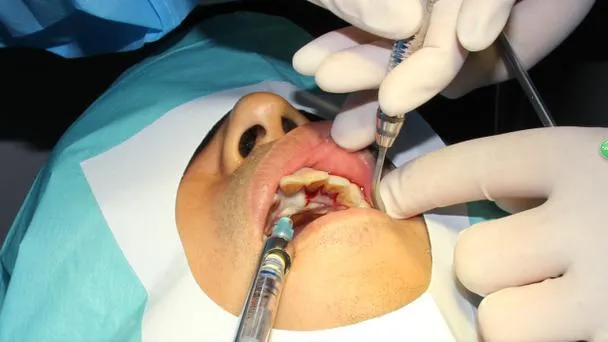
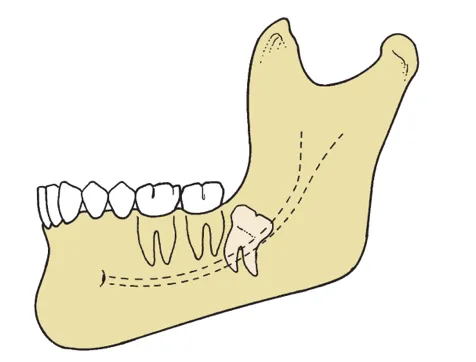
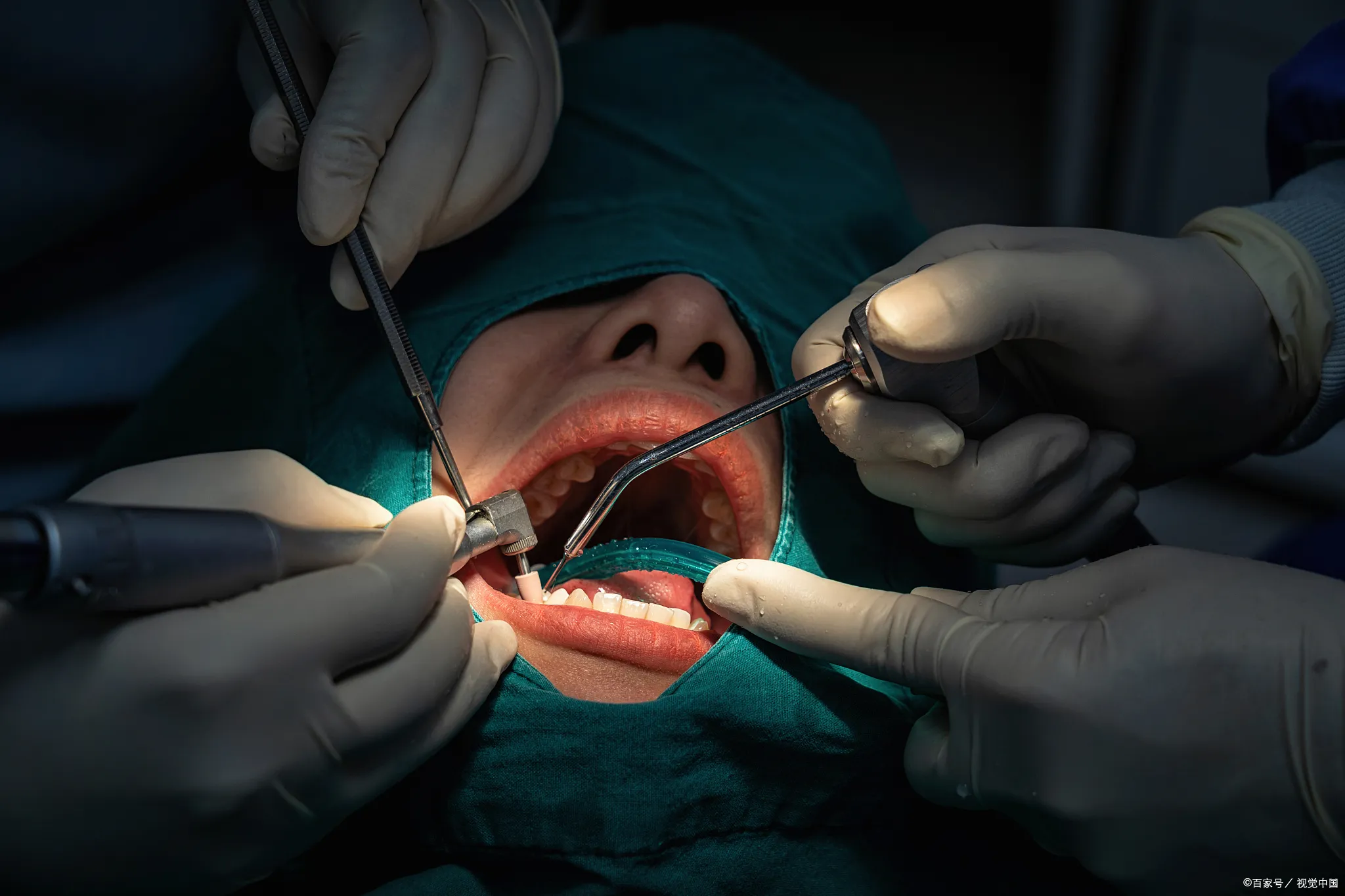
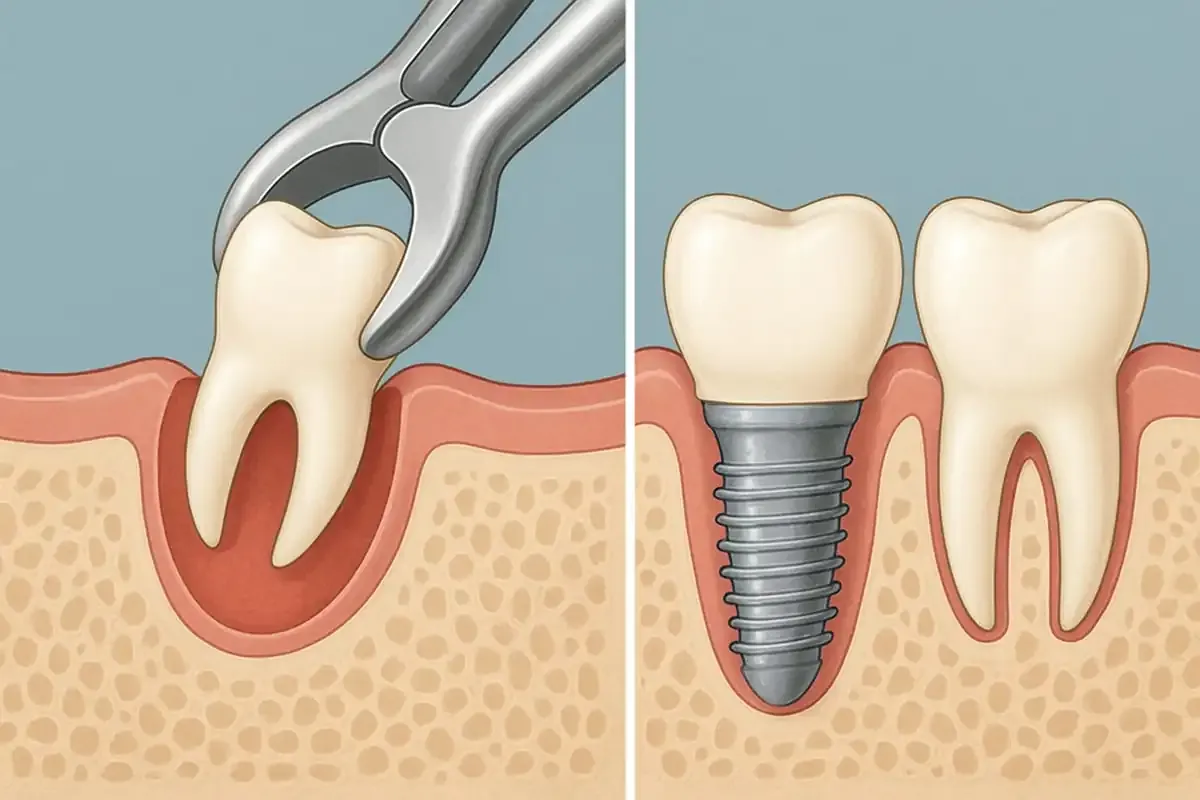
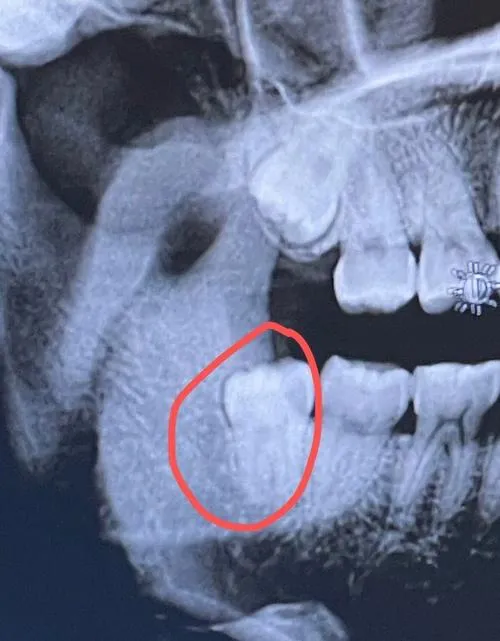
A standard visit includes a consultation and X-ray (sometimes panoramic or CBCT if wisdom teeth are impacted). The dentist will explain the plan, options for anaesthesia, estimated recovery time, and risks. If there’s no active infection or medical issue, simple extractions can be done on the same day. For impacted wisdom teeth, you may be scheduled with an oral surgeon.
Anaesthesia is usually local. Light IV sedation can be arranged at some clinics or hospitals, with additional monitoring fees. Don’t be shy to say if you’re anxious; Thai teams are calm and gentle, and they’ll talk you through each step—chill, mai pen rai, you’re in good hands.
Typical costs (ballpark, per tooth)
- Simple extraction: 1,500–3,000 baht (approx. USD 40–85)
- Surgical or impacted wisdom tooth: 5,000–12,000 baht (approx. USD 140–330)
- Sedation (if chosen): from 8,000–20,000 baht (approx. USD 220–550), depending on facility and duration
Prices vary by city and clinic. You’ll get an itemised receipt in English, and most places take cash, credit card, and QR PromptPay.
Planning your travel timeline
- Allow buffer time: If you’re removing a simple tooth, plan at least 48 hours before long travel. For surgical wisdom teeth, aim for 3–7 days before flying to manage swelling and review stitches.
- Avoid intense activities: Put Muay Thai, diving, or island-hopping on hold for a few days. Keep it sabai sabai—relaxed.
- Book follow-up: Schedule a quick check 48–72 hours after surgery, and confirm a backup contact on Line in case you have questions once you cross the border.
Practical aftercare, Thai-style
Right after extraction, you’ll bite down on gauze to stop bleeding. Keep your head slightly elevated and rest. Here’s a simple plan that works well in Thailand’s climate and food culture:
- Control bleeding: Bite firmly on gauze for 30–45 minutes. If oozing continues, replace with fresh sterile gauze. A pharmacy or 7-Eleven near your hotel usually has supplies.
- Manage pain and swelling: Use prescribed painkillers as directed (paracetamol or ibuprofen are common unless your doctor says otherwise). Apply a cold pack on and off for the first 24
hours. In the heat, chilled gel packs are your friend.
- No smoking, no straws: For at least 72 hours. Sucking can dislodge the blood clot and cause dry socket.
- Rinsing: Do not rinse vigorously on day one. From day two, gently rinse with warm salt water after meals and before bed.
- Eat soft, mild foods: Go for jok (rice porridge), khao tom (soft rice soup), steamed eggs, tofu, yogurt, bananas, ripe papaya, and flaky fish. Avoid spicy (phet), hot-temperature, crunchy, or sticky foods for a few days.
- Oral hygiene: Brush gently, avoiding the socket. Keep the rest of your mouth clean to prevent infection.
- Sleep and positioning: Prop up with pillows to reduce swelling. Avoid sleeping on the extraction side on the first night.
- Alcohol and exercise: Skip alcohol for at least 48–72 hours. Keep exercise light until swelling subsides.
What’s normal and what’s not
- Normal: Mild bleeding for several hours, swelling peaking at 48–72 hours, stiffness when opening your mouth, small bruises on the cheek, and moderate soreness controlled by painkillers.
- Not normal: Heavy bleeding that won’t stop after firm pressure on gauze, fever over 38°C, foul smell or taste, severe throbbing pain around day 3–5 (possible dry socket), expanding swelling, or numbness that doesn’t improve. If these occur, contact your clinic immediately—most Thai practices respond quickly via phone or Line.
Antibiotics and medication
Antibiotics are not always necessary; your dentist will prescribe them only when indicated (for example, in certain surgical extractions or if infection risk is higher). Always finish the course if given, and report allergies upfront. Keep medications in your carry-on when crossing borders, with the prescription label visible.
Choosing the right clinic
- Check credentials: Look for dentists registered with the Dental Council of Thailand and clinics with up-to-date sterilisation protocols.
- Ask about imaging and sedation: For complex wisdom teeth, confirm if panoramic or CBCT imaging is available and where sedation is performed (clinic vs hospital).
- Read recent reviews: Focus on clear explanations, fair pricing, and aftercare responsiveness.
- Location matters: Pick a clinic near your hotel or along the BTS/MRT for easy access on follow-up day.
Money and documents
- Bring your passport for registration.
- Request a detailed receipt in English.
- Confirm payment methods and any extra fees for sedation or after-hours calls.
- Consider travel insurance that includes dental emergencies, especially if you’re crossing borders by air.
A few local tips
- Keep a small pack with gauze, bottled water, saline or salt, lip balm, and your meds—easy to grab from Boots or Watsons.
- Thailand’s weather is warm; stay hydrated but avoid icy drinks right after surgery.
- If you need a soft meal, most food courts and street vendors can make porridge or steamed eggs—just say “mai phet” (not spicy).
Final word
Tooth extraction in Thailand can be straightforward, affordable, and surprisingly comfortable when you plan well. Choose a reputable clinic, give yourself enough recovery time before your next leg of travel, and follow the aftercare steps closely. With friendly teams, clear communication, and sensible costs in baht, cross border dentistry here is a smooth experience—calm, careful, and kind. Khop khun krub/ka, and wishing you a fast, sabai recovery.