Thailand Tooth Extraction Care for Patients Seeking Trusted Dentists
Thailand Tooth Extraction Care for Patients Seeking Trusted Dentists
Thailand Tooth Extraction Care for Patients Seeking Trusted Dentists
If you’re considering tooth extraction in Thailand—whether it’s a simple loose tooth or an impacted wisdom tooth—you’re not alone. Many patients, locals and visitors alike, choose dental care here because clinics are experienced, costs are reasonable, and doctors are friendly with a strong service mind. This guide walks you through how to find a trusted dentist, what to expect on the day, and how to take care after the extraction so you heal fast and feel comfortable.
Why choose Thailand for tooth extraction
Thailand’s dental community is well trained, with many dentists holding postgraduate qualifications and using modern equipment like digital X‑ray and CBCT. In cities such as Bangkok, Chiang Mai, Phuket, and Pattaya, you’ll find English‑speaking teams and transparent pricing. Clinics often follow international sterilisation standards, and you can book easily by phone, email, or LINE. For patients who are nervous, clinics offer options from local anaesthesia to IV sedation, and some hospital‑based services can arrange general anaesthesia where indicated.
How to choose a trusted dentist and clinic
- Check credentials: Look for Dental Council of Thailand registration and, for surgical cases, a board‑certified oral surgeon. Many clinics display certificates in the waiting area and on their website.
- Read recent reviews: Focus on comments about communication, pain control, sterilisation, and aftercare. Look for real patient photos or case explanations.
- Ask about sterilisation: Autoclave cycles, single‑use disposables, and clean instrument tracking are basic requirements. Clinics should be happy to explain.
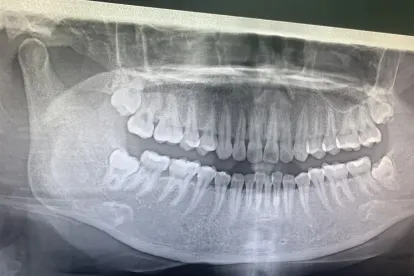
- Confirm imaging and diagnosis: For wisdom teeth or complex roots, a panoramic X‑ray or CBCT is commonly used. A proper treatment plan should be shared before any procedure.
- Clarify total fees: In Thailand, price is often quoted as net or excluding VAT. Kindly ask what’s included (X‑ray, surgical fee, sutures, post‑op check). For guidance, simple extractions may start from around 1,000–3,000 THB, and surgical wisdom tooth removal can range 5,000–12,000+ THB depending on complexity.
- Check follow‑up policy: Suture removal and review in 5–7 days is standard. Make sure the clinic can see you quickly if you have any issue.
When tooth extraction is recommended
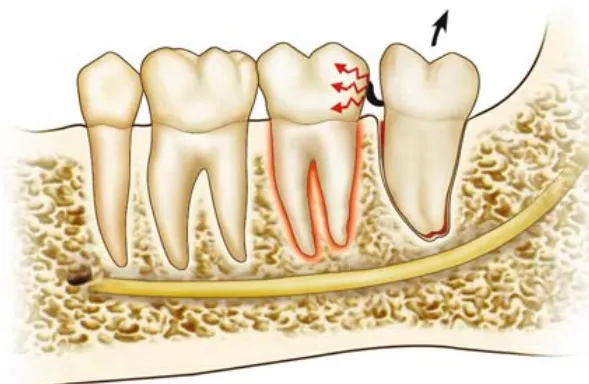
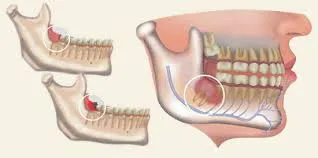
Doctors may advise extraction for deep decay, cracked teeth, severe gum disease, baby teeth not falling on time, or impacted wisdom teeth causing pain, infection, or crowding. If you’re planning orthodontic treatment or implants later, timing the extraction properly helps your overall plan.
What to expect on the day
First, the team will update your medical history. Please share if you take blood thinners, have high blood pressure, diabetes, or any allergies. Your doctor will take X‑rays and explain the steps. Local anaesthetic is given so the area is fully numb—no need to worry, you will feel pressure but no sharp pain. Simple teeth may be loosened and lifted within minutes. For surgical cases, a small incision and bone trimming may be required, followed by sutures. You’ll receive sterile gauze to bite on and a post‑op instruction sheet. Many clinics also provide a small ice pack and medicines as prescribed.
Essential aftercare for quick recovery
First 24 hours
- Bite on gauze for 30–60 minutes to form a stable blood clot, then change as instructed. A little oozing is normal.
- Do not spit, rinse forcefully, or us
e a straw. The suction can dislodge the clot and cause dry socket.
- Apply an ice pack on and off (20 minutes on, 20 minutes off) for the first 6–8 hours to reduce swelling.
- Sleep with your head slightly elevated with extra pillows.
- Take pain relief and antibiotic only as your doctor prescribes. If you have any reaction, contact the clinic immediately.
- Eat soft, cool foods: congee, yogurt, smoothies (spoon, not straw), mashed pumpkin, eggs. Avoid hot, spicy, sticky, or crunchy items.
- No smoking or alcohol. Smoking is a strong risk factor for dry socket.
Day 2 to day 7
- Start warm salt‑water rinses gently after 24 hours, 3–4 times a day, especially after meals.
- Brush your other teeth as normal and clean gently near the extraction site. Keep the area clean to prevent infection.
- Continue soft diet if there’s still soreness. Slowly return to normal eating when comfortable.
- If you had sutures, return for removal as advised (usually day 5–7). Some clinics use self‑resorbing sutures.
- Swelling tends to peak around day 2–3 for surgical cases, then settles. If swelling increases after day 3, there’s fever, foul taste, or severe pain not relieved by medicine, please contact the clinic.
Preventing dry socket
Dry socket typically presents as throbbing pain 2–4 days after extraction, sometimes with a bad taste or odour. To reduce risk, avoid smoking, avoid vigorous rinsing, and follow the doctor’s food and activity guidelines. If it happens, your dentist can clean the area and place a medicated dressing to relieve pain and support healing.
Planning dental care around travel
If you’re flying to or within Thailand for treatment, it’s best to allow:
- 24–48 hours before any short flight after simple extraction.
- 3–5 days buffer for surgical wisdom teeth removal before long‑haul flights or adventure activities.
Avoid scuba diving, heavy gym, Muay Thai, or sauna until your doctor says OK. For stitch removal and review, plan to stay near the clinic for at least a week. During holiday periods like Songkran or New Year, check opening hours in advance as many clinics close or run with limited staff.
Communication and convenience
Most Thai dental clinics are comfortable communicating in English, and many have coordinators who can support you by LINE or WhatsApp. Feel free to ask for:
- A written treatment plan with itemised costs.
- A copy of your X‑ray or CBCT (digital file).
- Receipts for insurance claims if applicable.
If you prefer extra comfort, ask about sedation options and whether a hospital setting is recommended for your case. For anxious patients, clinics in Bangkok around Sukhumvit, Silom, or Ari often offer sedation with an anaesthetist.
Simple tips to make your visit smooth
- Bring a list of medicines you take and your medical record if you have.
- Arrange transport home; better not to drive after sedation.
- Wear comfortable clothing and avoid heavy makeup or lipstick on the day.
- Arrive a bit early to settle in and ask any last questions.
Bottom line
Thailand offers safe, professional tooth extraction with kind doctors, modern technology, and fair pricing. By choosing a licensed clinic, confirming the diagnosis with proper imaging, and following clear aftercare, you can expect a smooth experience and quick recovery. Whether you’re in Bangkok, Chiang Mai, Phuket, or beyond, a trusted dental team will take care of you from the first consultation to full healing—so you can smile, eat well, and enjoy your time in the Land of Smiles.