Thailand Tooth Extraction Care for Dental Tourists Visiting Thailand

Thailand Tooth Extraction Care for Dental Tourists Visiting Thailand
Thailand Tooth Extraction Care for Dental Tourists Visiting Thailand
Sawasdee and welcome to the Land of Smiles. If you’re planning a tooth extraction while visiting Thailand, you’re in good company—dental tourism here is popular thanks to skilled dentists, modern clinics, reasonable prices, and friendly service. To make your experience smooth from consultation to recovery, here’s a clear, traveler-friendly guide using tips that match how things work on the ground in Thailand.
Why Thailand for tooth extraction
- High standards: Many dentists train internationally and use hospital-grade sterilization. Big names in Bangkok, Chiang Mai, Phuket, and Pattaya often have English-speaking staff and digital X-rays.
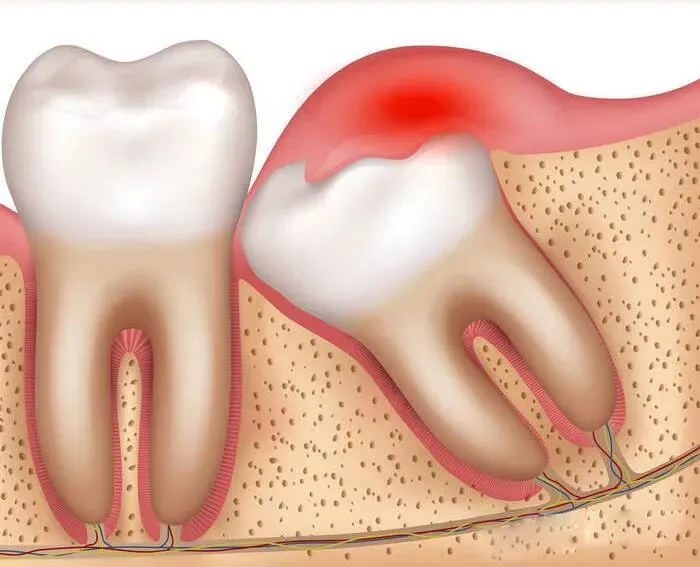
- Good value: As a rough guide, a simple extraction can be 1,000–3,000 baht. Surgical extractions (like impacted wisdom teeth) are usually 3,000–8,000+ baht, depending on complexity, sedation, and city.
- Easy logistics: Clinics are near BTS/MRT in Bangkok and along main sois. Grab, taxis, and BTS make transport simple.
Plan before you fly
- Shortlist clinics: Look for reviews, dentist profiles, and treatment photos. Many clinics reply fast on email or Line. Ask about fees, anesthesia options, and whether your case needs surgical extraction.
- Timing: Give yourself at least 3–5 buffer days in Thailand after extraction. If there’s any sinus involvement (upper molars), your dentist may advise extra time before flights or diving.
- Public holidays: Check Thai public holidays; some clinics may close or have limited hours. Many large hospital clinics are open daily.
- Insurance and receipts: If you plan to claim later, request an English receipt with your diagnosis, tooth number, and treatment code. Most clinics accept credit cards; smaller ones may be cash-only—bring some baht.
On the day of extraction
- Getting there: Aim to arrive 10–15 minutes early. Traffic can be heavy, so BTS/MRT or Grab is easier than a last-minute taxi. Avoid motorbike taxis after the procedure.
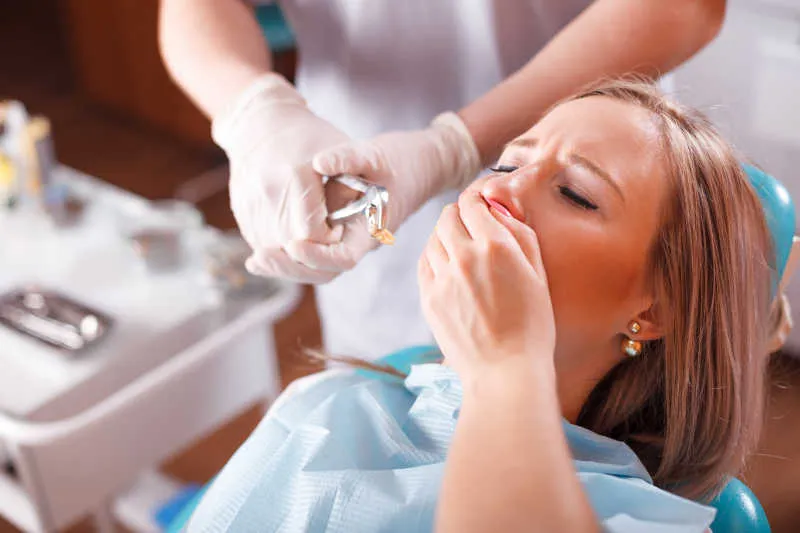
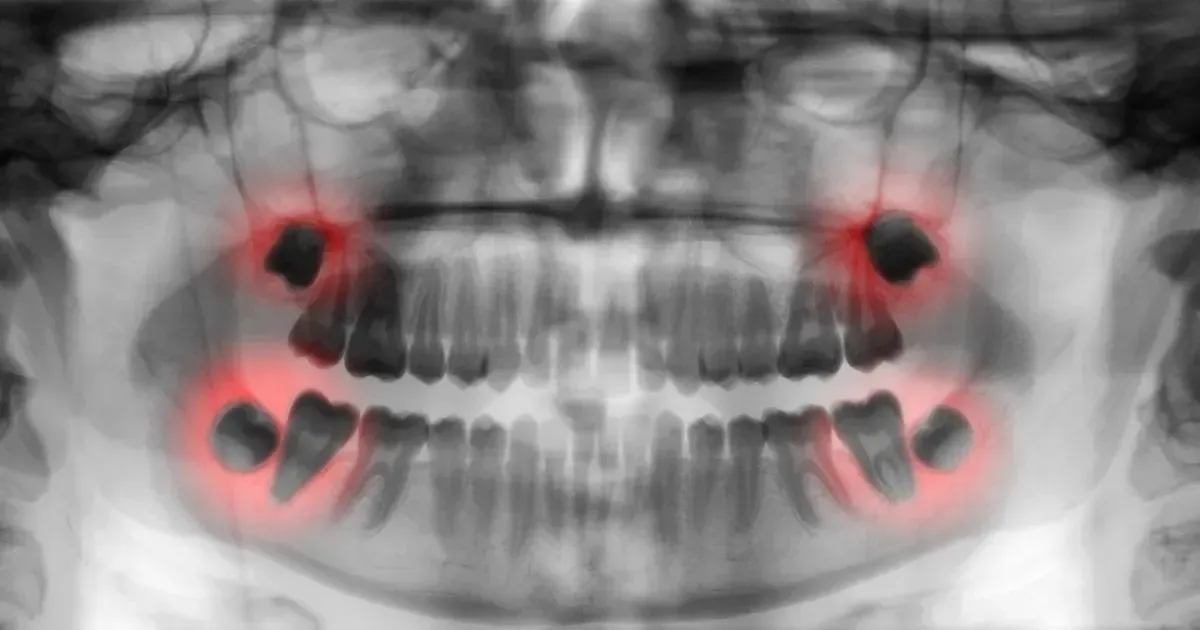
- Consent and X-rays: Expect a consultation, X-ray, and treatment plan. Ask simple, direct questions—Thai dentists are polite and happy to explain the steps.
- Anesthesia: Most extractions use local anesthesia; you’ll feel pressure but no sharp pain. Sedation is available in some places (extra cost) and usually done in hospital settings.
- Payment: Some clinics take a deposit before treatment. Keep your receipt—ask for “official receipt” if needed for insurance.
Immediate aftercare: first 24 hours
- Gauze pressure: Bite firmly on gauze for 30–60 minutes to stop bleeding. If it persists, replace with fresh gauze and bite again for another 30 minutes.
- Ice packs: Apply an ice pack 15 minutes on, 15 minutes off for the first few hours to reduce swelling.
- Rest: Keep your head elevated when resting. Skip gym, Muay Thai class, or long temple walks on the same day.
- No smoking, no alcohol: Avoid at least 72 hours. They slow healing and raise dry socket risk.
- Don’t rinse vigorously: For the first 24 hours, avoid swishing, spitting, or drinking through a straw. You want the blood clot to stay “same same” where it is—this is your natural bandage.
- Medicines: Take painkillers and antibiotics only as prescribed. Pharmacies like Boots and Watsons stock ibuprofen and paracetamol. Don’t self-start a
ntibiotics without your dentist.
Day 2–3: gentle care
- Saltwater rinse: Start warm saltwater rinses after 24 hours—gently, 2–3 times daily, especially after eating. If prescribed a mouthwash like chlorhexidine, use as directed.
- Soft foods: Choose easy Thai eats—jok (rice congee), khao tom (rice soup), soft omelette, tofu, yogurt, banana, or blended fruit (sip from cup or use a spoon, no straw). Ask for “mai phet” (not spicy) to avoid irritation. Skip sticky rice and crunchy snacks for now.
- Oral hygiene: Brush teeth gently, avoiding the socket. Keep the rest of your mouth clean to reduce infection risk.
What to avoid for one week
- Spicy, steaming-hot, or acidic food (som tam and tom yum can wait)
- Straws and vigorous mouth rinsing
- Smoking and alcohol (longer is better)
- Swimming pools, scuba, freediving, and intense sports
- Poking the socket with your tongue or fingers
Travel-smart tips for dental tourists
- Plan light activities: A chill café day, a short BTS ride to a mall, or a sunset walk by the river beats a full-day island tour on day two. Save scuba in Phuket or cliff hikes in Krabi for later.
- Transport after surgery: Book a Grab or taxi. Keep gauze handy and water to sip gently. Air-con is common in cars and clinics—bring a light jacket if you get cold.
- Language: Most reception teams speak English. Staff may address you as Khun + your name as a polite form. If needed, use Google Translate or Line chat with photos for follow-up questions.
Watch for warning signs
- Bleeding that won’t stop after 3–4 hours of firm gauze pressure
- Severe pain peaking around day 3 with bad taste or odor (possible dry socket)
- Fever, facial swelling that worsens, or pus
- Numbness that doesn’t improve after anesthesia wears off
If any of these happen, contact the clinic immediately. Many clinics answer Line messages quickly. For urgent help, 1669 is the medical emergency number. Tourist Police (1155) can assist with English.
Follow-up and stitches
- If you have dissolvable stitches, they usually fall out in 1–2 weeks. Non-dissolvable stitches need removal—your clinic will schedule this. If you’re flying out, ask for an earlier check.
- Ask your dentist when you can fly, especially after upper molar extractions near the sinus. Most routine cases are fine after a couple of days, but follow your dentist’s advice.
Costs and payment tips
- Simple extraction: about 1,000–3,000 baht
- Surgical/wisdom tooth extraction: about 3,000–8,000+ baht
- Sedation or operating theatre fees: additional
Prices vary by city and clinic reputation. Confirm the quote before treatment. Some places offer package pricing with X-rays and follow-up.
Clinic etiquette and comfort
- Take a queue number if the clinic uses one. Arrive on time—Thais value polite, calm interactions. A friendly “Sawasdee ka/krub” goes a long way.
- Many clinics have air-con waiting rooms, free water, and clean facilities. Don’t hesitate to ask for extra gauze or an ice pack for your trip back to the hotel.
Final takeaway
With a little planning, tooth extraction in Thailand can be straightforward, comfortable, and budget-friendly. Choose a reputable clinic, schedule buffer days, follow aftercare like a pro, and go easy on the “phet” until you’re healed. Your smile—and your Thailand itinerary—will thank you.