Thailand Tooth Extraction Care for Patients Seeking Modern Dentistry
Thailand Tooth Extraction Care for Patients Seeking Modern Dentistry
Thailand Tooth Extraction Care for Patients Seeking Modern Dentistry
If you are planning a tooth extraction in Thailand, good news: clinics here combine modern dentistry with warm, easy-going service. Whether you live in Bangkok or are flying in for dental tourism, you’ll find high-tech equipment, clear treatment plans, and doctors who take time to explain everything in simple, friendly English. This guide walks you through what to expect, how to prepare, and how to take care after extraction so healing is smooth and stress-free.
Choosing a modern clinic in Thailand
- Look for digital diagnostics: Clinics in Bangkok, Chiang Mai, Phuket, and Pattaya commonly use digital X-rays, CBCT scans for impacted wisdom teeth, and intraoral scanners. These help the doctor plan a gentle, precise extraction.
- Ask about techniques: Many dentists offer minimally invasive (atraumatic) extraction, microsurgical tools, and sutures that dissolve on their own. Some clinics use PRF membranes (from your own blood) to support healing, especially for surgical cases.
- Safety standards: Reputable clinics follow strict sterilisation protocols and use single-use disposables. It’s fine to ask about their infection control; they will happily explain.
- Comfort options: Local anaesthesia is standard, and some centres offer conscious sedation for anxious patients. No worry—staff will advise what’s safe for you.
- Booking style: In Thailand, it’s common to book via Line OA, WhatsApp, or the clinic website. Walk-in is possible in some areas, but appointment is better to avoid queue.
Before your extraction
- Share your medical history: Bring a medication list and inform the dentist if you take blood thinners, have diabetes, hypertension, or allergies. Don’t stop medicine on your own; the doctor will coordinate as needed.
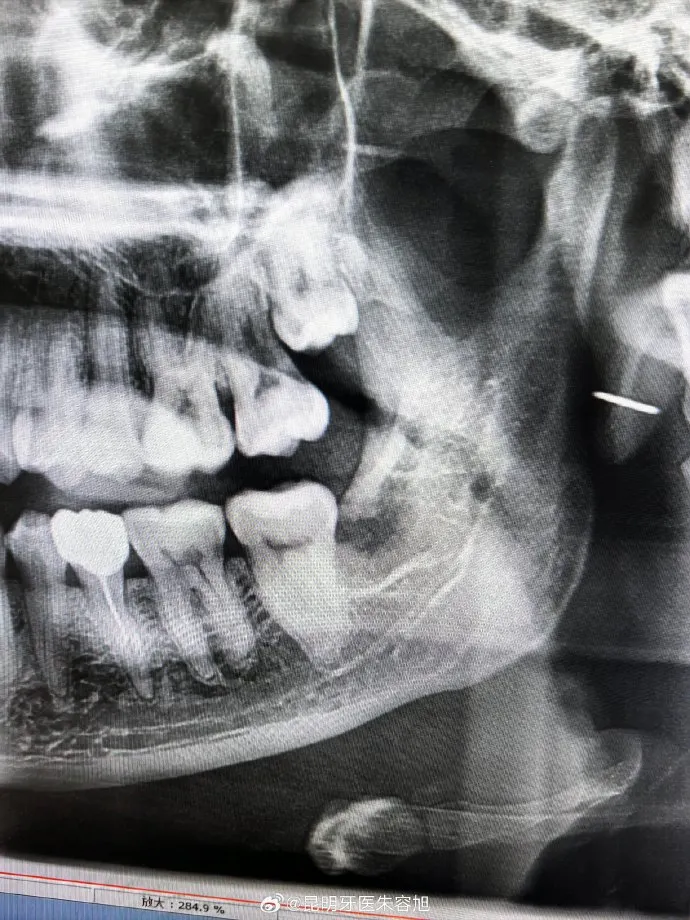
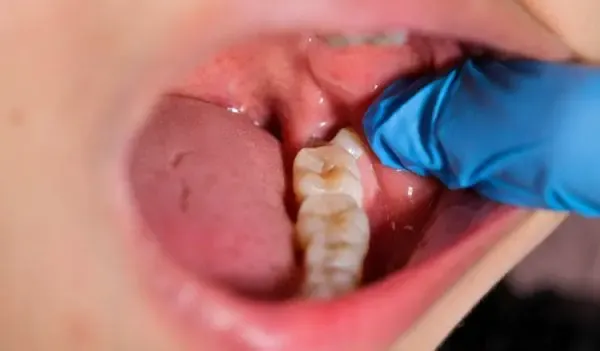
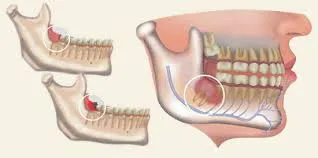
- Discuss X-rays: For wisdom teeth or root fractures, a panoramic X-ray or CBCT may be recommended to map nerves and sinuses before surgery.
- Plan your ride home: After extraction, especially if sedation is used, take a taxi or Grab. Avoid motorbike taxi on that day.
- Eat light: Have a small meal 1–2 hours before the appointment unless your doctor advises fasting (sedation cases may require fasting). Hydrate well.
- Clarify the quote: Ask for a clear price range for simple vs surgical extraction. In Thailand, simple extraction typically starts from a modest fee, while surgical or impacted wisdom tooth removal costs more depending on complexity and city.
What happens on the day
- Check-in and consent: The nurse will confirm your details and explain the procedure. You’ll sign a consent form and have a quick blood pressure check.
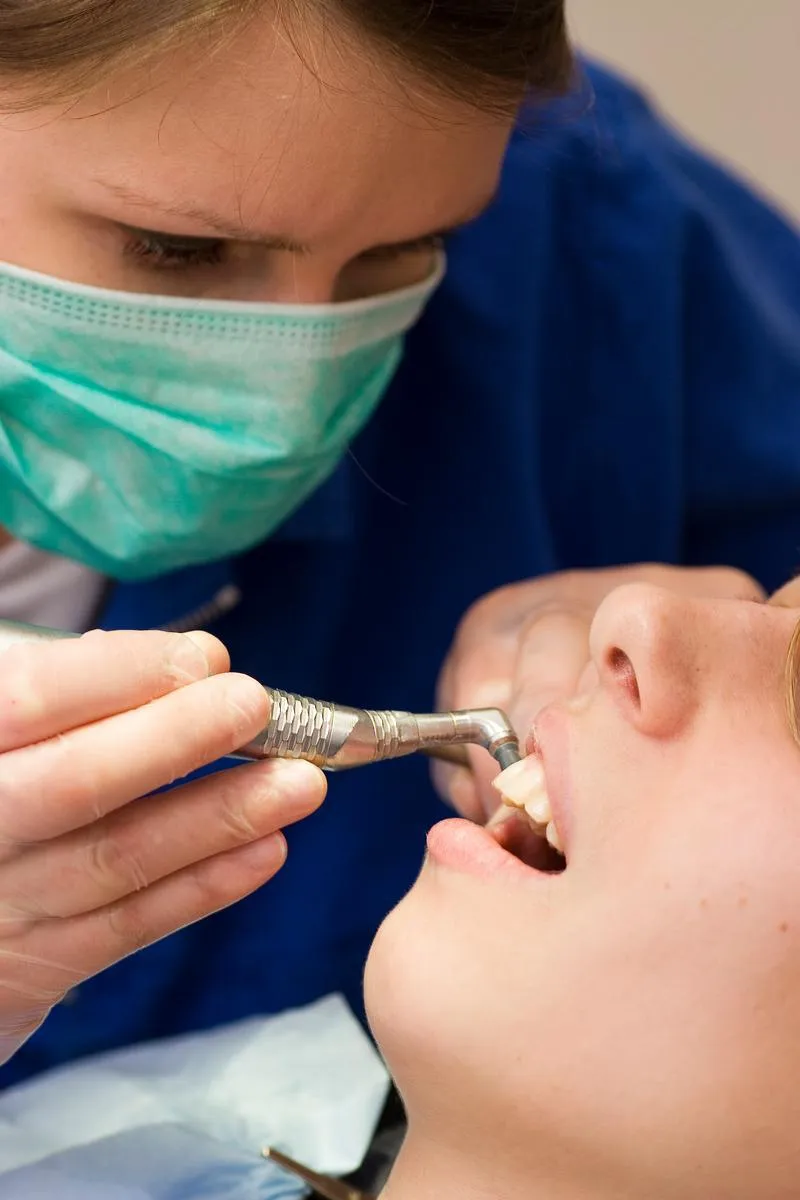
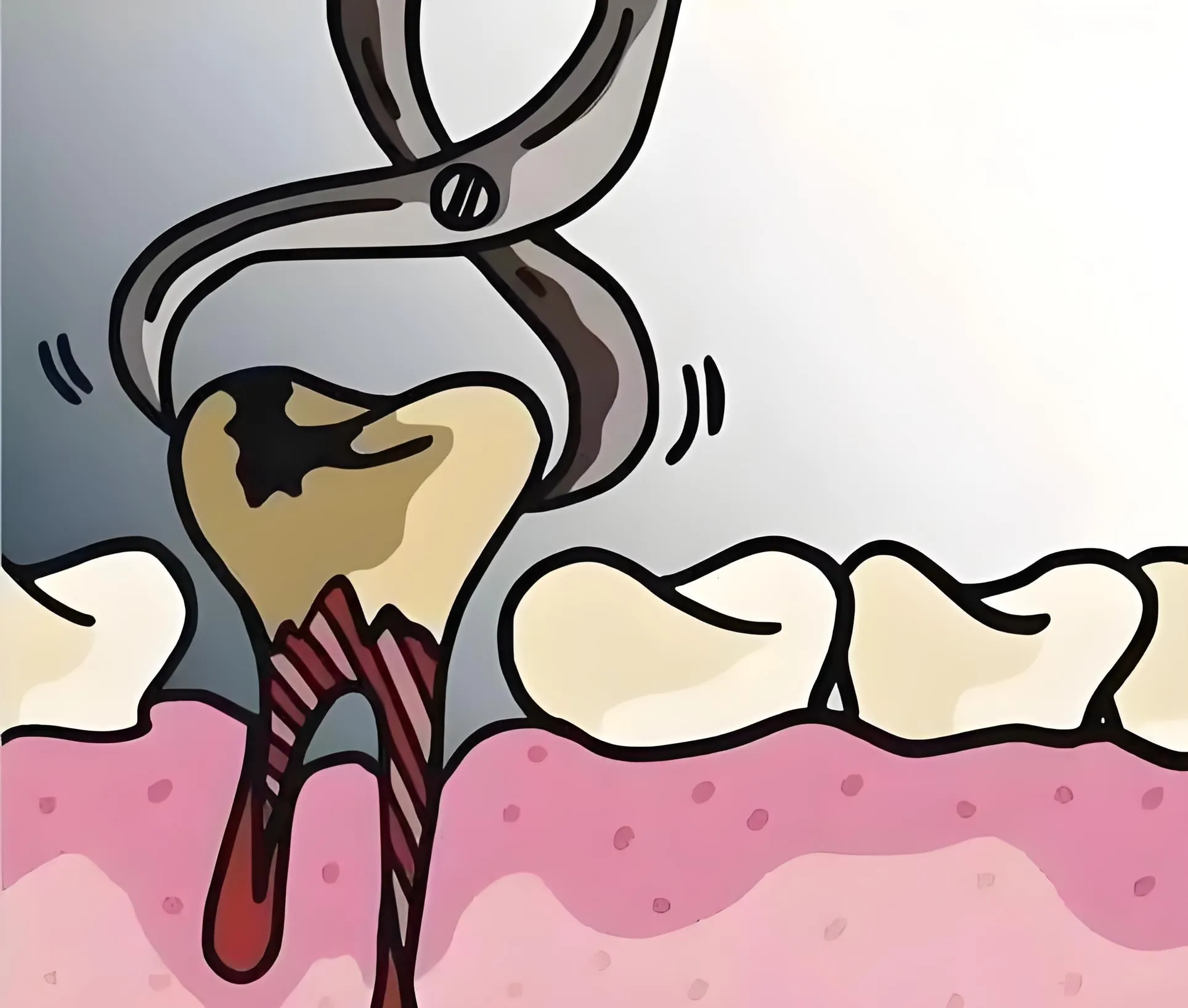
- Anaesthesia and technique: The doctor will numb the area thoroughly; many patients say they feel only pressure, not pain. With modern tools, the dentist loosens the tooth gently to protect bone and soft tissue. Surgical extractions may involve a small flap and sutures.
- After the tooth is out: The clinic places sterile gauze for you to bite on to form a stable blood clot. You’ll get instructions and medicine before going home.
The first 24 hours: do and don’t
- Do bite firmly on the gauze for 30–60 minutes to stop bleeding. If oozing continues, change gauze and bite again. A clean folded gauze from the clinic is ideal; you can also buy sterile gauze from 7‑Eleven, Boots, or Watsons.
- Do use an ice pack on the cheek (15 minutes on, 15 minutes off) during the first 6–8 hours to reduce swelling.
- Do rest. Keep your head slightly elevated when sleeping.
- Don’t rinse vigorously or spit for the first 24 hours. It may dislodge the clot and delay healing.
- Don’t use a straw, smoke
, or vape for at least 72 hours. Negative pressure and heat increase risk of dry socket.
- Don’t drink alcohol the first 48 hours or while taking antibiotics or painkillers.
Eating guide with Thai-friendly options
- Best choices for day 1–2: room-temperature water, lukewarm soups, plain congee (jok), soft tofu, steamed egg, yoghurt, banana, smoothies without a straw, mashed potato, and well-cooked pasta.
- Avoid hot, spicy, sour, or crunchy foods early on. Skip tom yum, som tum, sticky rice, crispy pork, and nuts for a few days. Spices and heat can irritate the wound.
- Chew on the opposite side and keep food soft until your doctor says OK.
- After 48–72 hours, you can slowly return to normal food as comfort allows.
Medicine and pain control
- Take painkillers exactly as prescribed. Many clinics provide ibuprofen or paracetamol combinations. If you cannot take NSAIDs, tell the doctor beforehand.
- If antibiotics are given, complete the full course.
- Avoid aspirin unless your medical doctor advised it, as it may increase bleeding.
- Mild swelling is common for 2–3 days, especially for wisdom teeth. It usually peaks around day 2 and settles by day 5–7.
Keeping the area clean
- After 24 hours, start gentle rinsing with warm salt water 2–3 times daily, especially after meals. Mix half a teaspoon of salt in a cup of warm water.
- Brush your teeth as normal, but be gentle near the extraction site. Avoid electric brush directly over the area for a few days.
- If you received a syringe for irrigation (common after lower wisdom tooth surgery), start using it only when your doctor advises, usually from day 3–4.
Signs to call the clinic
- Persistent heavy bleeding beyond a few hours
- Severe or increasing pain after day 3 that does not improve with medicine (possible dry socket)
- Fever, foul taste, or spreading swelling
- Numbness that doesn’t fade after the anaesthetic window
Clinics in Thailand are used to post-op care; just send a Line message or call, and they will arrange a quick check. Many provide free follow-up for stitch removal around day 7–10.
Travel and activity tips for visitors
- Give yourself at least 24–48 hours to rest before island trips or long bus rides. For surgical wisdom teeth, consider 3–5 days buffer.
- Avoid high-impact activities like Muay Thai, diving, and sauna until swelling is down and the dentist clears you.
- If your trip overlaps festivals like Songkran, plan your procedure a few days before or after to avoid heat, crowds, and water exposure that may make aftercare inconvenient.
- Keep your dentist’s contact on Line/WhatsApp and carry your medication during day tours.
Cost transparency and value
Thailand offers excellent value for modern dentistry. Simple tooth extraction is generally affordable, while surgical or impacted wisdom tooth removal costs more due to X-rays, instruments, and time. Fees vary by city, clinic reputation, and case difficulty. Ask for a written treatment plan and receipt; many clinics can explain itemised charges clearly in English.
Why modern Thai dentistry stands out
- Skilled doctors, many with overseas training, focus on gentle techniques and patient comfort.
- Up-to-date technology reduces procedure time and speeds healing.
- Clear communication, easy booking, and friendly aftercare make the process smooth for locals and international patients alike.
Final reminder
Follow your doctor’s instructions closely, take medicine as directed, and give your body time to heal. With modern techniques and attentive care, tooth extraction in Thailand can be straightforward, comfortable, and well supported from first consultation to full recovery.