Thailand Tooth Extraction Treatment for Patients With Tooth Infections
Thailand Tooth Extraction Treatment for Patients With Tooth Infections
Thailand Tooth Extraction Treatment for Patients With Tooth Infections
If you are living in Thailand or visiting on holiday and a tooth infection flares up, you want fast, safe, and straightforward care. Tooth extraction is sometimes the best way to control an infection, especially when a tooth is too damaged to save. Thailand offers accessible, high-quality dental treatment, from Bangkok to Chiang Mai and Phuket, with clinics that understand both local and international expectations.
When extraction is needed for a tooth infection
Not every infected tooth must be removed. In many cases, a root canal can save the tooth by cleaning out infected tissue inside. Your dentist will usually take an X-ray and check your symptoms before advising the best plan. Extraction is commonly recommended when:
- The tooth is cracked below the gum line or severely decayed
- There is a large abscess and the tooth structure cannot be restored
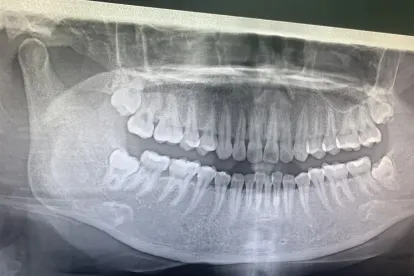
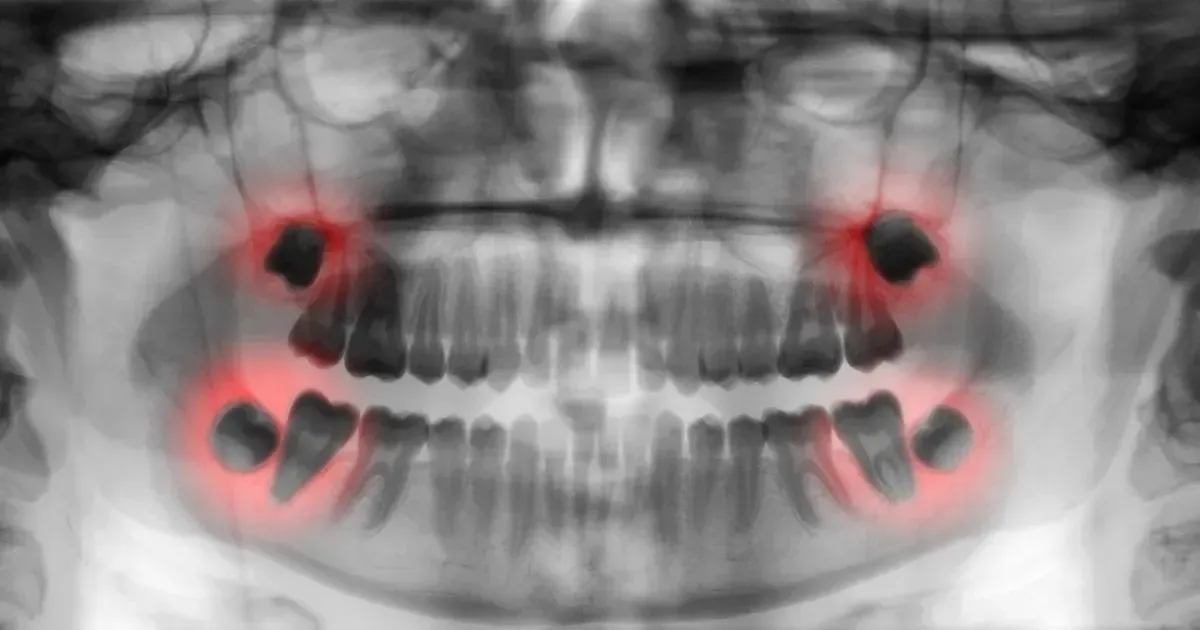
- Wisdom teeth are impacted and causing recurrent infections
- You have repeated pain and swelling despite previous treatment
Signs you should get checked soon include throbbing pain, swelling in the gums or face, pus discharge, bad taste, fever, or difficulty opening your mouth. If you have swelling spreading to the neck, difficulty breathing, or high fever, go straight to an emergency department.
What to expect at a Thai dental clinic
Booking is simple. Most clinics accept appointments via phone, website, or Line. Many patients in Bangkok choose clinics near BTS or MRT for easy access. Walk-in is often possible for emergencies, but a quick call helps the clinic prepare. Bring your passport if you are a visitor and a list of any medicines you take.
At your first visit, the dentist will:
- Ask about your pain, medical history, and any allergies
- Take an X-ray to see the roots and surrounding bone
- Explain options: root canal vs extraction, drainage of abscess, and timing
- Discuss fees in baht and the expected recovery
For infections, dentists may prescribe antibiotics if there are signs of spreading infection, fever, or significant swelling. Not every case needs antibiotics. Painkillers and anti-inflammatories are commonly given. If a surgical extraction is planned, they might ask you to start antibiotics before and continue after, depending on the case.
How the extraction procedure works
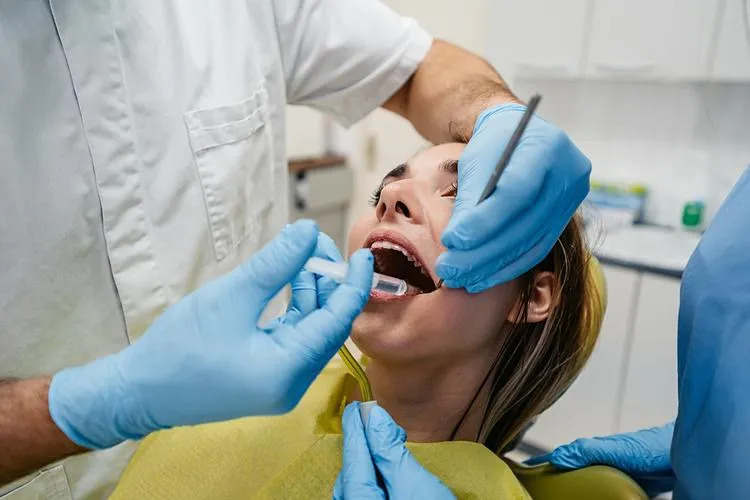
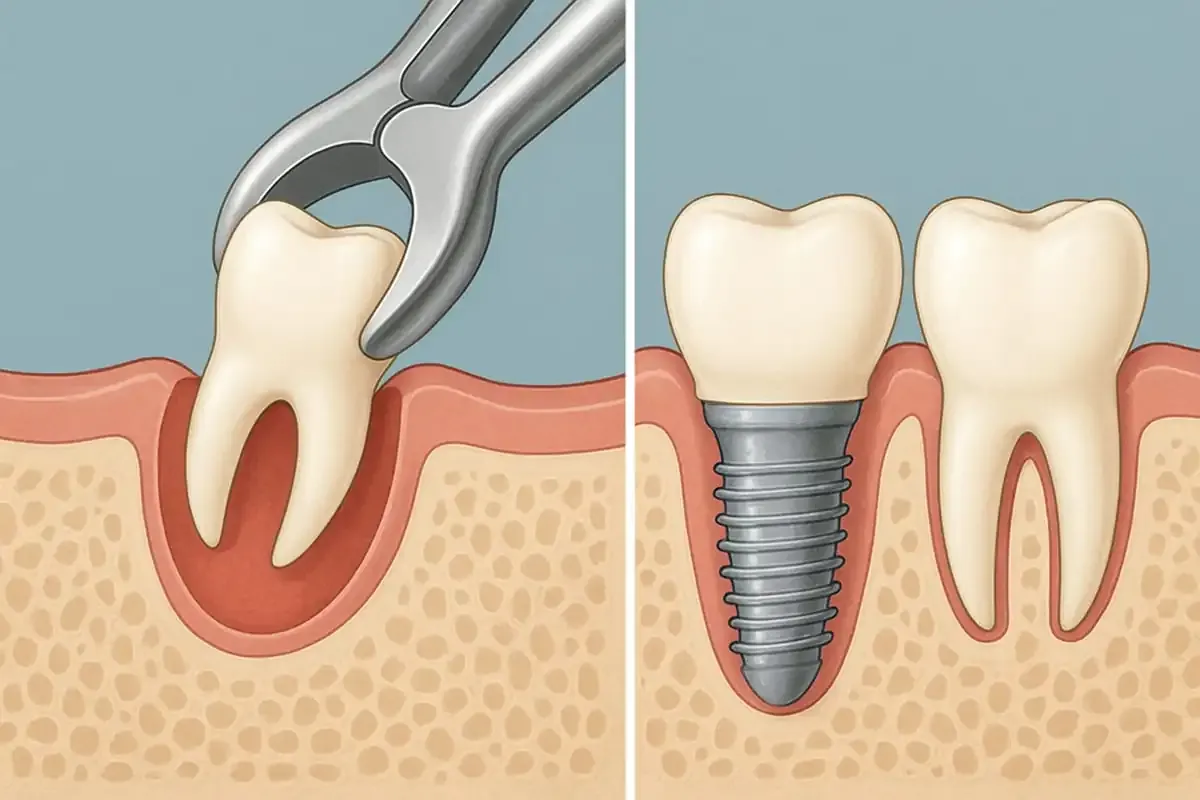
Most extractions are done under local anesthetic. Your cheek and gums will feel numb within minutes. For difficult cases like impacted wisdom teeth, a specialist oral surgeon may perform a surgical extraction, sometimes with IV sedation if the clinic is set up for it. The steps usually include:
- Numbing and gentle testing to confirm you are comfortable
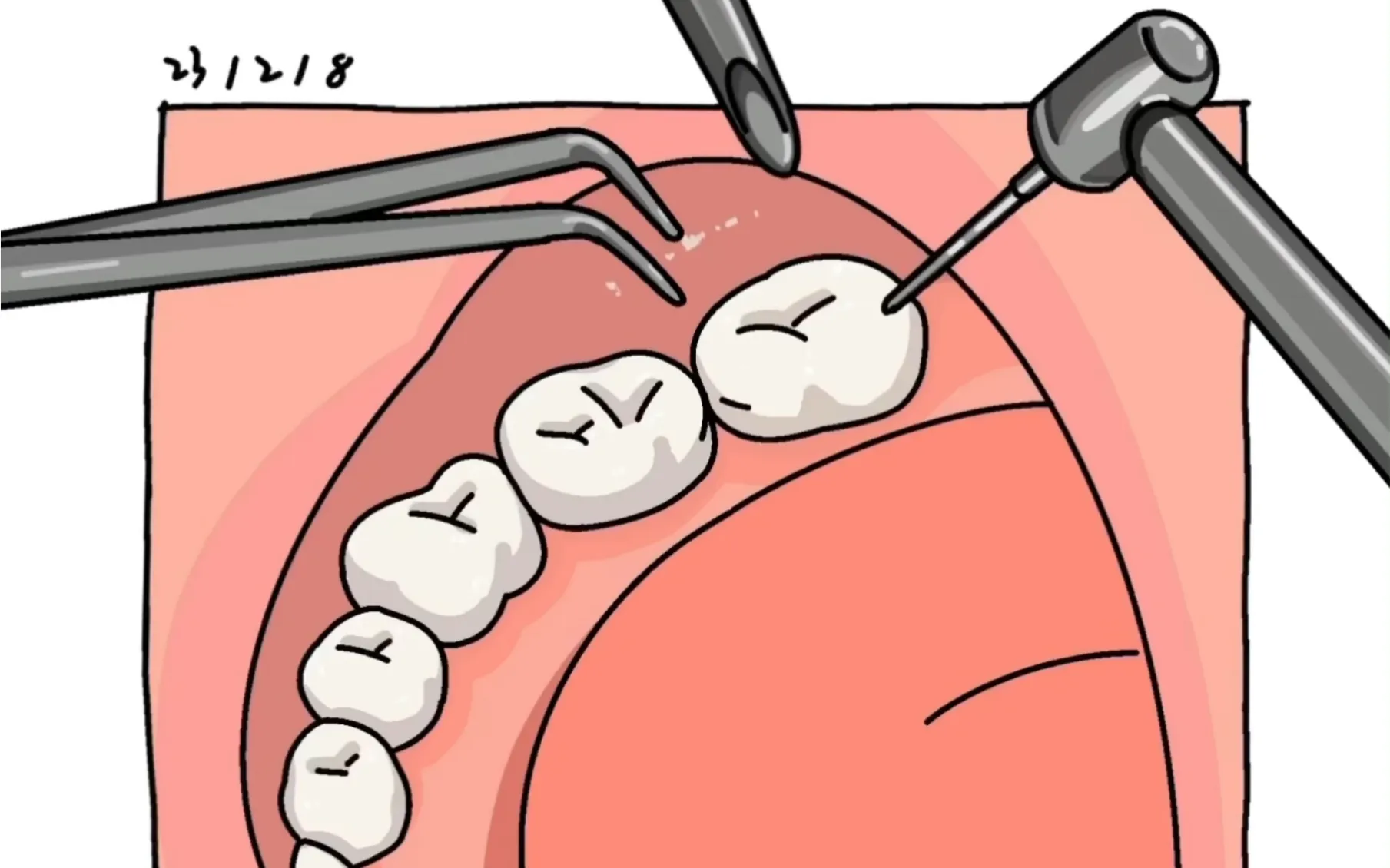
- Loosening the tooth and removing it, or sectioning a tooth into pieces for easier removal
- Cleaning the socket, sometimes placing a medicated dressing
- Stitches if the gum is opened; these may be dissolvable
- Aftercare instructions and medicine
The appointment time varies. A simple extraction can take 15–30 minutes. Surgical cases might take longer. You can usually go home the same day.
Recovery and aftercare in Thailand
Good aftercare helps prevent complications like dry socket. Your dentist will give you clear instructions. Common advice includes:
- Bite on gauze for 30–60 minutes to stop bleeding
- Avoid hot drinks, alcohol, and smoking for at least 48–72 hours
- No spicy or sticky foods on day one; choose soft foods like congee, yogurt, or scrambled eggs
- Use a cold pack on your cheek for 10–15 minutes at a time during
the first day to reduce swelling
- Keep your head slightly elevated for the first night
- Start gentle warm saltwater rinses after 24 hours, several times a day
- Continue any prescribed medicines as directed
A little oozing and mild swelling are normal. Pain should reduce day by day. If you have worsening pain after two to three days, a bad smell, persistent bleeding, or increasing swelling, contact the clinic or return for review.
Costs and insurance
Dental costs in Thailand are generally friendly compared to many countries. Actual fees vary by city and clinic, and whether the extraction is simple or surgical. As a rough guide:
- Simple extraction: usually a few thousand baht
- Surgical extraction or impacted wisdom tooth: higher, depending on complexity
- X-ray and consultation: additional but modest
Private hospitals and premium clinics may charge more but often offer extended hours and multilingual staff. Some expat insurance plans cover extractions, especially if linked to infection or emergency care. Check if your provider supports direct billing; otherwise, keep receipts for reimbursement.
Choosing the right clinic
You will find reputable dental clinics in Bangkok along Sukhumvit, Silom, and near major BTS/MRT stations, as well as in Chiang Mai Nimmanhaemin and Phuket town or Patong. Look for:
- Licensed dentists registered with the Dental Council of Thailand
- Clear treatment explanations and itemized quotes
- Modern digital X-rays and sterilized instruments
- Good reviews from both local and international patients
If your case is complex, ask if an oral and maxillofacial surgeon is available. For language support, many clinics have English-speaking staff, and some can communicate via Line for quick questions and photo updates.
Root canal vs extraction: how to decide
When a tooth can be saved predictably, many patients prefer root canal treatment followed by a crown. It protects your bite and avoids a gap. However, if the tooth is structurally unsound, the infection keeps returning, or the cost and time of saving it outweigh the benefit, extraction can be the more practical choice. After removal, you can discuss options such as a dental implant, bridge, or a simple partial denture. Thailand has strong implant expertise; if you plan an implant, ask your dentist about socket preservation and healing timelines.
Practical tips before your appointment
- Eat a light meal before the procedure if you are having local anesthesia
- Arrange transport if you are receiving sedation
- Wear comfortable clothing and avoid tight collars
- Bring your medication list and disclose any conditions like diabetes or blood thinners
- Plan a quiet rest after the procedure; stock soft foods and drinking water at home or in your hotel
- Pick up gauze and saline from a pharmacy; 7-Eleven also carries basic items if you need something late
When it’s urgent
Do not delay care if you have severe swelling, fever, trouble swallowing, or feel unwell. These signs can mean the infection is spreading and need immediate attention at an emergency department or a hospital dental unit.
The bottom line
Thailand provides accessible, reliable tooth extraction treatment for patients with tooth infections. With prompt assessment, a clear plan, and proper aftercare, you can control the infection, relieve pain, and return to your routine quickly. Whether you are based in Bangkok or traveling through the islands, getting timely help from a qualified Thai dentist will make all the difference to your comfort and your health.