Thailand Tooth Extraction Care for Overseas Visitors on a Budget
Thailand Tooth Extraction Care for Overseas Visitors on a Budget
Thailand Tooth Extraction Care for Overseas Visitors on a Budget
If you’re in Thailand and need a tooth pulled, don’t stress. Thailand is well-known for affordable, professional dental care, and most clinics are very used to overseas visitors. With a little planning and a sabai sabai (relaxed) mindset, you can manage a smooth extraction and recovery without blowing your travel budget.
Why Thailand is a good option
Thailand’s private dental clinics offer modern equipment, English-speaking dentists, and clear price quotes. In Bangkok, Chiang Mai, and Phuket, you’ll find clinics on main roads and inside malls, often open late and on weekends. Prices are transparent, and you’ll usually get an itemized receipt in English—helpful for insurance claims.
Typical costs in baht
Costs vary by city and clinic, but these ballpark figures can help you plan:
- Consultation and X-ray: 300–1,500 baht (panoramic X-ray is usually at the higher end)
- Simple extraction (no surgery): 800–2,500 baht
- Surgical extraction: 2,500–7,000 baht
- Impacted wisdom tooth: 3,000–12,000 baht per tooth
Ask for a full breakdown before treatment. Some clinics include follow-up checks and basic medication; others charge separately. Expect a small card fee if you pay by credit card. Cash is commonly accepted, and you can politely ask if there’s any current promotion.
How to choose a clinic
- Check qualifications: Look for dentists registered with the Dental Council of Thailand. Most clinics display licenses on the wall.
- Read recent reviews: Google Maps reviews are widely used. Look for comments about clear communication and post-op care.
- Confirm language support: Many front-desk staff and dentists in city areas speak English. It’s okay to ask for an English consent form.
- Location matters: In Bangkok, areas along the BTS or MRT (like Sukhumvit, Asok, or Silom) make it easy to get back to your hotel after treatment. In Chiang Mai, Nimman and the Old City have plenty of options; in Phuket, check Patong and Phuket Town.
- Contact via LINE: Many clinics use the LINE app. You can send photos or X-rays in advance and lock in a quote.
Before your appointment
- Share your medical history: Tell the dentist about allergies, blood thinners, or recent surgeries. Bring a list of any medications.
- Eat smart: Unless told otherwise, a light meal before a local-anaesthetic extraction is fine. If sedation is planned, follow the fasting rules strictly.
- Transport: Book Grab or a metered taxi so you can go straight back to your hotel. Avoid motorbike taxis after the procedure.
- Ask for paperwork: Request an itemized invoice and a medical certificate in English if you might claim insurance.
What to expect during the extraction
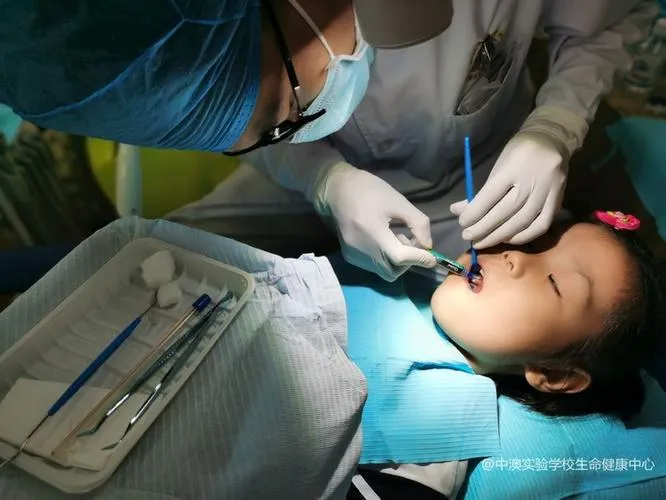
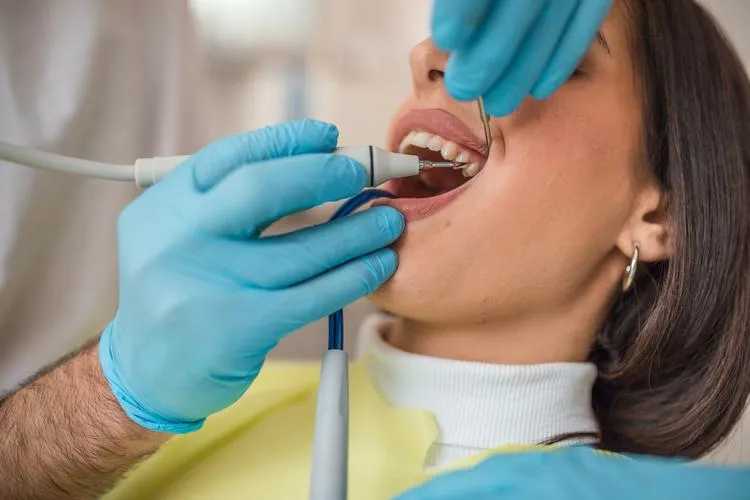
Most extractions are done under local anaesthetic. You may feel pressure but not sharp pain. Simple cases can take 10–20 minutes; surgical ones may take longer. If stitches are needed, they’re often dissolvable, and the dentist will tell you when they’ll come out. You’ll usually get clear printed aftercare instructions before you leave.
Aftercare that won’t break the bank
The first 24 hours are important for healing and avoiding dry socket:
- Bite down on gauze for 30–60
minutes to control bleeding.
- Do not rinse vigorously, use a straw, or smoke for at least 24–72 hours.
- Sleep with your head slightly elevated the first night.
- Apply a cold pack outside your cheek for 10–15 minutes on, 10–15 minutes off, for the first few hours.
From 24 hours onward, rinse gently with warm salt water a few times a day (unless your dentist advises otherwise). Keep the area clean with careful brushing, avoiding the socket.
Budget-friendly pain control
Over-the-counter pain relief like ibuprofen or paracetamol is inexpensive at Thai pharmacies such as Boots or local drugstores. Follow your dentist’s instructions and stick to the recommended dose. If antibiotics are prescribed, complete the full course. Chlorhexidine mouthwash may be recommended for short-term use; don’t overuse it without guidance.
What to eat in Thailand during recovery
Choose soft, lukewarm foods and avoid anything spicy, crunchy, or sticky for a few days:
- Khao tom or jok (Thai rice porridge/congee)
- Banana, yogurt, soft tofu, scrambled eggs
- Pumpkin or carrot soup (let it cool to warm)
- Smoothies (use a spoon—no straw)
Avoid som tam (papaya salad), sticky rice, fried chicken, and anything with hard chili flakes while the area heals.
Timing your travels
If you’re flying, give yourself at least 48 hours after a simple extraction and 3–5 days after a surgical or impacted wisdom tooth removal. It’s not just about cabin pressure—resting a bit helps swelling go down and reduces the chance of complications. Keep your schedule light: a quiet day by the pool beats a full-day island tour right after dental work.
Saving more without cutting corners
- Compare two quotes: A quick second opinion can confirm if surgical extraction is really required.
- Consider location: Clinics outside major tourist hubs may be cheaper, but factor in transport time.
- Government hospitals: Fees can be lower, but waiting times are longer and same-day service isn’t guaranteed. Bring your passport.
- Ask about follow-ups: Clarify if stitch removal or a check-up is included.
Language and local etiquette
A friendly “Sawatdee ka/krub” (hello) goes a long way. If something isn’t clear, politely ask the dentist to explain step by step. Thai clinics are used to overseas visitors and will generally take time to make sure you feel comfortable. Stay calm—mai pen rai (no worries) is the Thai way.
Red flags to avoid
- Deep discounts with no X-ray or exam
- Pressure to remove multiple teeth without clear explanation
- No clear receipt or clinic address
When in doubt, step back, get another opinion, and choose a clinic that communicates clearly.
Insurance and receipts
Many travel insurance policies cover urgent dental pain relief. Keep all receipts, the diagnosis, treatment codes, and the dentist’s name and license number. Ask for documents in English—most clinics are happy to help.
Final take
Tooth extraction in Thailand can be straightforward, affordable, and safe if you prepare well. Choose a reputable clinic, understand the costs, follow aftercare carefully, and give yourself a little recovery time. With the right plan, you’ll be back to enjoying your trip—budget intact and smile on track.