Thailand Tooth Extraction Procedures With Skilled Dental Professionals
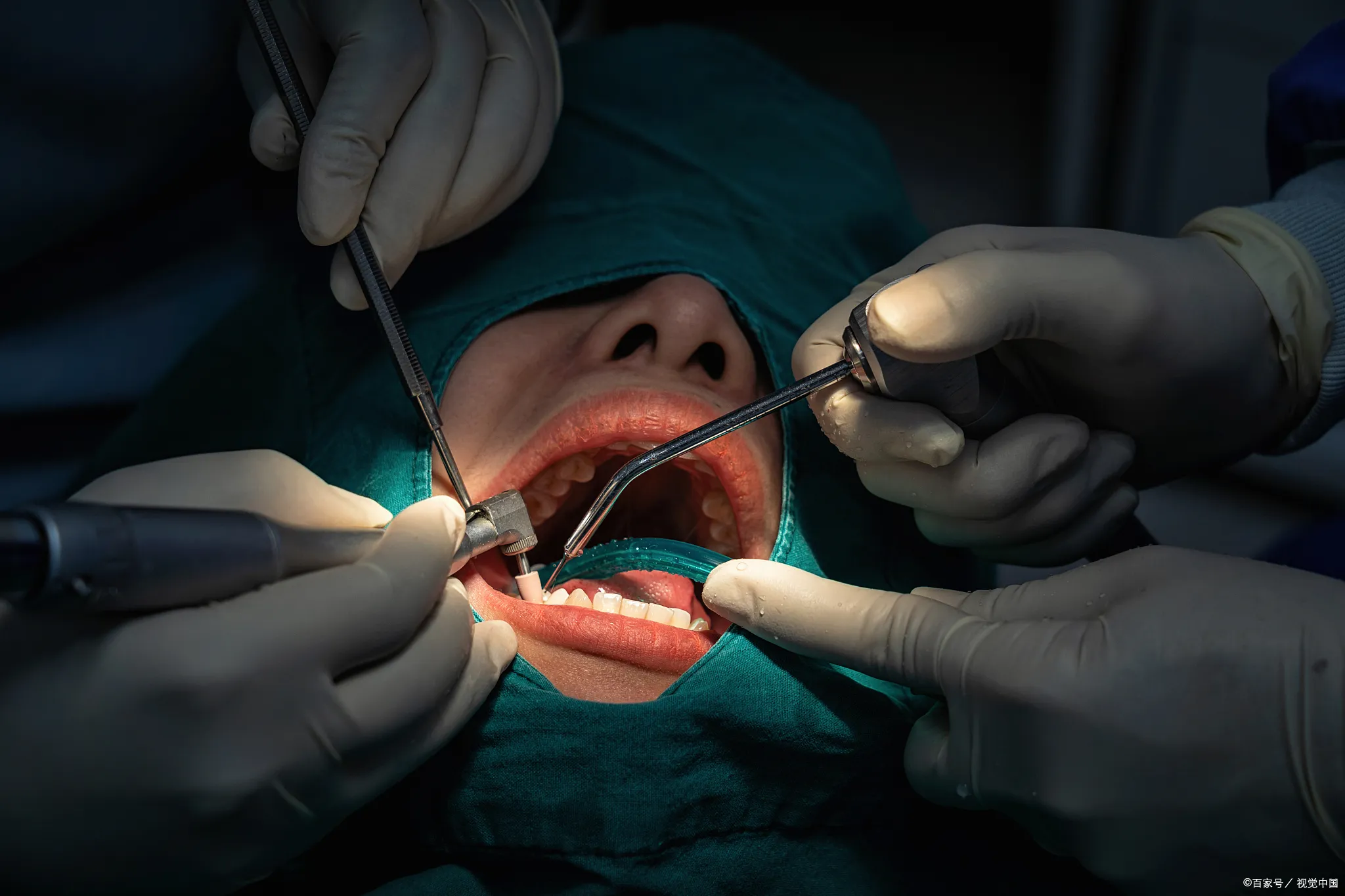
Thailand Tooth Extraction Procedures With Skilled Dental Professionals
Thailand Tooth Extraction Procedures With Skilled Dental Professionals
If you’re in Bangkok, Chiang Mai, Phuket, or any city upcountry and a tooth is giving you grief, Thailand is a reassuring place to get it sorted. Dental clinics here combine skilled dental professionals, international-standard infection control, and friendly service, all at transparent prices. Whether it’s a simple removal or a surgical wisdom tooth extraction, the process is straightforward, with clear steps and comfortable care.
What to expect at a dental clinic in Thailand
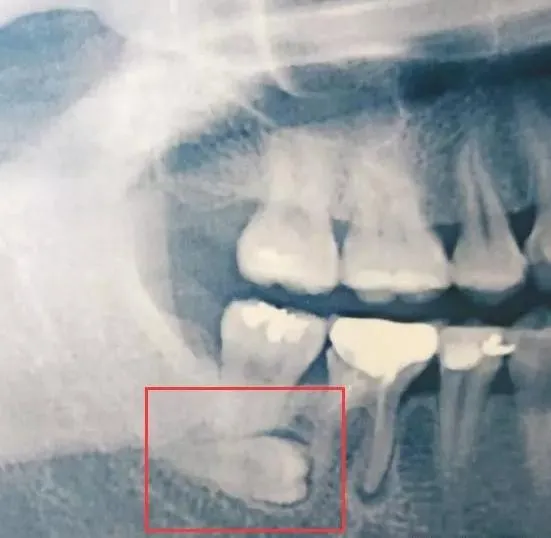
Most clinics welcome walk-ins, though booking ahead (often via phone, website, or LINE) helps you avoid a long queue. On arrival, you’ll fill out a brief medical history and share any medications you’re taking. The dentist will examine your mouth and usually order an X-ray to see the roots, bone level, and any sinus or nerve proximity. You’ll get a clear treatment plan, a cost estimate in baht, and options for pain control. English-speaking staff are common in city clinics, especially those that see expats and international patients.
Simple vs surgical extraction
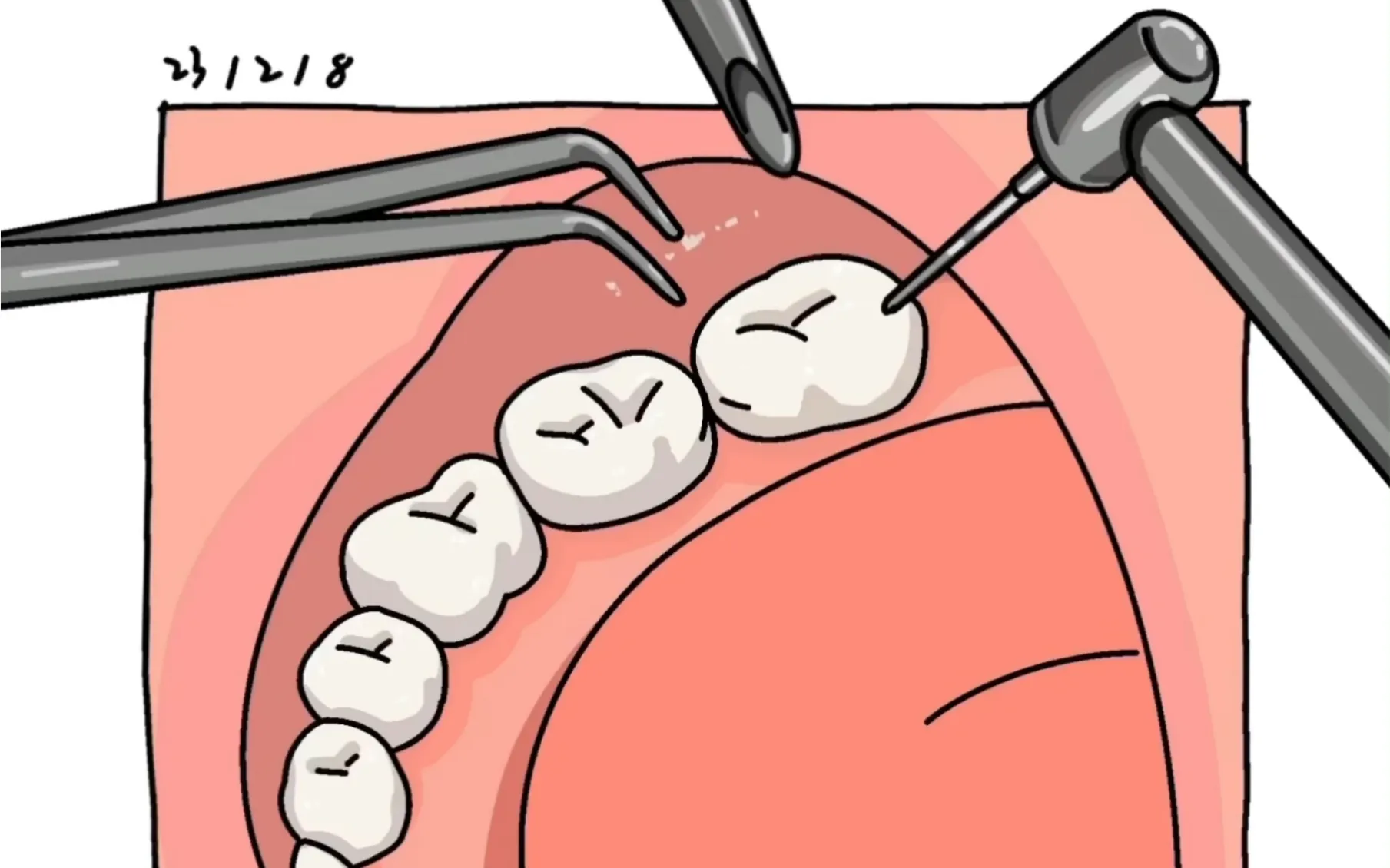
- Simple extraction: The tooth is visible and mobile enough to remove without cutting the gum. This is common for loose or decayed teeth and many non-impacted molars.
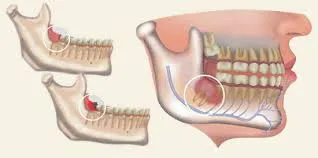
- Surgical extraction: Needed for broken, buried, or impacted teeth, especially wisdom teeth. The dentist or oral surgeon may open the gum and sometimes remove a small amount of bone. Stitches may be placed.
In Thailand, general dentists handle many simple extractions. For complicated cases—impacted wisdom teeth, unusual root shapes, or medical conditions—an oral and maxillofacial surgeon is usually recommended.
Pain management and safety standards
Local anaesthetic is the standard, numbing only the area being treated. You’ll feel pressure but not pain. For very anxious patients, some hospitals and larger clinics can offer nitrous oxide (laughing gas) or IV sedation under a specialist’s supervision. Thailand’s better-known clinics follow strict sterilisation protocols: single-use needles, sealed instrument packs, autoclaves, and full PPE. Don’t be shy to ask about their sterilisation process—good clinics will explain it clearly.
Step-by-step: how the procedure runs
1) Numbing: The dentist applies a topical gel and gives a small injection. After 3–5 minutes, your lip, cheek, or tongue feels numb.
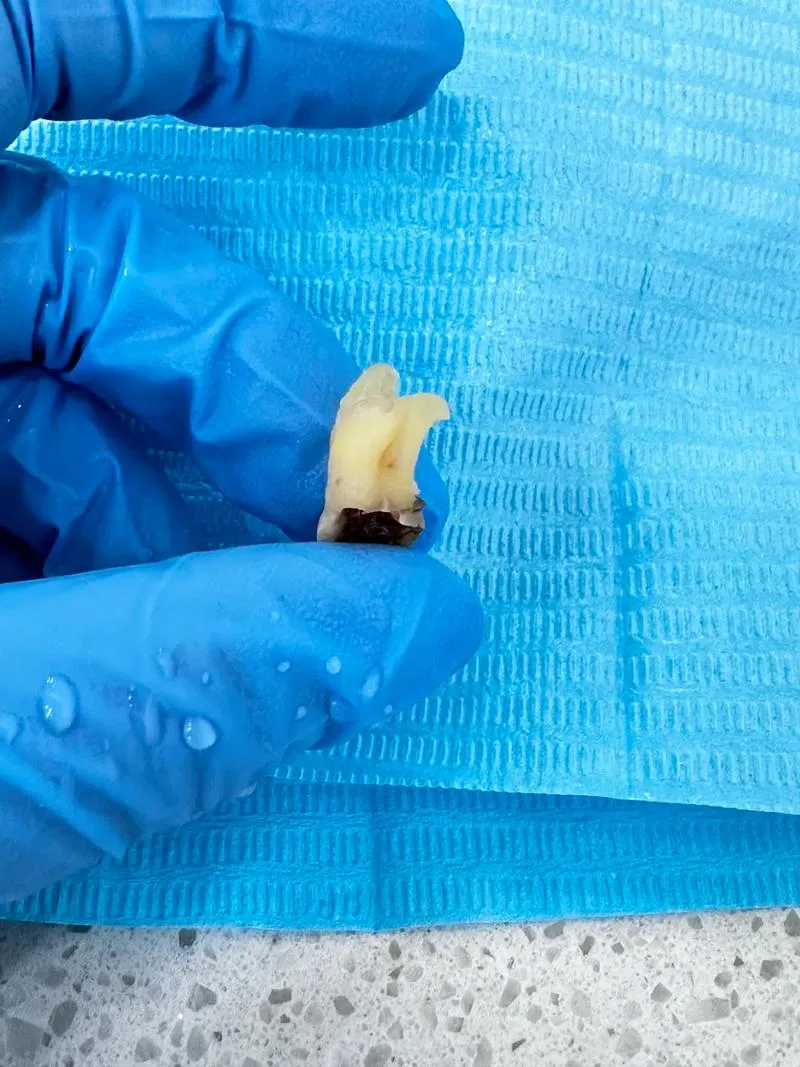
2) Loosening and removal: For simple cases, the tooth is gently loosened and lifted out. For surgical cases, a small incision may be made; the tooth can be sectioned into pieces to minimise stress on bone and nearby teeth.
3) Cleaning and sutures: The socket is irrigated. If needed, stitches are placed; most often they are dissolvable.
4) Bite on gauze: You’ll bite a gauze pad for 30–60 minutes to help stop bleeding.
5) Instructions and medicines: You’ll receive aftercare guidelines and, if appropriate, a prescription for pain relief and sometimes antibiotics. Many clinics keep basic medicines on-site, so you can pick them up before you go.
Recovery and aftercare
The first 24 hours are key. Change your gauze as instructed and keep your head slightly elevated when you rest. Use a cold compress on the cheek in short intervals to control swelling. Avoid vigorous rinsing, hot drinks, alcohol, and smoking for at least 24–48 hours, as they can dislodge the blood clot and lead to dry socket. Skip straws and avoid hard or spicy food for a day or two—soft, lukewarm dishes are
kinder while the gum heals. From the next day, gently rinse with warm salt water unless the dentist advises otherwise. Take any prescribed pain relievers as directed; don’t self-medicate beyond the instructions. Most people feel much better within 2–3 days after a simple extraction and 3–7 days after a surgical one.
Call the clinic if bleeding persists beyond 24 hours, pain intensifies after the second day, or you develop fever, pus, or increasing facial swelling. Thai clinics are good with follow-up and will usually fit you in quickly if there’s any issue.
Costs and value for money
Prices vary by city, clinic setting, and complexity, but Thailand remains excellent value:
- Simple extraction: roughly 800–2,500 baht in many private clinics
- Surgical extraction: roughly 3,000–8,000 baht
- Impacted wisdom tooth removal: often 4,000–12,000 baht, depending on difficulty and whether a specialist is involved
Private hospitals and premium clinics can be higher. You’ll typically see the fee before treatment; transparent price lists are common. Payment by cash, credit card, and QR PromptPay is widely accepted.
Choosing the right dental professional
Look for a licensed dentist registered with the Dental Council of Thailand. For complex cases, ask if the clinician is an oral and maxillofacial surgeon. A good clinic will:
- Provide a proper consultation with X-rays before any extraction
- Explain risks, alternatives, and costs clearly
- Show strong sterilisation standards
- Offer English-speaking support if you need it
- Schedule follow-up for suture removal (if non-dissolving stitches) and check healing
Convenience matters too—clinics near BTS/MRT in Bangkok or central sois in Chiang Mai and Phuket make transport easy, and many keep evening or weekend hours. If you need a medical certificate for work leave, just ask; most clinics can issue it.
For travellers and expats
Dental tourism is well established here. If you’re visiting, bring your passport and any relevant medical notes. If flying soon, try to leave at least 24 hours after a simple extraction and 48–72 hours after a surgical one to reduce discomfort from pressure changes. Plan light meals and rest on the day of treatment. If you’ve got a tight itinerary, tell the clinic—they can often arrange same-day consultation and treatment when appropriate.
Common questions
Will it hurt? With good local anaesthesia, you’ll feel pressure but not sharp pain. The dentist will check your comfort before proceeding and can top up anaesthetic as needed.
How long does it take? A simple extraction can be done in 15–30 minutes; surgical cases may take 45–90 minutes depending on complexity.
Is antibiotic always required? Not always. Your dentist will prescribe based on your case and medical history.
Can I remove multiple teeth at once? Often yes, but the dentist will consider your overall health, healing, and comfort.
Why Thailand stands out
Thailand’s dental professionals train rigorously and many have international experience. Clinics are modern, the service is warm, and costs are sensible. From a quick molar pull to a careful wisdom tooth surgery, the focus is on comfort, safety, and clear communication.
If you’re weighing up a tooth extraction in Thailand, start with a consultation. Ask your questions, review the X-ray together, and get a feel for the clinic’s approach. With skilled hands and dependable aftercare, you can expect a smooth procedure and a quick return to your normal routine.