Thailand Tooth Extraction Care Using Advanced Dental Technology
Thailand Tooth Extraction Care Using Advanced Dental Technology
Thailand Tooth Extraction Care Using Advanced Dental Technology
Thinking about getting a tooth extracted in Thailand? You’re in good hands. Clinics across Bangkok, Chiang Mai, Phuket, and beyond combine service-minded care with modern dental technology, making the whole experience smoother, faster, and more comfortable. Here’s a clear guide to what you can expect before, during, and after your extraction, plus practical tips for both residents and visitors.
Why Thailand is a smart choice for tooth extraction
- Friendly, English-speaking teams with a strong service mind and clear communication
- Transparent pricing and treatment plans, usually shared upfront
- Modern equipment and strict sterilisation protocols that match international standards
- Flexible scheduling, including same-day appointments and weekend clinics in many areas
Advanced technology that makes extractions easier
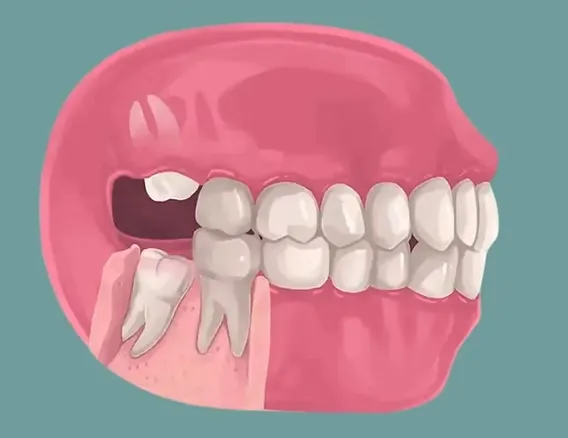
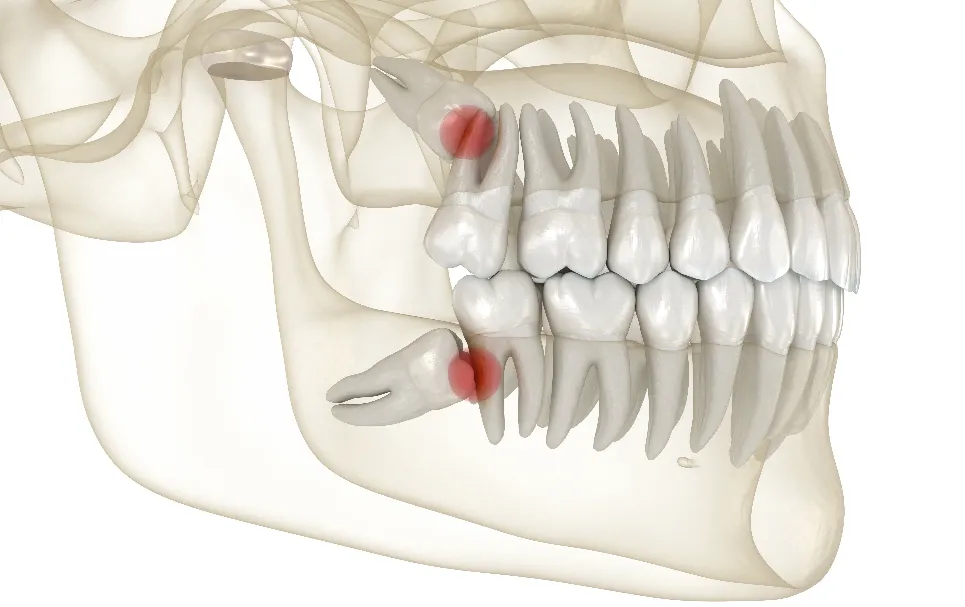
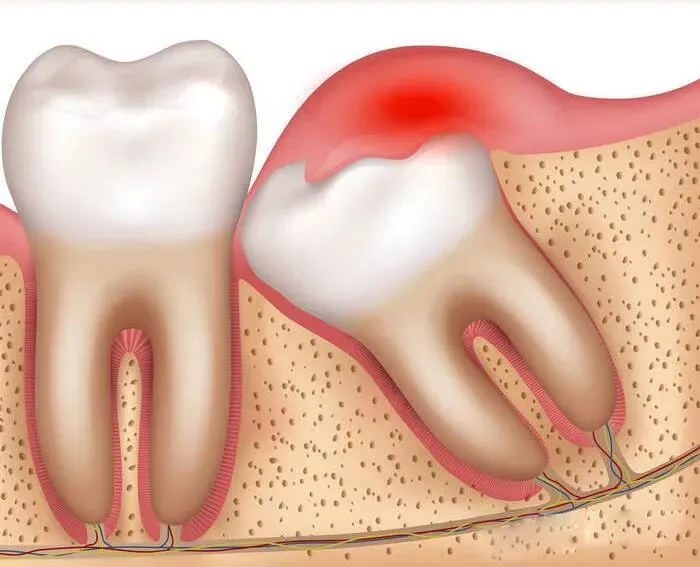
- Digital X-rays and CBCT 3D scans: Dentists use detailed imaging to see root shapes, nerve positions, and bone levels. This reduces guesswork and helps plan a gentler extraction, especially for impacted wisdom teeth.
- Atraumatic instruments and piezoelectric surgery: Fine instruments and ultrasonic devices can separate the tooth from the bone with less force, helping to preserve bone and reduce post-op swelling.
- Laser-assisted care: Dental lasers can help with precise soft-tissue management, sterilising the area and supporting faster healing in suitable cases.
- PRF (platelet-rich fibrin): Some clinics can prepare a small concentrate from your own blood to place in the socket. This can support healing and reduce the risk of dry socket.
- Sedation options: Beyond local anaesthetic, many clinics offer nitrous oxide (laughing gas) or IV sedation with a trained anaesthetist, ideal if you feel nervous or have a complex case.
Your pre-extraction checklist
- Medical history: Inform your dentist about medications (especially blood thinners), allergies, and conditions like diabetes or hypertension.
- Recent travel plans: If you’re flying soon, let the clinic know. For simple extractions, 24–48 hours is usually fine before air travel; for surgical wisdom teeth, plan 5–7 days if you can.
- Expectations: Ask about imaging, the technique your doctor will use, estimated downtime, cost in Thai baht, and whether stitches are dissolvable.
What happens on the day
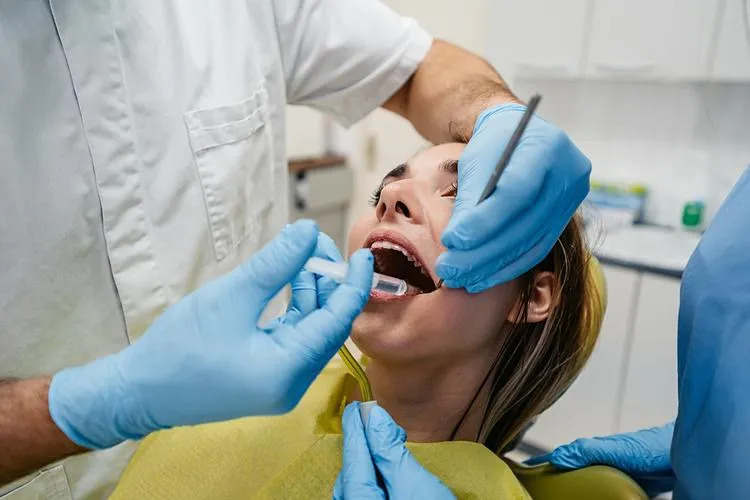
1) Numbing and comfort: After local anaesthetic, your dentist will test to ensure you are fully numb. If you opted for sedation, monitoring will be in place for safety.
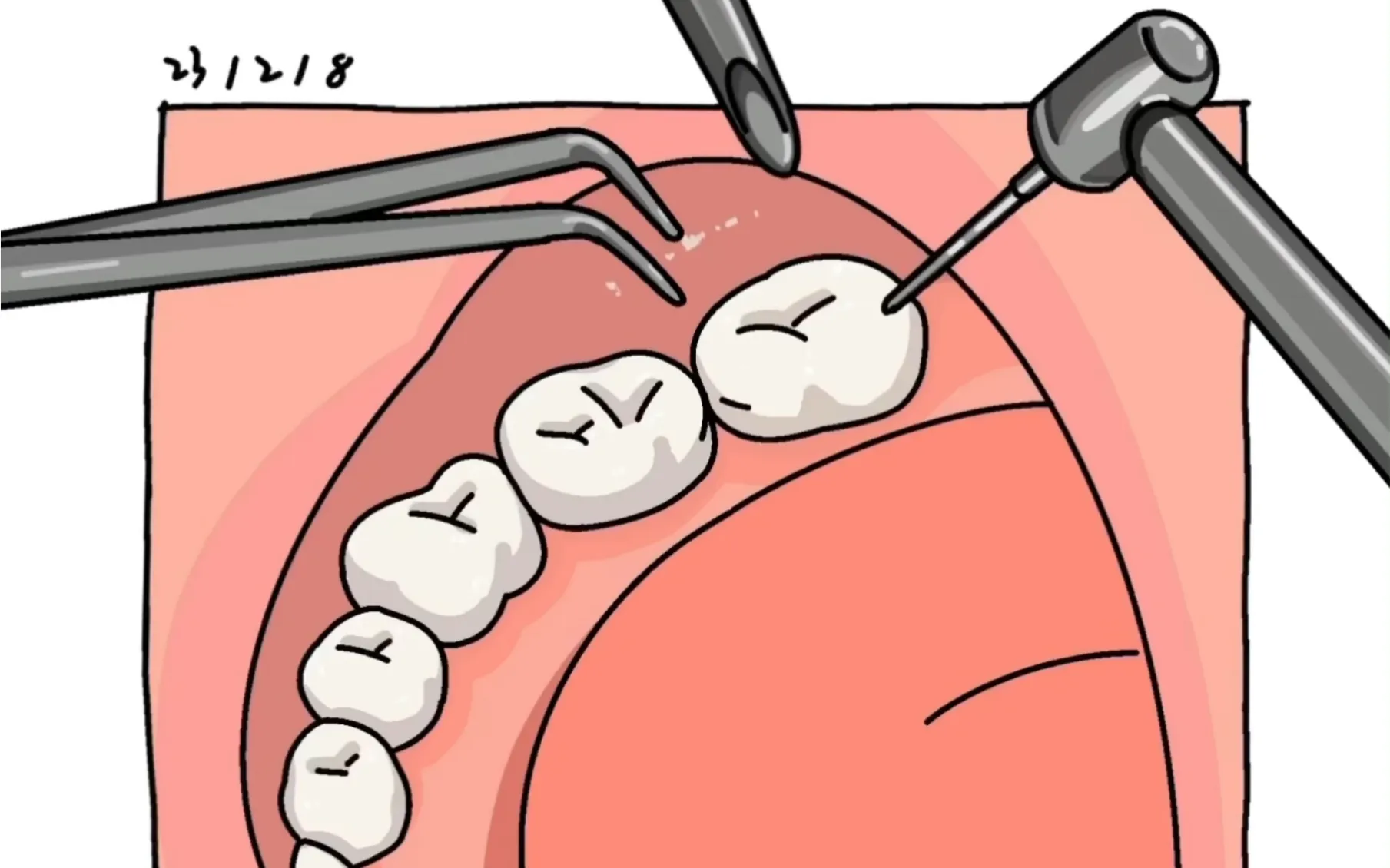
2) Gentle removal: With modern tools, many extractions feel like pressure rather than pain. For surgical cases, a small flap may be made to access the tooth.
3) Infection control: Clinics follow strict sterilisation, using autoclaved instruments and disposable barriers. This is standard practice in reputable Thai clinics.
4) Socket care and sutures: The dentist will clean the area, place PRF if selected, and add stitches when needed. You’ll get a gauze pad to bite on to control bleeding.
5) Clear instructions: Expect a printed or WhatsApp/LINE message with aftercare steps, medication guidance, and a direct contact for any concerns.
Aftercare made simple
First 24 hours:
- Bite on gauze as advised; light oozing is normal. If it soaks through, replace with fresh gauze and bite firmly for 30 minutes.
- Avoid vigorous rinsing, spitting, or drinking through a straw. These can dislodge the c
lot and lead to dry socket.
- No smoking or alcohol. If you smoke, delay at least 72 hours and discuss nicotine alternatives with your dentist.
- Ice pack on the outside cheek: 15 minutes on, 15 minutes off, for the first few hours to reduce swelling.
- Take prescribed pain relief as directed. Paracetamol or ibuprofen is commonly recommended; avoid aspirin due to bleeding risk.
- Eat soft, cool foods: rice porridge (jok), yoghurt, scrambled eggs, mashed potatoes. No very hot soup or spicy dishes on day one.
Day 2 to Day 3:
- Start gentle warm salt-water rinses after meals (1/2 teaspoon salt in a cup of warm water), unless told otherwise.
- Continue soft foods; chew on the opposite side. Consider smoothies without using a straw, soft rice, tofu, ripe banana.
- Mild swelling and stiffness are common; it usually peaks at 48 hours, then improves.
- Keep the area clean with careful brushing around the site. If given a chlorhexidine rinse, use as prescribed.
Day 4 to Day 7:
- Most people feel much better. Return to normal foods gradually, still avoiding hard or crunchy bits near the site.
- If you have non-dissolving stitches, your clinic will schedule removal. Dissolving sutures usually disappear on their own in 1–2 weeks.
When to call the clinic
- Heavy bleeding that doesn’t slow down after 2–3 hours of firm gauze pressure
- Severe pain starting on day 2 or 3, bad taste or odour, or pain radiating to the ear (possible dry socket)
- Fever over 38°C, increasing facial swelling, or pus
- Numbness that persists beyond the expected time or any difficulty opening your mouth
- Any reaction to medication
How long will recovery take?
- Simple extraction: Most people are back to normal in 1–3 days.
- Surgical wisdom tooth removal: Swelling and tightness may last 3–5 days, with steady improvement after that.
- Sports and activities: Light walking is fine the next day. Avoid intense gym sessions, Muay Thai, or diving for a few days after a simple extraction and at least a week after surgical removal.
Costs and practical notes
- Ballpark fees: Simple extractions often range from 1,000–3,000 THB; surgical wisdom teeth can range from 5,000–15,000 THB per tooth depending on complexity. Sedation and imaging are additional.
- Payment and claims: Most clinics accept credit cards and can provide itemised receipts for insurance. If you need a medical certificate for work, ask during your visit.
- Appointments: High-demand clinics in city centres can fill up quickly, especially before public holidays. Booking ahead through phone or LINE is recommended.
Travel tips for dental visitors
- Plan a rest day after your procedure. Avoid same-day long tours or island-hopping immediately after surgical extractions.
- If you’re here for dental tourism, consider scheduling a consultation first, with imaging and extraction on a separate day if the case looks complex.
- Choose a clinic with clear English communication, modern imaging on site, and a written treatment plan. Reviews and word-of-mouth in Thailand are very helpful.
Final reassurance
Tooth extraction doesn’t have to be stressful. With Thailand’s advanced dental technology, warm bedside manner, and straightforward aftercare, most patients find the process easier than expected. Follow your dentist’s instructions closely, keep things clean and gentle for the first few days, and you’ll be back to normal in no time. No worries—you’ll be well looked after.