Thailand Tooth Extraction Services With Professional Recovery Advice
Thailand Tooth Extraction Services With Professional Recovery Advice
Thailand Tooth Extraction Services With Professional Recovery Advice
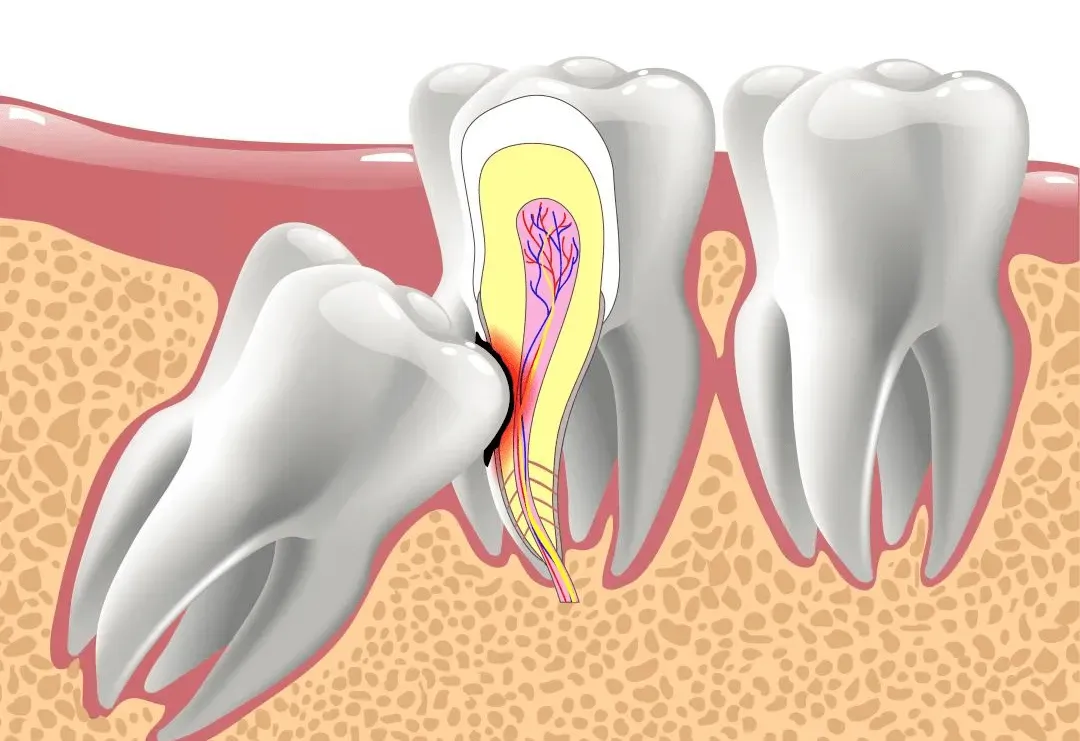
Thinking about getting a tooth removed in Thailand? Whether you live here full time or you’re visiting Bangkok, Chiang Mai, Phuket, or Pattaya, Thailand’s dental clinics offer modern equipment, experienced dentists, and fair prices. From simple extractions to surgical wisdom tooth removal, you’ll find English-speaking teams, clear explanations, and convenient bookings via phone, Line, or Facebook. Below is a practical guide to how tooth extraction services work here and a professional recovery plan you can actually follow.
Why Thailand is a great place for tooth extraction
- High standards: Many clinics follow hospital-grade sterilization and use digital X-rays or 3D CBCT when needed.
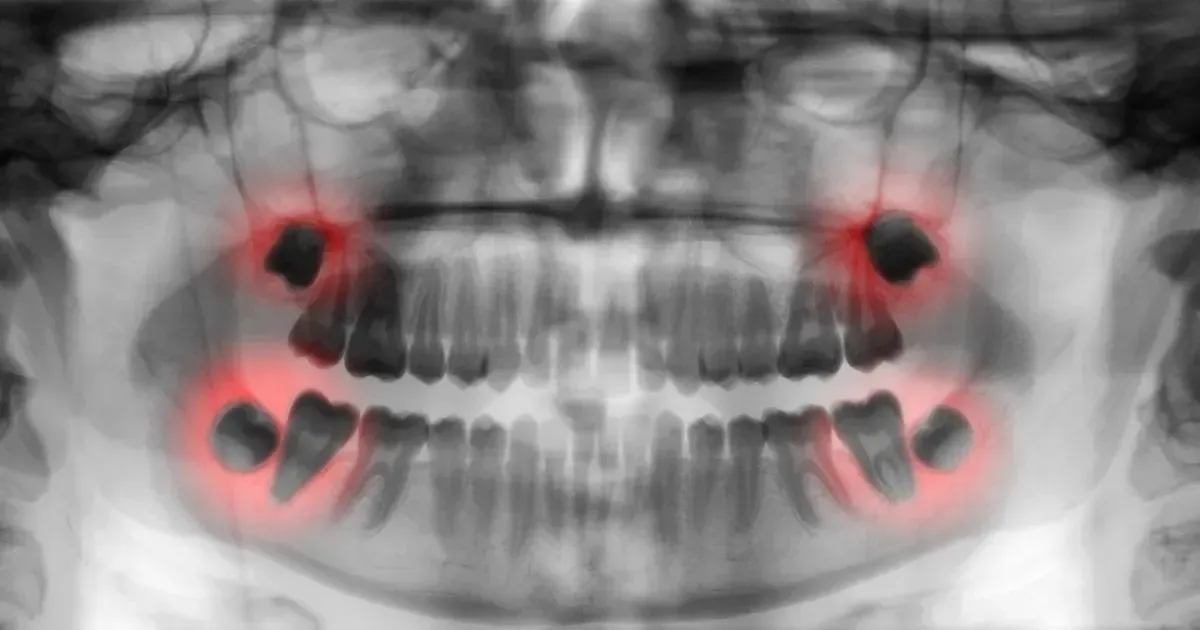
- Qualified dentists: Oral and maxillofacial surgeons handle complex cases like impacted wisdom teeth.
- Easy access: Clinics are often near BTS/MRT in Bangkok or central areas upcountry, with evening and weekend hours.
- Friendly service: English-speaking staff are common in city clinics, and you’ll receive printed aftercare instructions.
- Transparent pricing: Most clinics quote before treatment. Payment via cash, card, or QR PromptPay is widely accepted.
How to choose the right clinic
- Check credentials: Dentists should be registered with the Dental Council of Thailand. For difficult extractions, ask for an oral surgeon.
- Facilities: Look for on-site X-ray, visible sterilization protocols, and clear consent forms in English.
- Communication: Make sure the dentist explains treatment options, risks, and aftercare in a way you understand.
- Location and access: Near BTS/MRT or easy parking can make follow-ups stress-free.
- Reviews and referrals: Look at recent feedback from expats and locals; consistency matters more than one-off comments.
- Sedation options: If you’re anxious, ask about sedation. IV sedation is usually done in a hospital setting for safety.
What it typically costs (guide only; varies by city and complexity)
- Simple extraction: roughly 1,000–3,000 THB in private clinics; government hospitals can be lower but may have longer queues.
- Surgical/impacted wisdom tooth: commonly 5,000–15,000 THB per tooth, depending on position and difficulty.
- Sedation or general anesthesia: extra and usually hospital-based. Always request a written estimate before you proceed.
What to expect on the day
- Registration: Bring your passport or Thai ID. You’ll complete a medical history form and have your blood pressure checked.
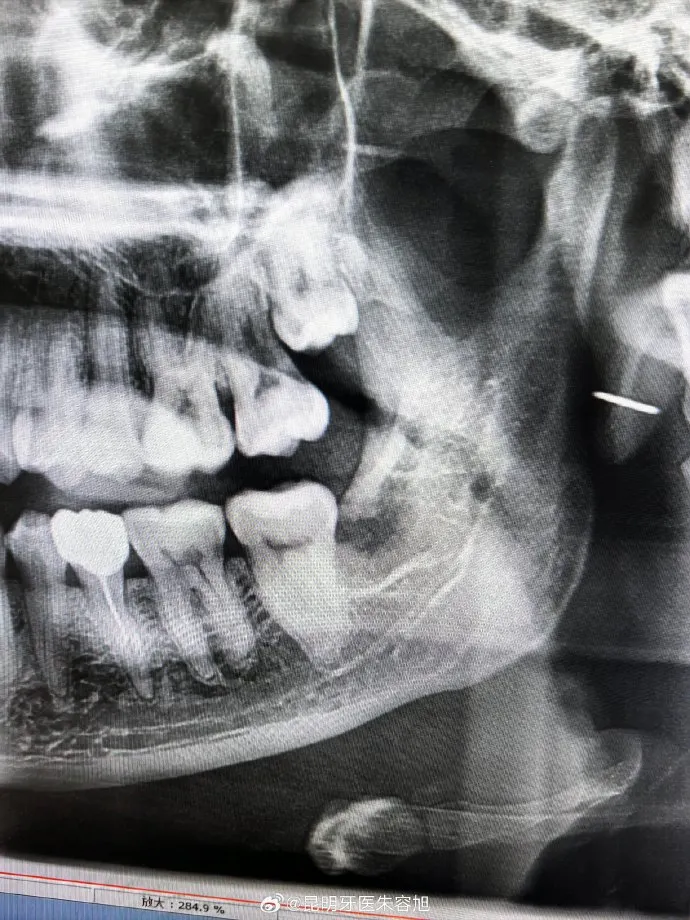
- Imaging and exam: The dentist will review your X-ray, discuss the plan, and answer questions.
- Numbing: A topical gel followed by local anesthetic means you’ll feel pressure, not pain.
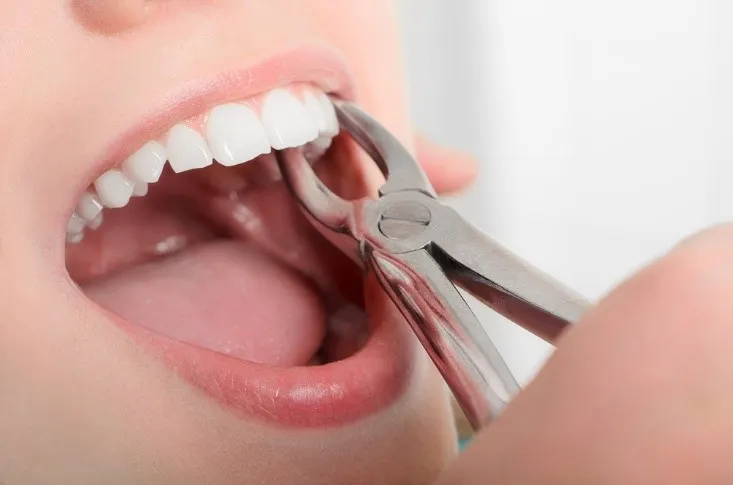
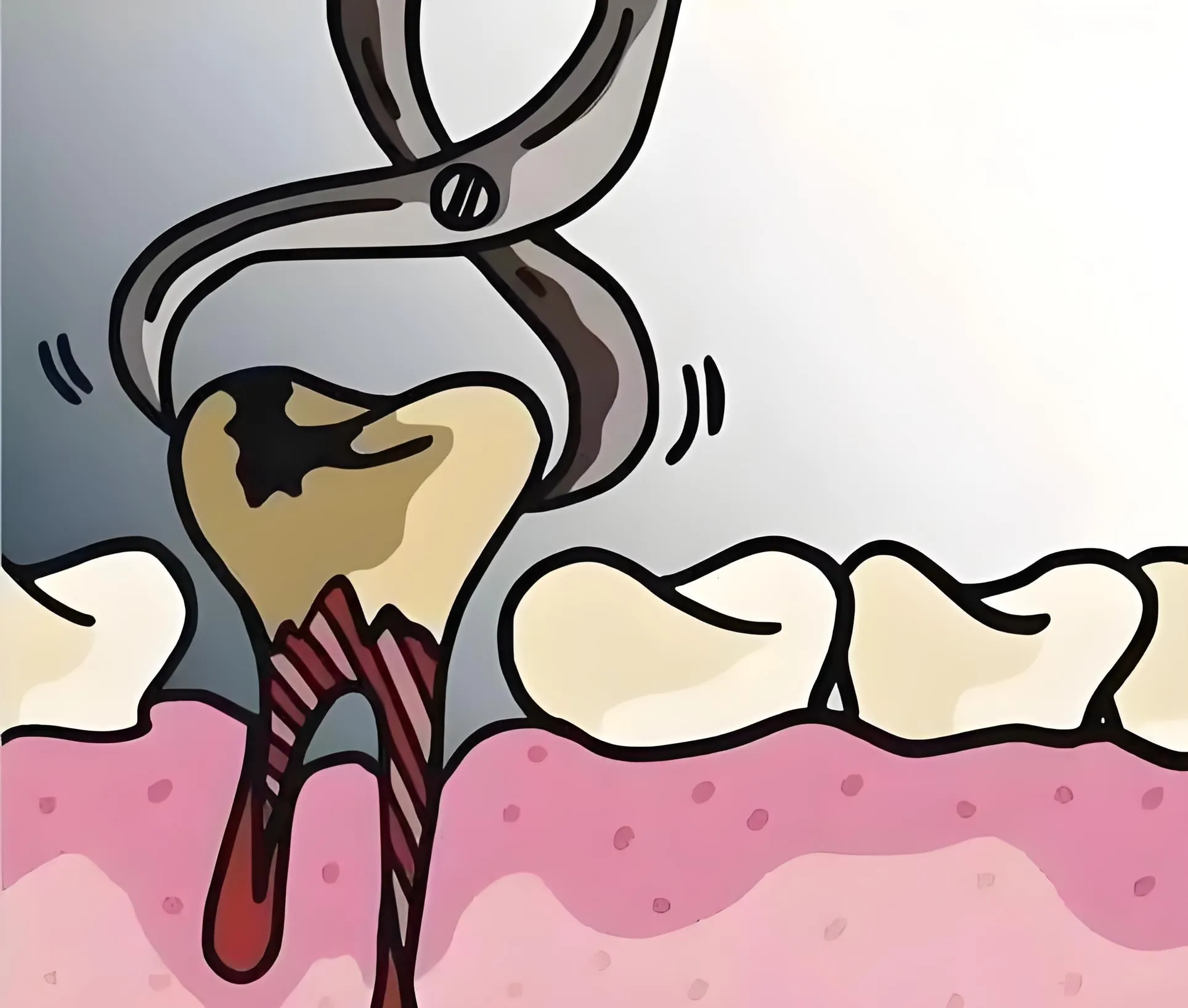
- Removal: Simple extractions can be done in minutes. Surgical ones may need a small incision and stitches.
- Aftercare: You’ll get gauze, prescriptions if indicated, and written instructions in English/Thai. Many clinics dispense medicine on-site.
Professional recovery advice you can trust
The first hour
- Bite firmly on the gauze for 30–60 minutes to help the blood clot form. Change gauze if slow oozing continues.
- Do not rinse, spit, or use a straw. Avoid hot drinks. Wait until numbness wears off before eating to avoid biting your cheek or tongue.
The first 24 hours
- Rest with your head slightly elevated. Take the pain medicine your dentist recommended on schedule.
- Apply a cold pack on the cheek 15 minutes on, 15 minutes off for the first 6–8 hours t
o control swelling.
- No smoking, vaping, or alcohol. These slow healing and increase the chance of dry socket.
- Expect mild oozing; it should gradually reduce. If bleeding feels heavy, bite on fresh gauze or a moistened tea bag for 20–30 minutes and keep your head up.
From 24 to 72 hours
- Start gentle warm saltwater rinses after meals (½ teaspoon of salt in a cup of warm water). Do not swish forcefully.
- Keep brushing the other teeth as normal; avoid brushing directly on the socket for a few days.
- Eat soft, cool or lukewarm foods. Thai-friendly ideas: jok (rice porridge), khao tom (boiled rice soup), soft omelette, silken tofu, yoghurt, ripe banana, steamed fish. Avoid sticky rice, crispy pork, nuts, spicy som tam, and very hot soup.
- Stay hydrated, but still no straws. Light activities are fine; avoid heavy exercise for 48–72 hours.
From day 3 onwards
- Swelling usually peaks around day 2–3 and then subsides. Switch to warm compresses if your dentist advised.
- Keep up saltwater rinses after meals for a week.
- If you received stitches, ask if they’re absorbable (often dissolve in 7–10 days) or if you need a removal visit.
Important do’s and don’ts
- Do: Sleep with an extra pillow the first couple of nights. Take medicine exactly as prescribed. Eat on the opposite side at first.
- Don’t: Poke the area with your tongue or fingers. Blow your nose hard if you had an upper molar removed. Dive or fly immediately after surgical extractions without clearance.
Dry socket prevention and red flags
- Prevention: No smoking, no suction (straws), gentle cleaning, and follow your dentist’s instructions. Keeping the clot in place is key.
- Possible dry socket signs: Pain increasing again on day 3–5, bad taste or odor, pain radiating to the ear or temple.
- Infection or other concerns: Fever, swelling that gets worse after day 3, pus, numbness that doesn’t improve after 24 hours, or bleeding that doesn’t slow after a few hours. If any of these happen, contact the clinic promptly—no worries, they’re used to quick reviews and can place dressings or adjust treatment.
Planning around travel and activities
- Flying: After a routine extraction, many people fly after 24–48 hours. For surgical wisdom teeth or any sinus involvement, ask your dentist for a safe timeframe.
- Diving and trekking: Avoid diving for at least a week or until cleared. Skip strenuous hikes for a few days to minimize bleeding risk.
- Spicy food and alcohol: Best to wait 48–72 hours; alcohol may also interact with antibiotics.
A few Thailand-specific tips
- Booking: Many clinics accept appointments via Line and reply quickly during business hours. Walk-ins are possible, but a booking helps you avoid queues.
- Timing: Private clinics often open late; government hospitals can be busy early morning—take a queue number and bring something to read.
- Documents and payment: Bring your passport for registration. Payment is straightforward with cash, card, or QR. If you have travel insurance, check if direct billing is available at larger hospitals.
Final word
Tooth extraction in Thailand is straightforward, professional, and convenient when you choose a reputable clinic and follow solid aftercare. Take it easy for a couple of days, stick to soft Thai comfort foods like jok and khao tom, and keep the area clean without disturbing the healing clot. With the right preparation and these recovery tips, most people are back to normal routines quickly—and smiling again.