Thailand Tooth Extraction Care for Short Stay Medical Travelers
Thailand Tooth Extraction Care for Short Stay Medical Travelers
Thailand Tooth Extraction Care for Short Stay Medical Travelers
Thinking of getting a troublesome tooth pulled while you’re in Thailand for a quick trip? Good choice. Thailand’s dental care is known for skilled dentists, modern equipment, and friendly “sabai sabai” service, often at a fraction of the price you’d pay back home. If you’re on a short stay—maybe a Bangkok stopover or a few days in Chiang Mai—this guide will help you plan before, during, and after your tooth extraction so you can recover smoothly and still enjoy your trip.
Why Thailand for a tooth extraction
- High standards: Many clinics use digital X-rays, strict sterilization, and clear treatment plans. Look for dentists registered with the Dental Council of Thailand. Larger hospitals may have JCI accreditation.
- Easy access: Dental clinics are everywhere—near BTS/MRT in Bangkok, around Nimman in Chiang Mai, and in Phuket’s main areas. Many accept walk-ins, but it’s best to book.
- Fair prices: Expect roughly THB 1,500–5,000 for a simple extraction and THB 5,000–12,000+ for surgical or wisdom teeth, depending on complexity and location. Always request a quote before treatment.
Plan your timing
- Schedule early in your trip: Have the extraction within the first one or two days. This gives you time for a follow-up if needed.
- Flying: If possible, avoid flying for 24–48 hours after extraction. For upper molars or if your dentist mentions sinus involvement, follow their specific advice—sometimes they’ll recommend longer.
- Activities: Save island hopping, Muay Thai classes, and late-night outings for after you’ve healed.
Booking and communication
- How to book: Most clinics accept reservations via phone, email, Line, or WhatsApp. English-speaking reception is common in tourist areas.
- What to ask: Confirm the dentist’s experience with extractions, the need for a panoramic X-ray, the total estimated fee, accepted payment methods (cash, card, or PromptPay QR), and clinic hours.
- Documents: Bring your passport, insurance details, and a medication list. If you’re on blood thinners or have medical conditions, inform the clinic beforehand.
At the clinic: what to expect
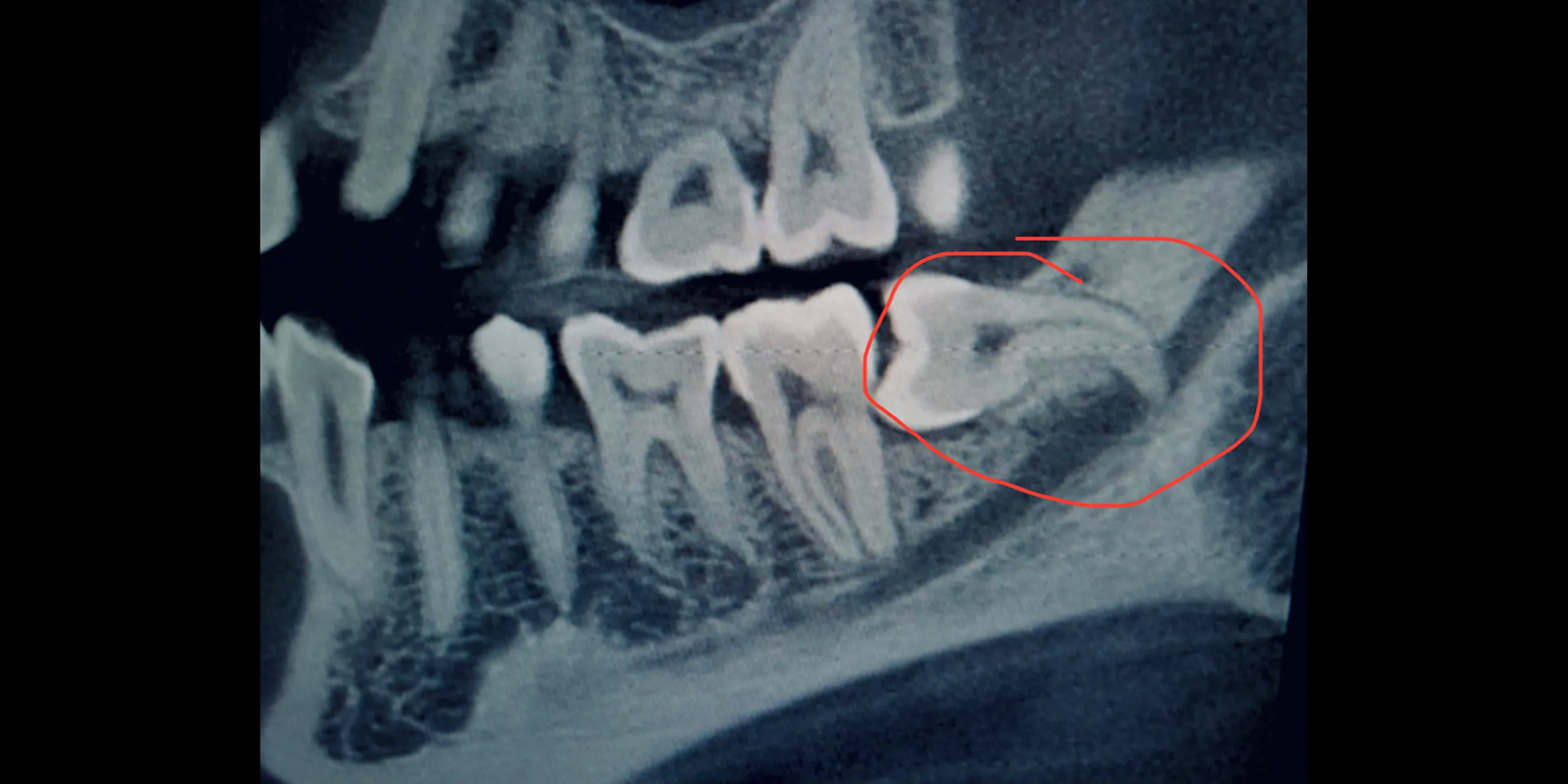
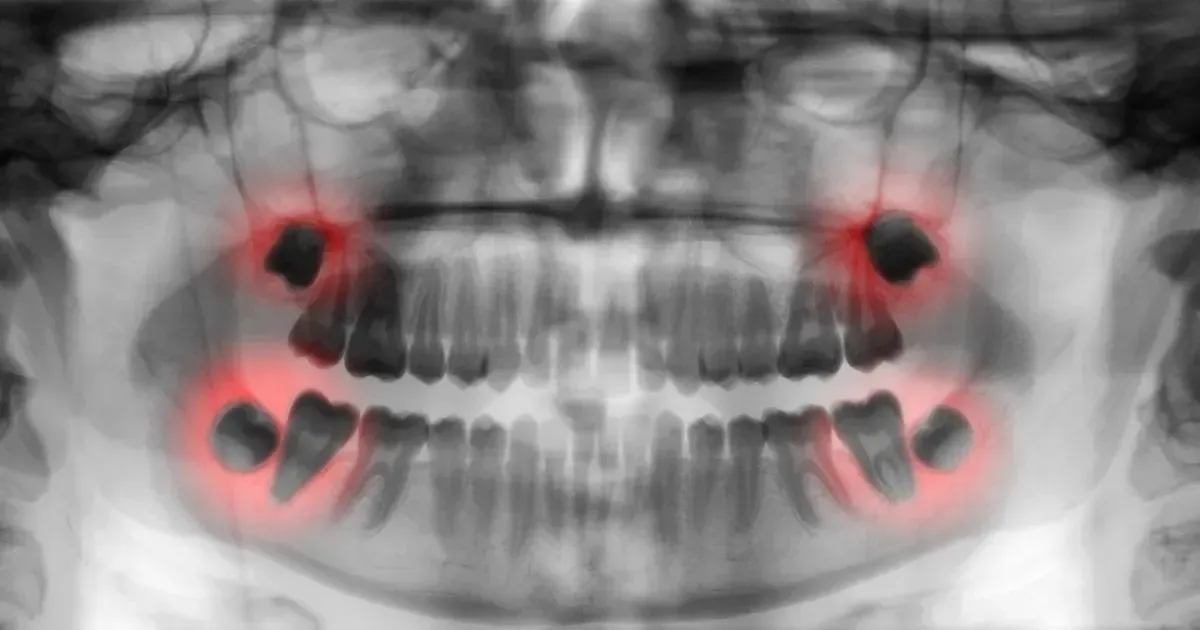
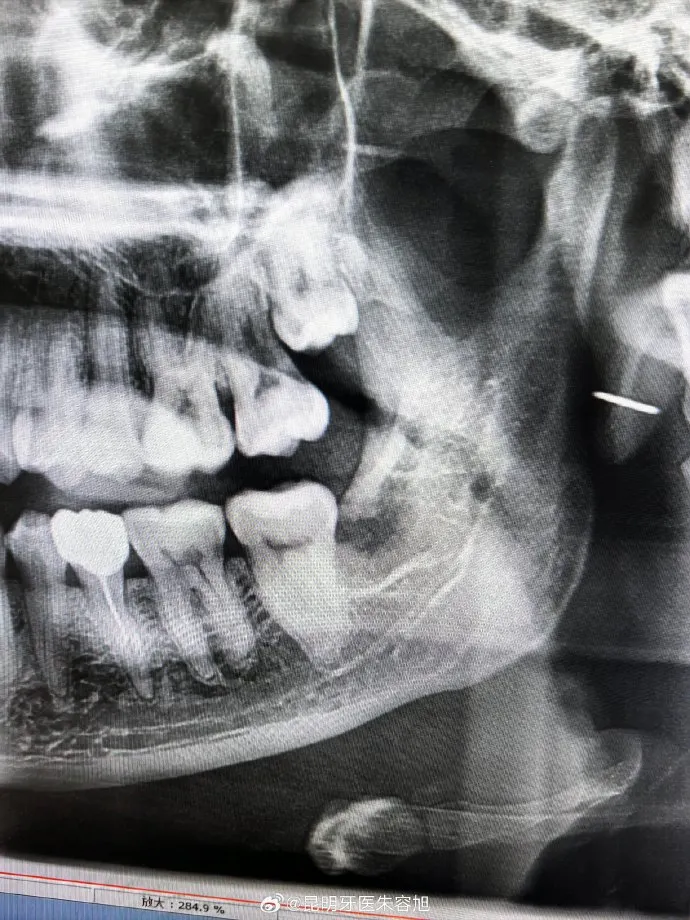
- Consultation and X-ray: The dentist will check your tooth and take an X-ray to plan a simple or surgical extraction.
- Anaesthesia: Local anaesthetic is standard. You’ll feel pressure but not pain. If you’re anxious, ask about mild sedation options—available at some clinics and hospitals.
- Aftercare pack: Most clinics give gauze and an aftercare sheet in English. The pharmacy may be downstairs—very convenient.
Pain control and medication
- Pain relief: Your dentist may recommend ibuprofen and/or paracetamol. Take them as directed. Don’t mix with alcohol.
- Antibiotics: Only if prescribed. Finish the full course.
- Mouthwash: Use alcohol-free mouthwash or warm salt-water rinses (start 24 hours after extraction).
Your first 72 hours: a simple routine
- First 1–2 hours: Bite firmly on the gauze to stop bleeding. Change it as instructed. A little oozing is normal.
- Swelling: Use an ice pack on and off (20 minutes each side) for the first day. Keep your head elevated when resting—two pillows is fine.
- Rinsing: Do not rinse or spit vigorously on day
one. From day two, gently rinse with warm salt water after meals.
- Eating: Choose soft, cool, and non-spicy foods. Avoid hot soup on day one as heat can increase bleeding.
- No straws, no smoking: Sucking, vaping, and smoking can cause dry socket. Avoid for at least 72 hours (longer is better).
- Alcohol: Skip for 24–72 hours, especially if you’re on painkillers or antibiotics.
What to eat in Thailand while you heal
- Good choices: Jok (rice porridge), soft khao tom (rice soup let cool), plain yoghurt, scrambled eggs, soft tofu, ripe banana, mashed pumpkin, smoothies by spoon, and coconut water.
- Things to avoid: Sticky rice (too chewy), crispy pork, fried chicken skin, nuts, seeds, ice cubes, and anything very spicy or sour like som tam or extra-hot tom yum during the first few days.
- Pro tip: Ask for “mai phet” (not spicy) and serve food warm, not hot.
Short-stay calendar
- Day 0 (procedure day): Rest at your hotel. Keep talking and chewing minimal. Use ice packs.
- Day 1: Mild swelling/bruise is okay. Start gentle salt-water rinses after meals. Short, light sightseeing is fine.
- Day 2–3: Most people feel much better. Soft foods still. If pain suddenly worsens on days 3–5, it may be dry socket—contact the clinic.
- Day 4–7: Gradually return to normal foods as comfortable. No high-intensity workouts or swimming until your dentist gives the green light (usually 3–5 days for swimming).
Getting around and where to stay
- Transport: Use BTS/MRT in Bangkok to avoid traffic, or Grab for door-to-door rides. After extraction, go straight back to your hotel—no need to wander the soi.
- Accommodation: Choose a place near the clinic with good air-con and lift access. A late checkout can be handy if your appointment is the same day as your departure.
Payment, receipts, and insurance
- Payment: Many clinics take cash, cards, and PromptPay QR. Ask if there’s a separate consultation or X-ray fee.
- Receipts: Request a detailed receipt and treatment notes for travel insurance claims. Keep digital copies.
- Insurance: Some policies cover emergency dental. Check your policy and call your insurer if you need pre-approval.
Red flags: when to call the clinic
- Continuous heavy bleeding that doesn’t slow after several hours of biting down on gauze
- Severe pain that peaks on day 3–5, bad taste or smell (possible dry socket)
- Fever, increasing facial swelling, or pus
- Numbness that does not improve after the anaesthetic should have worn off
- Difficulty swallowing or breathing
Most clinics will arrange a quick review. If it’s after hours, large hospitals have 24/7 emergency departments.
Local tips to make it easy
- Bring a small towel and reusable ice pack; the clinic may provide disposable ice but reusable is more comfortable.
- Use bottled water for salt rinses when travelling.
- Save the clinic’s number on Line for quick questions and photo updates.
- Keep activities “sabai sabai” for two to three days—no worries, Thailand isn’t going anywhere.
With smart timing, the right clinic, and simple aftercare, a tooth extraction in Thailand can be smooth, safe, and affordable—even on a short stay. Plan ahead, listen to your dentist, and you’ll be back to enjoying that holiday smile in no time.