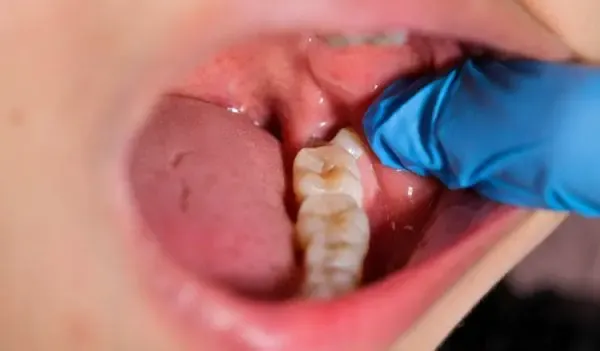
Thailand Tooth Extraction Treatment for Difficult Tooth Cases
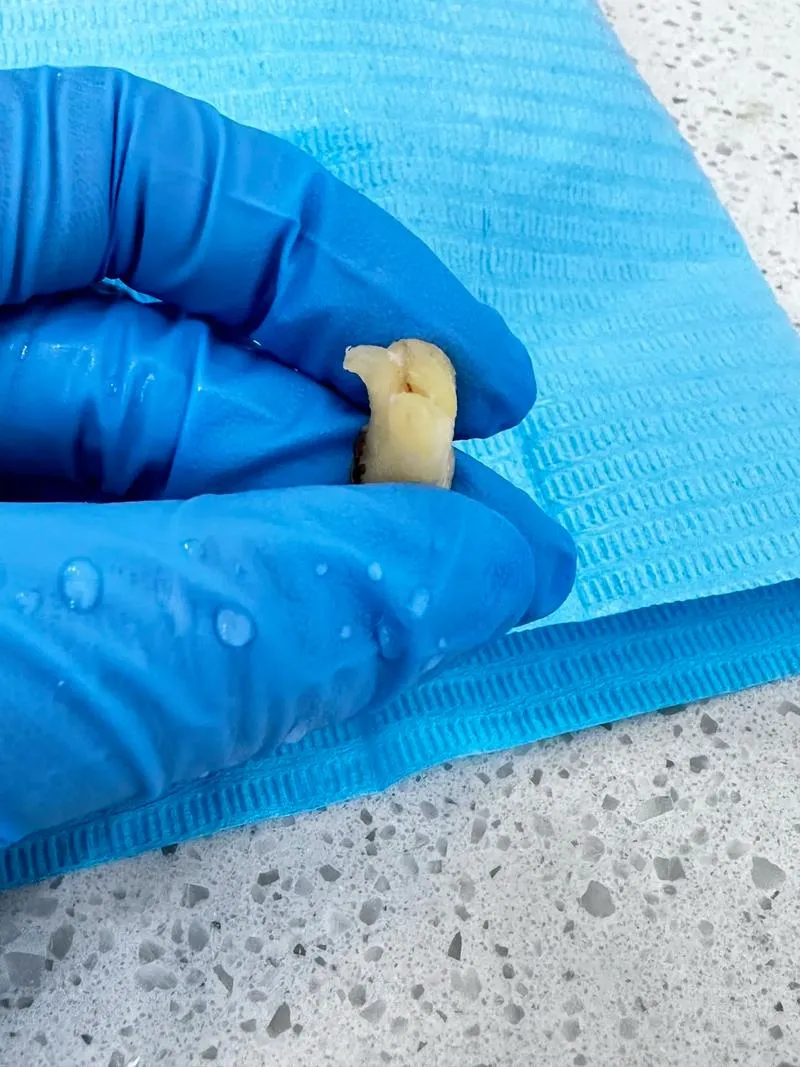
Thailand Tooth Extraction Treatment for Difficult Tooth Cases
Thailand Tooth Extraction Treatment for Difficult Tooth Cases
If you have a painful, stubborn tooth and you’re in Thailand, you’re in good hands. From Bangkok to Chiang Mai and Phuket, dental clinics and hospitals here handle difficult tooth extractions every day with modern equipment, careful technique, and friendly service. Whether you’re a local, an expat, or a traveller who needs urgent care, you’ll find that treatment is efficient, fairly priced, and delivered with that calm Thai “no worries” attitude.
What counts as a difficult tooth case?
Not every extraction is straightforward. You may need a surgical approach if you have:
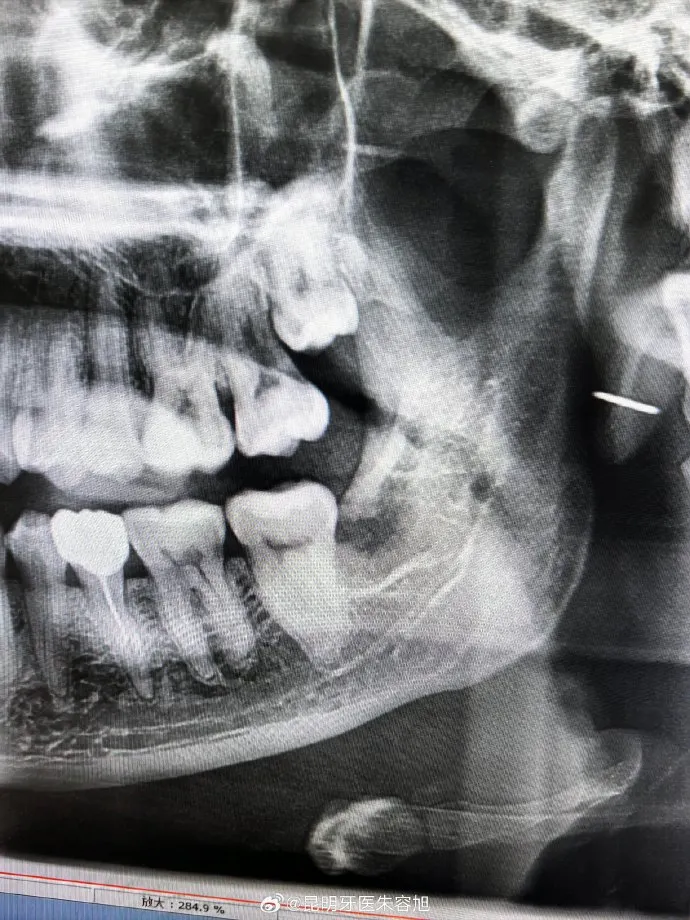
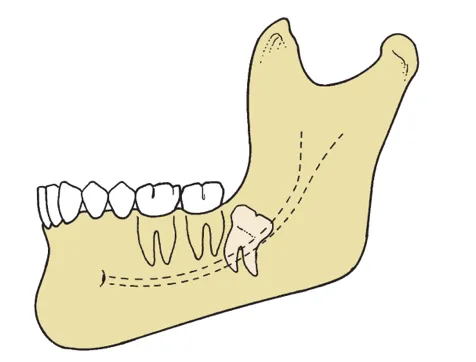
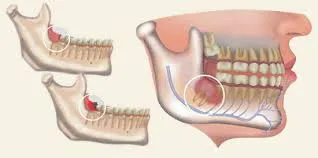
- Impacted wisdom teeth (stuck under the gum or bone)
- Broken or severely decayed teeth where the crown has collapsed
- Curved or brittle roots that resist normal elevation
- Ankylosed teeth (fused to bone)
- Upper molars close to the sinus, or lower molars near the nerve canal
- Previous failed extraction attempts
- Teeth in patients with complex medical conditions
In Thailand, these cases are usually managed by dentists with advanced training or oral and maxillofacial surgeons. Many clinics will tell you upfront if you need a specialist, saving you time and discomfort.
Diagnosis and treatment planning
Before anything, the doctor will take a detailed medical history. If you have high blood pressure, diabetes, are on blood thinners, or have allergies, mention it clearly. For imaging, clinics commonly use:
- Periapical X-rays for root detail
- Panoramic X-rays (OPG) to see all teeth and jaws
- CBCT 3D scans when roots, nerves, or sinuses are close
This careful planning helps avoid complications, shortens the procedure, and gives you an accurate fee estimate.
Anaesthesia and sedation options
Most difficult extractions are performed under local anaesthesia. Your mouth becomes numb, and you stay awake but comfortable. If you’re anxious or the case is complex, options may include:
- Oral pre-medication to relax you
- IV sedation in hospital settings
- General anaesthesia for very challenging cases or special needs patients
Your dentist will explain the risks, benefits, and costs of each option and help you choose what fits your situation and budget.
How the procedure works
For a surgical extraction, the doctor gently opens the gum to access the tooth, removes a small amount of bone if needed, and sections the tooth into pieces for safer removal. This technique reduces stress on the surrounding bone and nerves. Once the tooth is out, the area is cleaned, sometimes with saline or antiseptic, and sutures are placed. Some clinics offer PRF (platelet-rich fibrin) to encourage healing; if that’s available, feel free to ask.
You’ll receive instructions before you leave, and many clinics follow up via phone or messaging to check you’re recovering well—very handy if you’re travelling.
Aftercare and recovery tips
Expect mild to moderate swelling and discomfort for 1–3 days, with steady improvement after that. Follow your doctor’s instructions closely:
- Bite firmly on gauze for the first hour to control bleeding
- Avoid hot food, alcohol, strenuous exercise, and smoking for 48–72 hours
- No drinking through a straw for at least 48 hours
- Ice pack on and off for the first 24 hours
- Soft, cool foods: rice por
ridge (jok), rice soup (khao tom), yoghurt, ripe bananas, soft tofu, smoothies (no straw)
- Start warm salt water rinses after 24 hours, 3–4 times daily
- Take prescribed painkillers and antibiotics exactly as directed
Sutures are often removed in 5–7 days if non-dissolving. Most people return to normal routines in 2–3 days, but heavy gym sessions can wait a week. If you’re flying, it’s better to allow a couple of days after a surgical extraction, especially for upper molars close to the sinus.
Possible risks and how clinics minimise them
Every surgical procedure has risks, but Thai clinics are systematic about prevention:
- Dry socket: reduced by gentle technique, good aftercare guidance, and sometimes medicated dressings
- Infection: minimised with sterile protocol and, when indicated, antibiotics
- Nerve irritation (lower molars): assessed via CBCT when needed; surgeons use sectioning and conservative bone removal
- Sinus exposure (upper molars): handled with careful closure and specific instructions; most small exposures heal well with proper care
- Excessive bleeding: managed by local measures; clinics screen medical history to plan safely
Costs and typical pricing in Thailand
Fees vary by city, clinic type, complexity, imaging, and sedation. As a general guide:
- Simple extraction: THB 800–2,500 per tooth
- Surgical/impacted wisdom tooth extraction: THB 3,000–8,000 per tooth in clinics; hospital-based or highly complex cases can be THB 5,000–15,000+
- OPG X-ray: around THB 500–1,200
- CBCT scan: around THB 1,500–3,500
- Sedation or general anaesthesia: additional, quoted after assessment
You’ll usually receive an itemised estimate before treatment. Most places accept cash and major cards. For insurance, direct billing is limited; you may pay first and claim later with your receipt and medical report.
Choosing the right clinic in Thailand
Look for:
- A dentist or oral surgeon with credentials recognised by the Dental Council of Thailand
- Clear communication in English (many clinics have English-speaking staff)
- Modern imaging (OPG/CBCT) and strict sterilisation procedures
- Transparent pricing and written consent
- Post-operative support and emergency contact
- Good reviews, especially for difficult extractions
Bangkok has many dental centres and hospitals equipped for complex cases, while Chiang Mai, Phuket, Pattaya, and Khon Kaen also offer strong options—handy if you live upcountry or by the beach.
Practical tips for locals, expats, and travellers
- Bring your medication list and any previous X-rays if you have them
- If you may need sedation, ask about fasting instructions and an escort home
- Plan your schedule with a buffer of 1–2 rest days post-surgery
- If you smoke, consider nicotine patches during healing to reduce dry socket risk
- Keep the clinic’s Line/WhatsApp details for easy follow-up
Why Thailand is a solid choice
Thailand blends skilled clinicians, up-to-date tech, and considerate service. You’ll notice the team is calm and efficient, the process is well explained, and the recovery guidance is practical—very “sabai,” as locals say. Difficult tooth extraction doesn’t have to be stressful; with proper planning and a capable Thai dental team, you can get relief safely, comfortably, and at a fair price.