Thailand Tooth Extraction Treatment for Tooth Infection and Damage
Thailand Tooth Extraction Treatment for Tooth Infection and Damage
Thailand Tooth Extraction Treatment for Tooth Infection and Damage
If a tooth infection or severe tooth damage is keeping you awake at night, getting it sorted quickly is important. Thailand has become a go-to destination for reliable, reasonably priced dental care, including tooth extraction. Whether you live in Bangkok or you’re visiting Phuket, Chiang Mai, or Pattaya, you can find clinics with international-standard protocols, English-speaking dentists, and short waiting times for treatment.
When a tooth extraction is recommended
Dentists in Thailand generally try to save a tooth first. Root canal treatment, a crown, or a filling may still be possible. Extraction is suggested when:
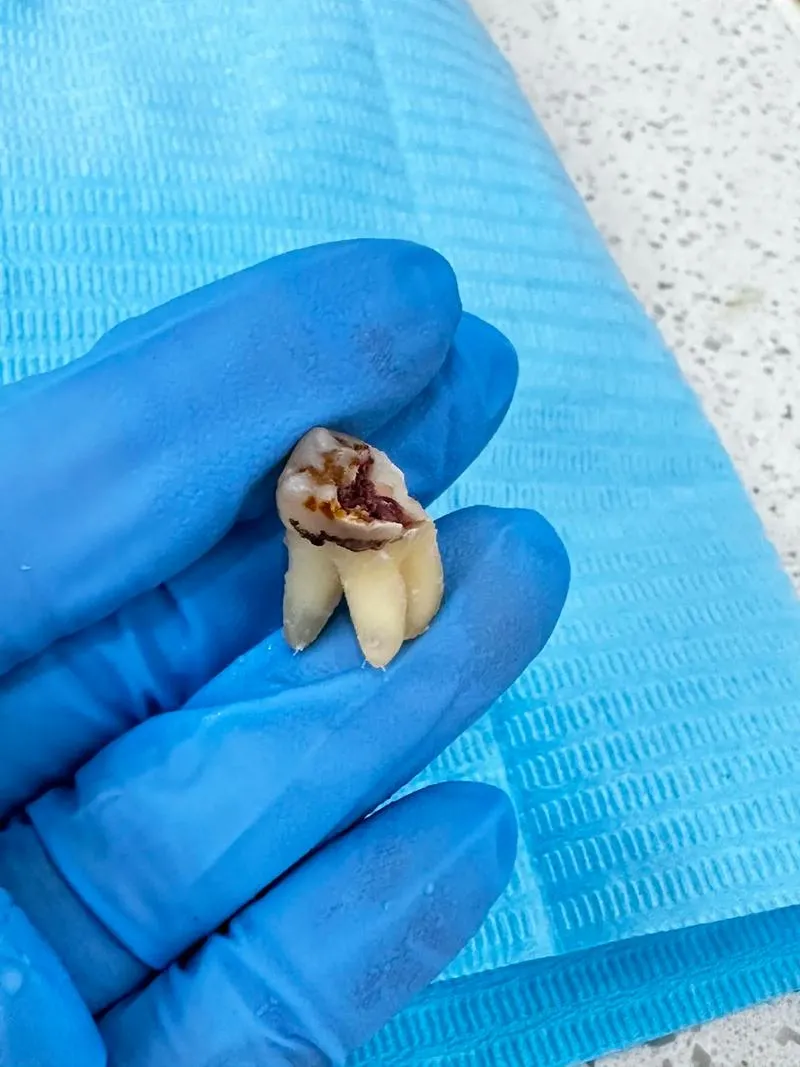
- There’s a deep infection or abscess and the tooth can’t be restored
- The tooth is cracked below the gum line or split in half
- Severe decay has undermined most of the tooth structure
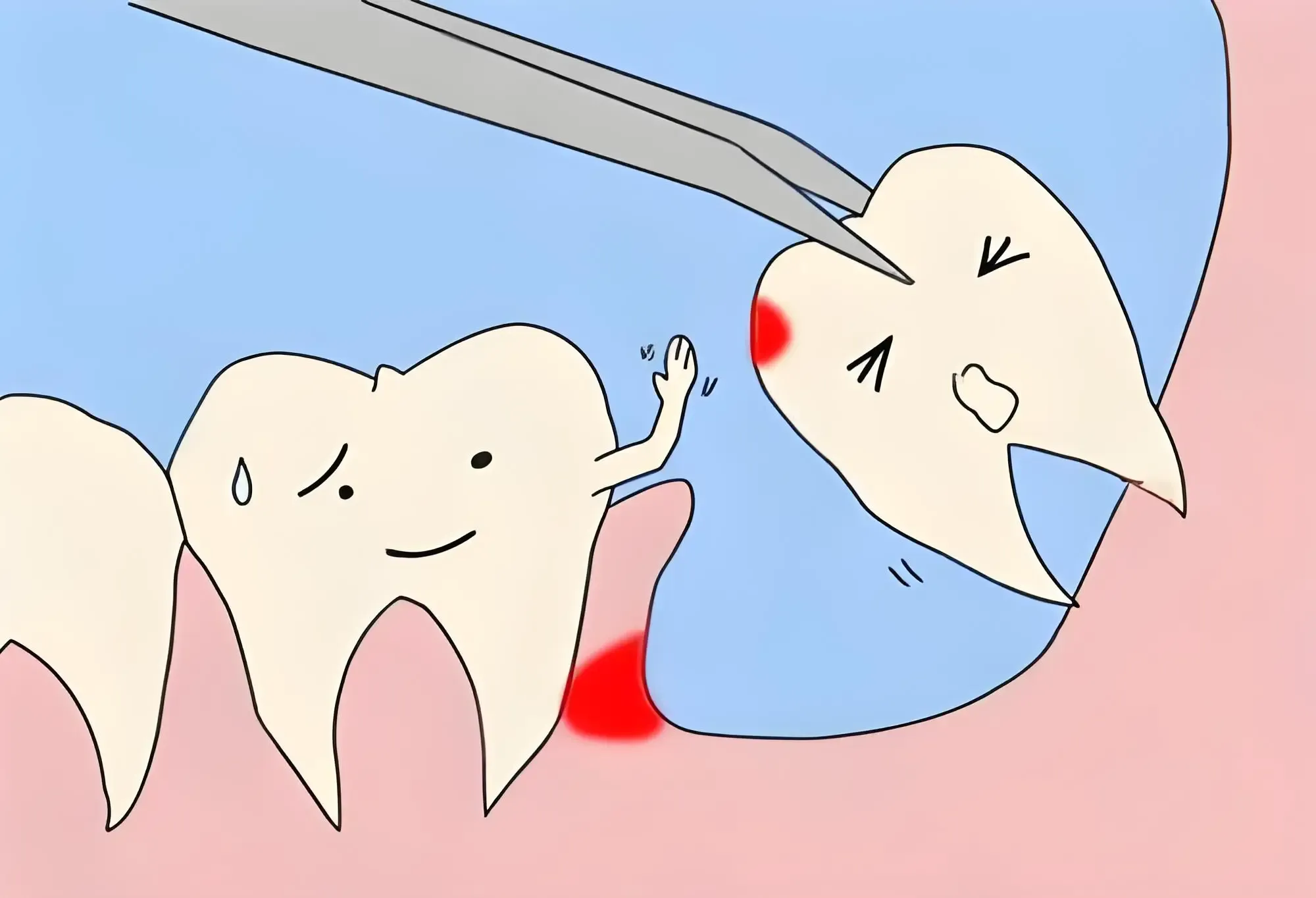
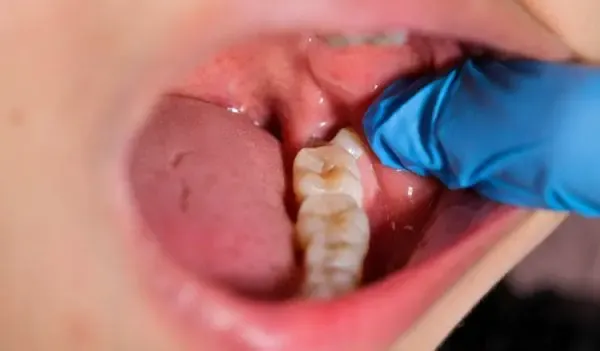
- Wisdom teeth are impacted, painful, or causing repeated gum infections
- There’s advanced gum disease with tooth mobility
- Orthodontic reasons require space and other options aren’t suitable
For swelling, fever, severe pain, or a bad taste and pus, same-day assessment is advisable. Many Thai dental clinics accept walk-ins and will try to slot you in without a long queue, especially for emergency dental care.
What to expect at a Thai dental clinic
- Booking and communication: Most clinics let you book via phone, website, Facebook, or Line. English-speaking staff are common in city centres. If you’re an expat or traveller, bring your passport.
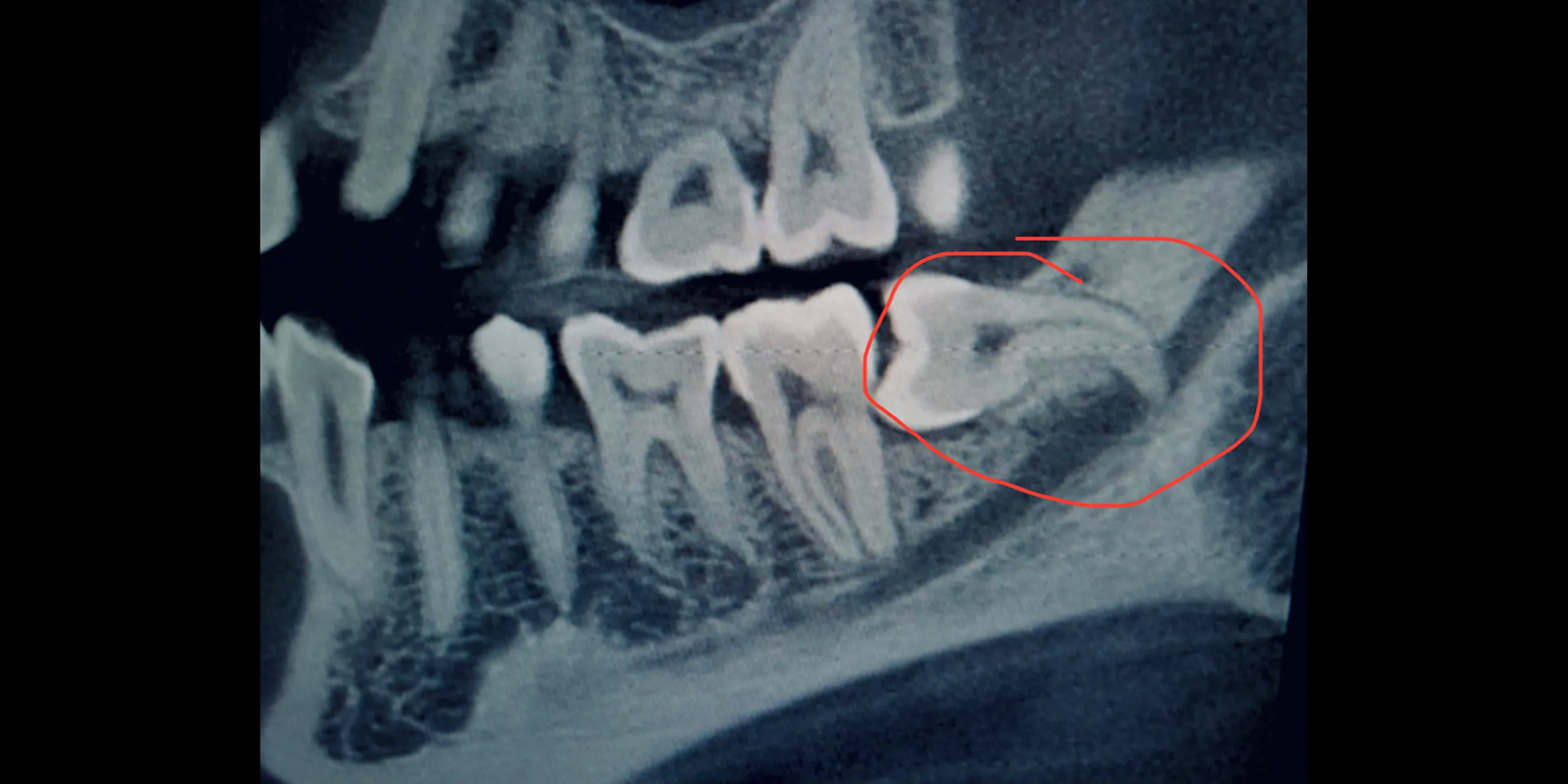
- Consultation and X-ray: A dentist will check the area and usually take an X-ray (sometimes a 3D CBCT for complex wisdom teeth) to see root shape, infection spread, and proximity to nerves or sinus.
- Treatment plan and quotation: You’ll get a clear breakdown of options, fees in THB, and consent forms before treatment. Many clinics have a straight, no-surprise pricing policy and can issue an invoice with VAT if needed.
- Anaesthesia and comfort: Local anaesthetic (such as lidocaine or articaine) numbs the area. For nervous patients, some clinics offer oral sedation, IV sedation, or treatment under general anaesthesia in hospital settings, especially for impacted wisdom tooth removal.
- Clean, safe environment: Clinics follow strict infection control with sterilised instruments and protective barriers, aligned with standards set by the Dental Council of Thailand.
The extraction procedure, step by step
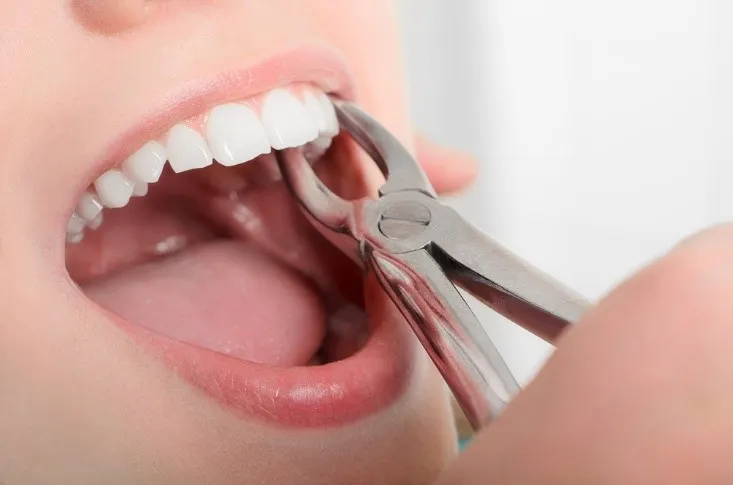
For a simple extraction (a tooth that is visible and not heavily stuck), the dentist loosens the tooth and removes it in one piece. It usually takes 15–30 minutes. For a surgical extraction (impacted, broken, or curved roots), a small incision in the gum and minor bone trimming may be needed. This can take 30–60 minutes or more. Stitches may be placed; these can be dissolving or removed after 5–7 days. You’ll bite on gauze to stop bleeding and receive medication and aftercare instructions before leaving.
Pain control and antibiotics
Most people manage well with over-the-counter pain relievers recommended by the dentist. Ice packs help with swelling in the first 24 hours. Antibiotics are prescribed when there’s facial swelling, fever, or significant infection. Avoid self-medicating before seeing the dentist; proper drainage or extraction is what actually resolves an abscess.
Recovery and aftercare tips
- Bite firmly on the gauze for 30–60 minutes to control bleeding.
- Avoid spitting, rinsing, or using a straw for 24 hours to protect the blood clot.
- Keep your head elevated and apply ice packs for 10–15 minutes at a time during the first day.
- Soft foods for the first 24–48 hours: cong
ee, yoghurt, smoothies (no straw), soft rice, and soups that are not too hot.
- After 24 hours, rinse gently with warm saltwater 2–3 times a day.
- Brush gently around the area; keep the rest of your mouth clean.
- No smoking or vaping for at least 3 days (7 days is better).
- If you were given antibiotics or mouthwash, complete the course as directed.
- Return for suture removal if non-dissolving stitches were used.
Watch for red flags: persistent heavy bleeding, severe swelling that worsens after day two, fever, foul taste with increasing pain, or difficulty opening your mouth. Contact the clinic promptly if these occur. A common complication to avoid is dry socket; it’s less likely if you follow the no-smoking, no-straw rule and avoid vigorous rinsing early on.
Costs of tooth extraction in Thailand
Fees vary with complexity, location, and whether you’re in a clinic or hospital:
- Simple extraction: around THB 800–2,500 per tooth
- Surgical extraction: around THB 3,000–8,000 per tooth
- Impacted wisdom tooth removal: around THB 5,000–12,000 per tooth
- X-rays: THB 200–500 for periapical, THB 1,000–1,800 for panoramic, THB 2,500–4,500 for CBCT
- Sedation (if needed): additional, often from THB 10,000 upwards in hospital settings
Many places accept cash and card. If you have international insurance, check your dental coverage; some insurers reimburse emergency treatment with proper receipts and diagnosis codes.
Wisdom tooth removal and special considerations
Impacted lower wisdom teeth can sit close to the nerve; your dentist may order a CBCT to map the roots and reduce risk. Upper wisdom teeth sometimes relate to the sinus; your dentist will take precautions to protect it. If you have swelling from pericoronitis (gum infection around a partially erupted wisdom tooth), initial cleaning and medication may be done before extraction a few days later, once the inflammation settles.
Alternatives and long-term planning
Extraction is not the only solution for a painful tooth. If the tooth can be saved, a root canal with a crown can remove infection and keep your bite stable. When a tooth must come out, discuss replacement options to prevent shifting:
- Dental implant after healing (often 8–12 weeks post-extraction)
- Bridge supported by neighbouring teeth
- Removable partial denture as a budget-friendly option
Choosing the right clinic in Thailand
Look for a dentist registered with the Dental Council of Thailand. For complex cases, an oral and maxillofacial surgeon is ideal. Read recent reviews, ask about experience with similar extractions, and confirm sterilisation protocols. In Bangkok, clinics near BTS or MRT are convenient; in Chiang Mai and Phuket, many practices cater to expats and travellers with extended hours and clear communication. If you need sedation or have medical conditions, a hospital-based dental centre may be more suitable.
Travel tips for visitors
Plan an easy day after extraction; avoid strenuous activities. Flying after a routine extraction is generally fine, but if your dentist mentions sinus involvement or complex surgery, ask for personalised advice and consider waiting a few days. Keep your medication and clinic contact handy, and schedule a follow-up if you’re staying long enough.
The bottom line
Tooth extraction in Thailand is straightforward, safe, and affordable when handled by a qualified dentist. For tooth infection and damage, timely treatment relieves pain and prevents complications. With clear explanations, transparent pricing, and practical aftercare, you can expect a smooth, sabai-sabai recovery and get back to your normal routine without breaking the bank.